Quick answer
Choose a needlepoint tote bag if you want a finished, display-worthy accessory that carries a single project and doubles as a fashion piece. Choose a project bag if you need to organize multiple WIPs, protect canvases during travel, and keep threads and tools separate. Many stitchers own both: a tote for the project in progress and project bags for storage.
You have a growing pile of canvases and a favorite chair. Now you need something to carry it all. The choice between a needlepoint tote bag and a project bag comes down to how you stitch, where you stitch, and how many projects you juggle at once.
This comparison looks at what each bag does well, using real product details from our catalog to show how size, capacity, and protection differ. By the end, you will know which bag to reach for first.
What a needlepoint tote bag is designed to do
A needlepoint tote bag is usually a finished, stitched piece that serves as both a carryall and a project holder. It often features a specific design or theme and is sized to hold a single canvas, threads, and tools. The appeal is that your stitching becomes part of the bag itself, turning a WIP into a wearable accessory.
Totes tend to have a fixed shape and a limited number of compartments. That simplicity makes them easy to grab and go, but it also means you need to be selective about what you carry. If you like to switch projects often, a tote may feel restrictive because it is built around one canvas at a time.
- Look for a tote with a secure closure if you stitch on the move.
- Check the interior for at least one pocket to keep needles and scissors separate.
What a project bag is designed to do
A project bag is a dedicated storage and transport solution for needlepoint supplies. It typically has multiple compartments, pockets, or sleeves to hold canvases, thread cards, and tools. Many project bags are designed to keep everything for one project together, so you can pull out a bag and start stitching without hunting for supplies.
Project bags prioritize protection and organization over fashion. They often use lightweight, durable materials and may include features like mesh pockets or elastic loops. If you have several WIPs, a set of project bags lets you keep each one ready to go.
- Choose a project bag with a flat bottom if you want it to stand open while you stitch.
- Look for a bag that fits your largest stretcher bars or scroll frame.
Capacity and portability: what fits where
Totes are generally sized to hold one project comfortably. For example, the Tote Belt is a 38-inch by 1.25-inch canvas designed as a belt, not a bag, but it shows how needlepoint accessories can be tailored to a specific use. A tote bag for a single canvas will be smaller and easier to carry than a bag meant for multiple projects.
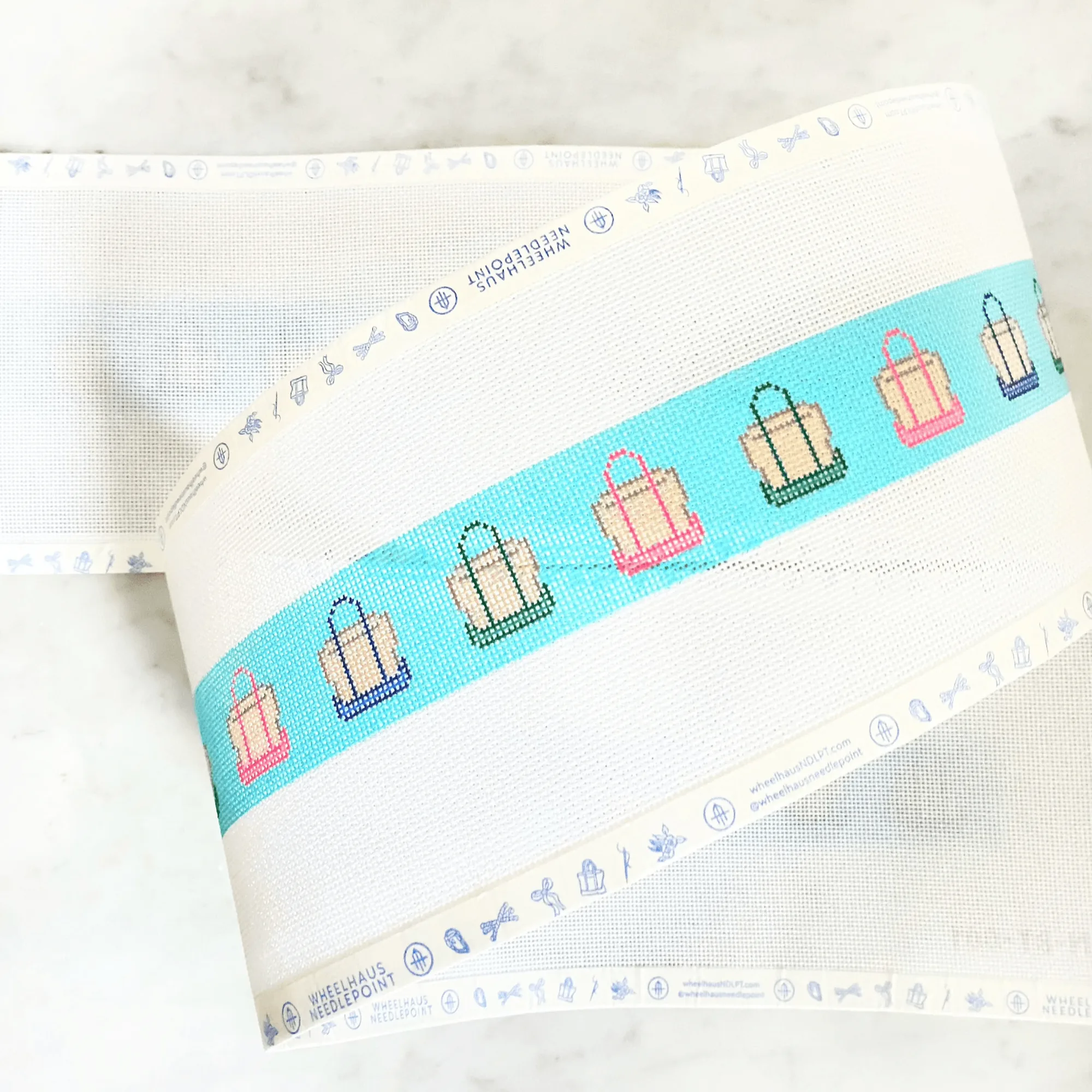
Tote Belt
Project bags come in a range of sizes. Some are small enough for a single ornament, while others can hold several canvases and thread organizers. If you travel by plane or train, a project bag with a zipper and a flat profile may fit better in a carry-on than a structured tote.
- Measure your largest canvas before buying any bag.
- If you stitch with stretcher bars, add at least an inch on each side for clearance.
Protection and organization
Totes often have a single main compartment, which means threads and tools can shift around. Some stitchers add a small pouch or a needle minder to keep things tidy. The trade-off is that a tote may not protect your canvas from snags or dirt as well as a dedicated project bag.
Project bags typically offer more protection. They may include a reusable PVC protective project baggy, like the one that comes with many of our canvases. That baggy keeps a canvas clean and separate from other items. If you are storing a project for weeks, a project bag with a protective baggy is the safer choice.
- Use a needle minder to keep your needle attached to the canvas, not lost in the bag.
- Store thread in a separate pouch to prevent tangles.
How to choose based on your stitching habits
If you stitch mostly at home and want your project to look good sitting next to your chair, a tote bag is a natural fit. It keeps one project accessible and looks intentional. If you stitch in waiting rooms, on trips, or at stitch groups, a project bag with compartments will keep you organized and reduce the chance of losing supplies.
Consider how many projects you have active at once. One or two? A tote plus a small project bag may be enough. Five or more? A set of project bags, each labeled, will save you time and frustration. The best bag for needlepoint is the one that matches your routine, not someone else's.
- Keep a small project bag packed with a spare needle, scissors, and thread for travel.
- Rotate projects seasonally to keep your tote from becoming a storage bin.
Trade-offs to weigh
- Tote: style vs. capacity: A tote looks great and carries one project well, but it usually lacks compartments for multiple WIPs. If you need to carry more than one project, you will need additional bags. Choose a tote if you value appearance and simplicity over maximum storage.
- Project bag: organization vs. bulk: Project bags keep everything separate and protected, but they can be bulkier and less fashionable. They are designed for function, not display. Choose a project bag if you prioritize organization and protection.
- Cost and commitment: A needlepoint tote is often a project in itself, requiring time and materials. A project bag is a ready-made purchase that supports your existing projects. If you want a quick solution, start with a project bag. If you want a long-term accessory, stitch a tote.
Product details that matter
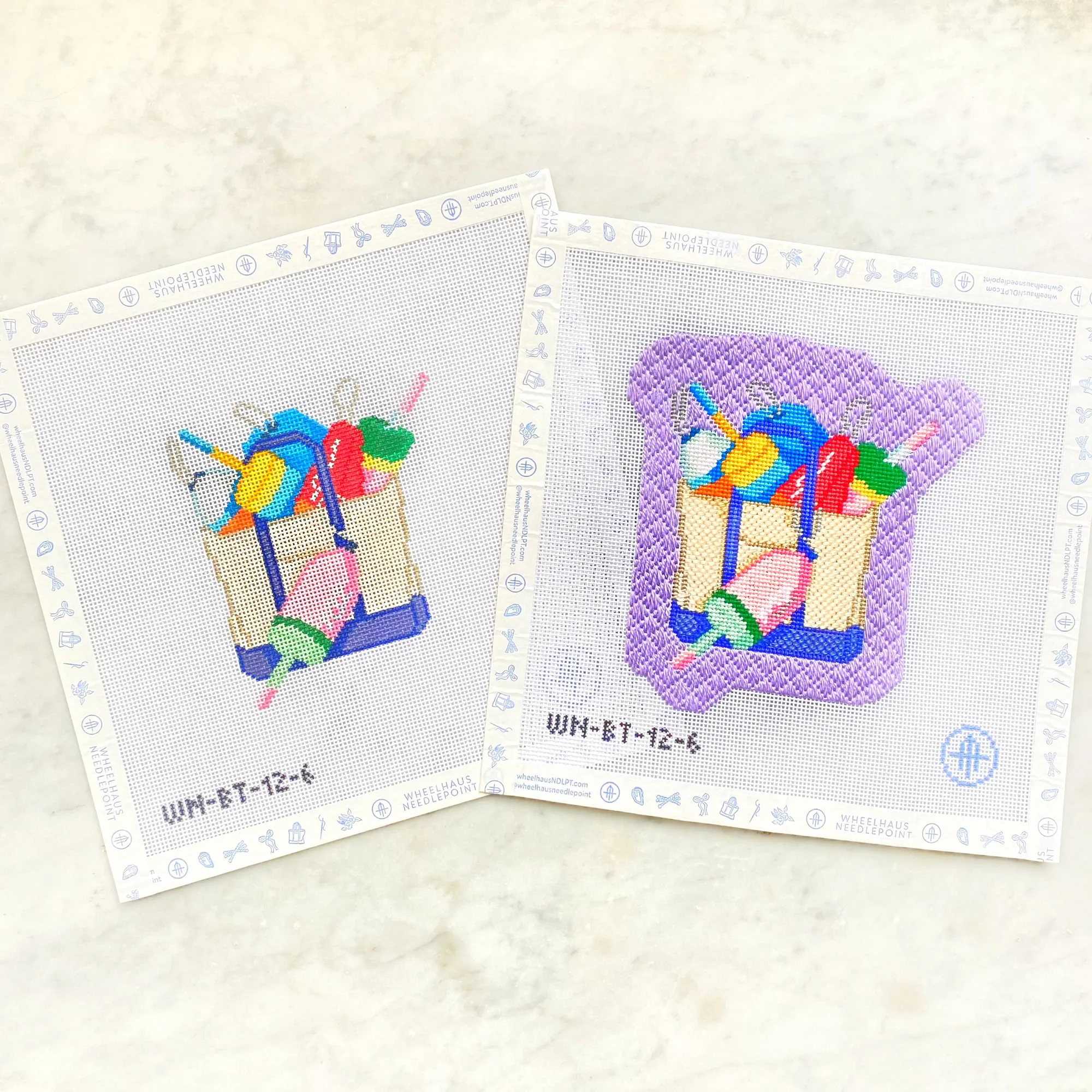
- Colorful Buoys Tote - Day 6: 18 mesh, design 3.5"W x 3.75"H, part of the 12 Days of Totes Series, available as canvas only or with thread kit. This small canvas is a good example of a tote design that is compact and easy to carry. The thread kit option means you can buy everything at once.
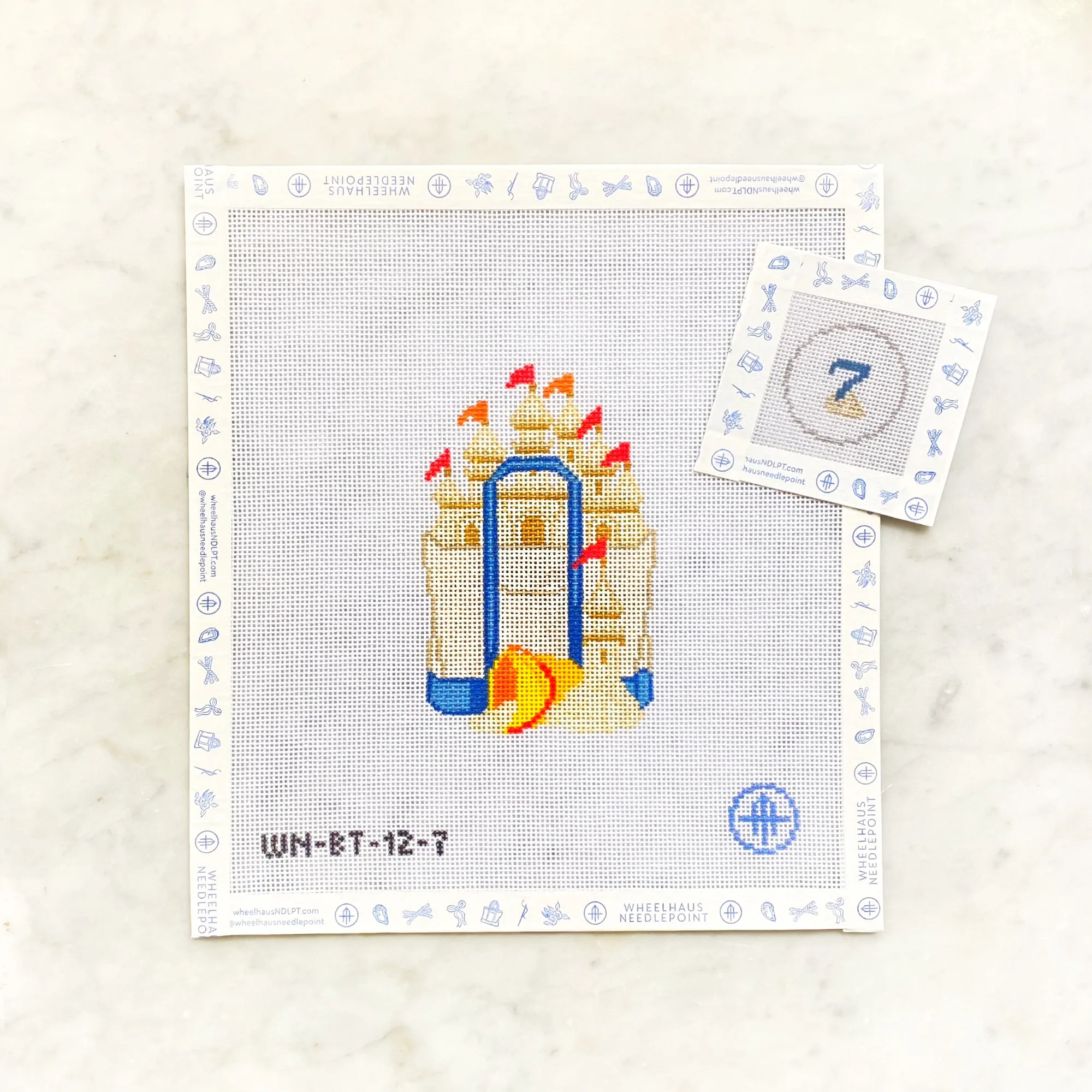
- Sandcastle Tote - Day 7: 18 mesh, design 3.5"W x 3.75"H, part of the 12 Days of Totes Series, available as canvas only or with thread kit. Like Day 6, this is a small, portable project. If you like themed totes, the series gives you matching options.
- Tote Belt: 18 mesh, design 38W x 1.25H. Canvas only includes hand painted canvas, stitch pamphlet, WIP project card, and reusable PVC protective project baggy. Thread kit adds fibers, thread ring, tapestry needle, and stitch brochure. This long, narrow design shows how a needlepoint accessory can be both a project and a functional item. The included project baggy is a reminder that protection matters even for small pieces.
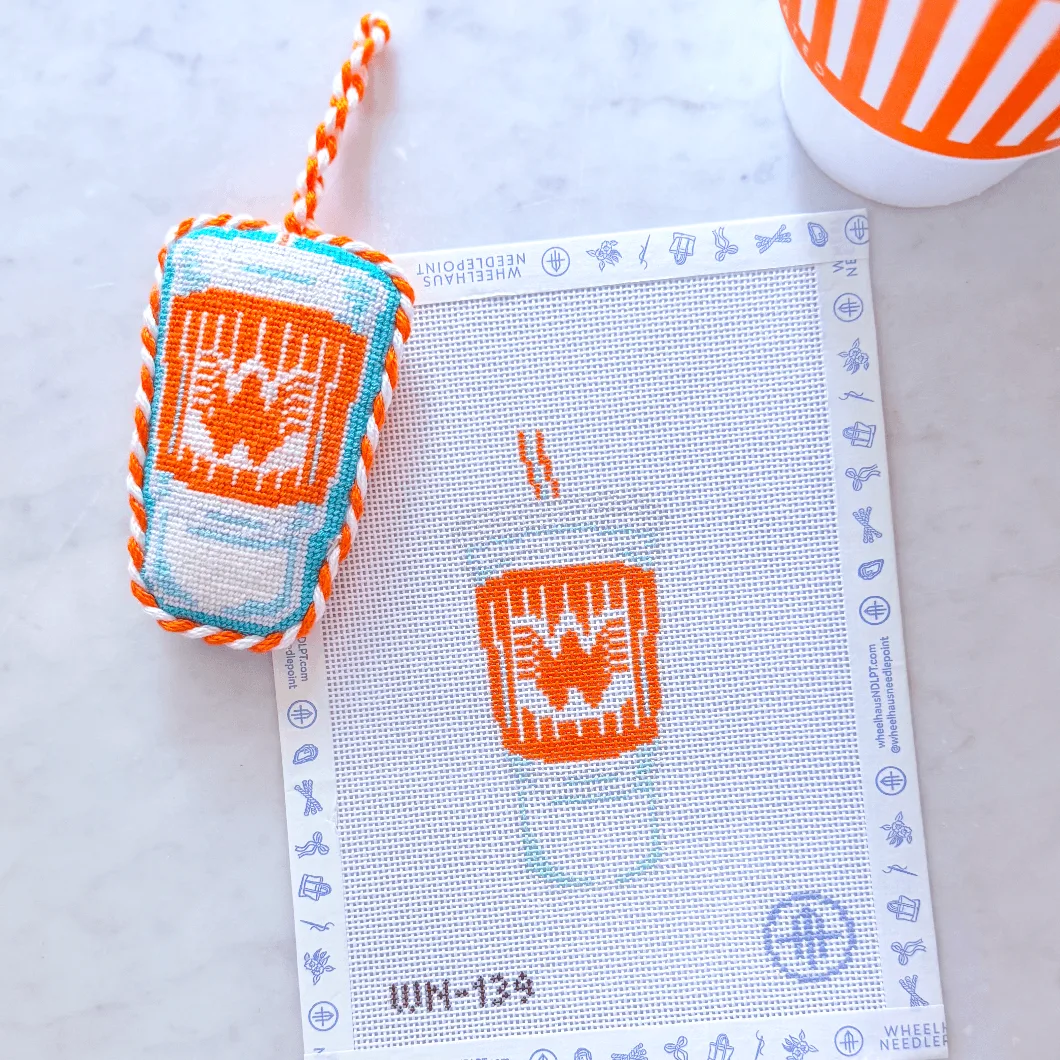
- What-A-Cup: 18 mesh, design 2 W x 4.5 H. Canvas only includes hand painted canvas, stitch pamphlet, WIP project card, and reusable PVC protective project baggy. Thread kit adds fibers, thread ring, tapestry needle, and stitch brochure. This small canvas is ideal for a project bag because it fits easily and the included baggy keeps it clean. It is a good example of a project that does not need a large tote.
Which bag is right for you?
Best for
- Stitchers who work on one project at a time and want a carryall that looks good.
- Those who enjoy making their own accessories and want a finished piece to show off.
Not for
- Stitchers who juggle multiple WIPs and need separate compartments for each.
- Anyone who needs maximum protection and organization for travel or storage.
The best bag for needlepoint depends on how you stitch. If you want a beautiful, single-project carrier, a tote is a rewarding choice. If you need to keep several projects organized and protected, a project bag is the practical workhorse. Many stitchers use both: a tote for the project in progress and project bags for everything else.