Quick answer
Needlepoint uses a rigid, open-weave canvas and covers the surface with stitches like tent or basketweave, creating a durable, textured fabric. Cross stitch uses an evenweave or Aida cloth and builds images from X-shaped stitches, often following a chart. If you want a sturdy, hand-painted design with a smooth rhythm, try needlepoint. If you prefer following a chart and working on softer fabric, cross stitch may suit you better.
If you're standing in a craft store or scrolling online, needlepoint and cross stitch can look like twins: both use a needle, thread, and a grid. But pick one up and the differences show fast. The canvas, the stitch, and the final object are not the same, and that changes everything from how you hold your work to what you can make.
This comparison breaks down the real trade-offs between needlepoint and cross stitch so you can choose the one that fits your hands, your patience, and your project goals. No craft is 'better' — they just solve different problems.
Canvas and fabric: the foundation
Needlepoint is stitched on stiff, open-weave canvas, usually made of cotton or linen. The holes are large and evenly spaced, which makes it easy to see where each stitch goes. Many needlepoint canvases are hand-painted or stitch-painted, meaning the design is already on the canvas. That visual guide is a huge help for beginners because you're not counting every stitch from a chart. Cross stitch, by contrast, is worked on Aida cloth or evenweave fabric. Aida has a visible grid of squares, while evenweave requires stitching over two threads. Both are softer and more flexible than needlepoint canvas, so they drape but can distort if you pull too hard.
The trade-off: needlepoint canvas holds its shape and resists distortion, which is forgiving for beginners. Cross stitch fabric is more portable and often cheaper, but you need to manage tension carefully to keep the grid square. If you like the idea of a pre-printed design, needlepoint has the edge. If you prefer a blank grid and a pattern to follow, cross stitch wins.
- Needlepoint canvas comes in counts like 13 mesh or 18 mesh — lower numbers mean larger holes and faster coverage.
- Cross stitch Aida comes in counts like 14 or 16 — higher counts mean smaller stitches and finer detail.
Stitches and rhythm: how you actually work
Needlepoint is built from a family of stitches: tent stitch (half cross or continental), basketweave, and dozens of decorative stitches. Tent stitch is the workhorse, and basketweave is a favorite for large areas because it keeps the canvas from warping. You cover the entire canvas, leaving no bare holes. That full coverage gives needlepoint its dense, tapestry-like feel. Cross stitch is almost always worked in one basic stitch: the X. You can vary thread count and color, but the structure is consistent. You follow a chart, counting squares, and the design emerges as you go. The rhythm is repetitive and meditative, but less varied than needlepoint.
The trade-off: needlepoint offers more textural variety and a forgiving surface, but you need to learn multiple stitches to keep the canvas from distorting. Cross stitch is simpler to learn — one stitch, one chart — but the repetition can feel monotonous, and mistakes require ripping out stitches carefully. If you like variety, needlepoint. If you like a single, clear task, cross stitch.
- Basketweave stitch in needlepoint helps prevent canvas warping on large areas.
- Cross stitch charts use symbols for colors; you count from the center outward.
Finished look and durability
Needlepoint produces a thick, sturdy fabric with a slight sheen depending on the fibers. It's often used for pillows, belts, ornaments, and wall hangings — items that get handled. The full coverage makes it durable and hides the canvas. Cross stitch creates a flatter, more delicate fabric with visible grid lines if you look closely. It's commonly framed, made into samplers, or applied to towels and quilts. The X stitches can be delicate, so cross stitch pieces are usually displayed rather than used daily.
The trade-off: needlepoint is more rugged and can become functional objects. Cross stitch is lighter and often more affordable to frame, but it's less resistant to wear. If you want to make a belt or a key fob, needlepoint is the practical choice. If you want a framed picture or a decorative sampler, cross stitch fits the bill.
- Needlepoint canvases can be finished into coasters, ornaments, or tote bag panels.
- Cross stitch pieces are often framed behind glass to protect the stitches.
Which is easier for beginners?
Cross stitch is often called easier because it uses one stitch and a chart. You can buy a kit with everything included and follow the squares. The main challenge is counting accurately and keeping tension even. Needlepoint is also beginner-friendly, especially with a hand-painted canvas that shows you where to stitch. You don't have to count as much, but you do need to learn at least tent stitch and how to start and end threads without knots. The canvas is stiff, which some find easier to hold than floppy Aida.
The trade-off: cross stitch has a lower learning curve for the stitch itself, but requires chart-reading skills. Needlepoint has a slightly higher initial learning curve for stitches, but the painted canvas reduces counting errors. If you hate counting, needlepoint may actually be easier. If you love following a pattern, cross stitch will feel natural.
- Many needlepoint kits include a stitch pamphlet and pre-printed canvas.
- Cross stitch kits include a chart, fabric, and pre-sorted threads.
Time, cost, and project size
Needlepoint covers area quickly on 13 mesh canvas because the holes are larger. A small ornament can be finished in a few evenings. However, hand-painted canvases and specialty fibers can cost more than cross stitch supplies. Cross stitch is generally more budget-friendly: a pattern, a piece of Aida, and a few skeins of floss go a long way. But cross stitch can be slower per square inch because the stitches are smaller and you're counting constantly.
The trade-off: needlepoint gives faster coverage and a more luxurious feel, but the upfront cost can be higher. Cross stitch is economical and portable, but large projects can take months. If you want a quick, satisfying finish, try a small needlepoint canvas. If you want a long-term project with minimal expense, cross stitch is a solid choice.
- Needlepoint project bags keep your canvas, threads, and tools organized.
- Cross stitch projects often fit in a small pouch, making them great for travel.
Trade-offs at a glance
- Canvas vs fabric: Needlepoint uses stiff, open-weave canvas that resists distortion; cross stitch uses soft Aida or evenweave that drapes but can warp. Choose needlepoint for structure, cross stitch for portability.
- Stitch variety: Needlepoint offers many stitches (tent, basketweave, decorative) for texture; cross stitch uses one X stitch for consistency. Pick needlepoint if you like variety, cross stitch if you prefer a single rhythm.
- Finished object: Needlepoint creates durable, tactile items like belts and pillows; cross stitch makes delicate framed pieces or samplers. Match the craft to how you want to use the finished piece.
- Learning curve: Cross stitch is easier to start with a chart; needlepoint is easier with a hand-painted canvas but requires learning multiple stitches. Try a small kit in each to see which feels natural.
Real needlepoint options from Wheelhaus Needlepoint
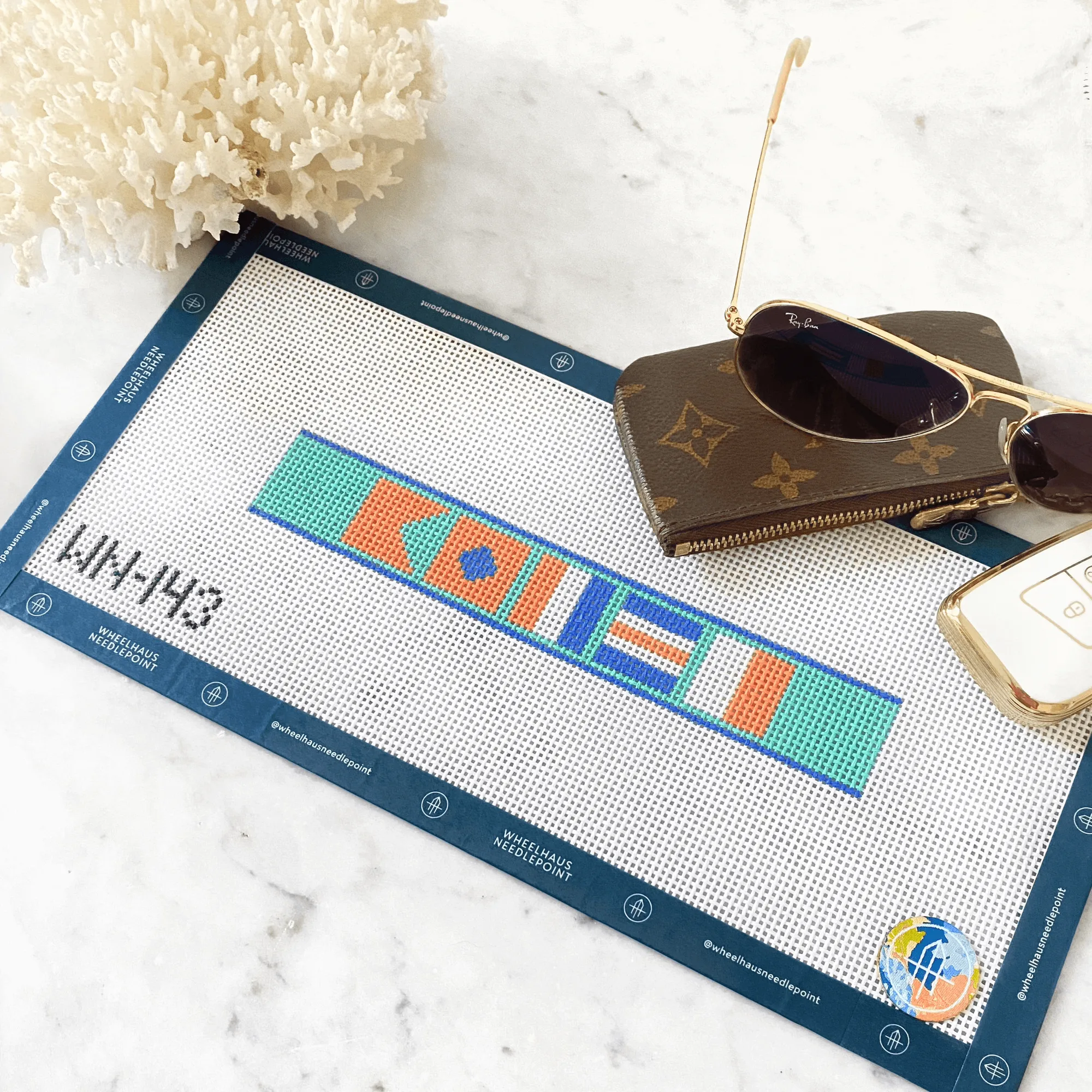
- Nauti Flag Key Fob: 13 mesh, design 8" x 1", canvas only includes hand painted, stitch painted needlepoint canvas, one of seven stitch pamphlets, WIP Project Card, and reusable PVC protective project baggy; thread kit includes canvas, curated silk and wool fibers, thread ring, tapestry needle, and stitch brochure. A small, quick project that shows how needlepoint can become a functional accessory. The 13 mesh canvas is easier to see for beginners, and the thread kit provides everything needed to start.
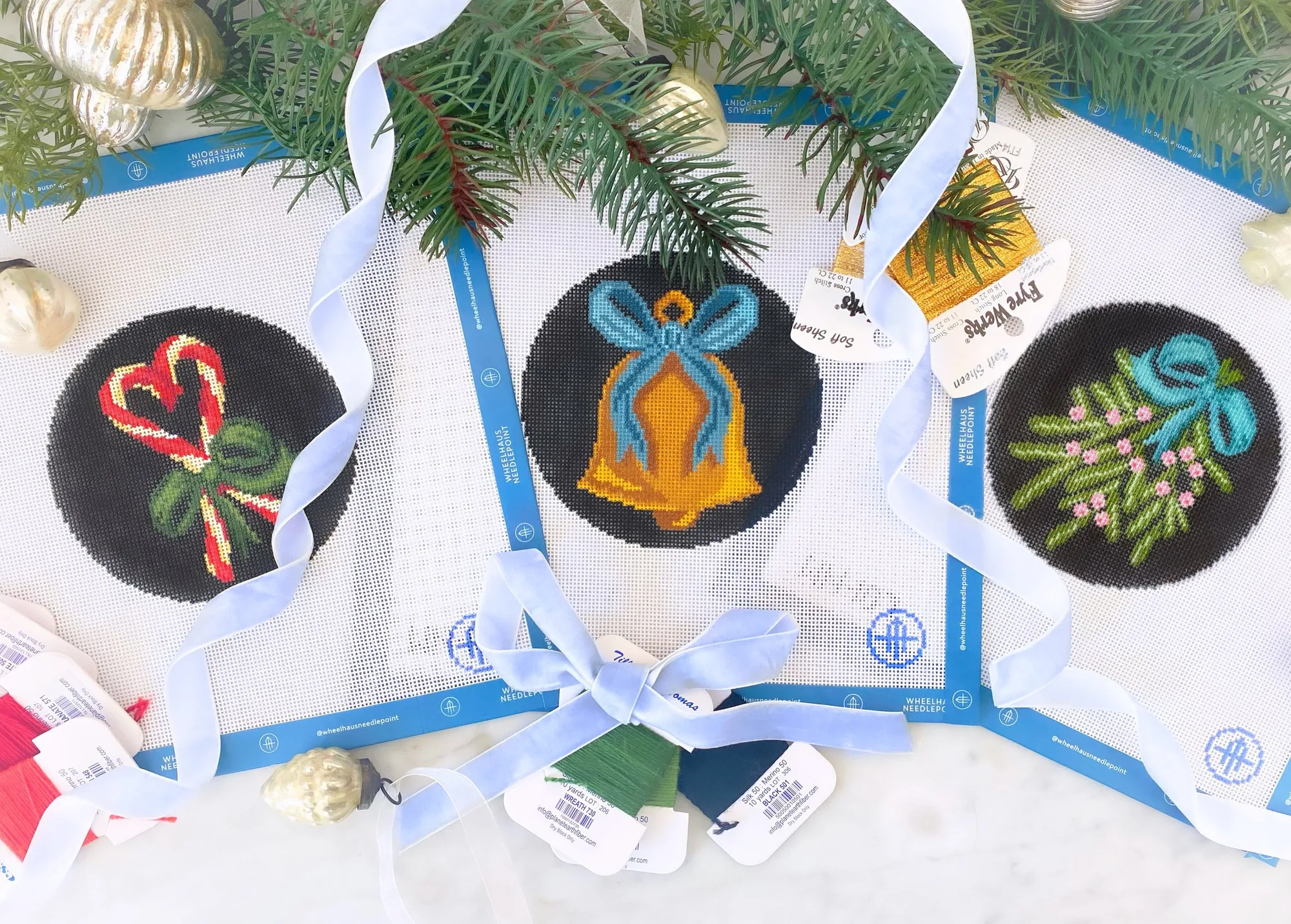
- Vintage Velvet Bow Rounds: 18 mesh, design 4.25W x 4.25H, canvas only includes hand painted, stitch painted needlepoint canvas, one of seven stitch pamphlets, WIP Project Card, and reusable PVC protective project baggy; thread kit includes canvas, curated silk and wool fibers, thread ring, tapestry needle, and stitch brochure. 18 mesh means finer detail and smaller stitches, which can be more challenging but produces a delicate finished piece. This is a good next step after a 13 mesh project.
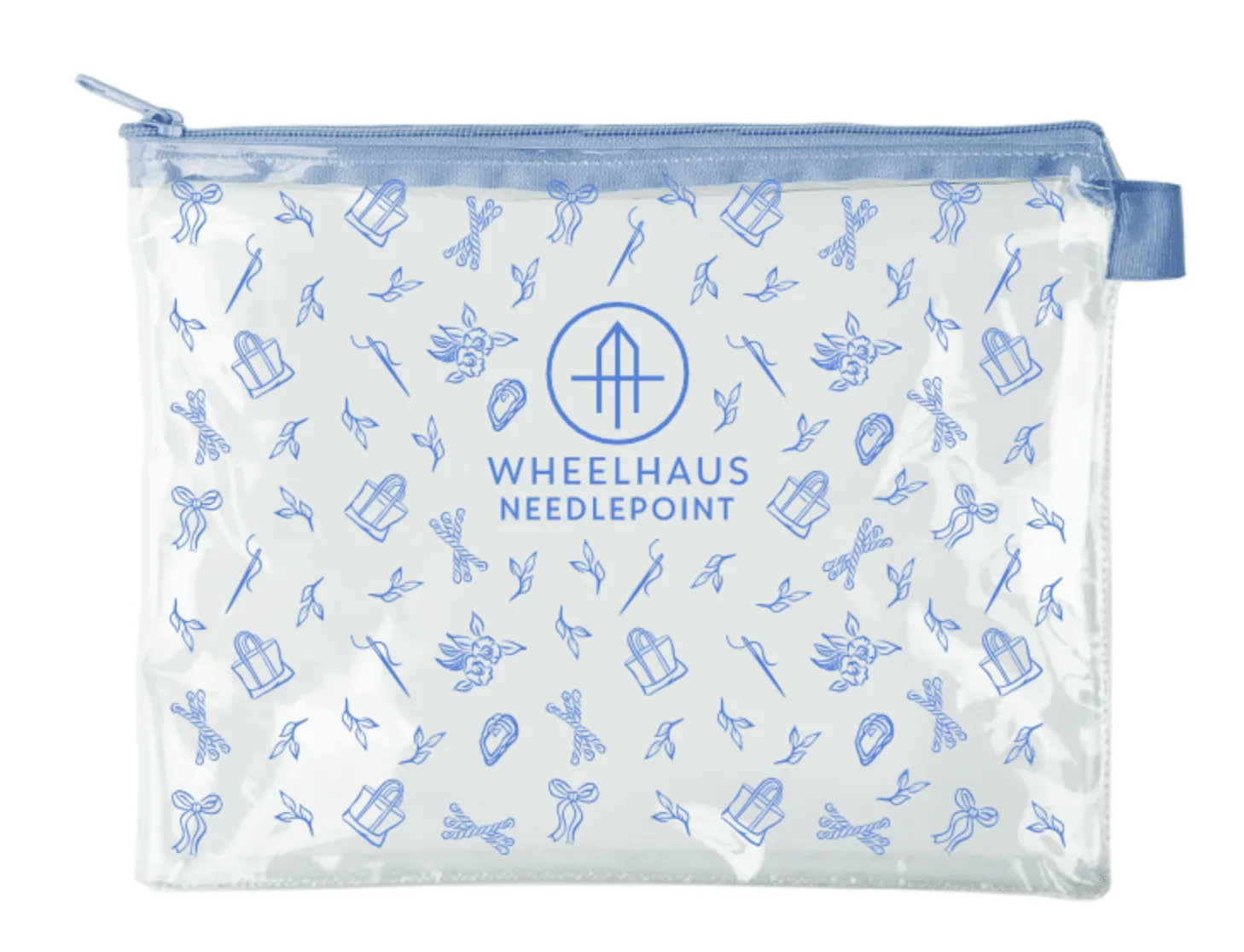
- Our Story Print Clear Needlepoint Project Bags: Bags come in 4 sizes: Small 9x4 (great for carded threads), Medium 11x5x5 (great for skeins and rolled, in-hand WIPs), Large 11x8.5 (on-the-go pouch for S/M WIPs and needs), Extra Large 16x11 (great for travel). Keeping a needlepoint project organized and protected is easier with the right bag size. The Medium size fits a rolled canvas and threads, while the Extra Large holds everything for a trip.
Which should you choose?
Needlepoint is best for
- Crafters who want a sturdy, textured fabric for functional items like key fobs or pillows
- Beginners who prefer a pre-printed canvas and less counting
- Stitchers who enjoy learning a variety of stitches and working with luxurious fibers
Needlepoint is not for
- Crafters who want a very portable project that fits in a small pouch
- Those who prefer following a detailed chart and counting squares
- Budget-focused beginners who want the lowest possible upfront cost
Both needlepoint and cross stitch are rewarding, but they suit different hands and goals. If you want a durable, hands-on craft with a painted canvas to guide you, start with a small needlepoint project like the Nauti Flag Key Fob. If you prefer a chart, a single stitch, and a lighter budget, cross stitch is your match. Pick the one that fits your style, and you'll enjoy the process either way.