Quick answer
Fit your neoprene lens hood cover dry and slightly stretched, clean it with cool water and mild soap rather than solvents, and let it air-dry fully before storing. The cover should feel snug but not tight enough to distort a petal hood, and it should come off without dragging grit across the glass.
Why neoprene needs its own routine
Neoprene is a closed-cell foam bonded to fabric, which is why it absorbs shock and gives a non-slip grip. That same structure traps grit and salt in the outer fabric, and heat can soften the foam so the cover sags. Treating it like a cloth pouch leads to stretched cuffs, shiny worn patches, and a cover that no longer stays put on a hood.
The other half of the job is fit. A cover that is too loose slides forward and blocks the hood edge; one that is too tight rolls the hood rim and can leave pressure marks on a thin petal shape. Check the fit before you rely on it in the field.
Check the hood shape before you buy
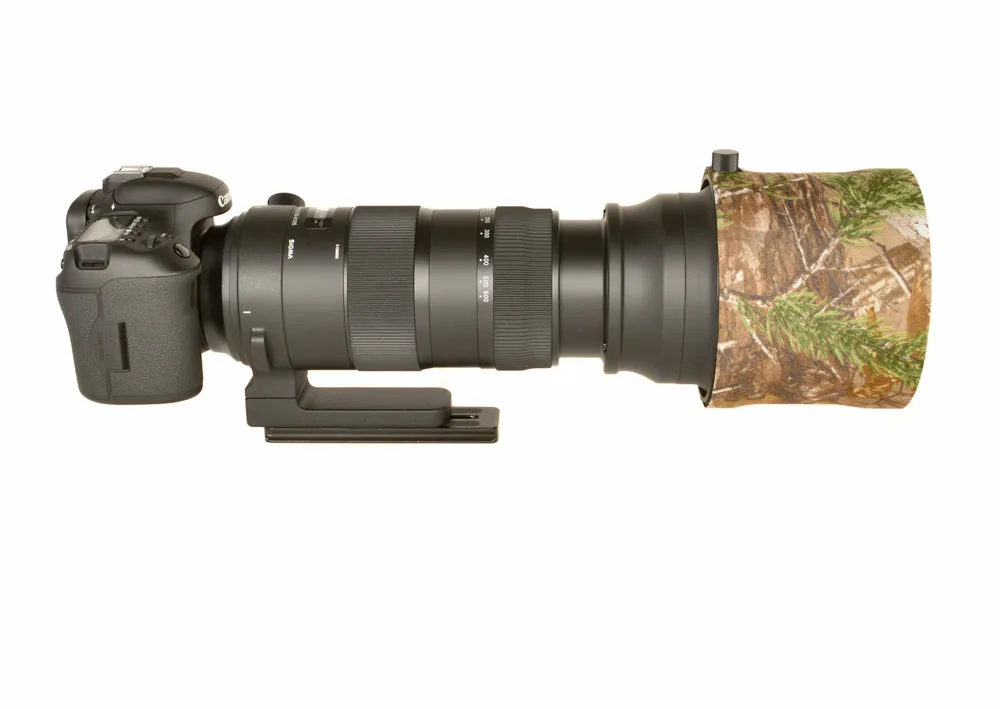
Neoprene covers work best on cylindrical hoods where the fabric can grip evenly. Short petal-shaped hoods are a poor match because the foam cannot follow the curved cut-outs, so the cover bunches and slips. If your Sigma hood is a short petal type, a cover is not the right protection and you should look at an end cap instead.
For cylindrical hoods, match the cover size to the hood diameter, not the lens barrel. A reversible cover gives you two colourways and a fresh non-slip face when one side wears.
Cleaning without wrecking the foam
Rinse the cover in cool water, work in a drop of mild soap with your fingers, and rinse until the water runs clear. Never use hot water, bleach, or solvent cleaners, because they break down the foam and the laminated fabric. Squeeze gently rather than wringing, then blot with a towel and air-dry away from direct heat.
Salt and dust matter most for coastal and dusty shoots. Rinse after sea spray or a sandy session before the residue works into the seams. If the cover is only lightly dusty, a soft brush is enough and a full wash is unnecessary.
Storing and rotating covers
Store the cover flat or loosely rolled, not folded tightly, and keep it away from hot car dashboards and direct sun. If you use a reversible cover, rotate which face is outward so both sides wear evenly and the grip lasts longer.
Keep a dry spare in your bag for wet days. A damp cover left against a lens in a closed case is the fastest way to get a musty smell and cloudy marks on the barrel.
Step-by-step fitting and care routine
- Match the cover to the hood shape: Slide the cover onto a clean, dry cylindrical hood and check that it grips the full circumference. Common mistake: forcing a cover onto a short petal hood, which bunches the foam and causes slipping. Checkpoint: the cover should sit flat with no folds and no exposed hood edge.
- Seat the cover from the front: Roll the cover on from the front of the hood and work it back with your palms, keeping the fabric evenly tensioned. Common mistake: pulling from the rear cuff, which stretches the seam and leaves the front loose. Checkpoint: the front edge should be flush with the hood rim, not overhanging into the frame.
- Test the grip and rotation: Twist the hood gently to confirm the cover does not rotate on its own, then remove and refit once to be sure it comes off cleanly. Common mistake: leaving grit trapped under the cover, which scratches the hood finish. Checkpoint: if it slips, size down or switch to a reversible face for more grip.
- Clean after wet, salty, or dusty sessions: Rinse in cool water with a drop of mild soap, squeeze gently, and air-dry fully away from heat. Common mistake: machine washing or hot drying, which degrades the foam and laminate. Checkpoint: the cover is ready to store only when completely dry inside and out.
- Store flat and rotate the wear: Keep the cover flat or loosely rolled in a dry bag, and alternate the outward face on reversible versions. Common mistake: folding it tightly or leaving it damp against the lens. Next step: pair the hood cover with an end cap so the front element stays covered while the hood is fitted.
Products that fit this routine
- C60 Neoprene Camera Lens Hood Cover - Sigma: C60 Neoprene Camera Lens Hood Cover - Sigma is available in Reversible Realtree Max (reverse olive) or Single Sided Realtree apg, and the catalog notes it is not ideal for short petal shaped hoods. The reversible option lets you rotate the cover for even wear and a fresh grip, while the petal-hood warning tells you to check your hood shape before ordering.
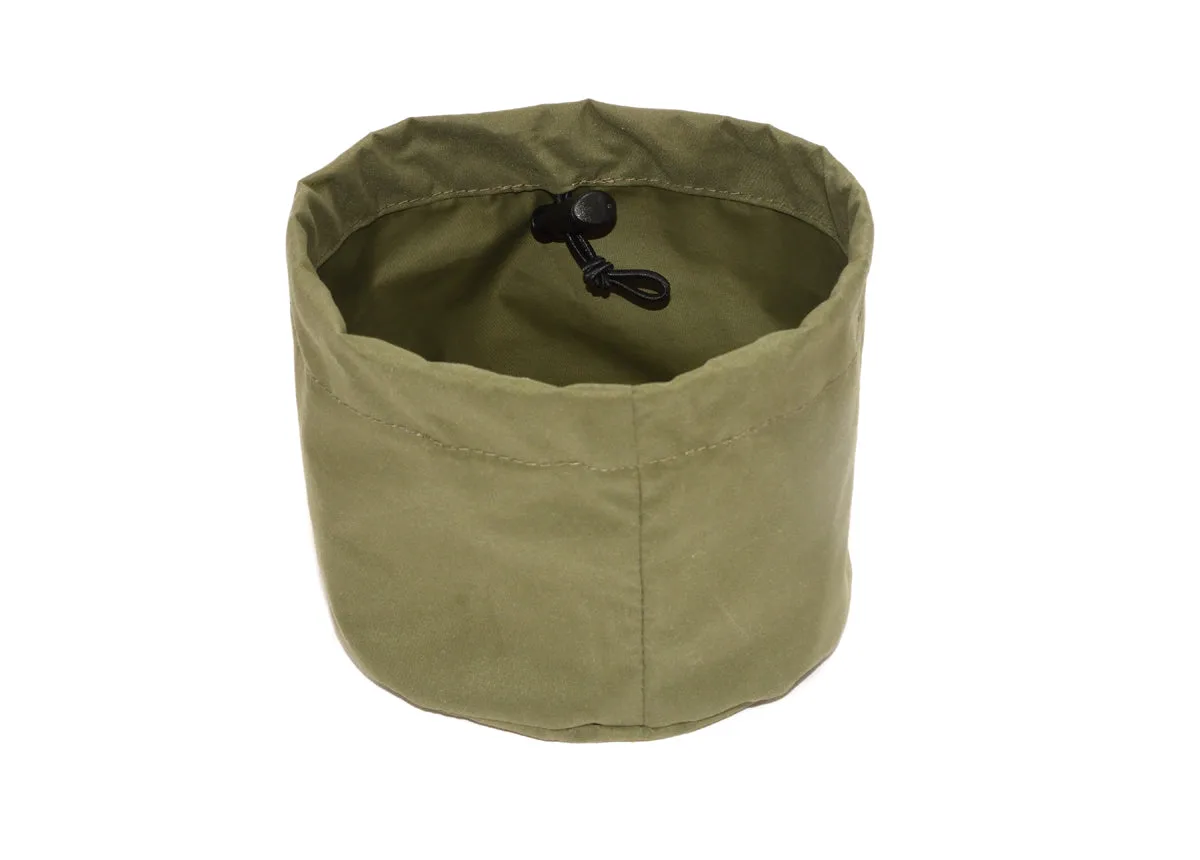
- C81 End of camera lens cover/cap - Single Layer: C81 End of camera lens cover/cap - Single Layer is a lightweight elastic end cap in waterproof matt olive green ATP or black, designed to protect the end of long lenses when the hood is in place and ready to shoot. It covers the gap a hood cover leaves open, so you can keep the hood fitted and still shield the front element from dust, spray, and weather.
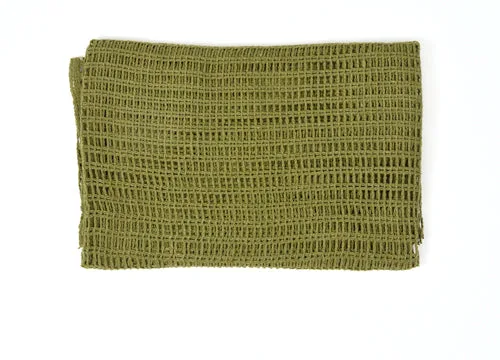
- B14 Scrim Scarf/Net: B14 Scrim Scarf/Net is a 100% cotton army green scrim net measuring 1m x 1.10m, intended for camouflaging yourself or your camera equipment and usable as a car side-window screen. It gives you a soft, packable way to break up the shape of a covered lens or hide yourself without adding bulk to the kit.