Quick answer
For chilly but not freezing rides, neoprene toe covers offer a lightweight, low-bulk solution that protects your toes without overheating. For sustained cold or wet conditions, full shoe covers provide more coverage and insulation, making them the better choice for serious winter cycling.
Why toe covers work for cool conditions
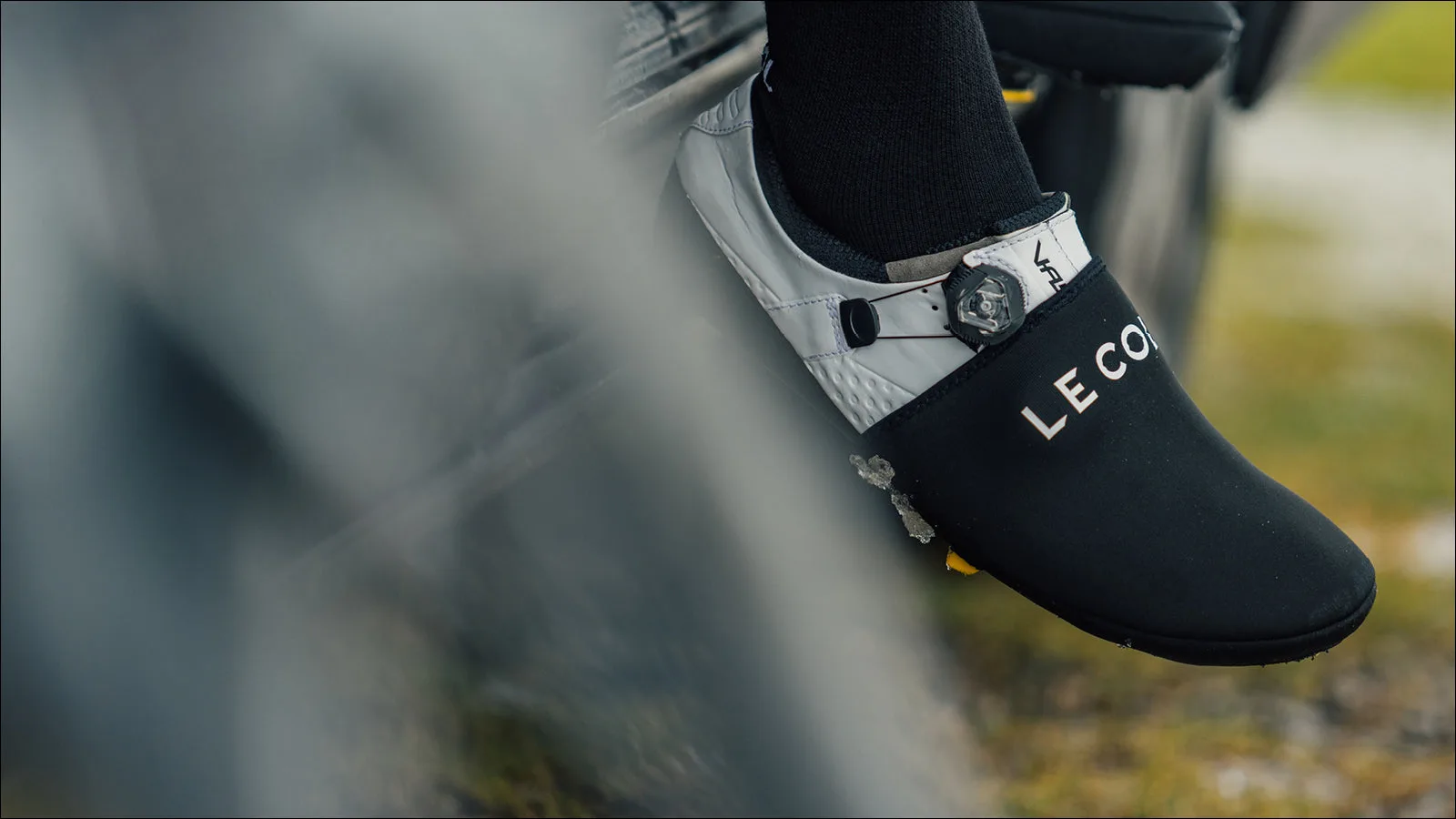
Neoprene toe covers are designed to slip over the front of your road shoes, targeting the area most exposed to wind chill. Their durable, insulating, and waterproof neoprene fabric with a slight stretch makes them easy to pull on and off, and they add minimal bulk to your setup.
Because they cover only the toes, they allow better airflow to the rest of your foot, which helps prevent overheating during higher-intensity efforts or milder days. They also pack small, so you can stash them in a jersey pocket and deploy them if the temperature drops mid-ride.
When full shoe covers are worth the extra coverage
Full shoe covers extend protection over the entire shoe, including the heel and ankle, which is a significant advantage in cold, wet, or windy conditions. They trap more heat and block more wind, making them the go-to for sub-freezing temperatures or long descents where wind chill is severe.
The trade-off is that full covers are bulkier and warmer, which can lead to sweaty feet if you ride hard or the temperature climbs. They also take longer to put on and remove, and they may not fit as easily over larger cycling shoes or those with unusual cleat placements.
Cleat compatibility and fit considerations
Neoprene toe covers rely on the cleats on SPD-SL road shoes to keep them securely in place mile after mile. This means they are ideal for road setups with exposed cleats, but they may not stay as secure on mountain bike shoes with recessed cleats.
Full shoe covers typically have a cutout for the cleat, but the fit varies by brand and model. If you have wide feet or use shoes with unique shapes, check the sizing chart and read reviews to ensure a snug but not restrictive fit.
Trade-offs at a glance
- Neoprene toe covers: Lightweight, easy to pack, and quick to put on. They protect the toes and a bit of the upper foot, but leave the heel and ankle exposed. Best for temperatures around 40-55°F (4-13°C) or for riders who run warm.
- Full shoe covers: Provide complete coverage from toes to ankle, with better insulation and wind protection. They are warmer and more effective in cold, wet, or windy conditions, but they add bulk and can cause overheating in milder weather.
- Decision rule: Choose toe covers if you prioritize breathability and convenience for cool, dry rides. Choose full shoe covers if you face sustained cold, wet, or windy conditions and need maximum insulation. If you're unsure, start with toe covers and upgrade to full covers when you encounter freezing temperatures or heavy rain.
Product spotlight
-
Neoprene Toe Cover: The Neoprene Toe Covers are engineered from a durable, insulating and waterproof neoprene fabric with a slight stretch, and they’re easy to pull on over the front of your shoe. This makes them a practical, low-bulk option for cool rides where you need quick toe protection without the hassle of full shoe covers.
Neoprene Toe Cover
Who should choose which?
Best for
- Riders who ride in cool but not freezing conditions and want minimal bulk
- Cyclists who pack light and want a stashable winter cycling accessory
Not for
- Riders who regularly face sub-freezing temperatures or heavy rain, where full shoe covers provide essential insulation and protection