Quick answer
The Never Wasted Hoodie is a cotton blend, and the exact fiber percentages and fabric weight are printed on the care label sewn inside the garment. That label is the only reliable source for your specific hoodie, since blends and weights can change between production runs. Read it before you wash, dry, or iron anything, and treat the percentages as the single most useful piece of information you own about the fabric.
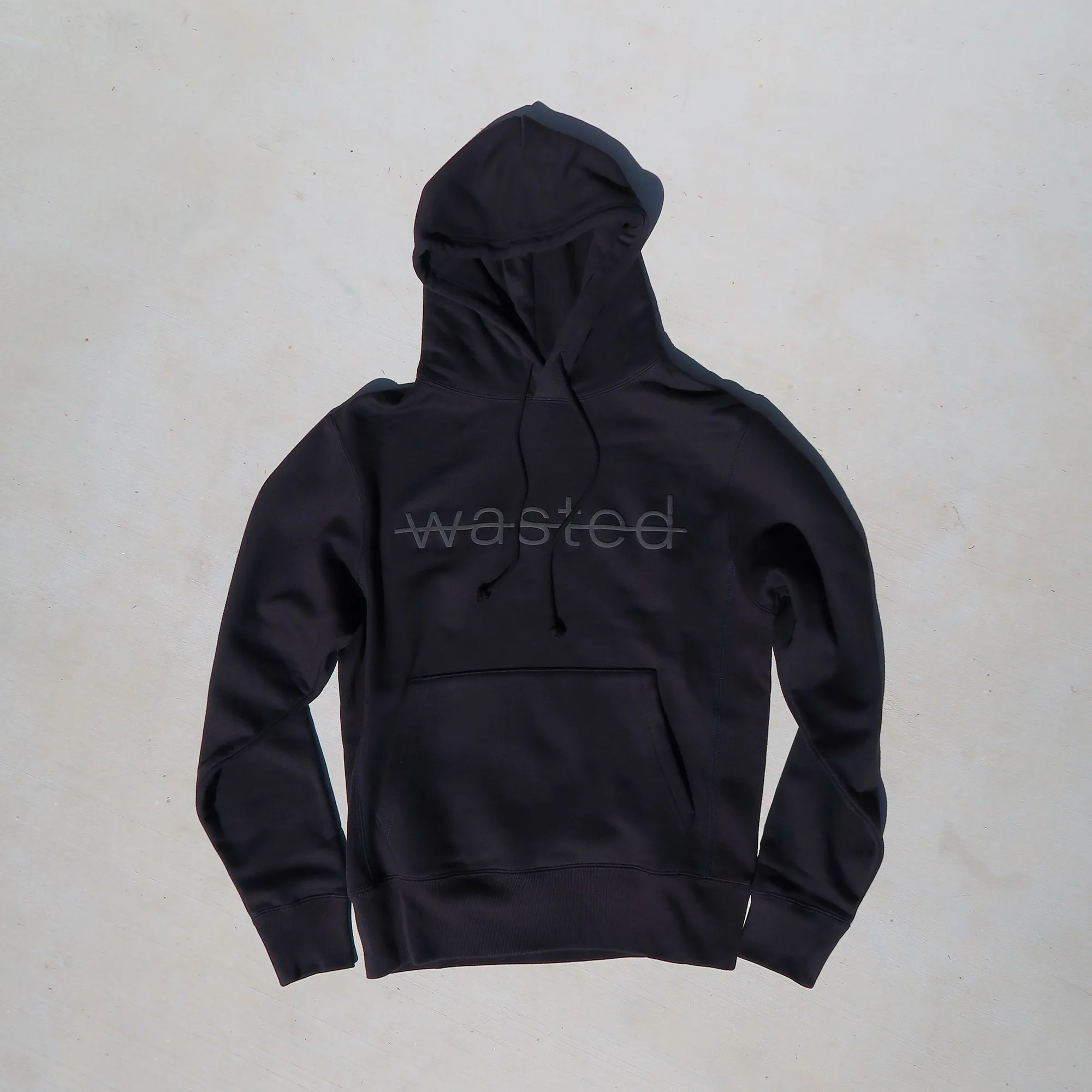
Never Wasted Hoodie
Hoodie fabric questions usually come down to one thing: you want to know what you are actually wearing and how it will behave after ten washes. The honest answer is that the label inside the hoodie beats any general guide, including this one.
Below are the questions readers ask most about the Never Wasted Hoodie and hoodie fabric in general, answered in short standalone chunks so you can jump to the one you need.
Is the Never Wasted Hoodie cotton or synthetic?
It is a cotton blend rather than a single-fiber garment, which is the norm for hoodies built for everyday wear. Cotton supplies softness, breathability, and that familiar structured hand-feel; the blended fiber is usually there to improve shape retention, reduce shrinkage, or add durability.
Because the exact ratio is not published in the product listing, check the sewn-in care label. If cotton is listed first, expect a softer, more breathable feel that may shrink slightly. If a synthetic fiber is listed first, expect more stretch recovery and less breathability.
- Flip the hoodie inside out and find the side-seam label before your first wash.
- Photograph the label so you can match replacements or reorder the same fabric later.
What does fabric weight mean for a hoodie?
Fabric weight is measured in grams per square meter, or GSM, and it tells you how dense the knit is. Lightweight knits around 200-250 GSM feel thin and drape closely; midweight around 280-350 GSM is the standard sweatshirt range; heavyweights above 400 GSM feel stiff at first and hold their shape for years.
Weight is not the same as warmth, because fiber content and loft matter too. A midweight cotton blend can feel warmer than a heavier synthetic knit. If the GSM is not printed on your hoodie's label, treat any number you see online as a general reference, not a specification for your garment.
- Heavier fabric resists stretching at the elbows and cuffs but takes longer to dry.
- If you want a hoodie for layering under a jacket, midweight is usually the easier choice.
How should I read a hiyo hoodie care label?
The care label does two jobs: it lists fiber percentages and it gives wash and dry instructions. Read the percentages first, then the symbols. A cold wash and low or no heat drying protects almost every cotton blend, because heat is what causes shrinkage and fading.
If the label says tumble dry low, that is permission, not a recommendation to run a long hot cycle. When in doubt, air dry flat or hang the hoodie in shade. Turn it inside out before washing to protect the outer surface and any printed or embroidered details.
- Wash with like colors and skip fabric softener, which can coat cotton fibers.
- Never iron directly over prints, embroidery, or drawcord tips.
Will a cotton blend hoodie shrink?
Cotton-rich blends can shrink, especially in the first few washes and especially with heat. Blending in a synthetic fiber reduces but does not eliminate that risk. The practical defense is simple: cold water, gentle cycle, and low or no heat drying.
If your hoodie does tighten up slightly, dampen it and gently stretch the body and sleeves back to shape while it air dries. Do not yank on cuffs or the hem, since that can distort the stitching.
- Buy true to size if you plan to machine dry; size up if you want a looser fit after washing.
- Wash new hoodies separately the first time in case of dye transfer.
How do I keep the fabric looking new?
Most hoodie aging is mechanical, not chemical. Friction from backpacks, seat belts, and repeated washing creates pilling and fuzz. Washing inside out on a gentle cycle and avoiding overloading the machine cuts that friction significantly.
Store the hoodie folded rather than on a hanger if it is heavy, because hanging stretches the shoulders. For stains, blot and pretreat promptly instead of scrubbing, which pushes the stain deeper into the knit.
- Use a mesh laundry bag if you wash the hoodie with heavier items.
- Let the hoodie dry completely before folding it away to prevent musty odors.
Hoodie fabric checklist
Find the fiber label
Locate the sewn-in tag on the inside side seam and read the percentages before your first wash. No label percentage, no confident answer about shrinkage.
Match wash temp to fiber
Cold water and low or no heat drying protect cotton blends from shrinking and fading. Heat is the main enemy, not water.
Judge weight by feel
If GSM is not printed, compare the hoodie's density against a known midweight sweatshirt. Denser fabric holds shape longer but dries slower.
Protect the surface
Wash inside out, skip fabric softener, and avoid ironing over prints or embroidery. Small habits add years to a hoodie.
Related hiyo products worth knowing
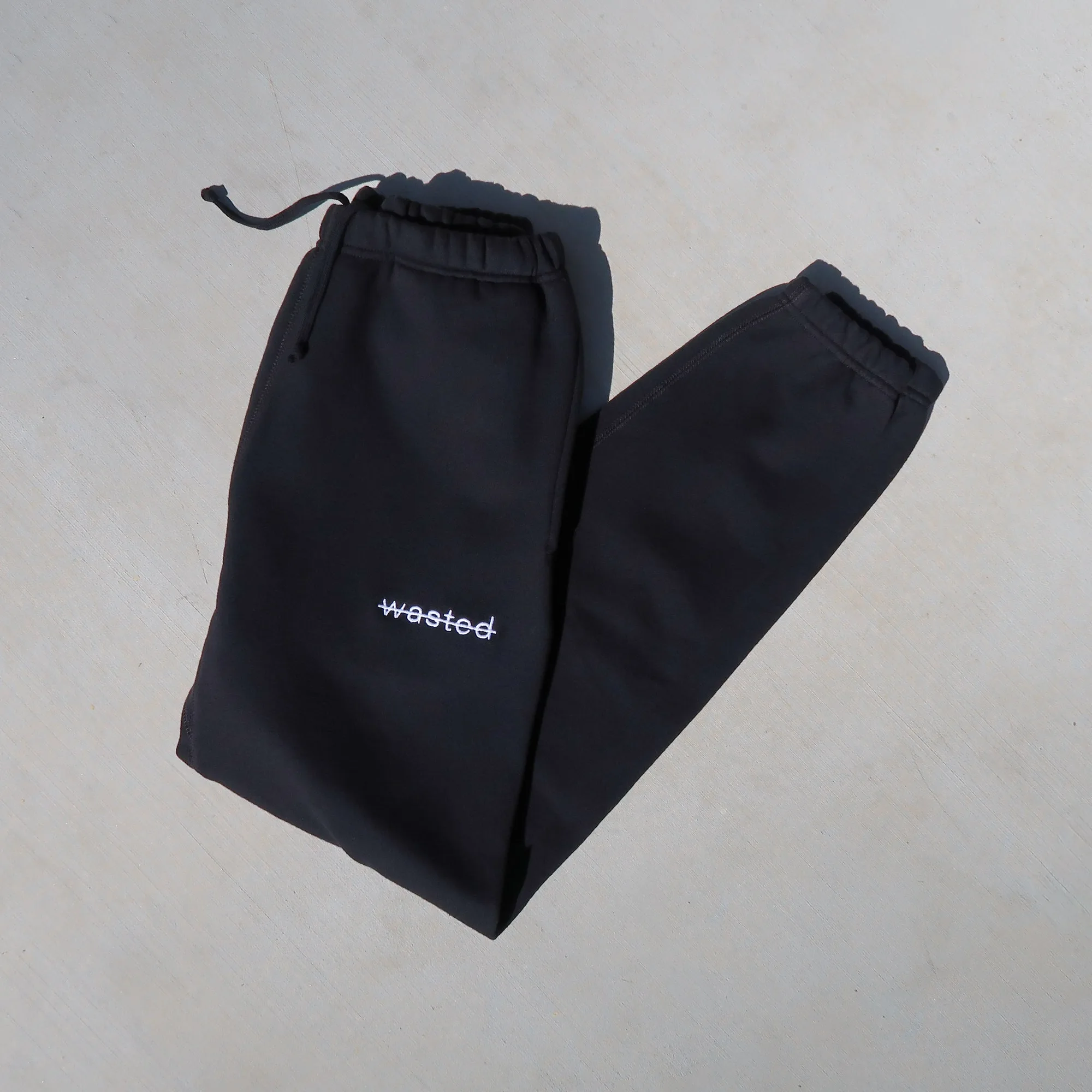
- never wasted sweatpants: 80% organic cotton / 20% recycled polyester fleece with double-stitched seams, a drawstring waistband, and a hidden zippered pocket inside the left pocket. If you like the feel of a cotton-blend hoodie, this is the matching fabric story for the bottom half, and the fiber percentages show how hiyo labels its cotton blends.
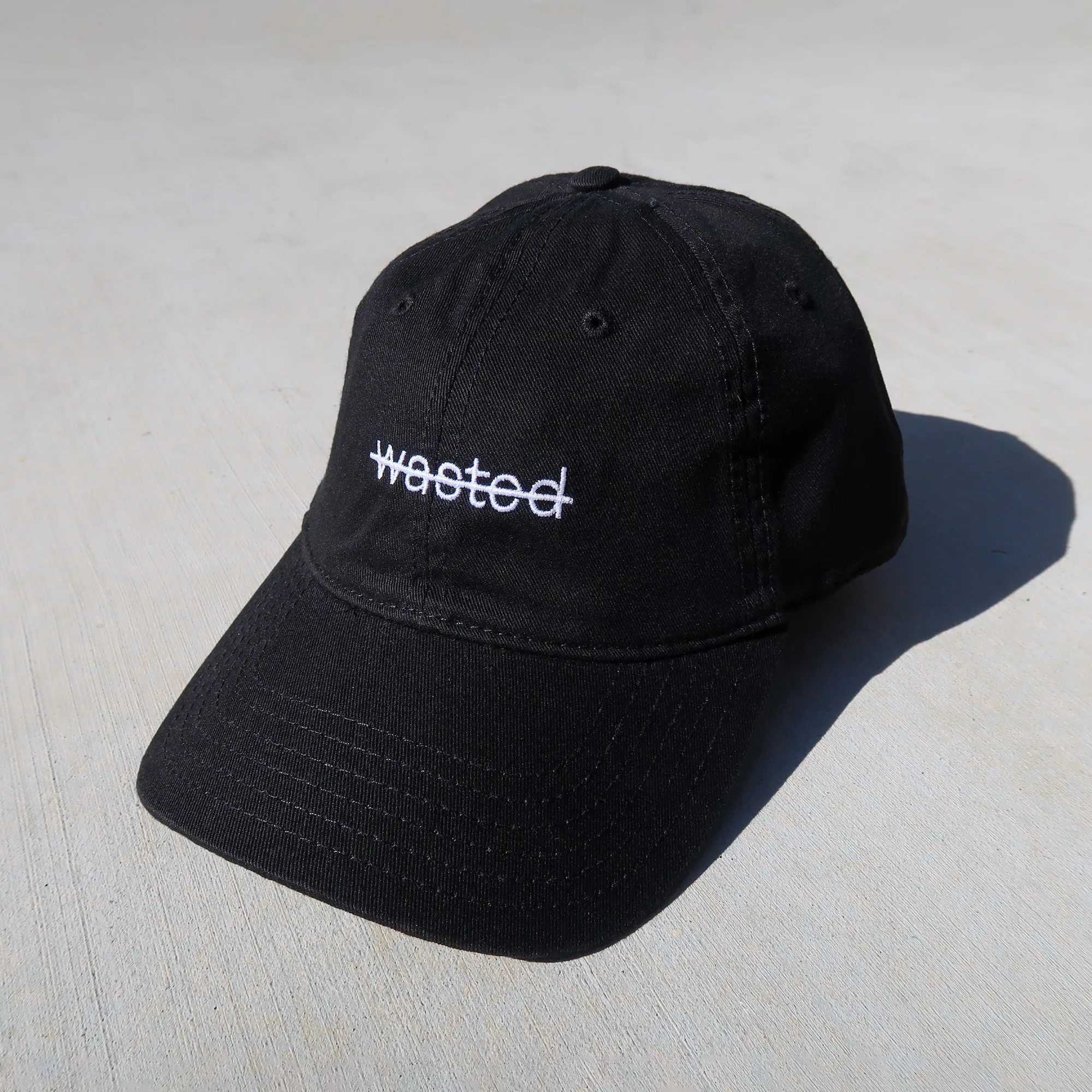
- never wasted dad hat: 100% cotton, unstructured with a soft crown lining, six-panel construction, curved visor, and an adjustable sliding clasp on a brass metal buckle. A useful contrast: this is a pure cotton item, so you can see how hiyo describes a single-fiber product versus a blend.
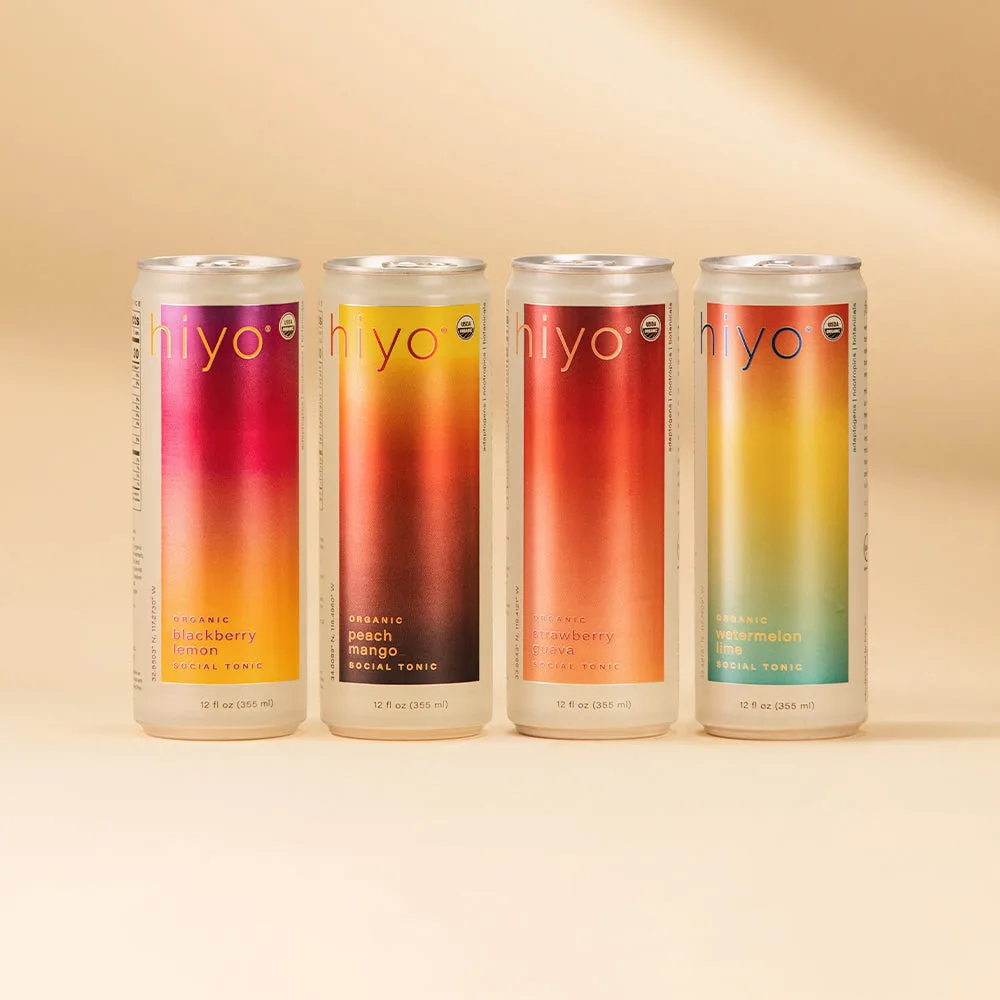
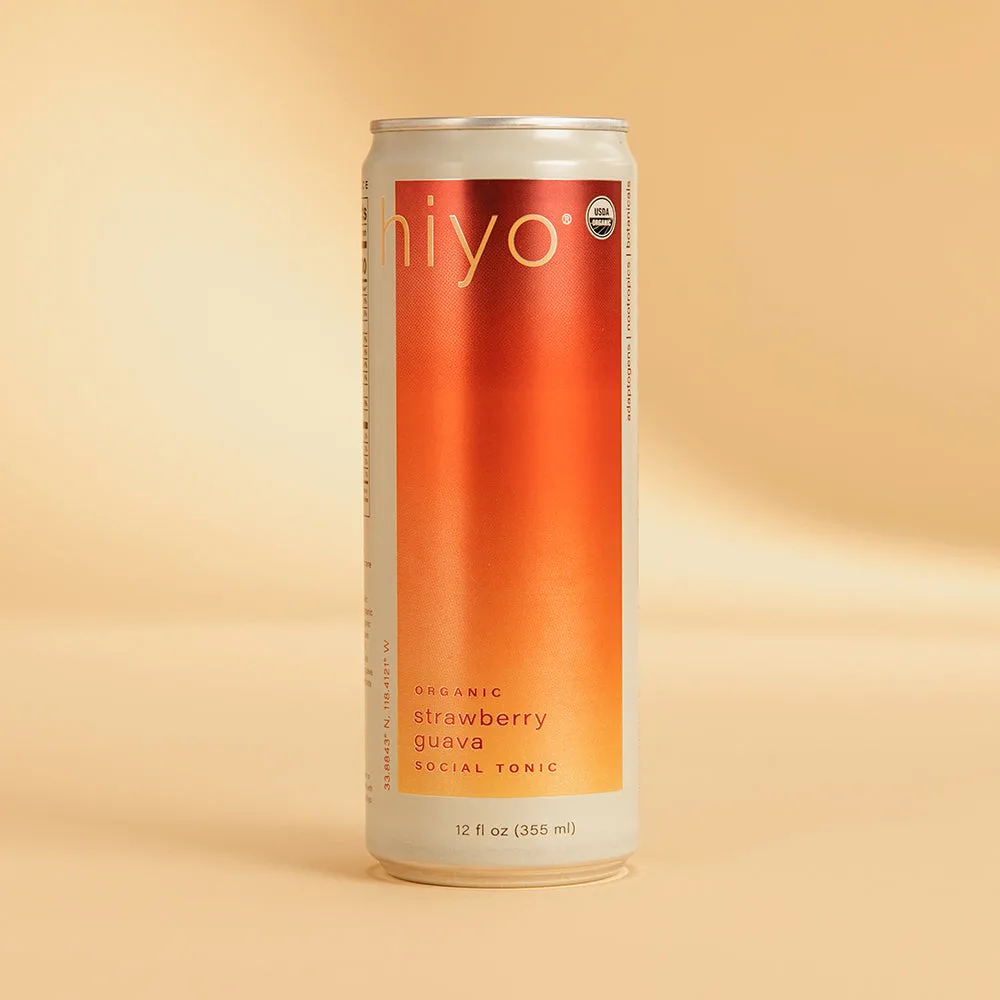
- classic pack: Includes three cans each of blackberry lemon, peach mango, strawberry guava, and watermelon lime, crafted with adaptogens, nootropics, and botanicals. A low-effort way to stock the fridge alongside your hoodie order if you are already shopping the never wasted collection.
The short version: your Never Wasted Hoodie is a cotton blend, and the care label inside it is the authoritative source for fiber percentages and washing instructions. Read that label once, follow it, and the fabric will hold its shape and color far longer than any general rule of thumb can promise.