Quick answer
Judge new animal figure releases by sculpt accuracy, paint depth, and whether the species fills a real gap in your collection, not by how loudly the release is promoted. A genuinely useful new toy animal gives you a pose, scale, or species you did not already own. If a release is just a color variant of a mold you have, treat it as optional rather than essential.
New animal figure releases arrive constantly, and the announcements rarely tell you whether a figure is actually worth buying. Most toy figure news focuses on the fact that something launched, not on whether the sculpt is new, the paint is layered, or the species is one collectors have been waiting for.
This FAQ answers the questions readers ask most about new toy animals and animal model releases: how to read a release announcement, how to tell a new mold from a repaint, and which details justify adding a figure to a display, a classroom set, or a child's play bin.
What actually counts as a new animal figure release?
A true new release uses a new mold or a substantially resculpted body. A repaint reuses an existing mold with different colors, and a reissue brings back an older figure unchanged. All three can appear in the same round of toy figure news, so read the product description for words like sculpt, pose, or size rather than relying on the headline.
If the description only mentions color or finish, assume you are looking at a variant. That is not automatically bad, but it changes the decision: a variant is worth buying when the new colorway matches a real subspecies or a habitat you are building.
- Look for a stated new sculpt or pose before treating a release as new.
- Check whether the species is already in your collection before ordering a variant.
Which details separate a good new figure from a rushed one?
Start with the silhouette. A strong animal model reads correctly from across the room: the body proportions, leg placement, and head shape should match the living animal before you look at any paint. Then check paint depth. Hand-painted figures usually show layered shading on the underside and around the face, while rushed releases often use flat color blocks with a single dark wash.
Scale consistency matters too. If a new toy animal is noticeably larger or smaller than the rest of your set, it will look out of place on a shelf even if the sculpt is good. Compare the listed dimensions against figures you already own rather than guessing from photos.
- Judge the silhouette first, then the paint, then the size.
- Flat single-tone paint is the most common shortcut in budget releases.
How do I tell a new mold from a repaint in a product listing?
Compare the pose. Repaints almost always keep the exact same stance, tail angle, and head turn as the original, because the mold has not changed. If you can overlay the new photo on an older figure and the outlines match, it is a repaint.
Second, compare the species name. A listing that shifts from a general name to a specific subspecies usually signals a new paint scheme rather than a new body. That can still be a worthwhile purchase if the subspecies is one you want, but do not expect different anatomy.
- Matching pose plus matching size equals the same mold.
- A subspecies name change is the clearest repaint signal.
Do new releases cost more, and is the premium justified?
New molds carry tooling costs, so the first production run often sits at a higher price than older figures in the same line. That premium is reasonable when the sculpt is genuinely new and the species is one you cannot get elsewhere. It is harder to justify for a repaint, where you are paying for paint rather than new tooling.
A practical approach is to wait for a comparison price if one is listed. Several figures in the current catalog show a catalog price well below a comparison price, which makes an add-on purchase easy to justify even when the figure is not brand new.
- Pay a premium for new tooling, not for a new colorway.
- Compare the catalog price against the comparison price before deciding.
How should I add new figures to an existing collection?
Add by theme rather than by release date. A bird shelf, a savanna group, or a woodland set stays coherent, while a shelf built from whatever launched last month quickly looks random. When a new release arrives, ask which existing group it completes or extends.
Keep a short want list of species you are missing. It stops impulse buys and makes release season easier to navigate, because you already know whether a new toy animal fills a gap or duplicates something you own.
- Group new figures by habitat or theme, not by purchase date.
- Maintain a short list of missing species to filter announcements.
What should parents and teachers check before buying new toy animals?
Check the size first. Small figures are a choking risk for children who still mouth objects, so match the figure to the age and habits of the child rather than to the species. Then check durability: thin legs, tails, and horns are the parts that snap first during play.
For classroom use, favor figures that survive handling and cleaning. A figure with a simple, sturdy stance and painted details that sit in recessed areas will hold up better than one with delicate protruding parts.
- Match figure size to the child, not just to the lesson.
- Thin tails and horns are the most common break points.
Release checklist: five things to verify before you buy
Is the mold new or reused?
Compare the pose and size against figures you already own. Matching outlines mean the same mold with new paint. Buy new molds at full price; treat repaints as optional.
Does the paint have depth?
Look for shading on the underside, face, and leg joints rather than one flat color with a single wash. Flat paint is the fastest way to spot a budget release.
Does the scale fit your set?
Check the listed dimensions against your existing figures so the new piece does not dwarf or disappear beside them. A great sculpt in the wrong scale still looks wrong on the shelf.
Is the species a real gap?
Compare the release against your want list. If you already own the species, the new figure must offer a different pose or subspecies to earn its place. Skip duplicates unless the pose or subspecies is genuinely different.
Is the price justified?
Compare the catalog price with any comparison price shown, and decide whether you are paying for tooling or only for paint. A discounted catalog price makes a variant easy to justify.
Catalog examples that show what to look for
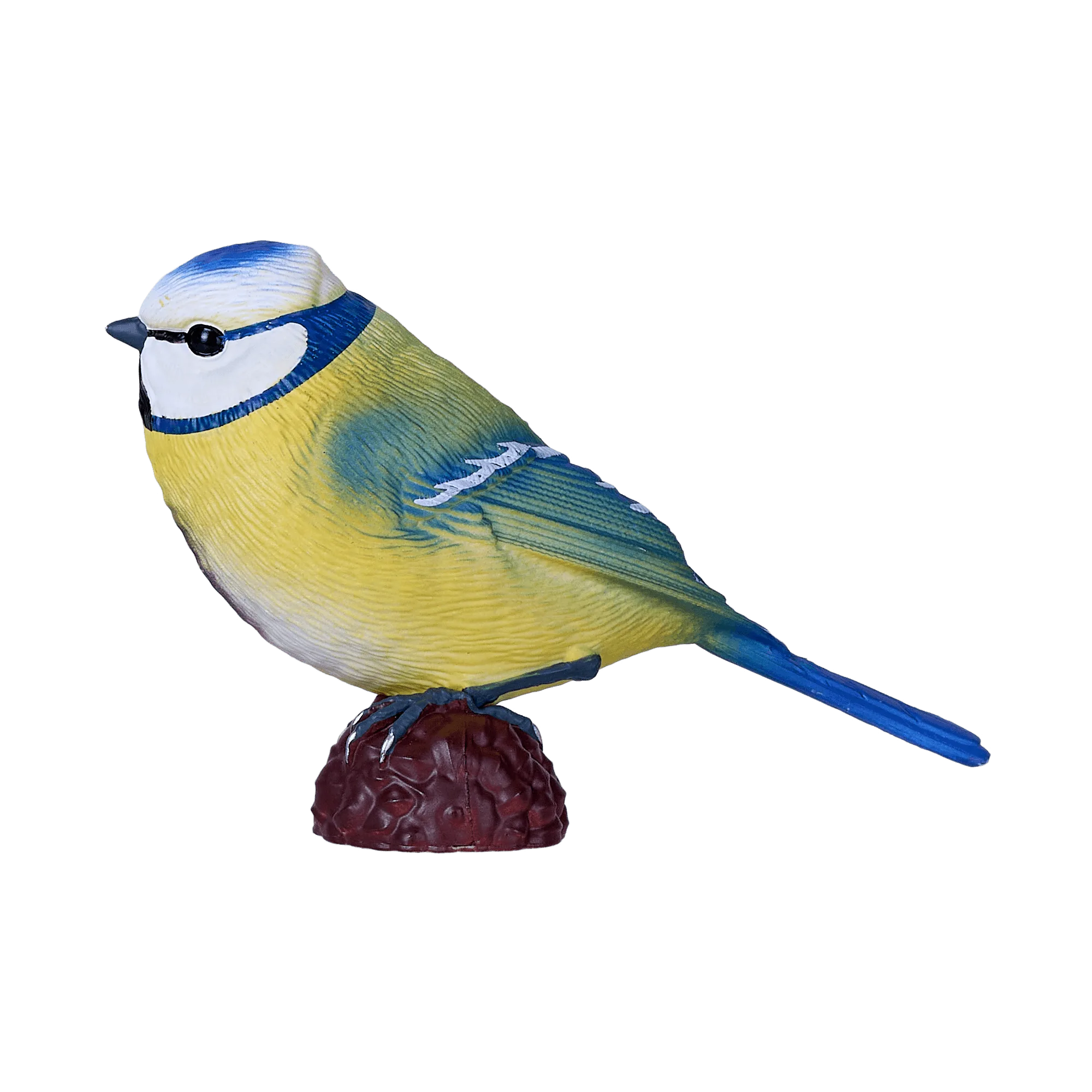
- Blue Tit: This hand-painted Blue Tit model features vivid colors and intricate detailing that make it an educational and delightful addition to any bird-themed display. Layered hand painting is the clearest sign of a sculpt that was finished rather than rushed, so it is a good benchmark when judging other new bird releases.
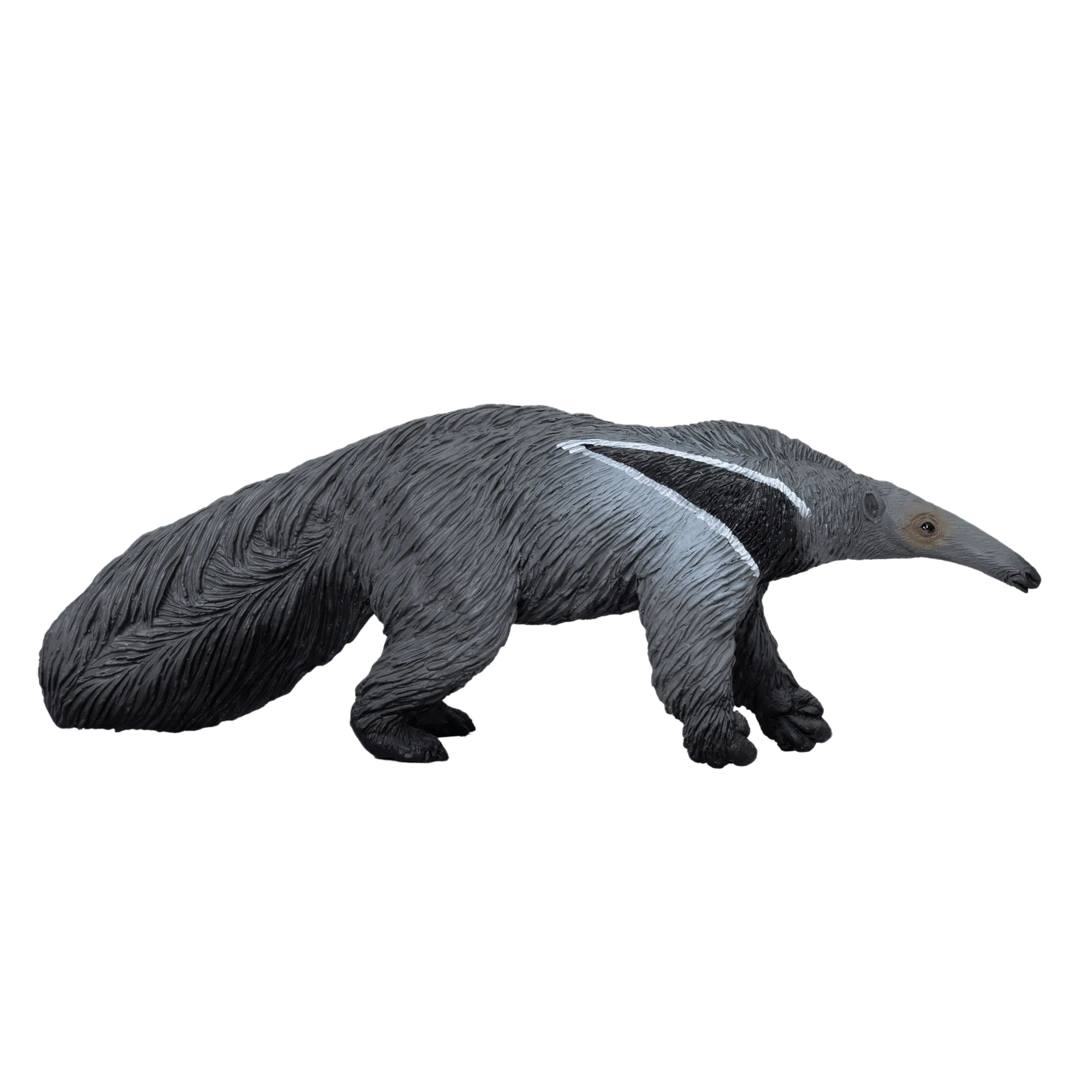
- Giant Anteater: As the largest of all four anteater species, the giant anteater can reach eight feet long from the tip of its snout to the end of its tail, and it is covered in grayish brown fur with white front legs and black stripes running from its chest. A species with a long body and strong markings is a useful test case: if the stripes and proportions read correctly, the mold was taken seriously.
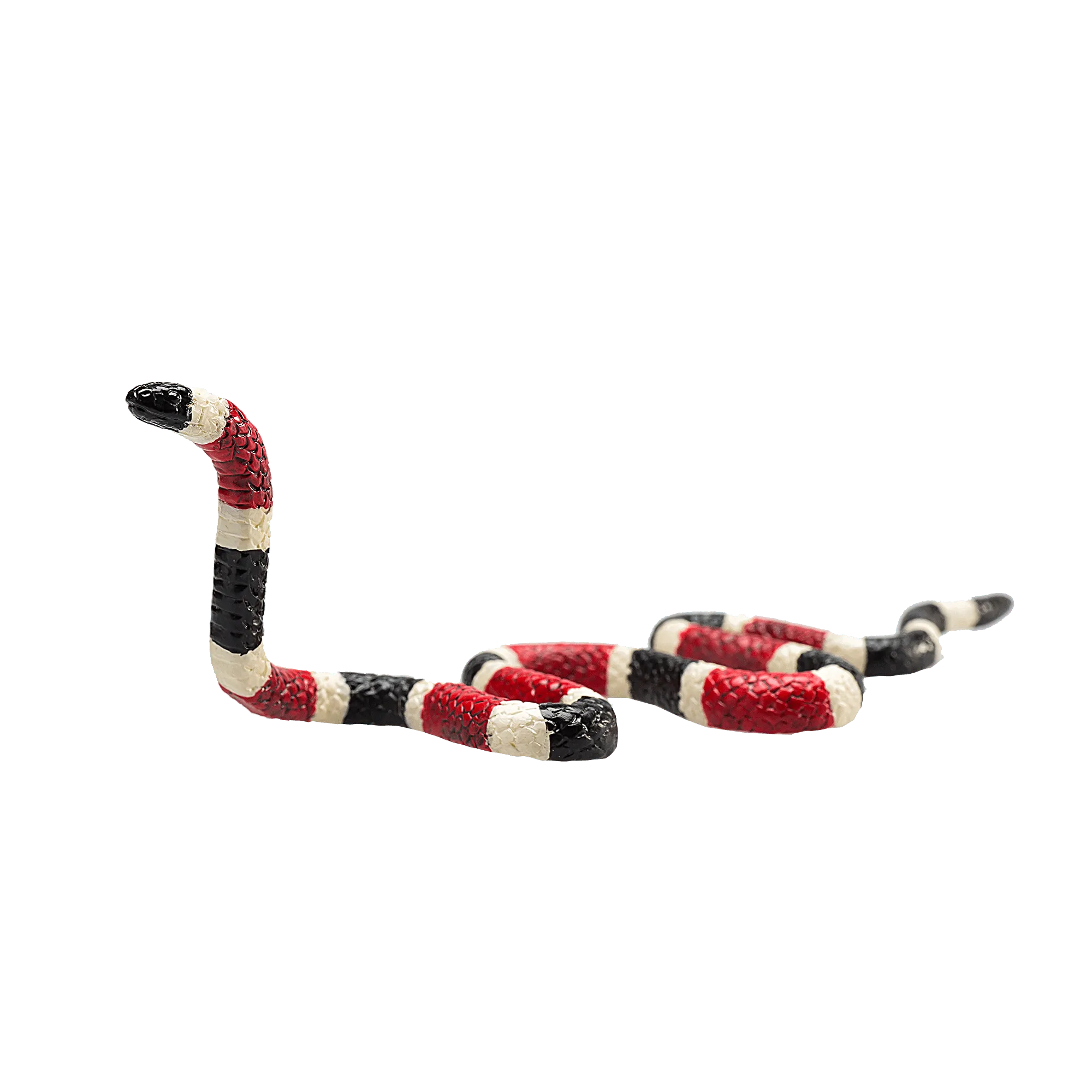
- Coral Snake: Because few non-venomous species look like the coral snake, rhymes such as red on yellow, kill a fellow and red on black, friend of Jack help people distinguish venomous from non-venomous snakes. Band order is the whole point of this figure, so check that the painted rings match the real pattern before buying any snake release.
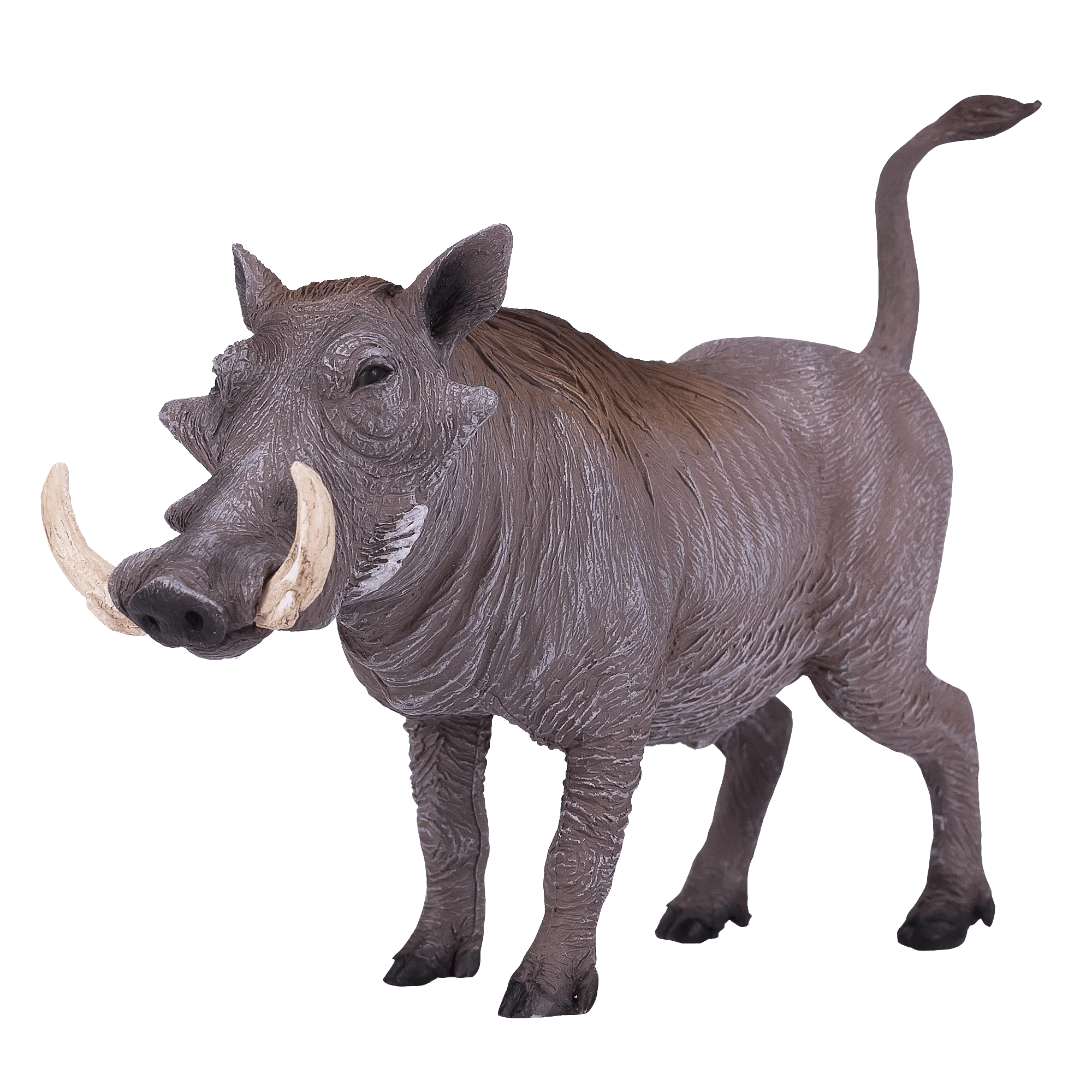
- Warthog: A cute, cool collectible that is described as the perfect addition to a toy figure play collection, providing hours of play. Play-focused figures should be judged on sturdiness and stance, because they will be handled far more than display-only models.
New animal figure releases reward a little patience. Check the mold, the paint depth, the scale, and whether the species fills a real gap, and most announcements become easy yes-or-no decisions rather than impulse buys.