Quick answer
Most new-shoe discomfort comes from friction and pressure, not from the shoes being the wrong size. Address the specific hot spot first: cushion or lubricate a rubbing heel, relieve a tight toe box with stretching or thinner socks, and add blister prevention socks for longer wear. If pain persists after two or three short wear sessions, stop and reassess the fit rather than pushing through.
New shoes rarely feel perfect on day one, but discomfort has different causes and different fixes. A heel that slips needs friction control, while a toe box that pinches needs more room or less volume. Treating every ache the same way is how small hot spots turn into blisters.
This guide separates the symptom from the likely cause and gives you a corrective action for each, plus a clear point to stop and choose another option. You will also find a few products that help with common fit problems without masking a shoe that simply does not fit.
Why new shoes cause discomfort in the first place
New footwear often has stiffer materials and less give than a broken-in pair. Leather, synthetic uppers, and structured heel counters hold their shape until repeated flexing softens them. That stiffness is why the same size can feel fine in an old pair and tight in a new one.
Friction is the other main driver. Any spot where the shoe moves against your skin, especially the heel and the top of the toes, creates heat and rubbing. Moisture makes it worse, which is why new shoes tend to bother you more on warm days or during long walks.
- Wear new shoes for short sessions first, then increase time gradually.
- Rotate new pairs with broken-in ones to give your feet recovery days.
- Keep feet dry; moisture increases friction and softens skin.
Heel rubbing and slipping: symptom, cause, and fix
Symptom: a hot spot or raw patch at the back of the heel, often within the first 20 minutes of walking. Likely cause: the heel counter is stiff and your heel lifts slightly with each step, creating friction. This is common in new structured shoes before they mold to your foot.
Corrective action: first, retie the laces or adjust the strap so your heel stays seated. If slipping continues, add a heel cushion or a thin insert to reduce movement. Blister prevention socks with a smooth, low-friction weave also help. Give it two or three short wears; if the heel still lifts no matter how you adjust, the shoe is likely too long or too wide for your foot.
- Try a heel-lock lacing pattern to hold the heel down.
- Use a blister bandage at the first sign of a hot spot, not after it blisters.
- If the heel slips more than a quarter inch, consider a different size.
Tight toe box and pinching: symptom, cause, and fix
Symptom: pressure on the sides of your toes, tingling, or a cramped feeling even when the length seems right. Likely cause: the toe box is too narrow or too shallow for your foot shape, or the upper material has not stretched yet.
Corrective action: remove the factory insole if it is thick and replace it with a thinner one to gain volume. Wear thinner socks during the break-in period. A shoe stretcher or a visit to a cobbler can add width in specific spots. If your toes still feel compressed after these steps, the shape is wrong for your foot, and sizing up may only make the heel slip.
- Check toe room at the end of the day when feet are largest.
- Avoid wearing thick socks with a tight toe box; it increases pressure.
- Never force a too-narrow shoe; width is harder to change than length.
Blister prevention: what to do before you walk out the door
Prevention is mostly about managing friction and moisture. Choose socks made for blister prevention, which typically have a smooth exterior and moisture-wicking fibers. Apply a thin layer of petroleum jelly or an anti-chafe balm to known hot spots before you put shoes on.
For longer wear, carry blister bandages and swap socks if your feet get damp. If you are breaking in shoes comfortably, keep sessions short and build up gradually. A shoe that rubs in the same spot every time is not breaking in; it is telling you the fit is off.
- Wear moisture-wicking socks instead of cotton for long walks.
- Use blister bandages on hot spots before they become open sores.
- Give new shoes a day of rest between wears.
When to stop and choose another option
Stop wearing the shoes if you feel sharp pain, numbness, or a burning sensation that does not fade within a few minutes of removing them. These are signs of nerve pressure or a fit problem that breaking in will not fix. Persistent heel slip, pinching that leaves marks, or toes that overlap are also reasons to return or exchange.
If you have a medical condition like diabetes or poor circulation, do not try to push through new-shoe discomfort. Consult a podiatrist or footwear specialist. For everyone else, the rule is simple: two or three short wears should show improvement. If the shoes feel worse each time, they are the wrong fit, not a project.
- Return or exchange before you wear them outdoors if possible.
- Do not use inserts to fix a shoe that is fundamentally the wrong size.
- Trust pain as a signal, not a challenge.
Diagnosis: match your symptom to the fix
- Heel slipping or rubbing: Stiff heel counter plus a slight lift with each step. Retie laces, add a heel cushion or thin insert, and wear blister prevention socks. If the heel still slips after two short wears, the shoe is likely too long or too wide.
- Tight toe box or pinching: Toe box too narrow or shallow for your foot shape. Try thinner socks, remove the factory insole, or use a shoe stretcher. If toes still feel compressed, the shape is wrong; do not size up if it causes heel slip.
- General hot spots and friction: Moisture and movement against skin. Apply anti-chafe balm, keep feet dry, and use blister bandages at the first sign of rubbing. If hot spots return in the same spot every wear, stop and reassess the fit.
Products that help with common fit problems
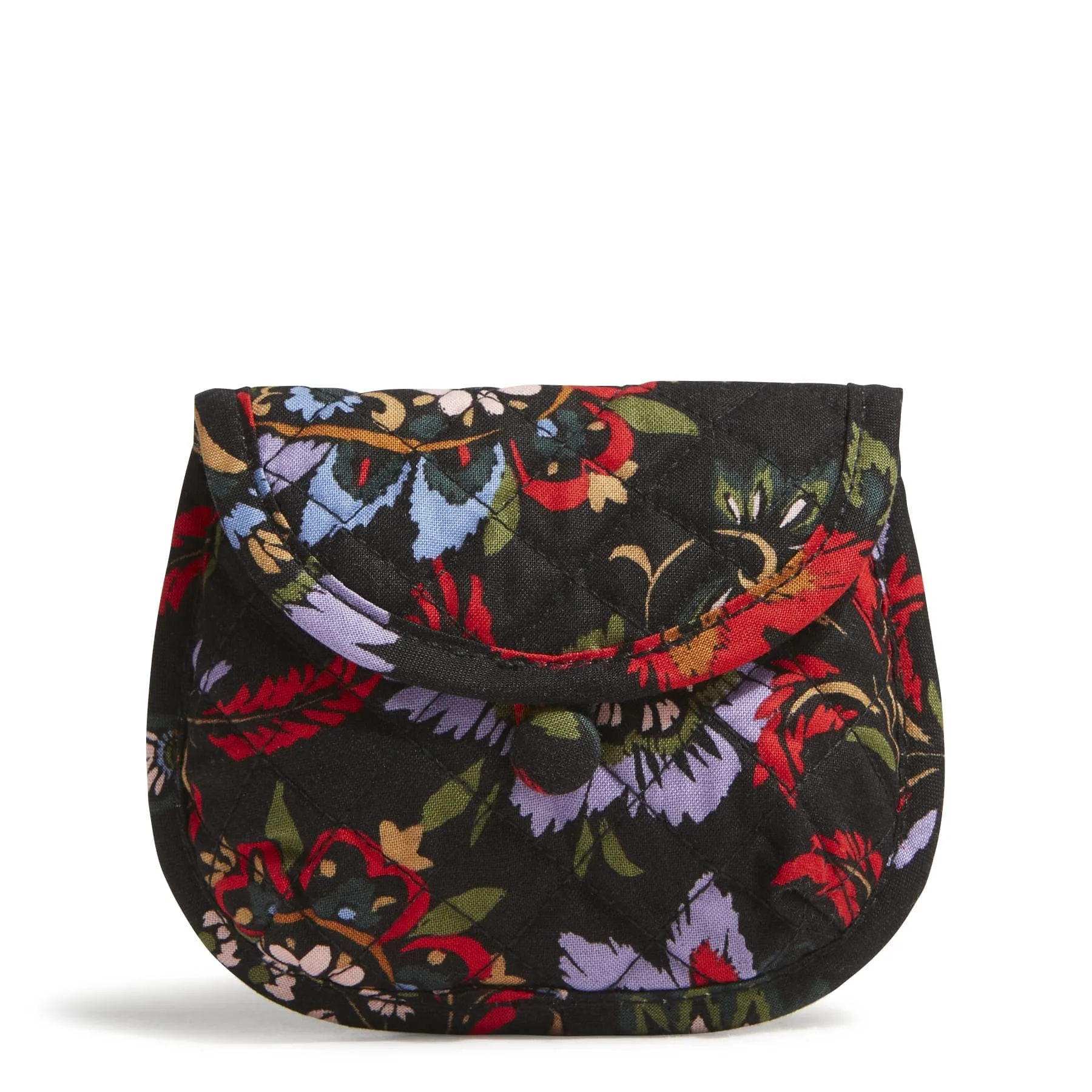
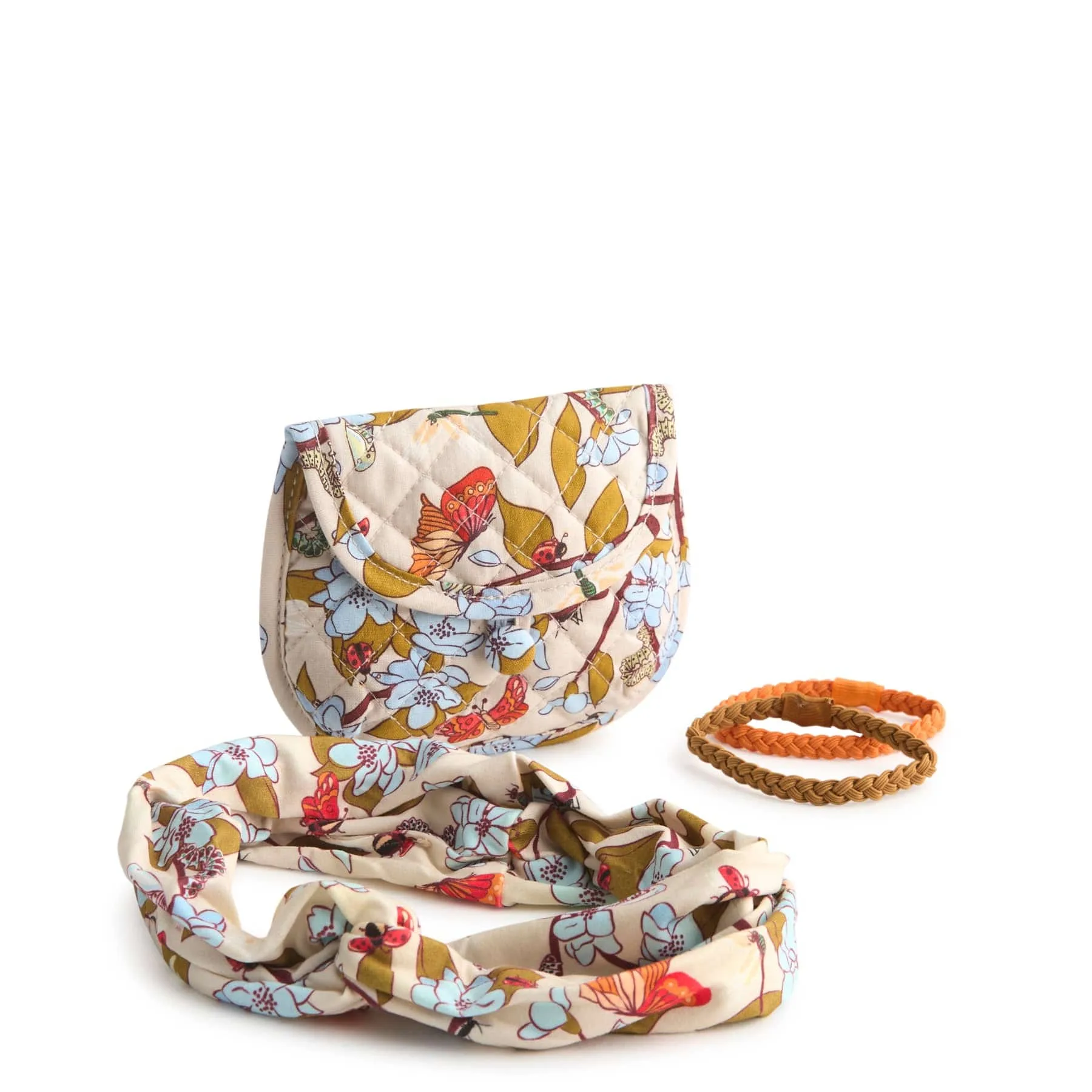
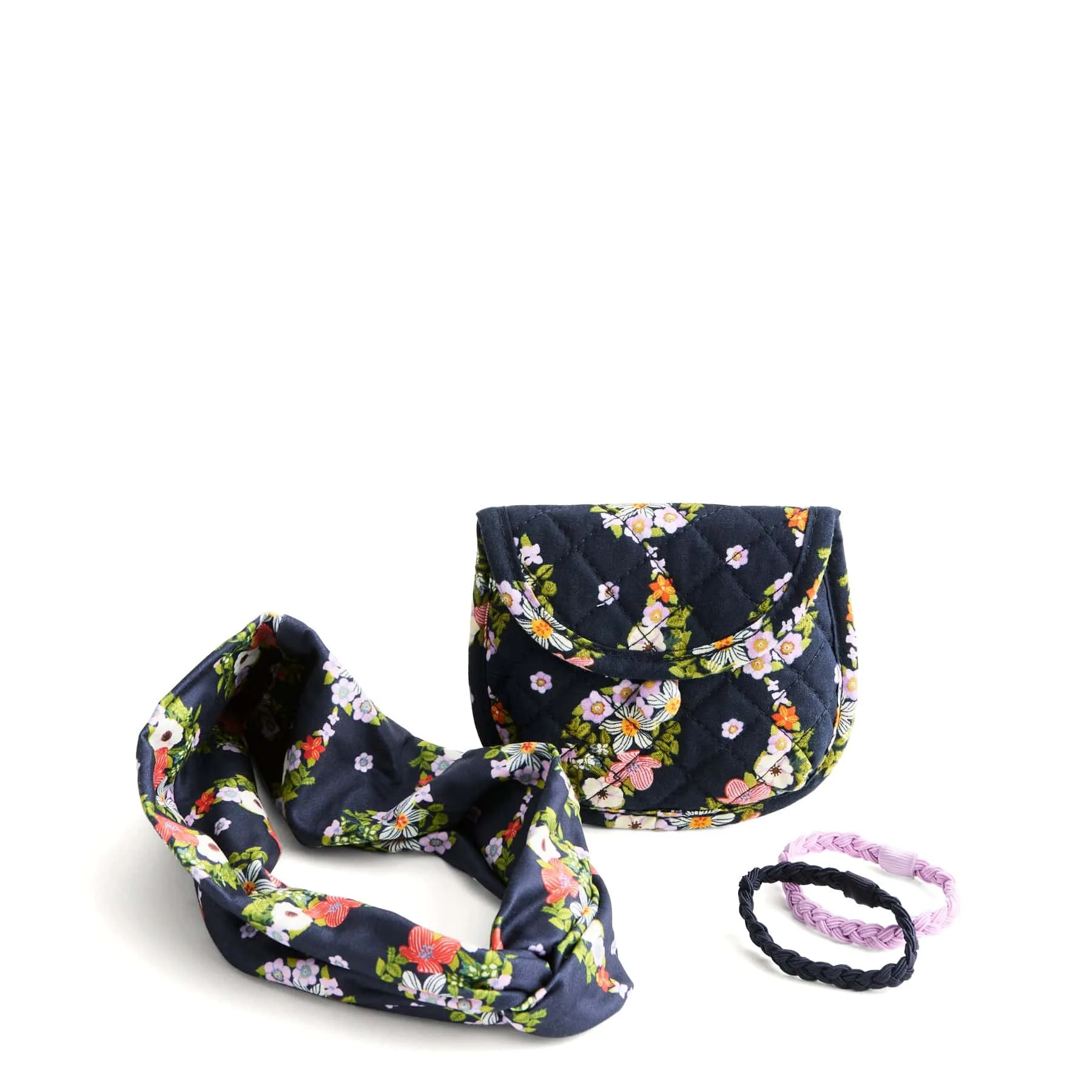
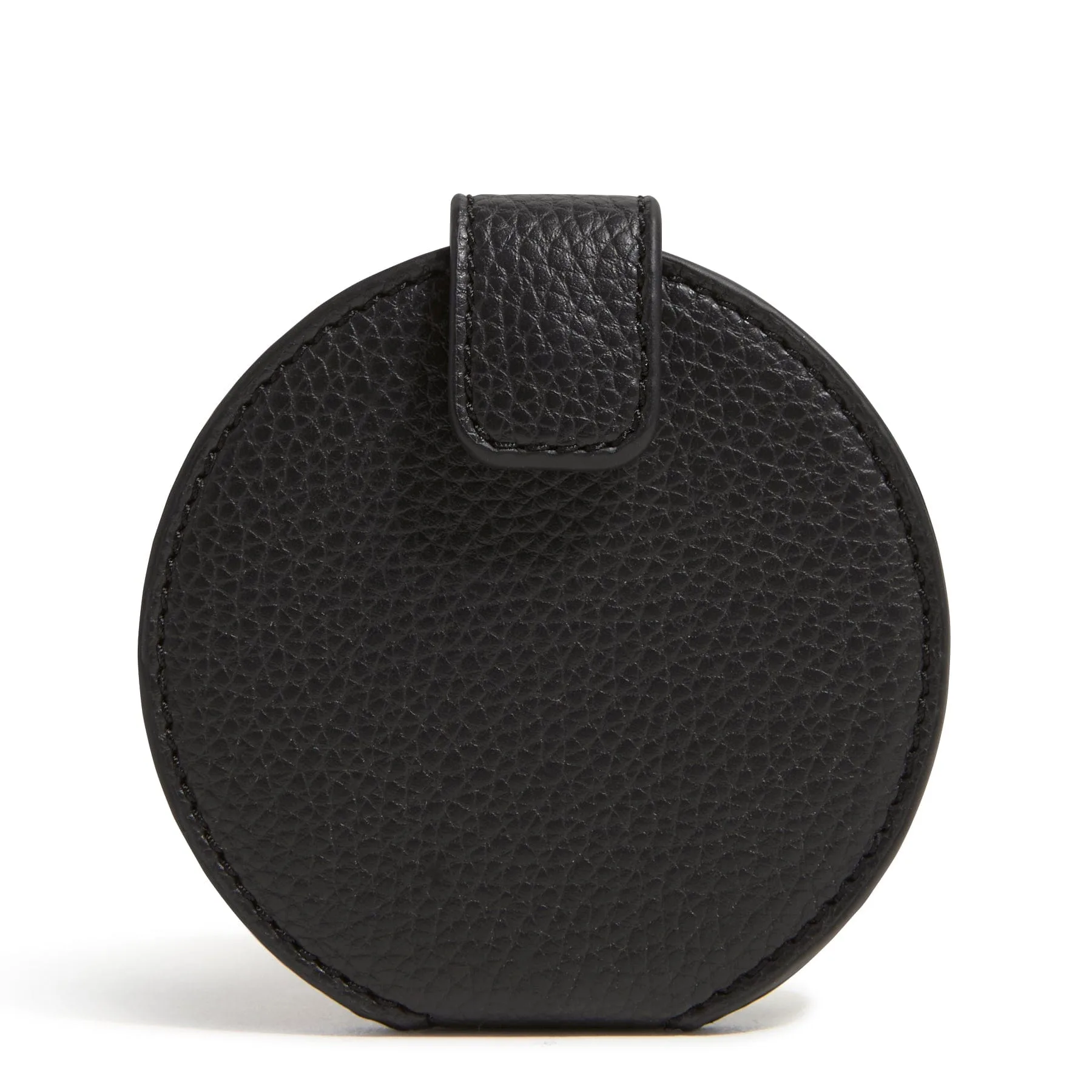
- https://verabradleyoutletex.com/products/outlet-hair-accessories-kit-5068020891-95a31c13ce4bb4dcf862922b-1640178https://verabradleyoutletex.com/products/outlet-hair-accessories-kit-5068022609-63efc7a15e2aa90825bc473f-1640179https://verabradleyoutletex.com/products/factory-style-hair-accessories-kit-2818915566-dd0e30f102bb6403382f2f2f-1640184https://verabradleyoutletex.com/products/hair-accessories-kit-5068020344-ed9f4d33fd5c0b0d99c9dfab-1640185Outlet Hair Accessories Kit: Includes one headband, one scrunchie and one spiral hair tie in a zip-close cotton case, dimensions 4.0" w x 6.5" h x 2.0" d. A small zip case like this is handy for carrying blister bandages, a travel-size anti-chafe balm, and a spare pair of thin socks so you can address hot spots before they become blisters.
- Outlet Small Essential Tab Wallet: Interior features an ID window, five card slip pockets and a bill slip pocket; faux leather; dimensions 4.25" w x 3.75" h; weight 0.18 lb. If you are breaking in new shoes on errands or short trips, a compact wallet keeps your essentials light and organized so you are not adding extra weight or bulk that changes how your shoes fit and feel.
New footwear discomfort is usually solvable when you match the symptom to the cause. Fix friction at the heel, relieve pressure in the toe box, and prevent blisters with the right socks and balm. If short wears do not improve the fit, return the shoes and try a different size or shape. Your feet should not have to suffer for style.