Quick answer
Start with the clinical skill you need to build, not the toy. If you run social-emotional groups for teens, a structured game set covers multiple topics at once; for younger children, a single resilience-focused board game gives you 90 question cards and hands-on stress tools in one box. Add a low-cost Spanish-language library when you serve bilingual families, and treat pretend-play tools as optional enrichment rather than core supplies.
What actually counts as new for 2026
New play therapy toys in 2026 are less about gimmicks and more about packaging existing therapeutic mechanics into formats that save session time. The most useful releases group several topics into one kit or pair a game board with physical calming tools, so you spend less time switching materials mid-session.
Before buying, check whether the item names a target age range and a maximum player count. Those two details determine whether a game fits your group room or only one-to-one work, and they are the fastest way to filter a long supply list.
Match the format to your session structure
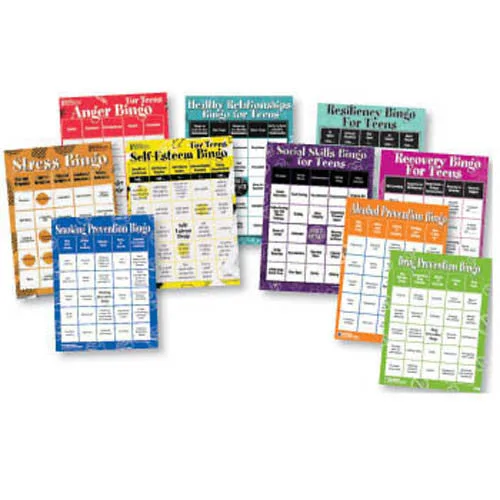
Group sessions reward games with fixed turn structures and enough question cards to fill 30 to 50 minutes. Individual sessions reward open-ended tools that let a child set the pace. A set of topic-specific bingo games fits the first case because each title targets a separate issue, while a resilience board game for ages 8-12 fits the second because it mixes question cards with balls and stress magnets for hands-on regulation practice.
If your caseload mixes ages, buy one format for each age band instead of stretching a single game across everyone. A teen group and an elementary group rarely share the same materials well.
Budget rules that keep your supply closet usable
Price per session matters more than sticker price. A multi-title set costs more up front but replaces several single-topic purchases, which is efficient if you actually run those topics. A single board game under USD 40 is the better first buy when you are testing whether a group will stay on your schedule.
Watch for catalog comparison prices. They show the list value the store is discounting from, not a guarantee that the item will stay at that price, so confirm the current catalog price before you build a purchase order.
Decision rules for buying new play therapy toys
- Rule 1: Buy for the skill, not the theme: Name the skill you need to practice, such as anger coping, disclosure, or social problem-solving, then check whether the game's stated topics match it. The teen bingo set names ten specific issues, so it works when your group curriculum rotates through those topics. If you cannot name the skill, you are not ready to buy.
- Rule 2: Confirm age range and player count first: A game built for ages 8-12 and 4 players will not stretch to a teen group or a one-to-one session without modification. Check both numbers before adding an item to your cart. Wrong player count is the most common wasted purchase.
- Rule 3: Prefer multi-topic sets only if you will use the topics: A 10-game set saves money per topic, but only if those topics appear in your referrals. If you see mostly anxiety and family change, a single resilience game plus a language-matched library may serve more clients per dollar. Count your actual referrals before buying in bulk.
- Rule 4: Separate structured games from pretend-play props: Structured games come with rules, cards, and turn-taking that produce discussion. Pretend-play sets such as a toy tool box support symbolic play but do not structure a session on their own. Budget for structured games first, props second.
Product facts that affect your decision
- Bingo Games for Teens Series Set of 10: Ages 12-18; set of 10 bingo games covering topics from alcohol prevention to building healthy relationships. One purchase covers ten distinct teen discussion topics, which suits therapists running rotating group curricula rather than single-issue sessions.
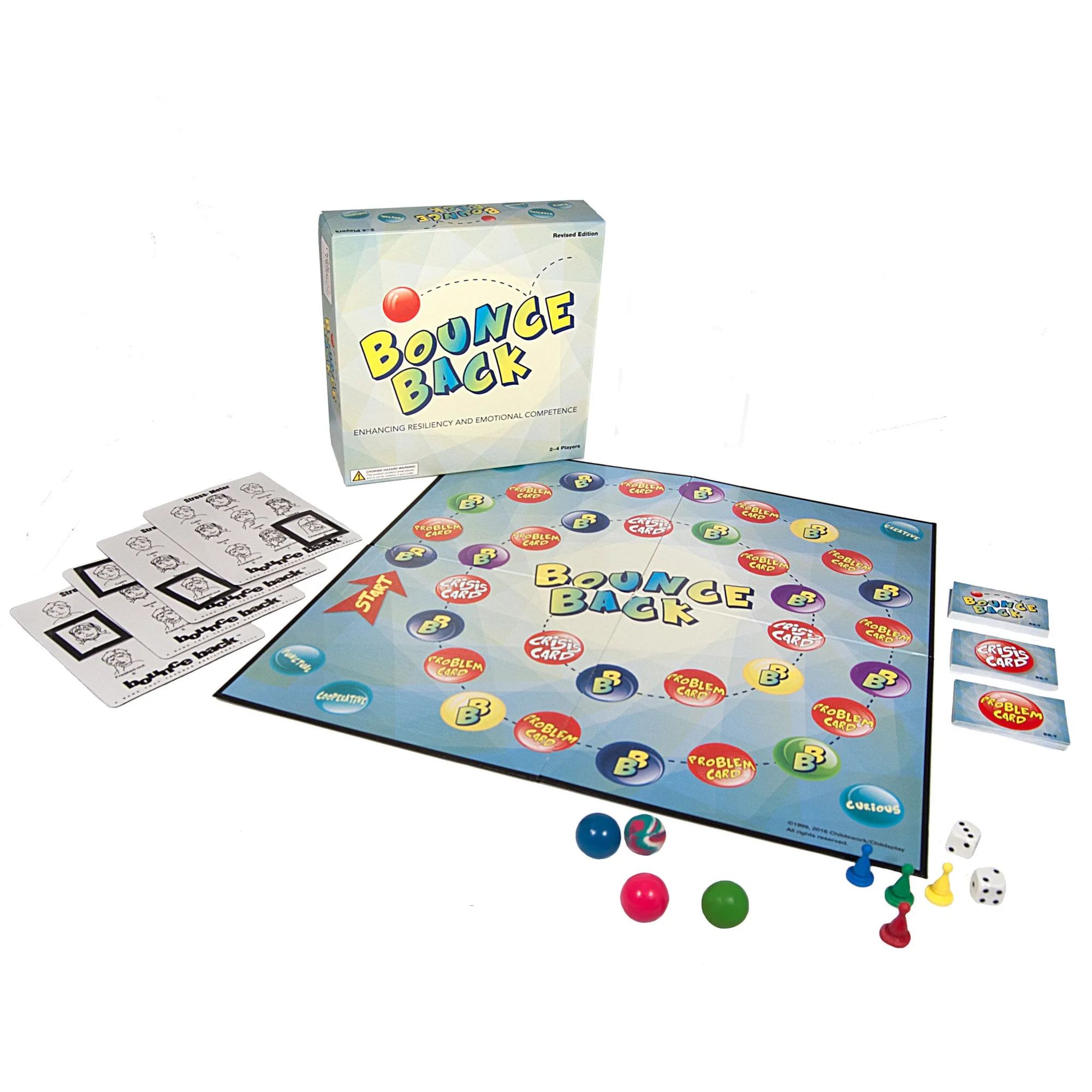
- Bounce Back Board Game: Children's Version - Ages 8-12: Children's version for ages 8-12, for 4 players, includes cards, balls, stress magnets, and 90 question cards. The physical stress tools and question cards support both discussion and regulation practice in one 4-player session.
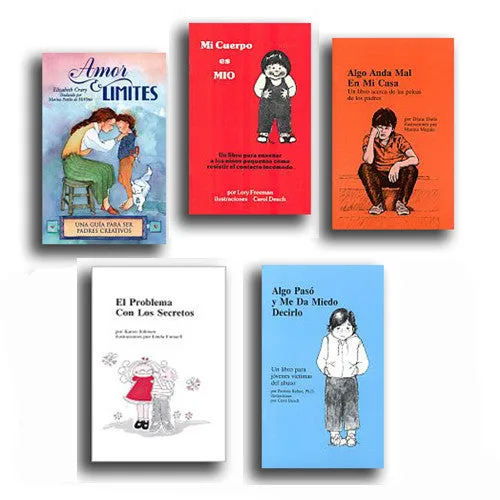
- Spanish Library: Five Titles: Five Spanish-language titles covering body safety, disclosure of frightening events, secrets, household problems, and love and limits. A low-cost way to make sensitive conversations possible with Spanish-speaking families without assembling five separate purchases.
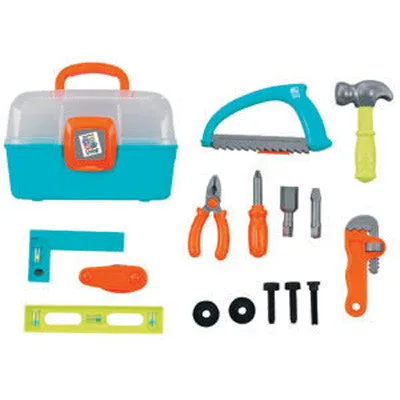
- Handyman's Tool Box: 17-piece pretend tool set with a clear-top tool box, saw, 3-in-1 tool, wrench, screwdriver, pliers, hammer, level, interchangeable heads, bolts, nuts, and a nail; box is 15 wide, 3.5 deep, and 8 high. Useful for role-play and mastery themes, but it is a pretend-play prop rather than a structured therapeutic game, so buy it only if your sessions already use construction play.
Who these new play therapy toys fit
Best for
- Therapists running teen groups who need multiple discussion topics in one purchase
- Clinicians working with children ages 8-12 who want a game that combines questions with hands-on calming tools
- Practitioners serving Spanish-speaking families who need sensitive-topic titles at a low cost
- New therapists building a first supply closet on a limited budget
Not for
- Therapists who only run one-to-one sessions with preschoolers and need open-ended art or sand tray materials
- Buyers looking for a single game that covers every age band and every clinical issue
- Programs that cannot store a multi-game set or keep track of small pieces