Niacinamide, also known as vitamin B3, has become a skincare superstar in recent years. It’s praised for its versatility, working well with almost any skin type and addressing a wide range of concerns. From reducing the appearance of blemishes to calming redness, this ingredient is a true multitasker.
In this guide, we’ll dive deep into the benefits of niacinamide, how it works, and how to incorporate it into your routine for the best results. Whether you’re dealing with acne breakouts or persistent redness, understanding this ingredient can transform your skincare game.
What Is Niacinamide and How Does It Work?
Niacinamide is a form of vitamin B3 that plays a crucial role in cellular energy production and DNA repair. In skincare, it’s known for its ability to strengthen the skin barrier, improve texture, and regulate oil production. Its anti-inflammatory properties make it a go-to for redness and irritation.
When applied topically, niacinamide boosts the production of ceramides and other lipids, which help lock in moisture and keep irritants out. It also inhibits the transfer of pigment to skin cells, which can help fade dark spots. This makes it a well-rounded ingredient for achieving clearer, calmer skin.
- Strengthens the skin barrier, reducing moisture loss and irritation.
- Regulates sebum production, helping to prevent clogged pores.
- Reduces inflammation, which can calm redness and soothe active breakouts.
Niacinamide for Blemishes: How It Clears Acne
Niacinamide is a powerful ally in the fight against blemishes. Its ability to regulate oil production helps prevent the buildup of sebum that can lead to clogged pores and acne. By keeping pores clear, niacinamide reduces the frequency and severity of breakouts.
Additionally, niacinamide has anti-inflammatory properties that can reduce the redness and swelling associated with active pimples. Over time, it also helps fade post-acne marks, making it a valuable addition to any acne-fighting routine. For best results, use a niacinamide serum consistently as part of your daily skincare regimen.
- Apply niacinamide serum after cleansing and before moisturizing for maximum absorption.
- Pair it with salicylic acid for a comprehensive approach to acne, but use them at different times of day to avoid irritation.
- Be patient: it may take 8-12 weeks to see significant improvements in blemishes.
Niacinamide for Redness: Calming Irritation and Inflammation
Redness is often a sign of inflammation, whether from acne, rosacea, or environmental stressors. Niacinamide’s anti-inflammatory properties make it an effective ingredient for calming redness and soothing irritated skin. It helps reduce the production of inflammatory cytokines, which play a role in the redness response.
By strengthening the skin barrier, niacinamide also helps protect against external irritants that can trigger redness. This makes it a great choice for those with sensitive or reactive skin. Regular use can lead to a more even, calmer complexion.
- Look for serums with a concentration between 2% and 5% niacinamide to minimize irritation risk.
- If you have very sensitive skin, start by using niacinamide every other day and gradually increase frequency.
- Combine with hydrating ingredients like hyaluronic acid to maintain moisture balance while calming redness.
How to Incorporate Niacinamide into Your Skincare Routine
Niacinamide is incredibly versatile and can be used in both morning and evening routines. It plays well with most other ingredients, including hyaluronic acid, vitamin C, and retinol. However, it’s best to avoid using it with strong acids at the same time to prevent irritation.
A simple way to add niacinamide to your routine is with a serum. After cleansing and toning, apply a few drops of niacinamide serum and follow with a moisturizer to seal in the benefits. For an extra boost, you can also layer it with a hydrating product like the Pure Hyaluronic Acid Serum By Cosmedica Skincare to enhance its effects.
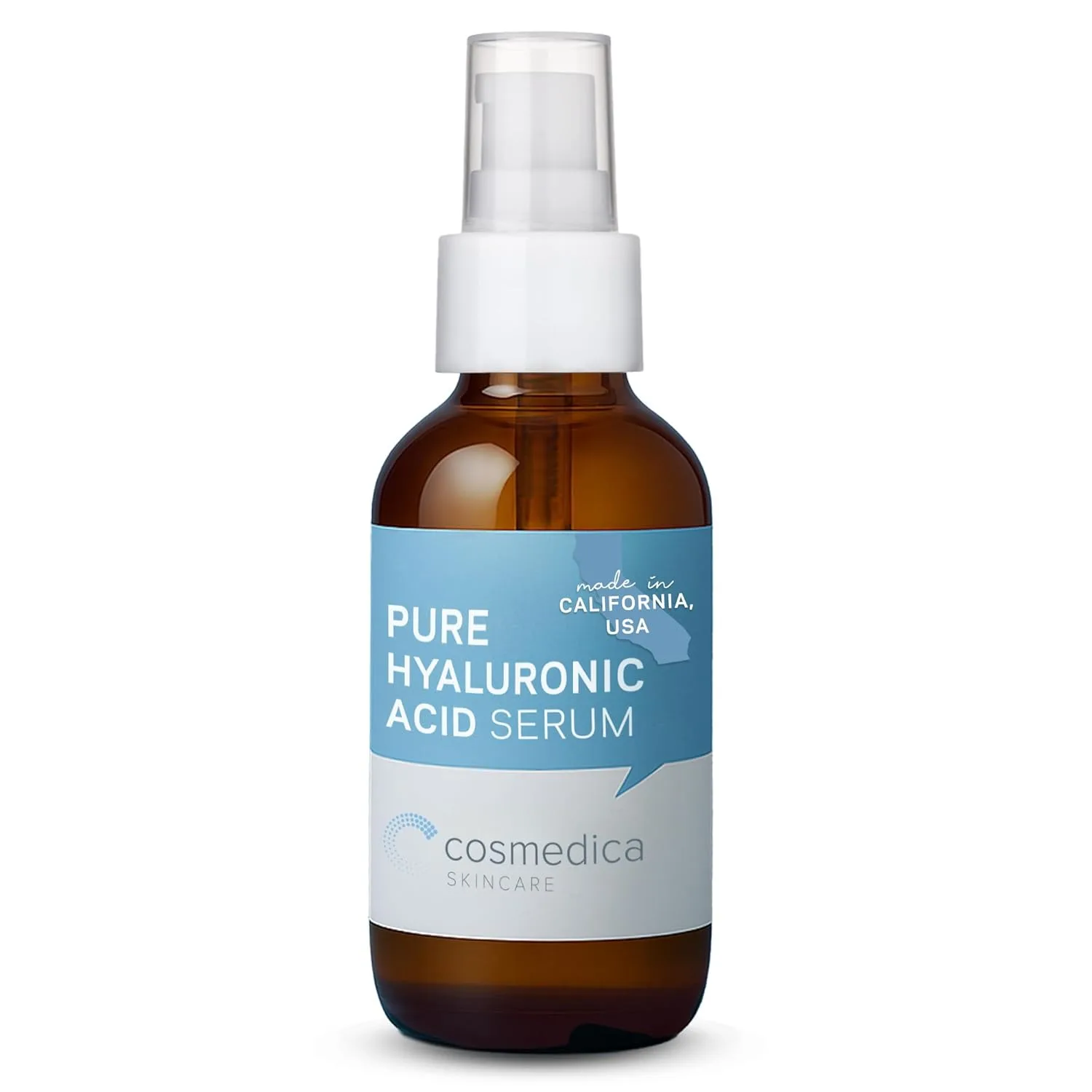
Pure Hyaluronic Acid Serum By Cosmedica Skincare
If you’re new to niacinamide, start with a lower concentration and patch test before applying to your entire face. Over time, you can increase the frequency and concentration as your skin builds tolerance.
- Use niacinamide serum twice daily for best results, unless your skin is sensitive.
- Always apply sunscreen during the day, as niacinamide can make your skin more sensitive to UV rays.
- Consider combining niacinamide with a peptide serum like the Cosmedica Skincare Matrixyl 3000 Peptide Serum with Hyaluronic Acid for anti-aging benefits.
Choosing the Right Niacinamide Product
When selecting a niacinamide product, consider your skin type and concerns. Serums are the most popular form because they deliver a high concentration of the ingredient directly to the skin. Look for products that list niacinamide as one of the first few ingredients to ensure it’s present in a meaningful amount.
For those with dry or dehydrated skin, a niacinamide serum combined with hydrating ingredients like hyaluronic acid can provide both barrier support and moisture. The Hydrating Duo is an excellent choice, as it pairs a niacinamide serum with a gentle moisturizer for a complete hydration boost.
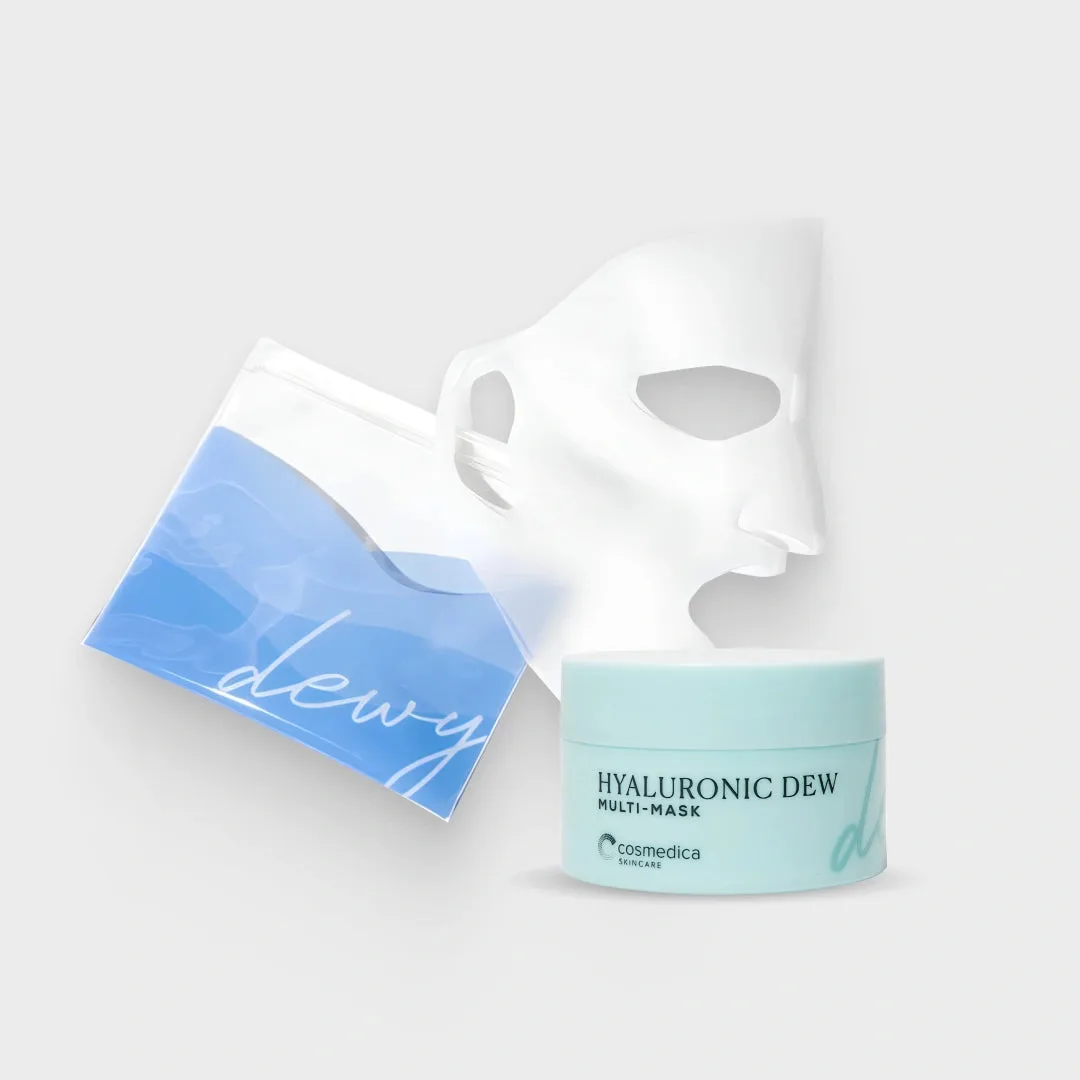
Hydrating Duo
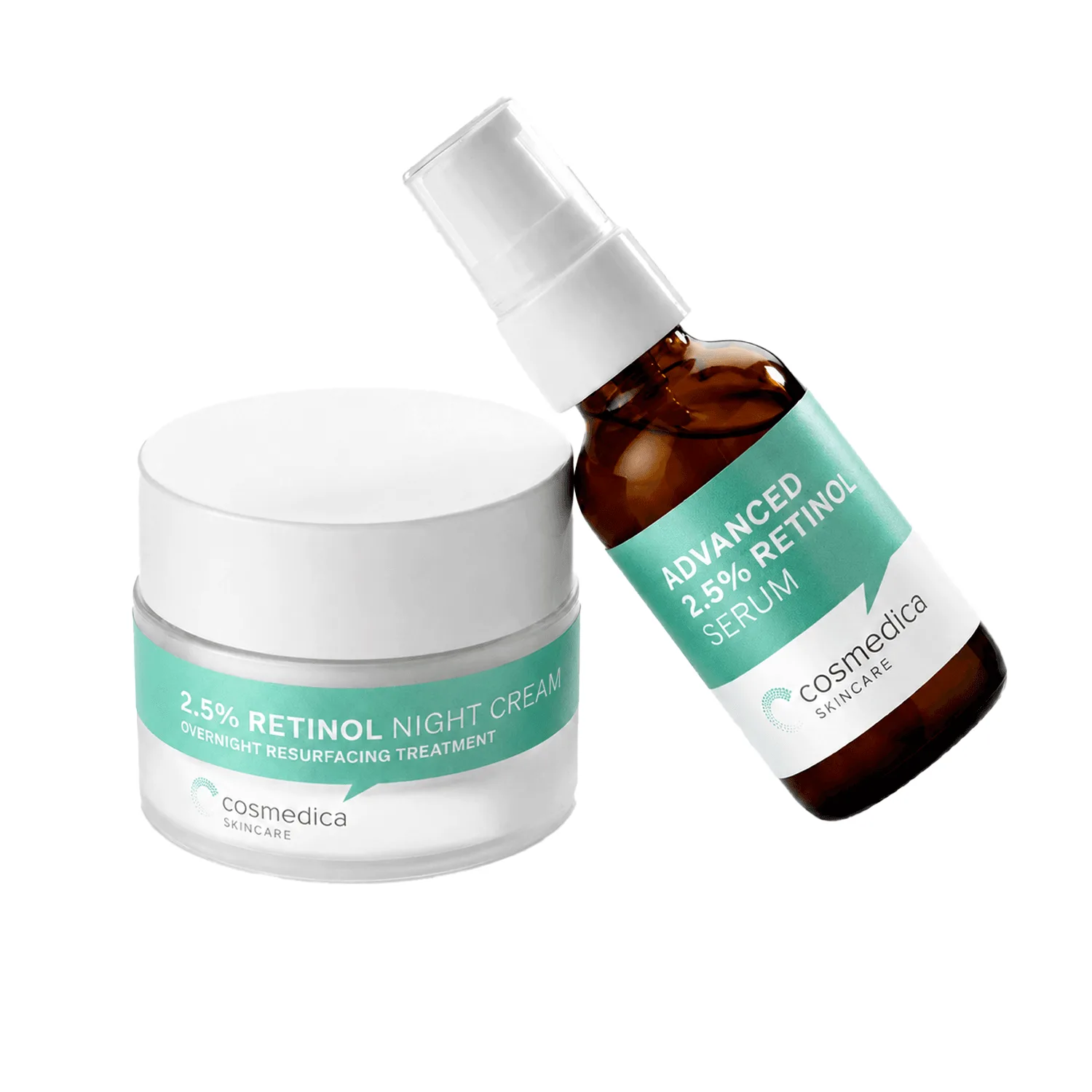
If you’re also targeting signs of aging, you might consider a product that combines niacinamide with peptides or retinol. The 2.5% Retinol Facial System offers a comprehensive approach that includes niacinamide to help offset potential irritation from retinol.
- Check the ingredient list for niacinamide within the first five ingredients.
- Avoid products with high concentrations of fragrance or alcohol, which can be irritating.
- If you have oily skin, opt for a lightweight gel-based serum rather than a heavy cream.
Potential Side Effects and Precautions
Niacinamide is generally well-tolerated, but some people may experience mild irritation, especially when using high concentrations. Symptoms can include redness, itching, or a burning sensation. If this occurs, reduce the frequency of use or switch to a lower concentration product.
It’s also important to note that niacinamide can increase skin sensitivity to sunlight. Always apply a broad-spectrum sunscreen with at least SPF 30 during the day. If you have any underlying skin conditions, consult with a dermatologist before adding niacinamide to your routine.
- Patch test a new niacinamide product on a small area of skin for 24 hours before full application.
- If you experience persistent irritation, discontinue use and seek professional advice.
- Do not combine niacinamide with pure vitamin C at the same time; instead, use vitamin C in the morning and niacinamide at night.
Niacinamide is a powerhouse ingredient that can help clear blemishes, calm redness, and improve overall skin health. By incorporating a quality niacinamide serum into your daily routine, you can achieve a clearer, more even complexion. For a great starting point, consider the Hydrating Duo, which combines niacinamide with a nourishing moisturizer for optimal results.