Quick Answer
Most night light outlets that stop glowing are not dead. Cover the sensor for a minute to confirm it only lights in the dark, then test the outlet's power with a small lamp. If the outlet powers devices but the light never comes on, the device has failed and should be replaced. If the outlet has no power at all, stop and call a licensed electrician.
A night light outlet that suddenly goes dark is a small problem with a short list of causes. The device combines a normal receptacle with a light-sensing LED, so a failure can come from the sensor, the LED itself, or the wiring behind the wall.
Work through the checks below in order. Each step tells you what the symptom means and the point where you should stop troubleshooting and replace the outlet instead.
Start With the Sensor, Not the Wiring
Most night light outlets use a photocell that turns the LED on only when the room is dark. If a lamp, nightstand light, or even a bright hallway is shining on the face of the outlet, the light stays off by design. Cover the sensor with your hand or a piece of tape for about a minute and watch for a glow.
If the light comes on while covered, the outlet is working correctly. Reposition the lamp that is shining on it, or accept that the outlet will stay dark in a well-lit room. This is the most common reason an outlet night light is not glowing, and it costs nothing to check.
- Test at night with the room lights off before assuming a failure.
- A sensor blocked by furniture or a towel may never see darkness.
Confirm the Outlet Still Has Power
Plug a small lamp or phone charger into the outlet and turn it on. If the device works, the outlet has power and the problem is isolated to the night light circuit. If nothing works, the issue is upstream: a tripped GFCI, a tripped breaker, or a loose connection.
For a GFCI outlet, press the reset button firmly until it clicks. If it will not reset, or it trips again immediately, stop there. A GFCI that will not hold is a safety issue that needs an electrician, not a DIY fix.
- Test both receptacles on the device, not just one.
- Check for a GFCI upstream on the same circuit before assuming the outlet is faulty.
Why the Night Light Gets Dim Over Time
An outlet night light that has grown dim but still glows is usually aging, not broken. LEDs lose output gradually, and a dirty or yellowed lens cover blocks light. Wipe the face with a dry cloth and check again before you buy a replacement.
If the glow is still weak after cleaning, the LED has degraded. There is no bulb to swap on most integrated night light outlets, so dimming is a sign the device is nearing the end of its useful life. Plan a replacement rather than trying to repair it.
- Clean the lens with a dry cloth only; never spray cleaner into the outlet.
- Dimming plus flickering together usually means replacement, not repair.
When to Replace Instead of Troubleshoot
Replace the outlet when it has power but the night light never illuminates, when the LED flickers constantly, or when the face is cracked or discolored. Turn off the circuit at the breaker and verify it is off before removing the device.
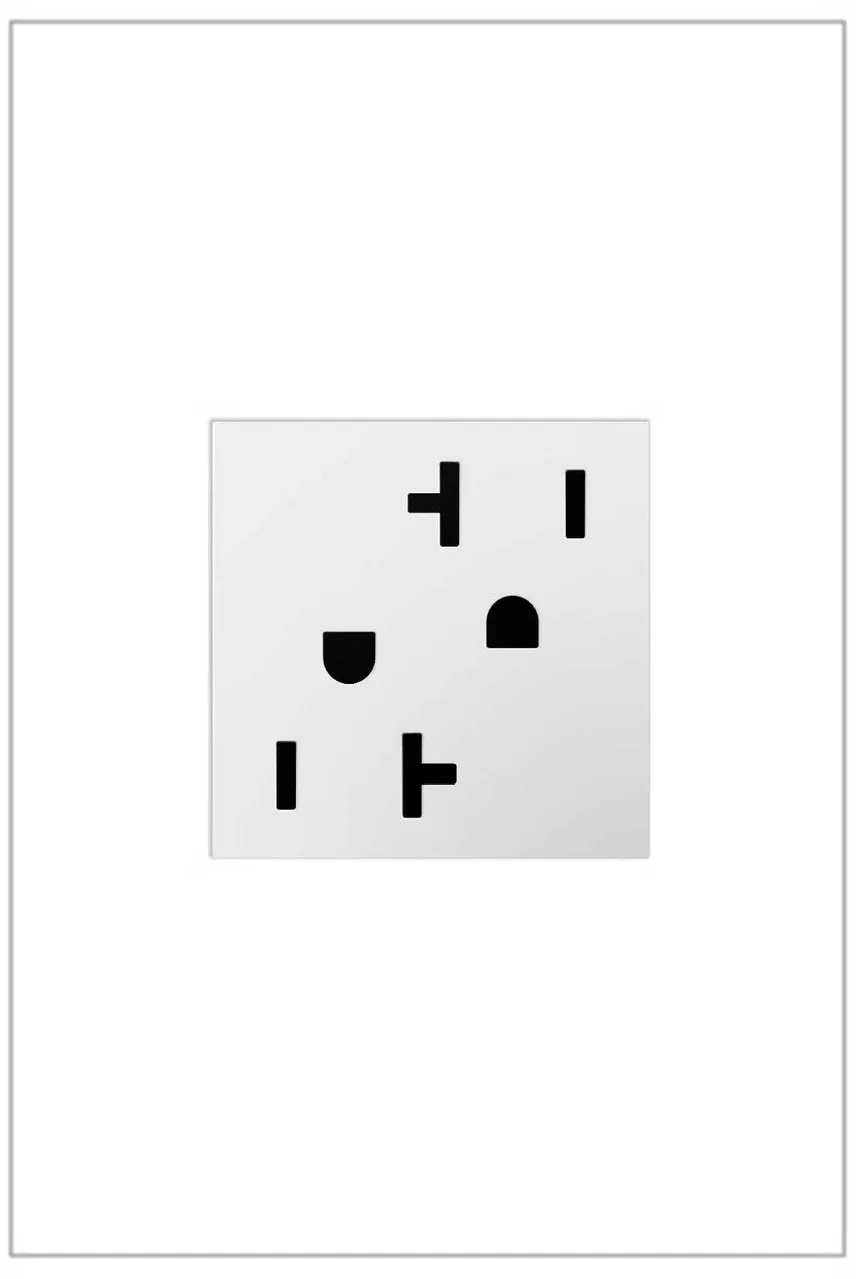
If you are replacing it anyway, this is a good moment to upgrade to a tamper-resistant outlet with night light, which helps protect against unwanted insertion of objects while adding the illumination you were missing. Choose a finish that matches the room so the swap looks intentional.
- Match the amperage and wiring configuration of the old device.
- If you are unsure which breaker controls the outlet, stop and call an electrician.
Night Light Outlet Diagnosis Checklist
- Light off in a bright room: The photocell is doing its job. Cover the sensor for a minute to confirm the LED still works. No repair needed; adjust nearby lighting instead.
- Outlet has power but no glow: The night light circuit or LED has failed even though the receptacles work. Replace the device; there is no serviceable bulb on most models.
- No power at either receptacle: Check for a tripped GFCI or breaker. If it will not reset, the problem is in the wiring. Stop and call a licensed electrician.
- Dim or flickering glow: Clean the lens first. If it stays weak or flickers, the LED is degrading. Plan a replacement rather than a repair.
Products That Fit This Fix
- radiant® 15A Tamper-Resistant Outlet with Night Light, Black: Combines a 15A tamper-resistant outlet with an integrated night light that offers gentle illumination in dark areas. A direct replacement when your existing night light outlet has power but no glow, and the black finish suits modern decor.
- radiant® Weather-Resistant GFCI USB Outlet with SafeLock® Protection, Type A/C, 15A, Tamper-Resistant, Black: Weather-resistant construction with GFCI protection and USB charging in a tamper-resistant design. The right choice if the failed outlet is outdoors or in a damp location and you also want charging built in.
- https://techvaultai.shop/products/radiant-tamper-resistant-15a-duplex-self-test-gfci-receptacles-with-safelock-217455radiant® Tamper-Resistant 15A Duplex Self-Test GFCI Receptacles with SafeLock® Protection, Ivory: Self-test functionality every 3 seconds for continuous protection, with a tamper-resistant design. Use this where GFCI protection is required, such as kitchens, baths, and garages, so the replacement meets the same safety role as the old device.
Most night light outlet problems come down to the sensor, the LED, or the power feed, and each one has a clear next step. Check the sensor first, confirm power second, and replace the device only when the outlet works but the light will not. If the outlet is dead, leave it to an electrician.