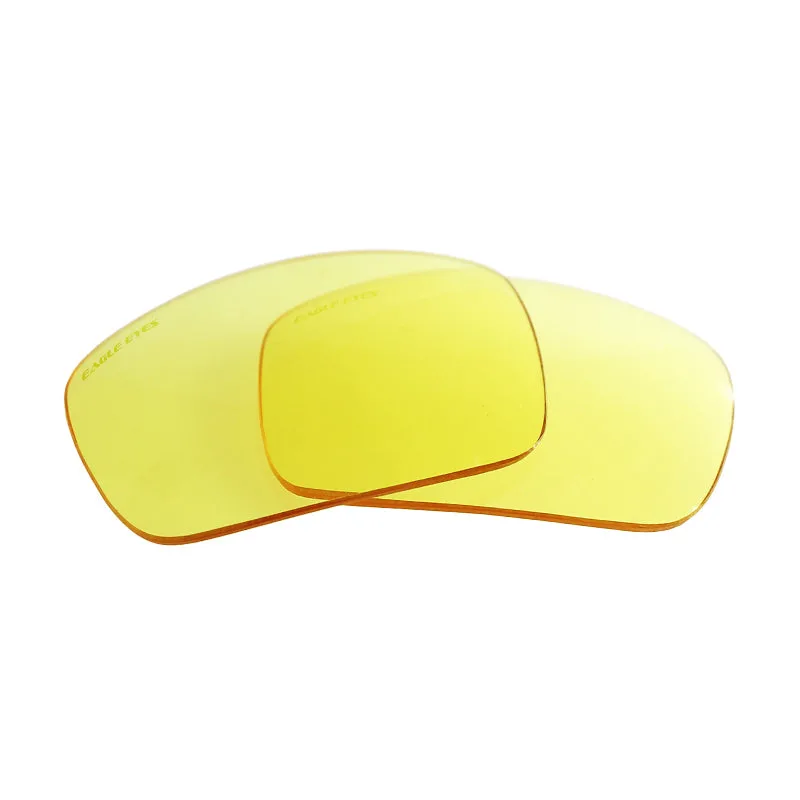
What the Night-Lite lens is—and what it isn't
The LensAdvizor Night-Lite® Transitional Yellow/Gray Lens is a non-prescription lens with a yellow/gray color design. That description is the full extent of what the supplied record confirms: it does not include a light-transmission percentage, a photochromic activation time, a UV rating, or any driving-specific certification. So treat “transitional” as a description of the lens design, not as a guarantee of a specific performance standard.
A clear non-RX lens, by contrast, is defined by what it does not add: no tint, no color shift. The useful comparison is therefore not “which lens sees better at night” in the abstract, but “which lens matches the light conditions you actually drive in, and what evidence do you have for the tint's behavior?”
Listing facts behind the Night-Lite lens
-
Non-RX Night-Lite® Transitional Yellow/Gray Lens: Non-RX Night-Lite® Transitional Yellow/Gray Lens from LensAdvizor is offered in a Standard option. The Standard option is the only variant in the supplied record, so there is no alternate tint or prescription version to compare within this listing.
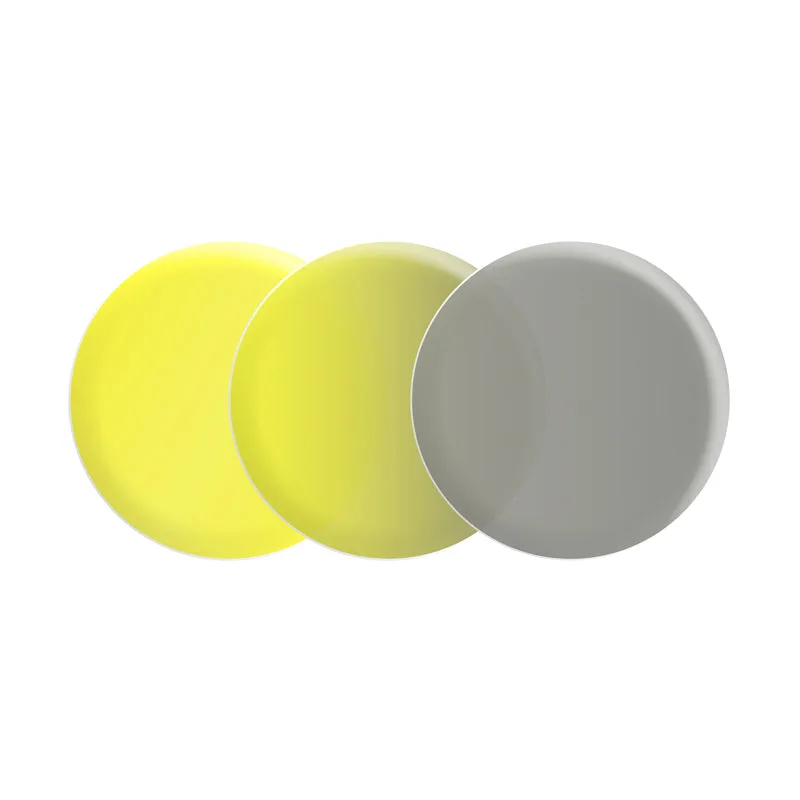
Non-RX Night-Lite® Transitional Yellow/Gray Lens
-
Non-RX Night-Lite® Transitional Yellow/Gray Lens: The product name indicates a non-prescription lens with a transitional yellow and gray color design. The yellow/gray color is the feature that distinguishes it from a clear lens; the non-RX label means it is not a prescription-corrected lens.
-
Non-RX Night-Lite® Transitional Yellow/Gray Lens: Yellow/Gray lens color. The two-color description is the only color evidence supplied; it does not specify how much yellow versus gray is present at any given light level.
Night-Lite Transitional vs clear: a side-by-side decision
Use this table as a decision aid, not a performance ranking. The Night-Lite column is limited to what the catalog states; the clear-lens column describes the baseline behavior of an untinted non-RX lens.
- Color and tint: Night-Lite: yellow/gray transitional color design. Clear: no added color or tint.
- Prescription: Night-Lite: non-RX only in the supplied record. Clear: available in non-RX and, separately, prescription forms depending on the lens you choose.
- Light-level behavior: Night-Lite: described as transitional, but the supplied record does not state activation speed, darkness range, or whether the shift is triggered by UV or visible light. Clear: constant, with no shift.
- Driving suitability: Night-Lite: no driving certification or night-driving claim appears in the supplied evidence. Clear: no tint-related claim either; suitability depends on your own vision and local rules.
- Best-supported use: Night-Lite: a reader who wants a yellow/gray non-RX lens and accepts that the transition behavior is not documented in the listing. Clear: a reader who wants a predictable, untinted lens and does not need a color shift.
The honest limitation: “transitional” is not a specification
The word transitional tells you the lens is intended to change, but the supplied record does not tell you how much, how fast, or under which light source. That matters for night driving in particular: a lens that shifts toward gray in bright light and toward yellow in low light is a very different product from one that simply carries a fixed yellow-gray tint. Without a stated activation mechanism, you cannot assume either behavior from the name alone.
The same gap applies to safety claims. The record contains no care, safety, or compatibility instructions, and no UV or impact rating. If you need a lens for a specific regulated use—driving at night, working under artificial light, or wearing over contacts—confirm those details with the seller before ordering rather than inferring them from “Night-Lite” or “Transitional.”
When a transitional yellow/gray lens is the more sensible pick
These are judgment calls based on the catalog facts, not manufacturer recommendations.
- You want one non-RX lens for mixed indoor and outdoor light: A transitional design is aimed at changing light, whereas a clear lens stays constant. If your day moves between bright and dim settings and you prefer not to swap eyewear, the Night-Lite concept fits that pattern—provided you accept the undocumented shift behavior.
- You specifically want a yellow/gray color rather than neutral clear: The yellow/gray description is the concrete differentiator in the listing. If that color is what you are after, a clear lens will not substitute for it.
- You are not relying on the lens for a documented safety standard: Because no safety or compatibility evidence is supplied, choose this lens for general comfort and color preference, not for a claim like “certified for night driving.”
When a clear lens is the safer comparison
- You want predictable optics with no color shift: A clear non-RX lens has no tint to activate, fade, or interpret. If variability is a concern, that predictability is the point.
- You need a prescription: The Night-Lite listing is non-RX. If you need vision correction, a clear prescription lens is the relevant comparison, not this product.
- You cannot verify the transition behavior before buying: Since the supplied record does not state activation speed or darkness range, a clear lens avoids depending on an unspecified transition.
A practical way to decide before you order
Start with the question the listing can actually answer: do you want a non-RX lens with a yellow/gray color design, or a neutral clear lens? If the color is the reason you are shopping, the Night-Lite Transitional Yellow/Gray Lens is the direct match in this catalog. If you need a documented transition speed, a UV rating, or a driving certification, the supplied information does not provide it—ask the seller for those specifics or choose a clear lens whose behavior you can predict.
One more check: the listing shows a Standard option only. If you were expecting size, curvature, or coating choices, the supplied record does not show them, so confirm the fit and coating details before checkout rather than assuming a variant exists.