Quick answer
Dust both pieces weekly with a microfiber cloth, clean spills immediately with a slightly damp cloth and mild soap, and keep furniture out of direct sunlight and away from heat vents. For wood furniture care, avoid silicone polishes and all-purpose sprays, which can dull or strip the finish over time. The goal is simple: remove grit before it scratches, control moisture, and let the finish do its job.
Start with the right tools and a quick surface check
Before you touch the furniture, gather two microfiber cloths, a mild dish soap, a spray bottle of water, and a soft brush. Check the surface for loose debris, sticky rings, or small scratches. If the finish feels tacky or you see white haze, stop and test your cleaning method on the back or bottom edge first. This one-minute check prevents most accidental damage.
Dust before you wipe to avoid scratching
Dust is abrasive. Wiping a dry cloth across a gritty surface drags particles that can leave fine scratches in wood furniture care. Use a microfiber cloth or a soft brush attachment on a vacuum to lift dust from the top, drawer fronts, and sides. Work from top to bottom so dust falls onto the floor, not back onto the furniture. For carved or textured areas, a dry paintbrush reaches crevices without scratching.
Clean spills and sticky spots without soaking the wood
When you need to know how to clean a dresser or nightstand after a spill, act fast but gently. Mix a few drops of mild dish soap in a spray bottle of water. Dampen a microfiber cloth, wring it out so it is barely wet, and wipe the spot. Dry immediately with a second cloth. Never pour water directly on the surface or let liquid sit near drawer seams. For sticky residue, hold a damp cloth on the spot for a few seconds to soften it, then wipe.
Protect the finish from heat, light, and moisture
Bedroom furniture maintenance is mostly about prevention. Keep nightstands and dressers at least a few inches away from radiators, space heaters, and air vents. Direct sunlight can fade or darken finishes over time, so use curtains or blinds during peak hours. Use coasters under lamps and plants, and place a felt pad under anything heavy that you slide. If you live in a humid climate, a small dehumidifier in the bedroom helps prevent swelling in wood drawers.
Handle drawers and hardware with care
Drawers are the most-used parts of a nightstand or dresser. Overloading them stresses the runners and can warp the drawer box. Keep weight distributed evenly and avoid slamming drawers shut. If a drawer starts to stick, rub a dry bar of soap or a candle stub along the wooden runners. For metal glides, a dry silicone spray works, but keep it off the furniture finish. Check screws on drawer pulls every few months and tighten them gently so the hardware does not loosen or strip.
Step-by-step bedroom furniture care routine
- Clear and check the surface: Remove lamps, books, and decor. Look for spills, scratches, or loose hardware before you clean. Checkpoint: if you see white rings or haze, test your cleaner on a hidden area first.
- Dust from top to bottom: Use a microfiber cloth or soft brush to lift dust from the top, drawer fronts, and sides. Work downward so debris falls away. Common mistake: wiping with a dry rag that drags grit and scratches the finish.
- Wipe with a barely damp cloth: Mix a few drops of mild dish soap in water. Dampen a microfiber cloth, wring it out well, and wipe one small area at a time. Checkpoint: the cloth should feel almost dry. If water drips, it is too wet.
- Dry immediately: Follow with a clean, dry microfiber cloth to remove all moisture, especially around drawer seams and hardware. Common mistake: letting water sit on the surface, which can cloud the finish or swell the wood.
- Treat drawers and hardware: Vacuum drawer interiors with a brush attachment. Rub a dry bar of soap on sticky wooden runners. Tighten loose screws on pulls. Checkpoint: drawers should glide smoothly without rattling or sticking.
- Protect and reset: Move furniture away from direct sun and heat vents. Use coasters under lamps and felt pads under heavy items. Replace decor. Next step: repeat dusting weekly and deep clean every three to six months.
Furniture finishes and what they need
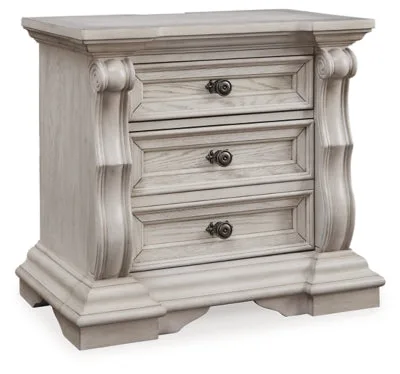
- Bruchandi Nightstand: Inspired by European traditional style, this opulent nightstand features large-scale decorative scrolled pilasters, an ash swirl border, and walnut inlay crowning the top, with an antiqued white coloration and bronze-tone drawer pulls. The inlay and antiqued finish are decorative surfaces that can be damaged by harsh cleaners or abrasive cloths. Dust gently and avoid silicone polishes to preserve the subtle details.
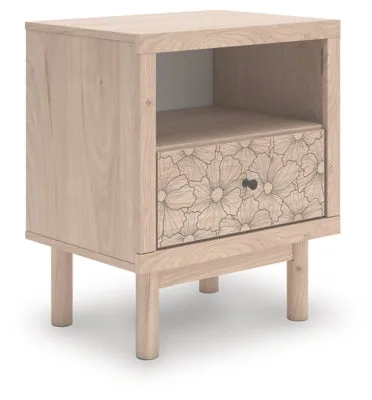
- Arloster Nightstand: This playful nightstand has a light wood finish, a floral-patterned drawer, and a USB charger located on the back. The USB charger adds a cord to manage. Keep the back area dust-free and avoid spraying liquid near the outlet. The light finish shows dust and smudges, so weekly wiping keeps it looking fresh.
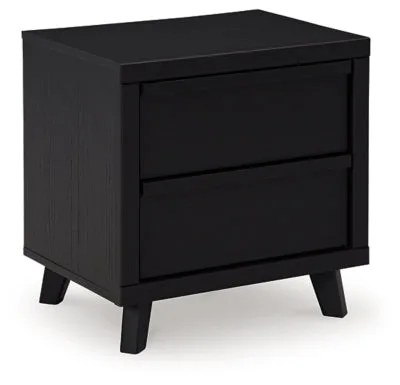
- Danziar Nightstand: This nightstand has a subtle replicated texture that recalls the natural beauty of wood, highlighting a clean-lined form, and a matte black finish. Matte finishes hide fingerprints better than gloss but can show oily marks from hands. Wipe with a dry microfiber cloth first; use a barely damp cloth only when needed.