Why the Nikon D500 Excels for Wildlife Photography
The Nikon D500 camera body is a flagship DX-format DSLR built for demanding action. Its 20.9MP CMOS sensor and EXPEED 5 processor deliver fast 10 fps continuous shooting, while the Multi-CAM 20K 153-point AF system—with 99 cross-type points—provides the speed and accuracy needed to track moving animals and birds. Whether you're photographing birds in flight or mammals on the move, the D500's rugged magnesium alloy chassis and weather sealing let you work in challenging outdoor conditions.
Key Specifications for Wildlife Shooting
-
Nikon D500 Camera Body: 10 fps shooting for up to 200 frames; Multi-CAM 20K 153-point AF system with 99 cross-type points High burst rate and dense AF coverage help you capture split-second wildlife moments without missing the action.
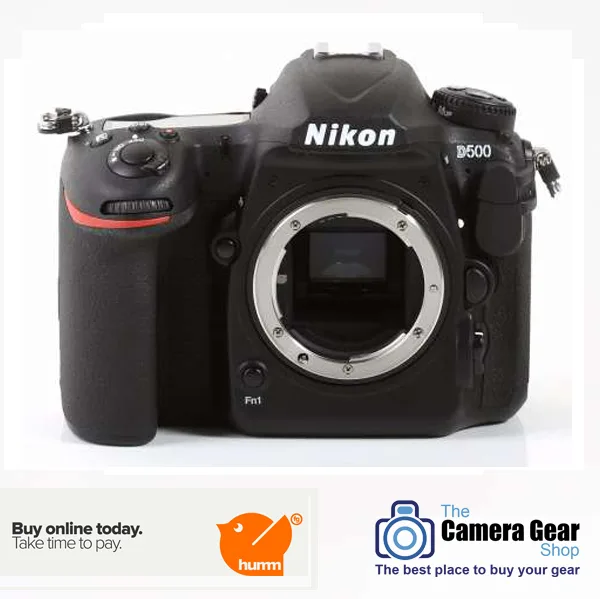
Nikon D500 Camera Body
-
Nikon D500 Camera Body: Native ISO 51200, extend to ISO 1640000 Excellent low-light performance allows faster shutter speeds in dawn/dusk conditions, critical for wildlife activity periods.
-
Nikon D500 Camera Body: 3.2" 2,539k-dot tilting touchscreen LCD Tilting screen enables low-angle shooting from ground level, ideal for photographing small animals or getting eye-level bird shots.
Setting Up Autofocus for Fast Action
For wildlife, start with AF-C (continuous autofocus) mode. The Multi-CAM 20K system offers multiple area modes: use Dynamic AF with 25 or 72 points for tracking a single moving subject, or Group-AF for capturing erratic movement like birds in flight. The 180k-pixel RGB sensor aids subject tracking, so experiment with 3D tracking for consistent lock-on. Set Custom Setting a1 (AF-C priority selection) to Release to ensure you never miss a shot while the camera confirms focus.
Burst Shooting and Buffer Management
The D500 shoots 10 fps for up to 200 frames in a single burst—enough for several seconds of continuous action. To maximize buffer depth, use a fast UHS-II SD card. For extended sequences like bird takeoffs, consider using the MB-D18 battery grip (sold separately) for extra power and vertical shutter release. Monitor the buffer indicator in the viewfinder and pause briefly between bursts to clear it.
Exposure and Drive Settings for Wildlife
Set shutter priority (S mode) to at least 1/1000s for birds and fast mammals, then adjust ISO to maintain proper exposure. The native ISO range up to 51200 lets you keep high shutter speeds in low light. Use Auto ISO with a minimum shutter speed of 1/1000s to avoid underexposure. For drive mode, choose Continuous High (CH) for 10 fps bursts. Enable electronic front-curtain shutter if available to reduce vibration at slower shutter speeds.
Field Setup and Connectivity
The D500's tilting touchscreen is invaluable for low-angle shots—activate touch AF to quickly reposition the focus point while keeping your eye to the viewfinder. The built-in Wi-Fi, Bluetooth, and NFC via SnapBridge allow you to transfer select images to your phone for quick sharing or backup in the field. For remote shooting, use the Wireless Remote Controller WR-1 (sold separately) to trigger the camera without disturbing wildlife.
Trade-Offs to Consider
The D500's DX sensor gives you extra reach with telephoto lenses (1.5x crop factor) compared to full-frame, a clear advantage for wildlife. However, the smaller sensor may produce more noise at very high ISOs than FX bodies. The 20.9MP resolution is ample for prints and crops but won't match higher-megapixel cameras for extreme cropping. The body is weather-sealed but heavier than entry-level DSLRs—plan your field kit accordingly.