Two DSLRs, Two Sensor Sizes
The Nikon D780 and Canon EOS 80D are both capable DSLRs, but they target different photographers. The D780 uses a full-frame 24.5MP BSI CMOS sensor, while the 80D packs a 24.2MP APS-C CMOS sensor. That sensor size difference affects depth of field, low-light performance, and lens choices. The D780 is a body-only camera, so you supply your own lens; the 80D comes with an EF-S 18-135mm f/3.5-5.6 IS USM zoom lens, making it a ready-to-shoot kit.
Sensor and Image Quality at a Glance
-
Nikon D780 DSLR Camera (Body Only): 24.5MP FX-Format BSI CMOS Sensor with EXPEED 6 Image Processing Engine; native ISO 100-51200, expandable to ISO 50-204800. The full-frame BSI sensor and wide ISO range give the D780 an edge in low light and dynamic range, especially for available-light photography.
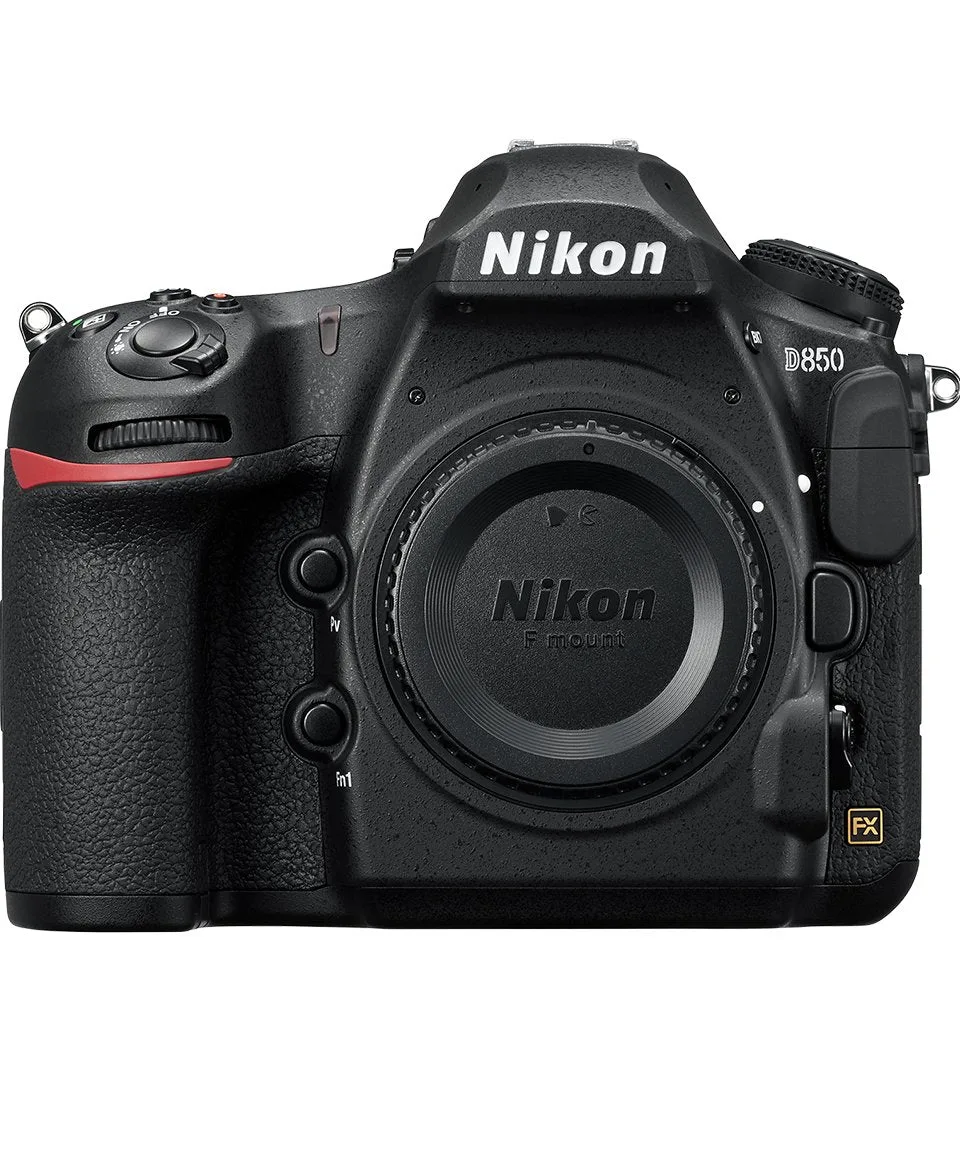
Nikon D780 DSLR Camera (Body Only)
-
Canon EOS 80D DSLR Camera with 18-135mm Lens: 24.2MP APS-C CMOS Sensor with DIGIC 6 Image Processor; native ISO 100-16000, expandable to ISO 25600. The 80D's APS-C sensor is smaller, but its high-resolution 24.2MP sensor and DIGIC 6 processor still deliver excellent image quality for most shooting situations, especially with good light.
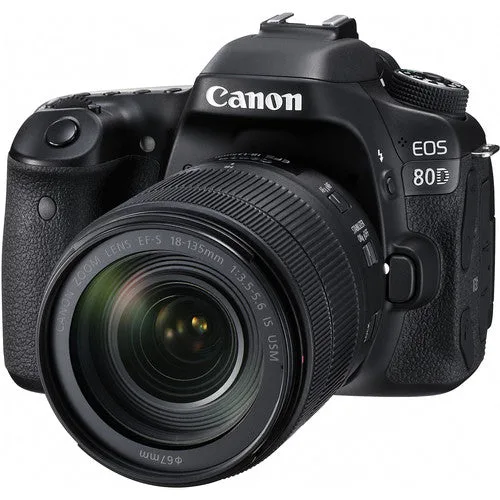
Canon EOS 80D DSLR Camera with 18-135mm Lens
Autofocus Systems: Viewfinder vs Live View
Both cameras offer sophisticated autofocus, but they work differently depending on whether you're using the viewfinder or live view. The Nikon D780 uses a 51-point Multi-CAM 3500 II AF system through the viewfinder, and switches to a 273-point Hybrid AF (on-sensor phase-detection plus contrast-detection) in live view or video. The Canon 80D uses a 45-point all cross-type AF system through the viewfinder and Dual Pixel CMOS AF in live view, which provides smooth, camcorder-like focus transitions for video. Both systems are fast and accurate, but the D780's hybrid AF covers about 90% of the sensor area, while the 80D's Dual Pixel AF is known for its natural focusing feel.
Autofocus Details for Each Camera
- Nikon D780 DSLR Camera (Body Only): Multi-CAM 3500 II 51-Point AF System (viewfinder); 273-point Hybrid AF in live view covering ~90% of the sensor. The D780's hybrid AF is excellent for tracking moving subjects in live view and video, with wide sensor coverage.
- Canon EOS 80D DSLR Camera with 18-135mm Lens: 45-Point All Cross-Type AF System (viewfinder); Dual Pixel CMOS AF for live view and video. The 80D's Dual Pixel AF provides smooth, continuous autofocus during video, similar to a camcorder, which is a strong advantage for hybrid shooters.
Video Capabilities Compared
Video is a key differentiator. The Nikon D780 records UHD 4K30 video with full-frame or cropped options, plus Full HD up to 120 fps for slow motion. It also includes N-Log and HLG gamma for flat profiles and 10-bit HDMI output, making it a serious tool for videographers. The Canon 80D records Full HD 1080p60 video, which is adequate for many users but lacks 4K. If 4K video is a priority, the D780 is the clear choice. The 80D's 1080p video is still very capable for web content and casual use, especially with the included lens's smooth AF.
Video Specifications
- Nikon D780 DSLR Camera (Body Only): UHD 4K30 video; Full HD up to 120 fps; N-Log & 10-Bit HDMI Out; built-in stereo microphone, 3.5mm external mic jack. The D780 offers professional-level video features: 4K, slow motion, log gamma, and clean HDMI output for external recording.
- Canon EOS 80D DSLR Camera with 18-135mm Lens: Full HD 1080p60 video recording; built-in Wi-Fi with NFC for wireless file transfer. The 80D's 1080p60 video is solid for HD projects, and Wi-Fi makes sharing clips easy, but it lacks 4K and advanced video tools.
Key Differences at a Glance
- Sensor: Nikon D780: Full-frame 24.5MP BSI CMOS. Canon 80D: APS-C 24.2MP CMOS.
- Lens Included: D780: Body only (no lens). 80D: EF-S 18-135mm f/3.5-5.6 IS USM zoom.
- Video Max Resolution: D780: UHD 4K30. 80D: Full HD 1080p60.
- Autofocus in Live View: D780: 273-point Hybrid AF. 80D: Dual Pixel CMOS AF.
- Viewfinder Coverage: Both offer 100% frame coverage in optical viewfinder.
- Battery Life (CIPA): D780: ~2260 shots per charge (EN-EL15b). 80D: Not supplied.
Which One Should You Choose?
Choose the Nikon D780 if you need full-frame image quality, 4K video, professional video features (N-Log, 10-bit HDMI), and are willing to invest in lenses separately. It's a versatile hybrid camera for serious enthusiasts and professionals. Choose the Canon EOS 80D if you want a ready-to-shoot kit with a versatile 18-135mm lens, excellent Dual Pixel AF for video, and a more budget-friendly price. The 80D is a great all-around DSLR for learning, travel, and everyday photography. Both cameras are excellent, but your decision hinges on sensor size, video needs, and whether you want a lens included.