Quick answer
Choose the Nikon D850 if you need a hybrid camera that excels at 45.7MP stills and can handle video. Choose the Nikon ZR 6K if your priority is professional video workflows with advanced codec support.
Still photography vs. video-first design
The Nikon D850 is a DSLR built around a 45.7MP sensor that delivers extreme resolution for stills, making it a top choice for landscape, studio, and high-detail work. Its heritage is in the D800 series, which set a new standard for ultra-high-resolution photography. The Nikon ZR 6K, on the other hand, is a cinema camera born from the Nikon-RED collaboration, designed from the ground up for video production with no compromises for stills.
If you shoot both photos and video but prioritize image quality in stills, the D850 gives you a proven DSLR platform. If your work is primarily video and you need raw recording flexibility, the ZR 6K is the more specialized tool.
Codec and workflow flexibility
The Nikon ZR 6K supports REDCODE RAW R3D NE, N-RAW, ProRes RAW HQ/422 HQ, plus H.264 and H.265. This range gives video professionals the ability to choose between maximum quality for post-production or efficient files for quick turnaround. The D850 records 4K UHD video internally but lacks these advanced raw and ProRes options, which limits flexibility in high-end color grading and multi-camera workflows.
For editors who need to integrate footage into a RED or ProRes pipeline, the ZR 6K offers a clear advantage. The D850 remains capable for most video work, but its codec selection is more limited.
Key trade-offs at a glance
- Image resolution vs. video codecs: The D850 offers 45.7MP stills with near-medium-format quality, while the ZR 6K focuses on advanced video codecs like REDCODE RAW and ProRes RAW. You trade still resolution for video flexibility. If you need both high-res stills and raw video, consider whether your video work truly requires RED or ProRes RAW.
- DSLR ergonomics vs. cinema form factor: The D850 is a familiar DSLR with an optical viewfinder and compact body for stills. The ZR 6K is a cinema camera built for rigging, external monitors, and professional audio. Choose based on your shooting environment.
- Price and value: The D850 body is priced at USD 1,819.97 (down from USD 2,599.95), offering high resolution at a lower cost. The ZR 6K is USD 1,559.83 (down from USD 2,196.95), making it an affordable entry into professional cinema workflows. Both represent strong value in their categories, but the D850 is a better deal for stills-focused shooters, while the ZR 6K is a bargain for video-first creators.
Product facts
-
Nikon D850 DSLR Camera (Body Only): When Nikon launched the D800 and D800E, it set a new standard for DSLR image quality and ultra-high-resolution photography, nearly reaching medium format levels. Now, five years later, Nikon proudly unveils the next step in high-resolution DSLRs, a camera capable of capturing fast action at an impressive 45.7 megapixels. This means the D850 delivers exceptional detail for stills, rivaling medium format, while still offering enough speed for action photography.
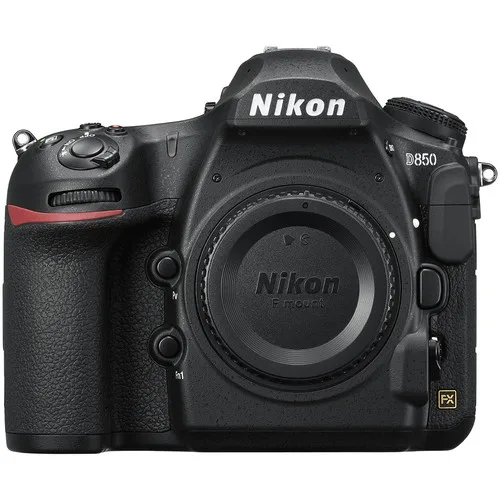
Nikon D850 DSLR Camera (Body Only)
-
Nikon ZR 6K Cinema Camera: The collaboration between Nikon and RED introduces an impressive array of compatibility options for production workflows, supporting REDCODE RAW R3D NE, N-RAW, ProRes RAW HQ/422 HQ, and H.264/H.265 codecs. This gives video professionals the flexibility to choose the best recording format for their post-production pipeline, from raw grading to efficient delivery.
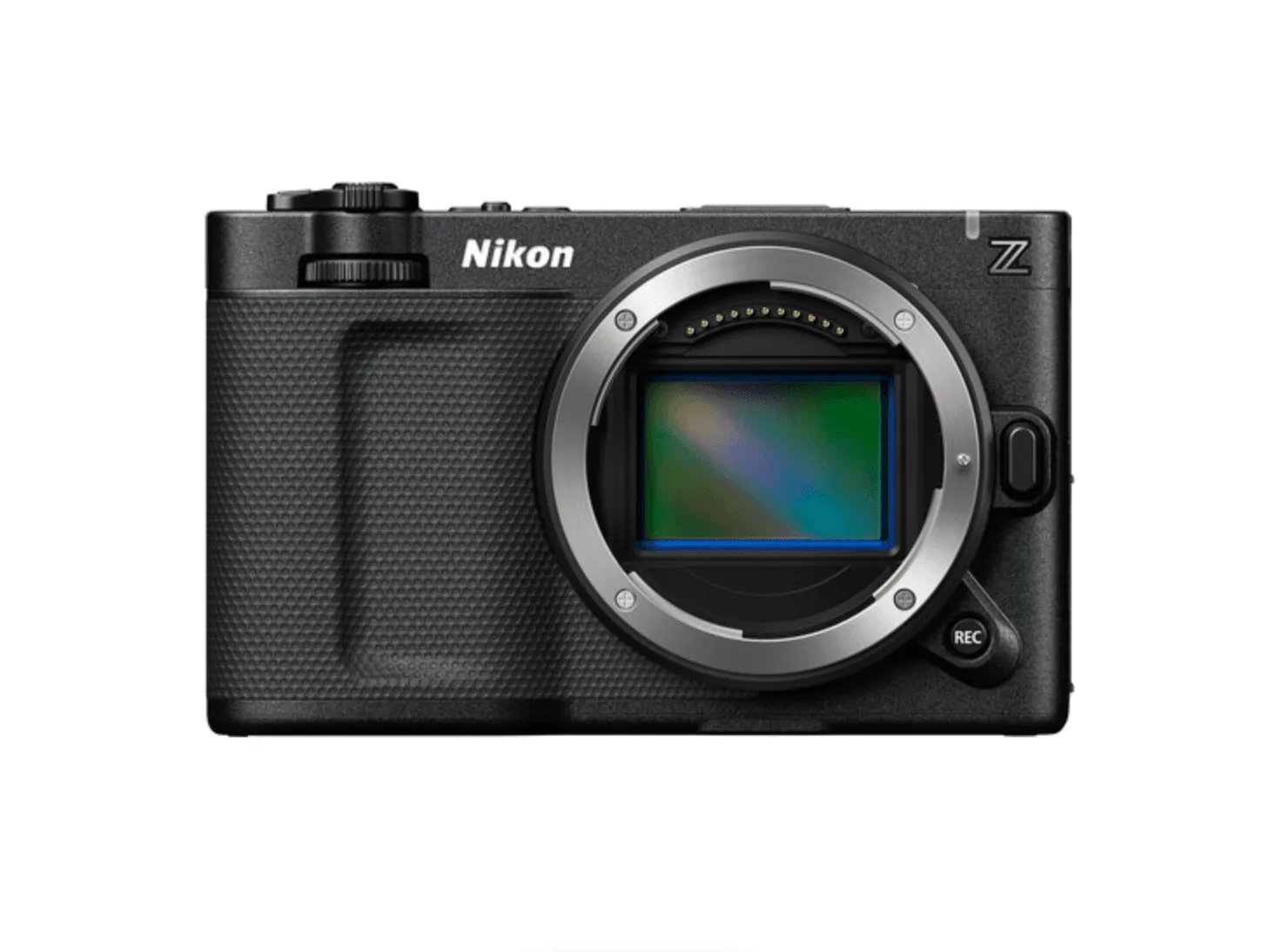
Nikon ZR 6K Cinema Camera
Which one fits you?
Best for
- Photographers who want extreme resolution for landscapes, studio, or high-detail work and occasional video
- Hybrid shooters who prioritize stills quality but need 4K video capability
Not ideal for
- Video professionals who require raw or ProRes recording in a cinema-optimized body
- Editors who need to match footage with RED or other raw-based workflows