When your tent fly stops beading water
If water starts to soak into the fabric of your tent fly instead of beading up and rolling off, the durable water repellent (DWR) finish has likely worn down. Nikwax TX Direct Spray-On is a waterproofing spray designed to restore water-repellency to synthetic outerwear and equipment, and your tent fly falls into that category. This guide walks through a sensible way to use it, based on what the product record actually confirms.
Before you spray, check the care label on your tent fly. The supplied information for TX Direct Spray-On does not include a compatibility list, so you should confirm that your fly is made from a synthetic material and that the manufacturer allows spray-on waterproofing treatments. If the label says otherwise, follow the label.
What the catalog confirms about TX Direct Spray-On
-
Nikwax TX Direct Spray-On Waterproofing 10 oz.: Patented, award-winning formula restores water-repellency to synthetic outerwear and equipment in a convenient spray-on application. This tells you the product is intended for synthetic gear and is applied by spraying, which matches the job of re-waterproofing a tent fly.
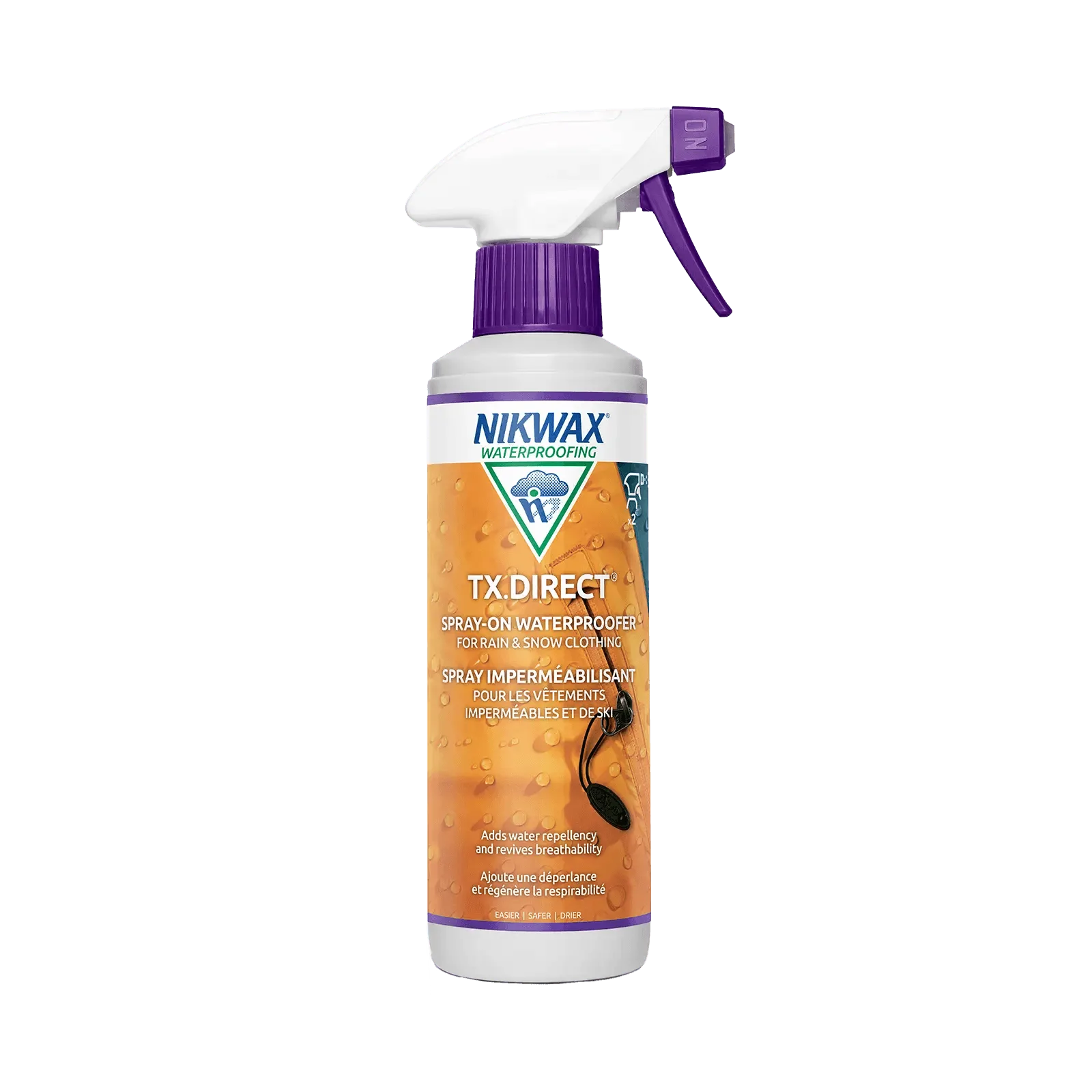
Nikwax TX Direct Spray-On Waterproofing 10 oz.
-
Nikwax TX Direct Spray-On Waterproofing 10 oz.: Catalog price: USD 12.54 (comparison price USD 16.95). A single 10 oz. can is an affordable way to treat a fly, but you should estimate coverage before buying if your fly is large.
How to apply Nikwax TX Direct Spray-On to your tent fly
The supplied record does not include preparation or operating instructions, so the sequence below is a practical framework rather than a manufacturer procedure. Adjust it to your tent's care label and the instructions on the can.
- Clean the fly first: Dirt, sunscreen, and campfire residue can prevent a spray-on treatment from bonding evenly. Clean the fly according to the tent manufacturer's instructions and let it dry completely before spraying.
- Set up a controlled workspace: Hang the fly or lay it flat in a well-ventilated area away from wind that could carry the spray. Protect the ground or surrounding surfaces with a drop cloth.
- Spray evenly at the recommended distance: The product record does not specify a spray distance or coverage rate. Follow the directions on the can and apply a light, even coat rather than soaking the fabric.
- Allow proper drying and curing: The supplied information does not confirm drying times or heat-setting requirements. Check the can label and the tent care label for the correct drying method before you pack the fly away.
- Check the beading: After the fly is fully dry, mist a small amount of water on the treated area. If water beads and rolls off, the treatment is working. If it still soaks in, the record does not confirm whether a second coat is appropriate, so consult the can instructions.
What this spray can and cannot do for your tent fly
- It restores water-repellency on synthetic fabric: TX Direct Spray-On is formulated to restore DWR on synthetic outerwear and equipment. That is the job it is sold for, and a tent fly is a reasonable candidate if the fabric is synthetic.
- It is not a seam sealer or a repair for holes: The supplied record describes a water-repellency restorer, not a patch or seam-sealing product. If your fly has physical damage or leaking seams, address those separately.
- Compatibility is not confirmed in the record: The supplied information does not list which specific tent fabrics or coatings are compatible. Check your tent's care label before treating, especially if the fly has a non-synthetic coating or membrane.
- Coverage per can is not stated: The record gives the size as 10 oz. but does not state how much area one can covers. For a large fly, buy more than one can or test on a small section first.
A realistic maintenance rhythm
Re-waterproofing is not a one-time fix. DWR wears down with use, UV exposure, and repeated cleaning. Treat the fly when you notice water no longer beading, and re-check after each treatment. Keep the fly clean between treatments, and store it dry to help the finish last.
The catalog does not confirm how long a single application lasts or how often you should reapply. Use the beading test as your guide rather than a fixed calendar.