Quick answer
Choose nipple clamps if you want immediate, adjustable pinch-and-pull sensation you can dial up or release in seconds. Choose a nipple pump if you prefer gradual suction, visible swelling, and a fuller, thrumming sensitivity that builds over minutes. If you are new to nipple sensitivity toys, start with a clamp that has wide pads and a tension screw, or a pump with a small cylinder and a pressure gauge, and keep sessions short.
How each toy creates sensation
A nipple clamp works by pinching tissue between two pads, concentrating pressure on a small area. That pressure triggers a sharp, immediate sensation that many people describe as intense and grounding. Adjustable clamps let you change the tension, so the same pair can feel like a light bite or a firm tug. Weighted or O-ring designs add pull, which shifts the sensation from pinch to stretch.
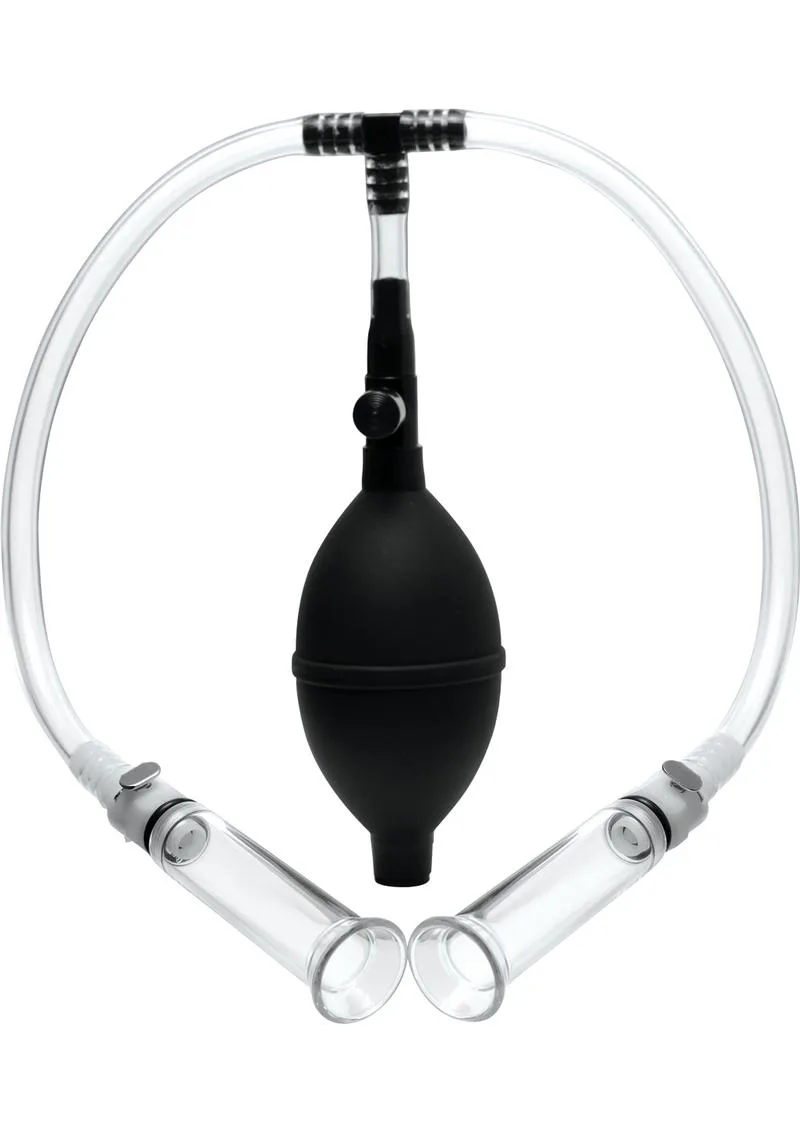
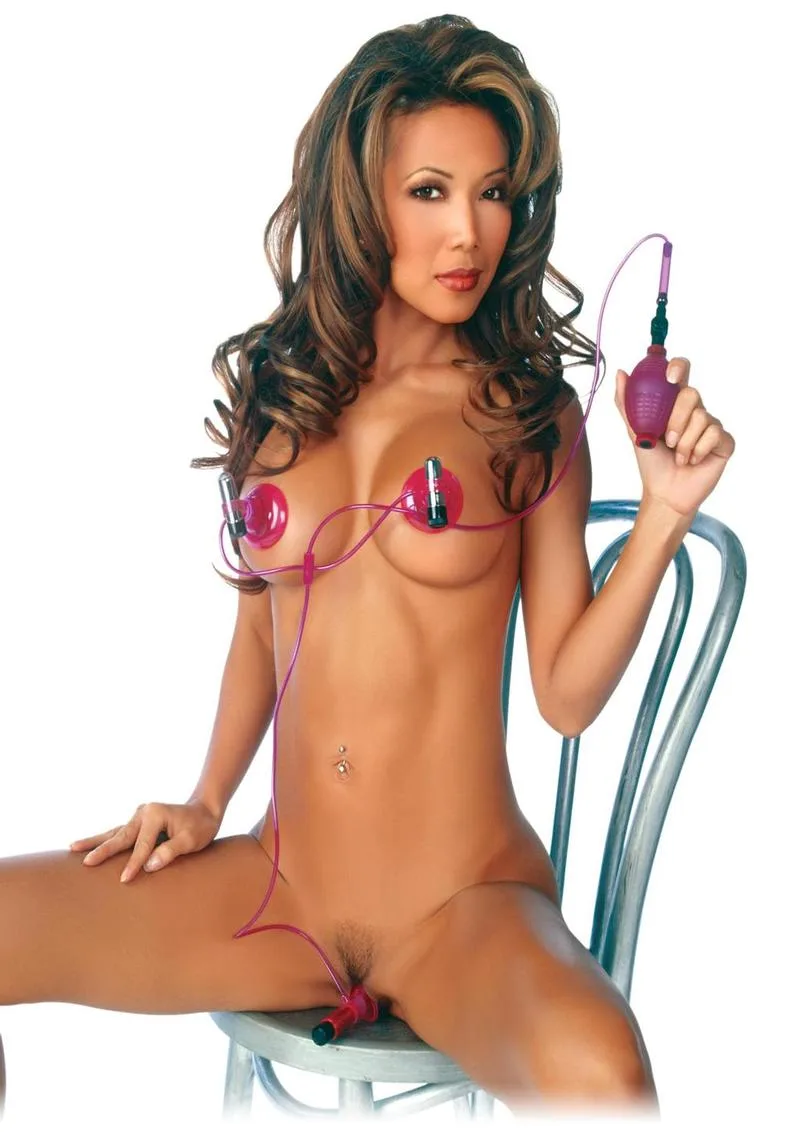
A nipple pump uses suction. You place a cylinder over the nipple and draw air out, which pulls blood into the tissue and makes the nipple swell. The feeling builds slowly and often reads as warm, full, and thrumming rather than sharp. Because the effect is gradual, a pump is often easier to tolerate for people who find direct pinching too intense at first.
Fit and sizing: what to measure before you buy
Clamp fit depends on pad width and spring or screw tension, not on a single size number. Wider pads spread pressure over more tissue, which usually feels less sharp than narrow pads. If a clamp slides off, the tension is too low or the pads are too narrow for your anatomy; if it pinches only the tip and leaves a deep mark, the tension is too high.
Pump fit depends on cylinder diameter. A cylinder that is too wide will pull in areola skin along with the nipple, which can feel uncomfortable and leave a broader ring mark. A cylinder that is too narrow will not create a good seal. Measure your nipple diameter at rest and choose a cylinder only slightly larger, then check the seal before you increase suction.
Adjustability and control during play
Adjustable clamps give you instant control. You can tighten or loosen with a screw or sliding ring, and you can remove them in one motion if the sensation spikes. That makes them a good choice for partnered play where you want to communicate and adjust in real time. Fixed-tension clamps are simpler but less forgiving.
A pump gives you control through pressure and time. You decide how many squeezes of the bulb or how many pumps of the handle to use, and you can pause to let the swelling settle. The trade-off is that the effect lingers after you stop, so the sensation continues for a few minutes even after you release the suction.
Safety and aftercare for both options
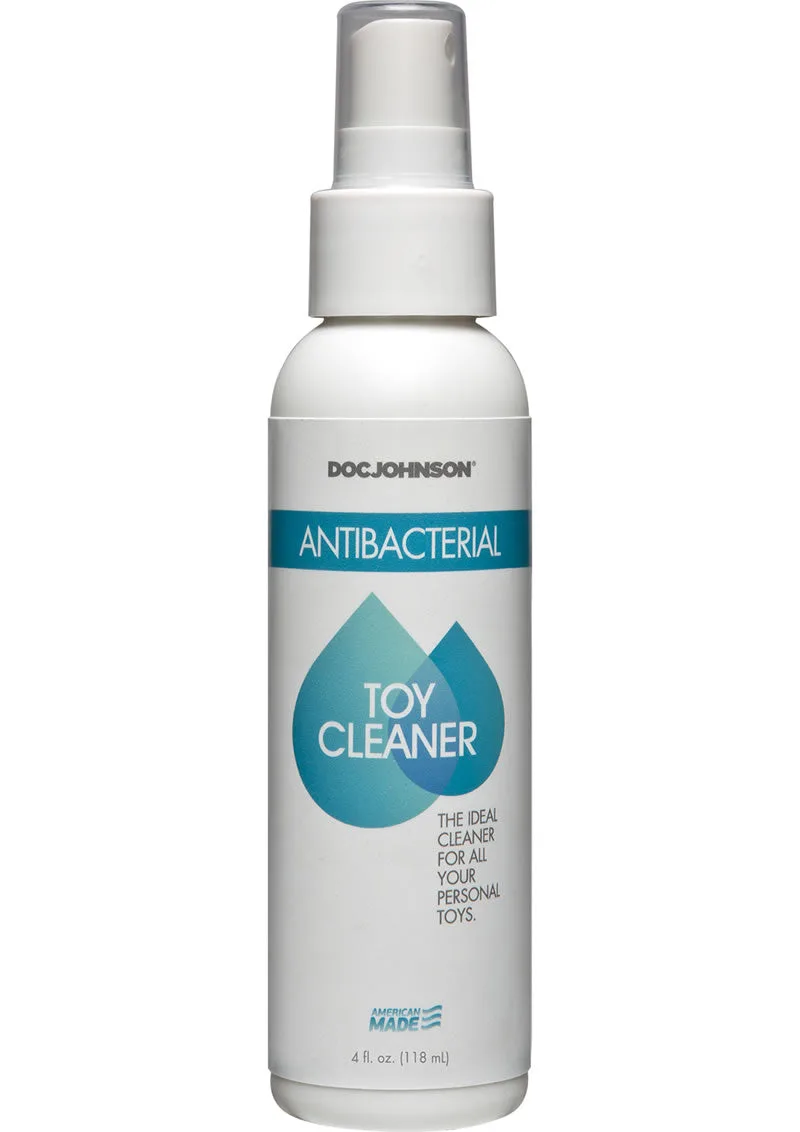
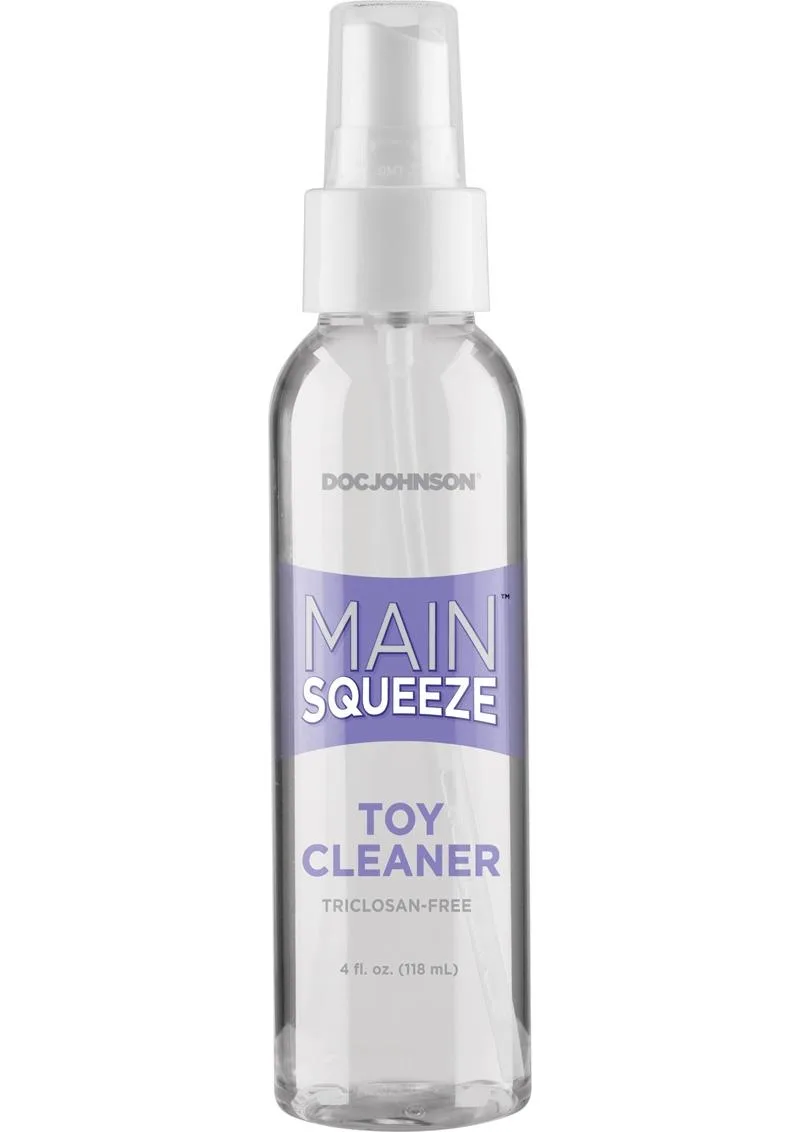
For clamps, keep sessions short and check the tissue every few minutes. Remove the clamp if you feel numbness, sharp pain, or see color changes that do not fade quickly. Never leave clamps on while sleeping, and avoid clamping over broken skin or piercings. Clean clamps with a toy cleaner or mild soap and water, and check pads for cracks before each use.
For pumps, start with low suction and short sessions, usually a few minutes. Release pressure slowly to avoid a sudden rush. Stop if you feel a deep ache or see blistering. Clean the cylinder and any removable parts after use, and let them dry fully before storage. If you use a pump with a partner, agree on a safe word or signal before you start.
Which one fits your sensitivity level
If your nipples are very sensitive, a pump often feels more manageable because suction builds gradually and you can stop before the sensation peaks. If your nipples are less sensitive or you want a sharper, more immediate jolt, an adjustable clamp with wide pads gives you more punch and more precise control.
Some people enjoy combining both: use a pump first to increase blood flow and sensitivity, then switch to a clamp for a sharper finish. If you try that, keep the total session short and check in with your body between stages.
Trade-offs at a glance
- Clamps: instant vs. lingering: Clamps deliver immediate pinch and pull, and you can release them in seconds. The trade-off is that the sensation can spike quickly, so you need to check in often and keep sessions short. Best if you want fast, adjustable intensity and clear on/off control.
- Pumps: gradual vs. delayed: Pumps build swelling and sensitivity over minutes, which feels less sharp. The trade-off is that the effect lingers after you stop, and a poor seal or wrong cylinder size can make the session uncomfortable. Best if you prefer a slower build and a fuller, thrumming sensation.
- Fit: pads vs. cylinder: Clamp fit depends on pad width and tension; pump fit depends on cylinder diameter. Neither uses a single universal size, so measure and test before a long session. Check fit first, then adjust intensity.
Two grounded options to compare
- Fort Troff Hardwire Hangers: Fort Troff Hardwire Hangers are pro-level nip tuggers with extra-wide silicone pads designed to grab a meaty chunk and hold tight, plus an aluminum O-ring for stacking weights. The wide pads spread pressure, which can feel less sharp than narrow clamps, and the O-ring lets you add pull for a stretch sensation instead of pure pinch.
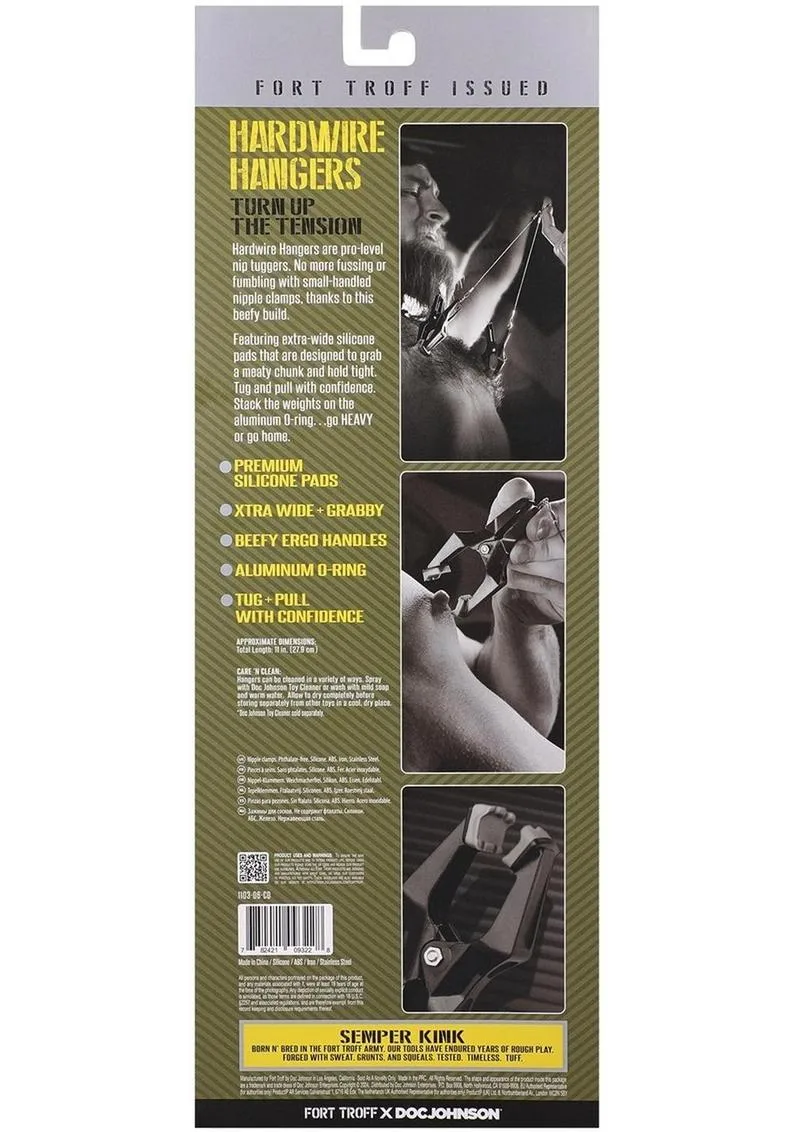
Fort Troff Hardwire Hangers
- ME YOU US Ripple G-Spot Peg: ME YOU US Ripple G-Spot Peg is an 8-inch textured peg shaped to target the G-spot or P-spot, available in multiple colors and measures. If you already enjoy internal stimulation and want a textured, curved shape, this is a concrete option to compare against a pump or clamp for a different kind of sensation.
Which should you choose?
Choose clamps if you
- want immediate, adjustable pinch-and-pull sensation
- prefer clear on/off control and quick release
- enjoy weighted or O-ring designs that add tug
Choose a pump instead if you
- find direct pinching too sharp or intense
- prefer a gradual build and visible swelling
- want a sensation that lingers after you stop