Quick answer
There is no single official list of nipple cream ingredients to avoid, but you can make safer choices by checking labels for unnecessary preservatives, added fragrances, and ingredients that require removal before feeding. For breastfeeding, the simplest approach is to choose a cream with a short, recognizable ingredient list and follow the manufacturer's directions. If you are unsure about a specific ingredient, ask your healthcare provider.
Why ingredient lists matter more than marketing claims
Terms like 'natural' or 'organic' on the front of a tube do not tell you what is inside. The ingredient panel is the only place where you can see exactly what you are putting on your skin. For breastfeeding parents, that matters because anything applied to the nipple can end up in your baby's mouth. A short, clear ingredient list is easier to evaluate than a long list of unfamiliar names. If a product does not disclose its full ingredients, that is a reason to look for another option.
Common ingredients people ask about
Lanolin is a common nipple cream ingredient derived from sheep's wool. Some parents worry about pesticides or allergens, but highly refined lanolin is widely used in breastfeeding care. If you have a known wool allergy, check with your provider before using it. Preservatives such as parabens, phenoxyethanol, and methylisothiazolinone are added to water-based creams to prevent mold and bacteria. They are not automatically unsafe, but some parents prefer to avoid them, especially if they have sensitive skin. Fragrances and essential oils can irritate delicate nipple tissue or make a baby reject the breast due to a strong scent. If a cream contains fragrance, you may want to patch-test it first.
How to read a nipple cream label in 4 steps
Start by finding the ingredient list, usually on the back or side of the tube. Next, look for any ingredient you know you are allergic or sensitive to. Then check whether the product requires you to wipe it off before feeding; if it does, that adds a step to every nursing session. Finally, consider the number of ingredients. A shorter list is not automatically better, but it is easier to understand. If you see a long list of chemicals you do not recognize, you can look them up or ask a pharmacist.
What about organic nipple cream?
Organic nipple cream is made with organically grown ingredients, but 'organic' does not mean preservative-free or hypoallergenic. An organic cream can still contain essential oils or preservatives that may irritate your skin. When evaluating an organic option, apply the same label-reading steps: check for allergens, preservatives, and whether it needs to be removed before feeding. If the product is USDA-certified organic, that tells you about farming practices, not about safety for every individual.
When to talk to a healthcare provider
If you have persistent nipple pain, cracking, or a rash that does not improve, see a lactation consultant or doctor. They can check for infections like thrush or bacterial dermatitis, which require specific treatment. They can also review your nipple cream and any other products you are using. Do not rely on label reading alone to diagnose or treat a medical condition.
Myth vs. fact: nipple cream ingredients
- Myth: All preservatives are unsafe for breastfeeding.: Preservatives prevent harmful bacteria and mold from growing in water-based creams. Without them, a product could become contaminated and cause infections. The type and amount matter, but preservatives are not automatically dangerous. Verdict: Not true. Choose products with preservatives you are comfortable with, or ask a pharmacist.
- Myth: You must always wipe off nipple cream before feeding.: Some creams are designed to be left on and do not require removal, while others do. The label instructions are the best guide. Wiping off cream every time can cause extra friction and may worsen soreness. Verdict: Check the label. Follow the manufacturer's directions for that specific product.
- Myth: Organic nipple cream is always safe for sensitive skin.: Organic ingredients can still cause allergic reactions. For example, some people react to lanolin or essential oils, whether organic or not. Always patch-test a new product on a small area of skin first. Verdict: Not guaranteed. Test before regular use, especially if you have allergies.
Product facts
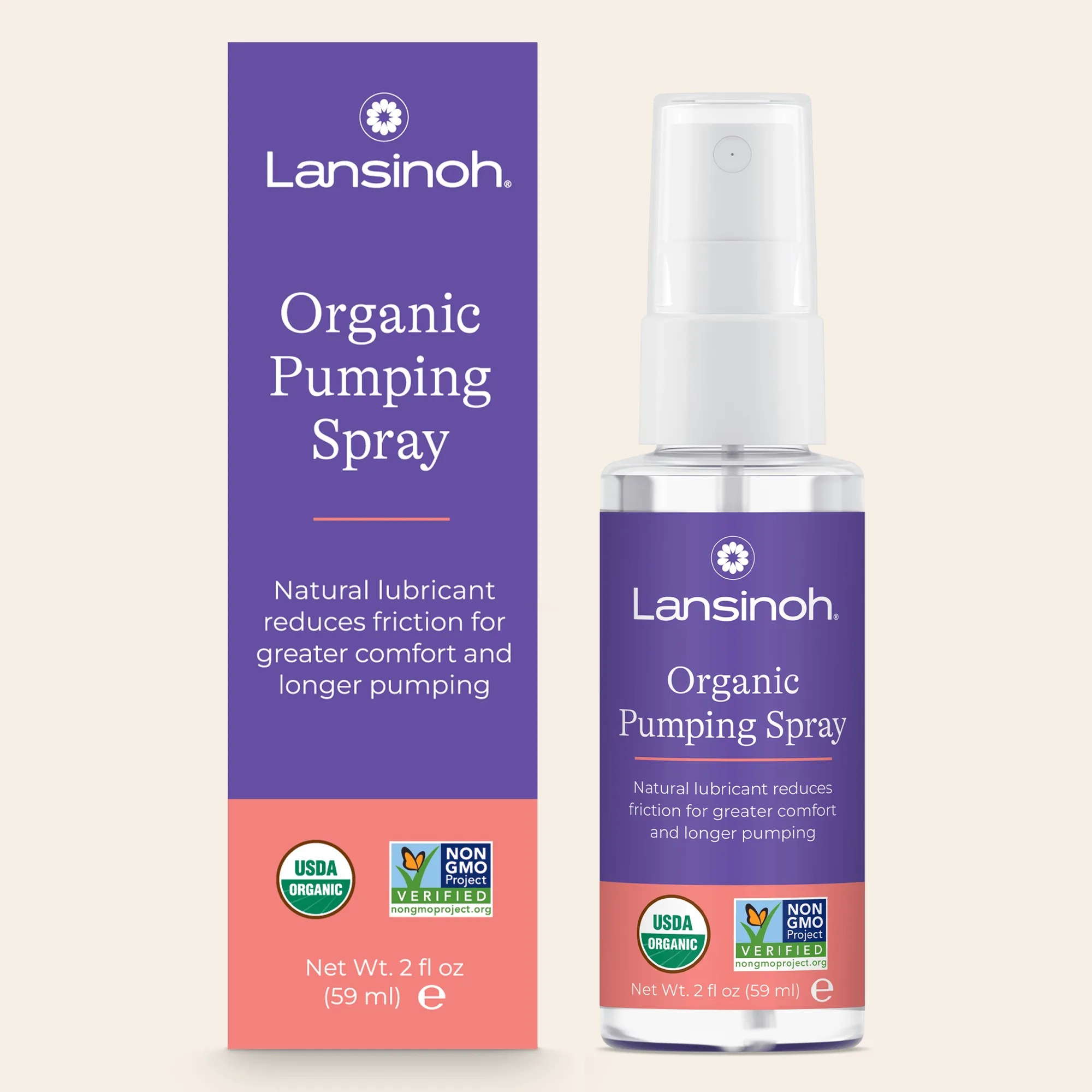
- Organic Pumping Spray: Lansinoh Organic Pumping Spray is designed to support your pumping routine with a gentle, organic formula. It offers a convenient spray application for quick and easy use. If you pump, a spray can be easier to apply than a cream, especially when you are already handling pump parts. It is an organic option to consider if you want to avoid certain ingredients.
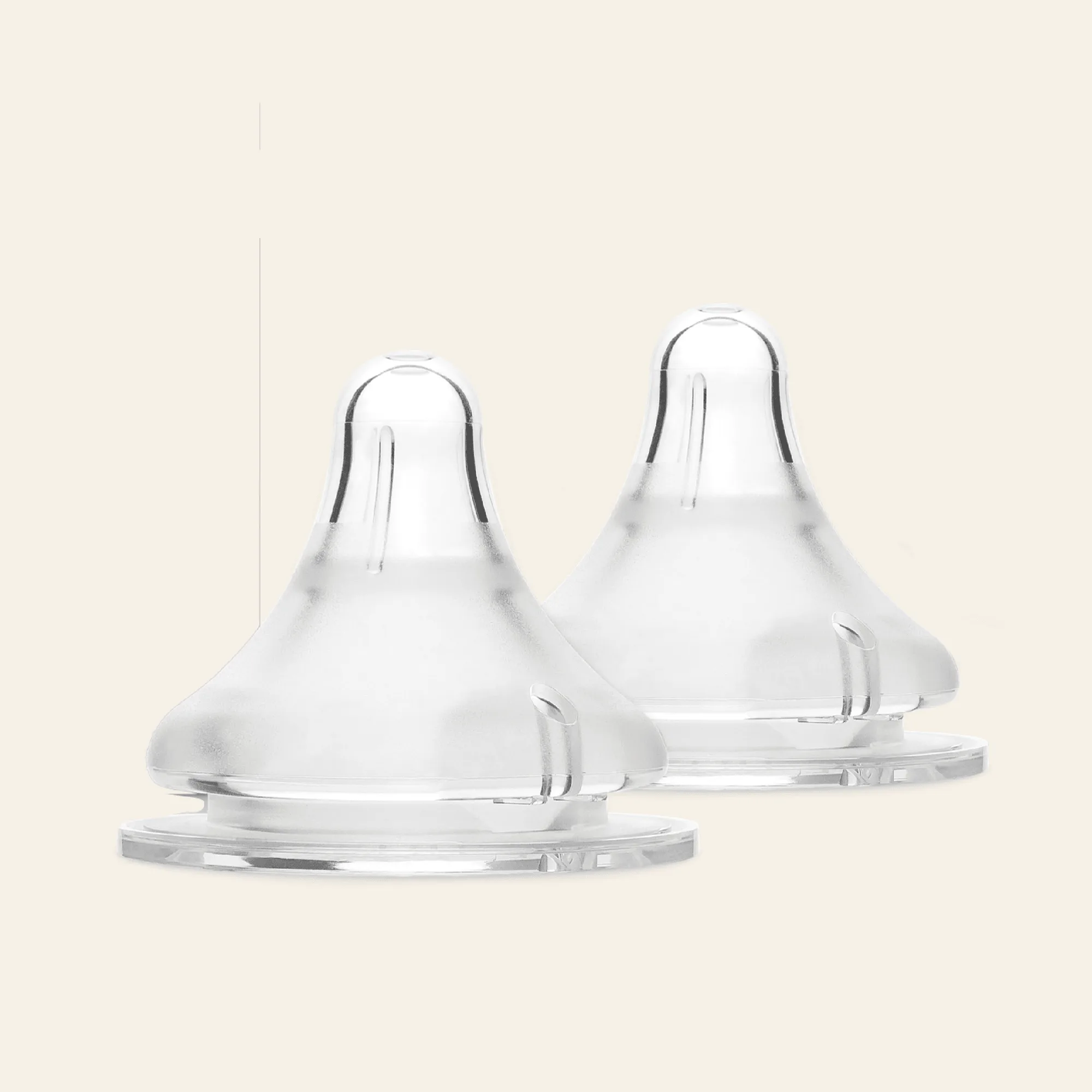
- NaturalWave® Nipples - 2 count: The Lansinoh NaturalWave Nipple is clinically proven to reduce nipple confusion. It enables baby to engage in the same natural sucking actions learned at the breast. If you are struggling with nipple confusion, the bottle nipple you use matters. This nipple is designed to support a smooth transition between breast and bottle.
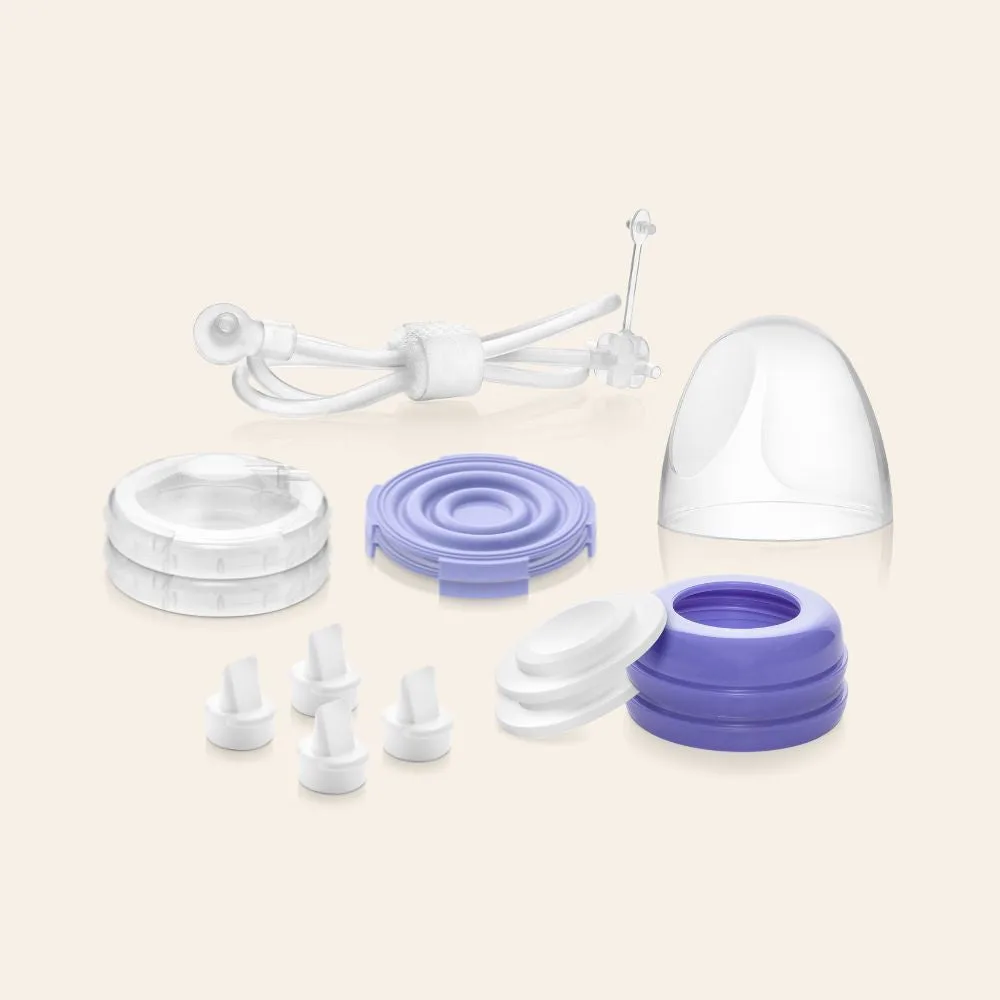
- Breast Pump Parts Bundle for Signature Pro and Smartpump: The Breast Pump Parts Bundle for Signature Pro and Smartpump extends the life of Lansinoh breast pumps and maintains top performance with frequently lost or worn parts. Replacing worn pump parts can help maintain suction and efficiency, which may reduce nipple discomfort during pumping.