Quick Answer
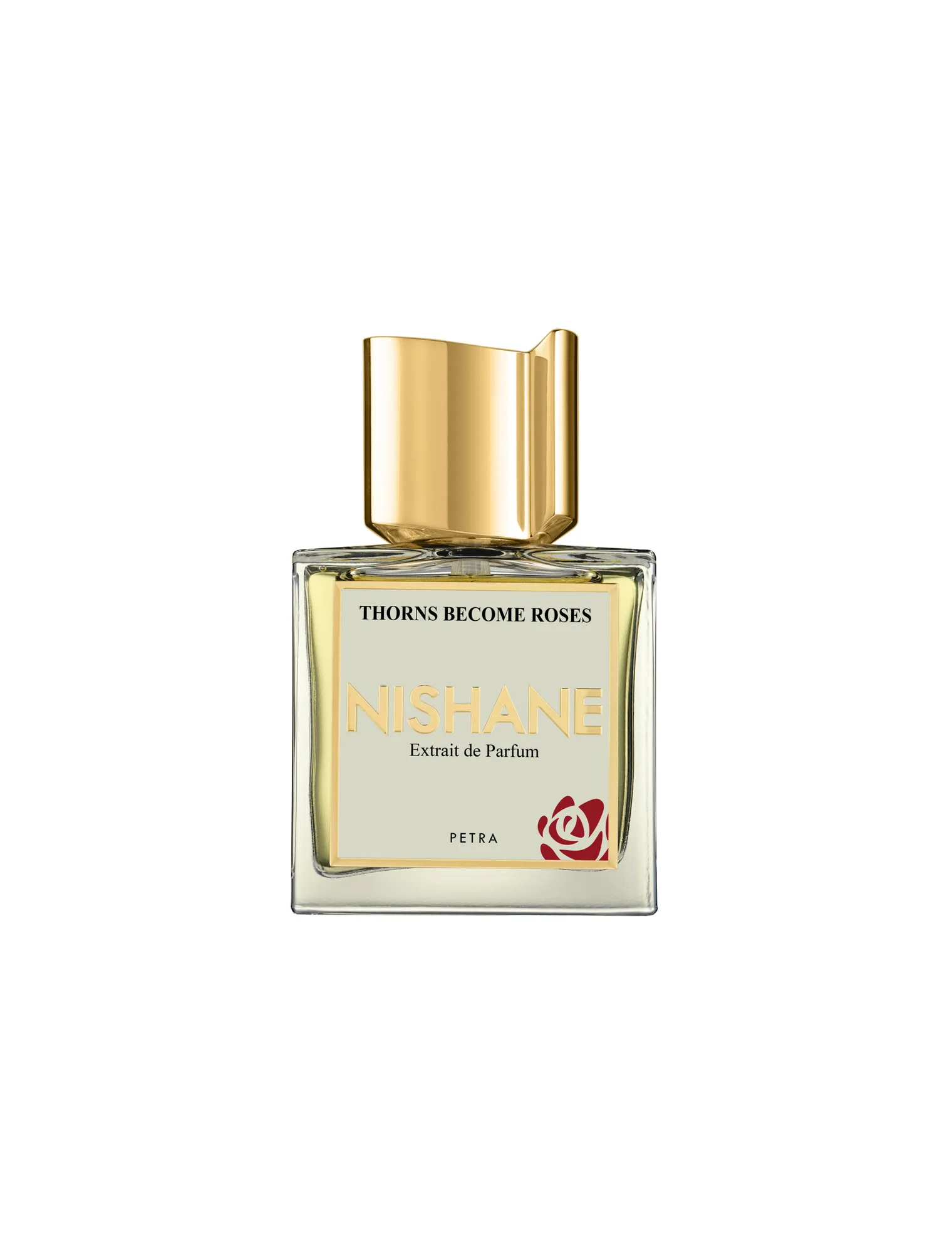
Perfume and cologne differ mainly in concentration and style. NISHANE's COLOGNISÉ and SAFRAN COLOGNISÉ are Extrait de Cologne—citrus-forward, lighter, and ideal for daytime—while their Extrait de Parfum offerings like THORNS BECOME ROSES are richer and longer-lasting. Choose based on your preferred scent intensity and occasion.
When exploring NISHANE's collection, you'll encounter both 'Extrait de Cologne' and 'Extrait de Parfum' on the labels. These terms describe fragrance concentration and character, not gender or quality. Understanding the difference helps you pick a scent that matches your lifestyle and preferences.
In this comparison, we'll look at NISHANE's Extrait de Cologne options—COLOGNISÉ and SAFRAN COLOGNISÉ—and contrast them with their Extrait de Parfum creations like THORNS BECOME ROSES. We'll cover fragrance strength, typical usage, and trade-offs, so you can decide which style suits you best.
What Is Extrait de Cologne?
Extrait de Cologne is a fragrance concentration that sits between a traditional Eau de Cologne and an Extrait de Parfum. It typically features a higher percentage of aromatic oils than classic colognes, offering a longer-lasting scent while maintaining a fresh, citrus-forward character. NISHANE's COLOGNISÉ and SAFRAN COLOGNISÉ are examples of this style.
These fragrances open with vibrant citrus notes that evoke the classic cologne feel but are built with the complexity of a niche house. They are designed to be versatile and easy to wear, making them excellent choices for daily use, especially in warmer weather or professional settings where a subtle presence is appreciated.
- Extrait de Cologne offers a balance between freshness and longevity.
- Ideal for those who prefer lighter scents that don't overpower.
What Is Extrait de Parfum?
Extrait de Parfum is the highest concentration of fragrance oils, typically ranging from 20-30%. This results in a more intense, longer-lasting scent that projects strongly and clings to the skin for hours. NISHANE's THORNS BECOME ROSES and HUNDRED SILENT WAYS are examples, each with complex compositions that unfold slowly over time.
Because of their richness, Extrait de Parfum fragrances are often chosen for evening wear, cooler seasons, or special occasions. They require fewer sprays and offer a more intimate scent experience, as the fragrance evolves on the skin throughout the day.
- Extrait de Parfum offers superior longevity and sillage.
- Best for making a statement or when you want a scent that lasts all day.
Comparing NISHANE's Extrait de Cologne and Extrait de Parfum
When comparing NISHANE's Extrait de Cologne to their Extrait de Parfum, consider the scent profile and how it fits your daily routine. COLOGNISÉ and SAFRAN COLOGNISÉ are citrus-floral and citrus-leathery, respectively, with a musky base. They are bright, refreshing, and easy to wear, making them perfect for daytime and casual settings.
In contrast, THORNS BECOME ROSES is fruity, ambery, and woody—a more opulent and warm composition that lingers. MANA and HUNDRED SILENT WAYS X offer spicy-oriental and floral-gourmand-leathery profiles, respectively, each with a depth that commands attention. The choice ultimately depends on whether you prefer a lighter, more refreshing scent or a deeper, more complex one.
- Citrus-forward colognes suit active lifestyles and warmer climates.
- Richer extraits are better for cooler weather and evening events.
Trade-Offs to Consider
- Longevity vs. Freshness: Extrait de Cologne offers a refreshing, lighter scent that may need reapplication, while Extrait de Parfum lasts longer but can be more intense. If you value all-day wear, choose an extrait; if you prefer to reapply and enjoy a fresh feel, go with a cologne.
- Scent Profile: Colognes like COLOGNISÉ are citrus-forward and airy, while extraits like THORNS BECOME ROSES are rich and opulent. Match the profile to your personality: bright and energetic vs. deep and complex.
- Occasion: Colognes suit daytime, casual, and warm-weather settings; extraits shine in evening, formal, or cooler-weather scenarios. Consider your daily activities and climate when deciding.
NISHANE Fragrance Facts
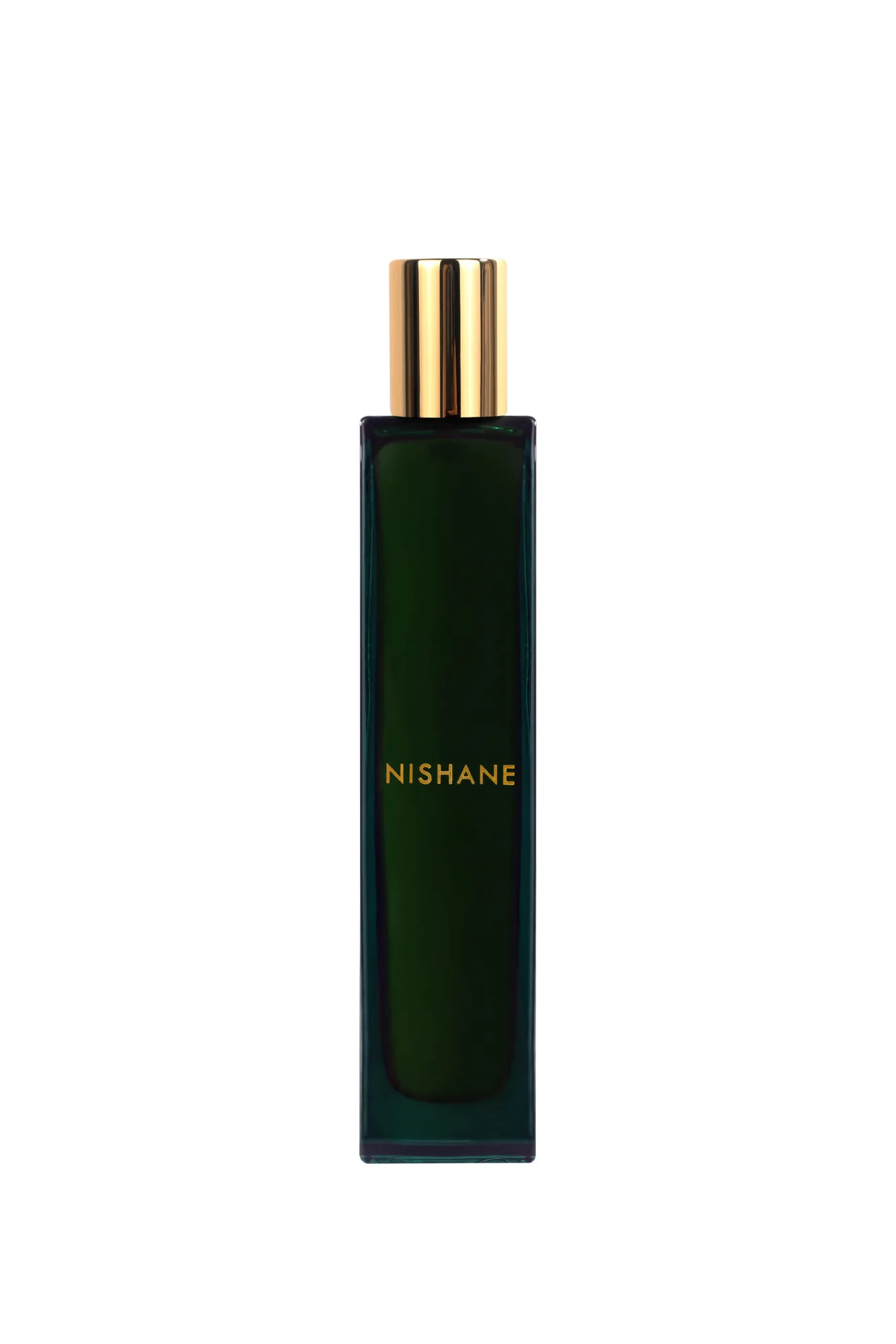
- COLOGNISÉ - NISHANE: COLOGNISÉ by NISHANE is an Extrait de Cologne that opens with a vibrant citrus accord, unfolding into a delicate floral heart and settling into a soft, musky base. This makes it a fresh, versatile choice for daily wear, especially in spring and summer or in office environments where a subtle, clean scent is preferred.
- SAFRAN COLOGNISÉ - NISHANE: SAFRAN COLOGNISÉ by Nishane is a refined Extrait de Cologne that opens with vibrant citrus notes, leading into a warm, leathery heart and a soft, musky base. The leathery twist adds sophistication, making it suitable for those who want a cologne with more character—great for casual evenings or creative workplaces.
- THORNS BECOME ROSES - NISHANE: THORNS BECOME ROSES by Nishane is a captivating fragrance that blends fruity, ambery, and woody accords, offering a sophisticated scent experience. As an Extrait de Parfum, it offers greater longevity and projection, ideal for when you want a fragrance that lasts through long days or special events.
Which Should You Choose?
Best for
- Those who prefer a light, fresh scent for daily wear, especially in warm climates or office settings.
- Individuals who enjoy citrus and floral notes and want a versatile fragrance that can be worn year-round.
Not for
- Those who seek maximum longevity and projection from a single application.
- People who prefer deep, intense, or oriental fragrances—consider an Extrait de Parfum like MANA instead.
In the end, the choice between NISHANE's Extrait de Cologne and Extrait de Parfum comes down to personal preference and lifestyle. If you're drawn to bright, refreshing scents that feel effortless, a cologne like COLOGNISÉ or SAFRAN COLOGNISÉ will serve you well. If you want a fragrance that makes a lasting impression and evolves beautifully over hours, an extrait such as THORNS BECOME ROSES is worth exploring. Whichever you pick, NISHANE's craftsmanship ensures a memorable scent experience.