Quick Answer
The main difference is where the leash attaches. A front-clip harness has a leash attachment on the chest, which steers your dog toward you when they pull. A no-pull harness often uses a front clip but may also include additional features like a martingale loop or a second attachment point. For most dogs that pull, a front-clip harness is effective, but a dedicated no-pull design can offer extra control for strong pullers or escape artists.
If you're tired of being dragged on walks, you've probably searched for a solution and come across two terms: no-pull harness and front-clip harness. They sound similar, but they're not exactly the same. Understanding the difference can help you choose the right gear for your dog's specific pulling behavior.
In this comparison, we'll break down how each type works, the trade-offs you need to consider, and how to match the harness to your dog's size, strength, and walking style. We'll also look at real options from Hurtta that fit each category.
What Is a Front-Clip Harness?
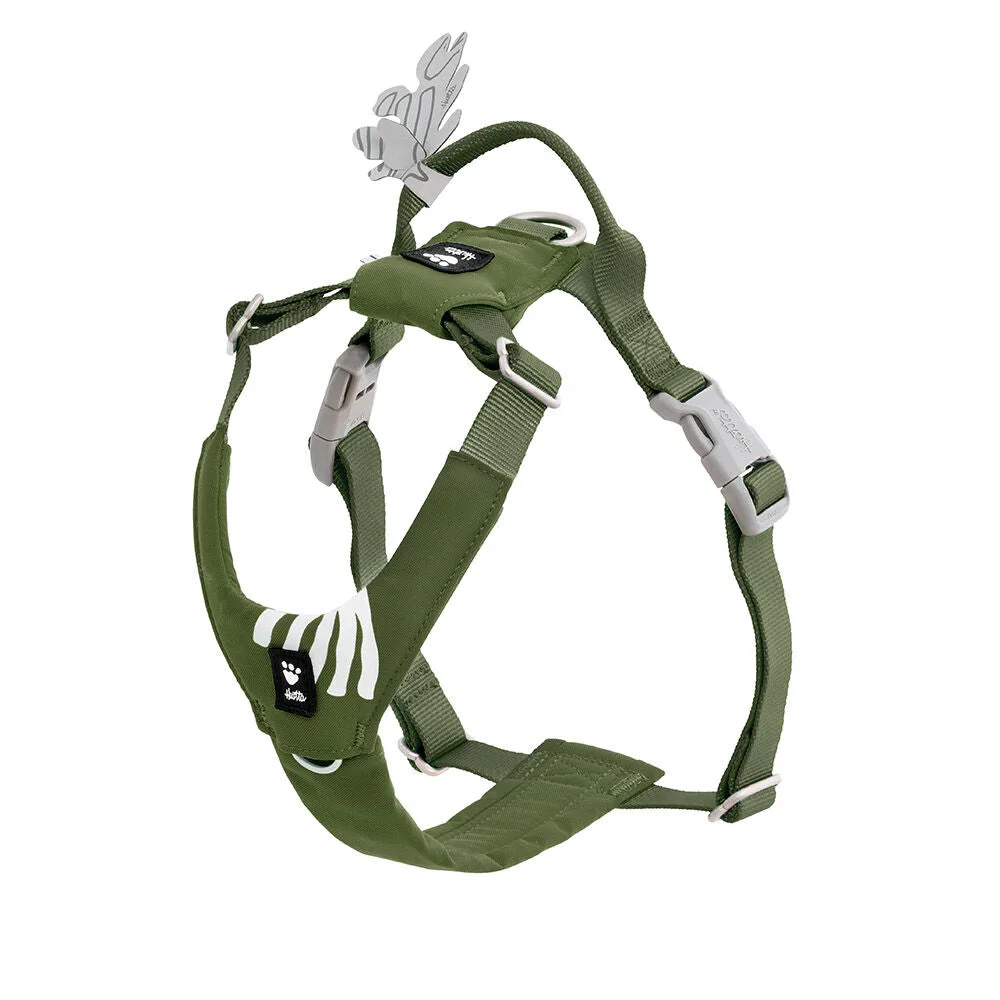
A front-clip harness has a leash attachment ring located on the dog's chest, usually at the sternum area. When your dog pulls forward, the harness gently turns their body to the side, redirecting their attention back to you. This mechanism discourages pulling without putting pressure on the neck, making it a safer alternative to collars.
Front-clip harnesses are often recommended for dogs that pull moderately, puppies learning leash manners, or dogs that tend to lunge. They provide good control and are easy to use. However, the effectiveness depends on the harness's fit and the dog's size; a poorly fitted front-clip harness can rub or shift, reducing its steering effect.
What Is a No-Pull Harness?
A no-pull harness is a broader term that includes any harness designed to reduce pulling. Many no-pull harnesses feature a front clip, but they may also incorporate additional elements like a martingale loop (a limited-slip loop that tightens slightly when the dog pulls) or a second attachment point on the back. These features give you more control and can be more effective for strong pullers.
No-pull harnesses are ideal for dogs that are strong, determined pullers, or those that have learned to ignore a simple front clip. They often have more padding and adjustability to ensure a secure, comfortable fit. The trade-off is that they can be more complex to put on and may have more straps or buckles.
Key Differences at a Glance
The core difference is the mechanism: front-clip harnesses rely solely on the chest attachment to redirect, while no-pull harnesses may add a tightening loop or multiple attachment points for extra control. This means no-pull harnesses can be more effective for heavy pullers, but they might also be less comfortable if not fitted properly.
When choosing, consider your dog's pulling intensity and your comfort with the harness design. If your dog is a light puller, a simple front-clip harness might suffice. If you have a powerful dog that pulls relentlessly, a no-pull harness with a martingale loop could be the better investment.
Trade-Offs to Consider
- Control vs. Comfort: No-pull harnesses often provide more control with features like martingale loops, but they may have more straps that can cause chafing if not fitted perfectly. Front-clip harnesses are simpler and often more comfortable, but may not be enough for strong pullers. Assess your dog's pulling strength and sensitivity to decide which trade-off you're willing to make.
- Ease of Use vs. Complexity: Front-clip harnesses are usually easier to put on and take off, making them great for everyday walks. No-pull harnesses with additional features might require more fiddling, but the extra control can be worth it for challenging walks. If you prioritize convenience and your dog isn't a heavy puller, a front-clip harness is simpler. For tough cases, invest time in a no-pull design.
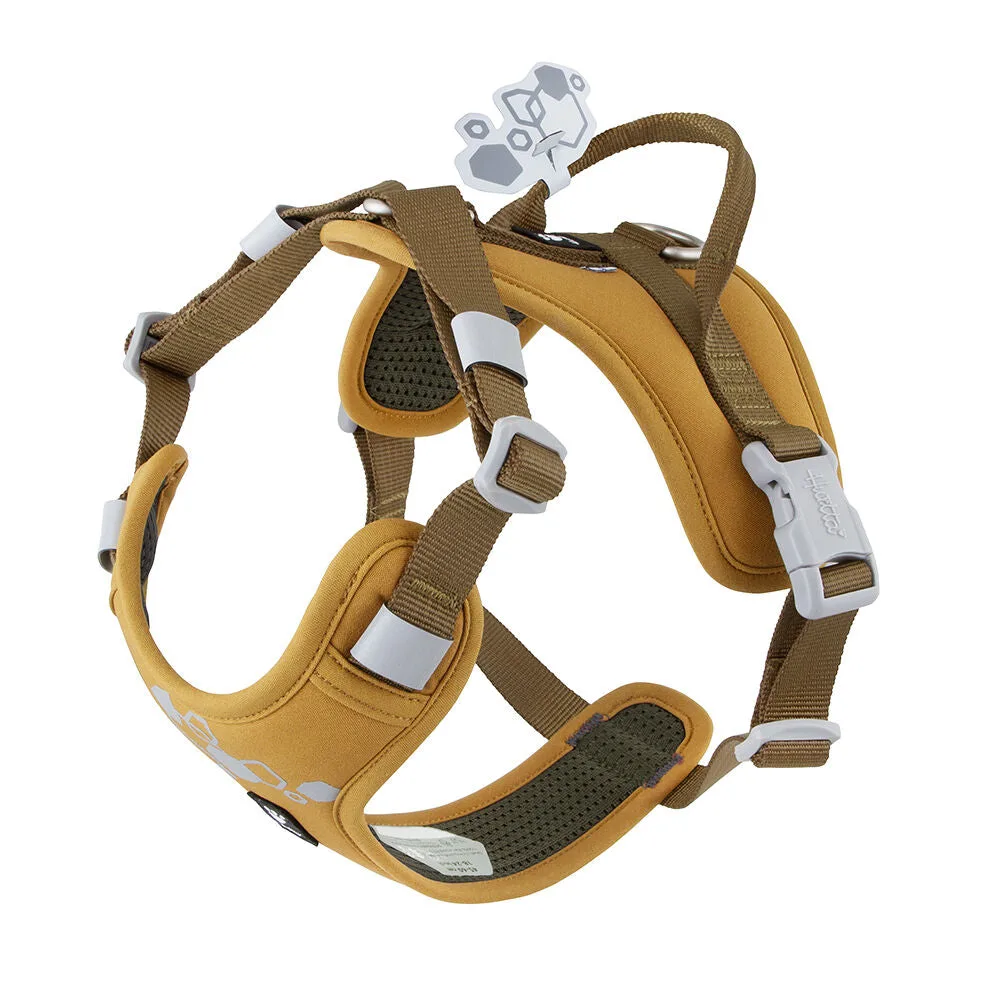
- Fit and Adjustability: Both types require a proper fit to work effectively. Look for harnesses with multiple adjustment points, like the Seeker Harness, to ensure a snug but comfortable fit. A loose harness can rub and reduce control. Measure your dog carefully and choose a harness with good adjustability to maximize performance and comfort.
Hurtta Harnesses That Fit the Bill
- Seeker Harness: Designed to stay securely by your side. Perfect for small and medium dogs, including puppies, this harness offers abundant adjustability and is made from lightweight, soft recycled materials. Its adjustability helps ensure a snug fit, which is crucial for a front-clip harness to work effectively without rubbing. The lightweight material is great for puppies or small dogs that are just learning to walk on a leash.
- Weekend Warrior Harness II ECO: In this updated version of our best-selling harness, we’ve narrowed the padding at the front, meaning it fits even the slimmest dogs perfectly, and repositioned the metal loop for the leash, ensuring it remains firmly on top of the padding and never causes discomfort. The repositioned leash loop is a classic front-clip feature that helps redirect pulling. The narrowed padding ensures a better fit for slim dogs, making it a good choice for those that need a front-clip harness that won't shift or chafe.
Which Should You Choose?
Best for
- Dogs that pull moderately and need a simple, effective solution – a front-clip harness like the Weekend Warrior Harness II ECO.
- Puppies or small dogs learning leash manners – a lightweight, adjustable front-clip harness like the Seeker Harness.
Not for
- Strong, determined pullers that need extra control – consider a no-pull harness with a martingale loop or additional features.
- Dogs with sensitive skin that may chafe from extra straps – a simpler front-clip harness might be better.
In the end, the right harness depends on your dog's individual pulling behavior and your preferences. A front-clip harness offers a simple, comfortable start, while a no-pull harness provides extra control for stubborn pullers. Try one, adjust the fit, and see how your walks improve.