Quick answer
No. Noise-cancelling headphones are designed for listening, not for occupational noise protection. They do not carry the certified noise reduction ratings that work earmuffs do, and they cannot be relied on to keep loud workplace noise at a safe level. If your job exposes you to damaging noise, choose certified hearing protection such as work earmuffs or earplugs—not consumer headphones.
Why the headphone myth persists
Noise-cancelling headphones use electronics to reduce low-frequency hum, which makes them feel like a shield against noise. In a noisy office or on a flight, they can make the environment seem quieter. That perceived quiet is easy to mistake for protection. But feeling quieter is not the same as being protected. Occupational noise protection is measured with standardized attenuation ratings, and consumer headphones are not tested or certified for that purpose. The myth survives because the experience of quiet feels convincing, even when the actual sound level reaching your ear remains unsafe.
What actually matters for workplace hearing protection
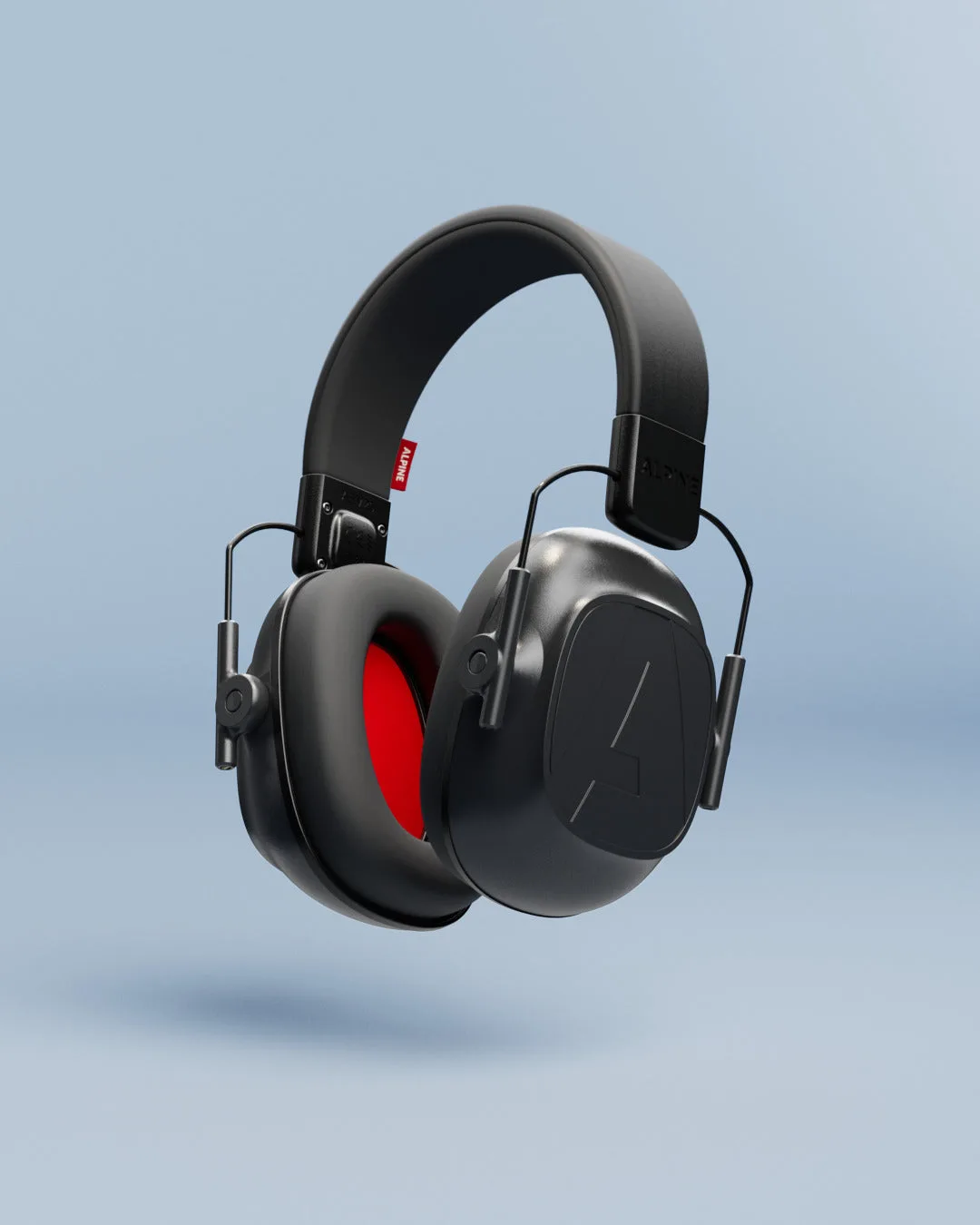
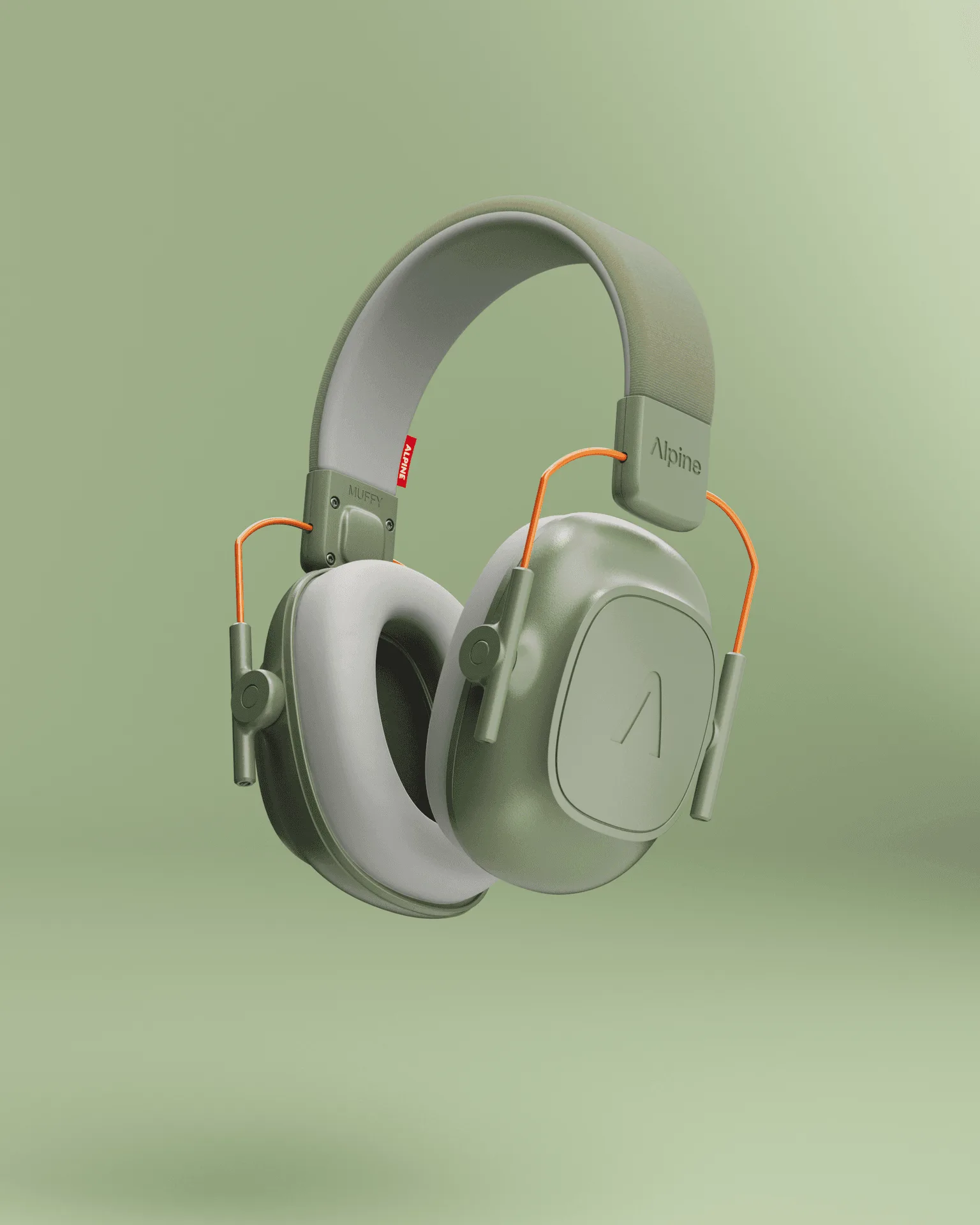
Hearing protection for loud workplaces must reduce sound at the ear by a known, reliable amount. That is why certified earmuffs and earplugs are the standard. They are built from materials that physically block sound, and their noise reduction is verified against safety standards. For example, Muffy Baby Comfort provides 24 dB noise reduction and is CE & ANSI certified. That kind of verified rating is what you need when noise is loud enough to damage hearing over time. Consumer headphones do not provide that assurance. If a product does not state a certified noise reduction rating, you cannot assume it protects your hearing at work.
The earplugs under headphones question
Some workers try to combine earplugs with noise-cancelling headphones, hoping for extra quiet plus music. This can be risky. Wearing earplugs under headphones can change how the headphones fit, which may reduce their noise-cancelling performance and make you turn up the volume to compensate. Higher volume through headphones is itself a hearing risk. If you need both protection and audio, the safer approach is to use certified earmuffs for protection and keep headphone volume low, or use earmuffs with built-in communication features designed for noisy workplaces. Do not rely on the combination of earplugs and consumer headphones as your primary protection.
When headphones are fine—and when they are not
Noise-cancelling headphones are perfectly reasonable for moderate noise: open-plan offices, commuting, or blocking background hum while you focus. They are not appropriate for genuinely loud environments such as construction sites, factories, or venues with amplified music. The dividing line is whether the noise is loud enough to cause hearing damage over time. If you have to shout to be heard by someone an arm's length away, the noise is likely in the hazardous range, and you need certified protection. For those situations, choose work earmuffs or earplugs with a stated noise reduction rating. For quieter settings, headphones are a comfort and convenience tool, not a safety device.
Myth-busting verdicts
- Noise-cancelling headphones protect hearing at work: They reduce some low-frequency noise for comfort, but they are not certified for occupational noise protection and do not carry a verified noise reduction rating. Myth. Use certified earmuffs or earplugs for loud workplaces.
- Earplugs under headphones give better protection: Combining them can alter headphone fit, reduce noise-cancelling performance, and tempt you to raise volume, which adds risk. Not recommended as primary protection. Choose certified earmuffs instead.
- Any earmuff or headphone that feels quiet is safe: Perceived quiet is not a safety measure. Only products with a stated, certified noise reduction rating can be trusted for hearing protection. Check for a certified dB rating before relying on any product for work noise.
Product facts that matter for protection
- Muffy Baby Comfort: Muffy Baby Comfort provides 24 dB noise reduction and is CE & ANSI certified. A verified 24 dB rating shows the earmuff is tested to reduce noise by a specific amount, unlike consumer headphones that do not carry certified attenuation claims.