Quick Answer
Choose non-paper stationery if you rewrite notes often, travel with a small bag, or want one tool to serve several tasks. Choose paper stationery if you archive finished work, prefer the feel of pen on paper, or need to hand a physical copy to someone. Most desks work best with a hybrid: a reusable core plus a thin paper notebook for anything you must keep or share.
The Real Differences: Cost, Space, and Permanence
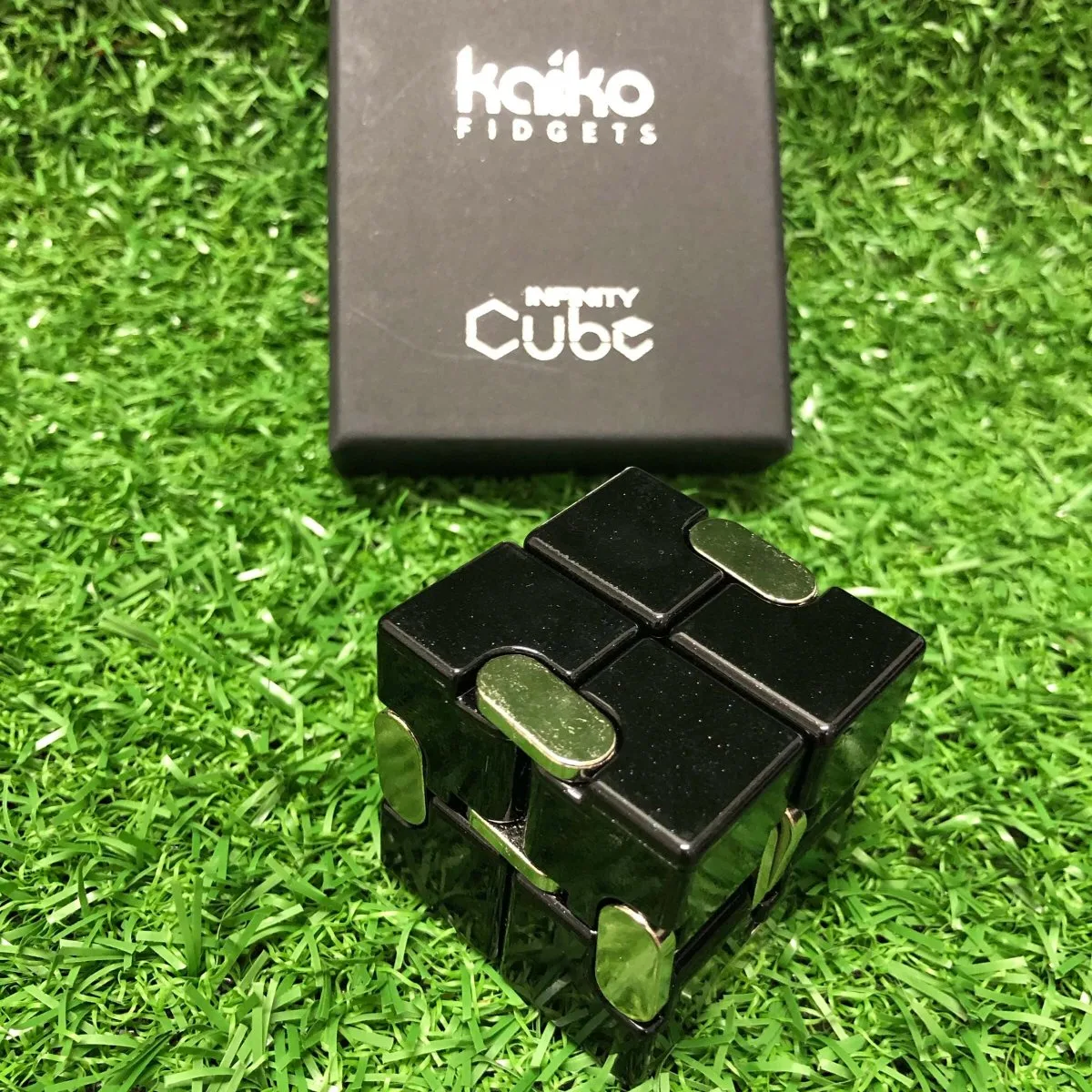
The decision is not paper versus plastic. It is how often you rewrite, how much you carry, and whether the page needs to survive. Reusable stationery options such as erasable notebooks, digital tablets, and laminated planners cost more up front but replace repeated paper purchases. Paper notebooks cost less per unit but add up when you fill them quickly.
Space matters just as much. A reusable notebook is one object that covers lists, drafts, and schedules. Paper stacks grow into piles unless you file or recycle them. If your desk is small or shared, the single-object approach usually wins.
Permanence is the tiebreaker. Paper is a stable archive you can hand to a colleague or store in a folder. Reusable surfaces are working tools, not records. If losing a page would cause a problem, keep paper for that task.
How to Build a Hybrid Desk Setup
Start by listing every writing task in a normal week. Mark each one as rewrite, archive, or share. Rewrite tasks belong on reusable stationery. Archive and share tasks belong on paper. This one sort prevents most clutter because you stop buying paper for work you will erase anyway.
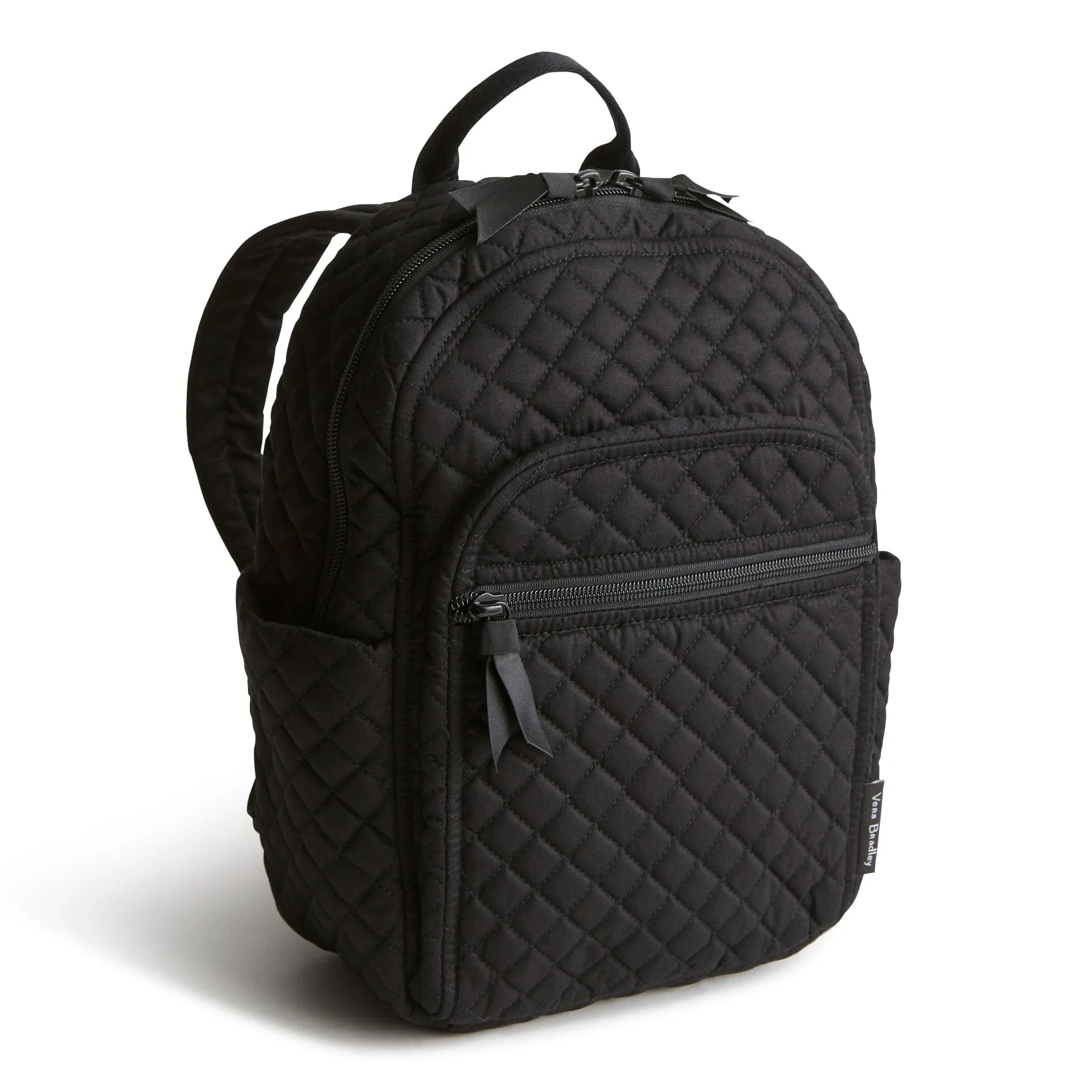
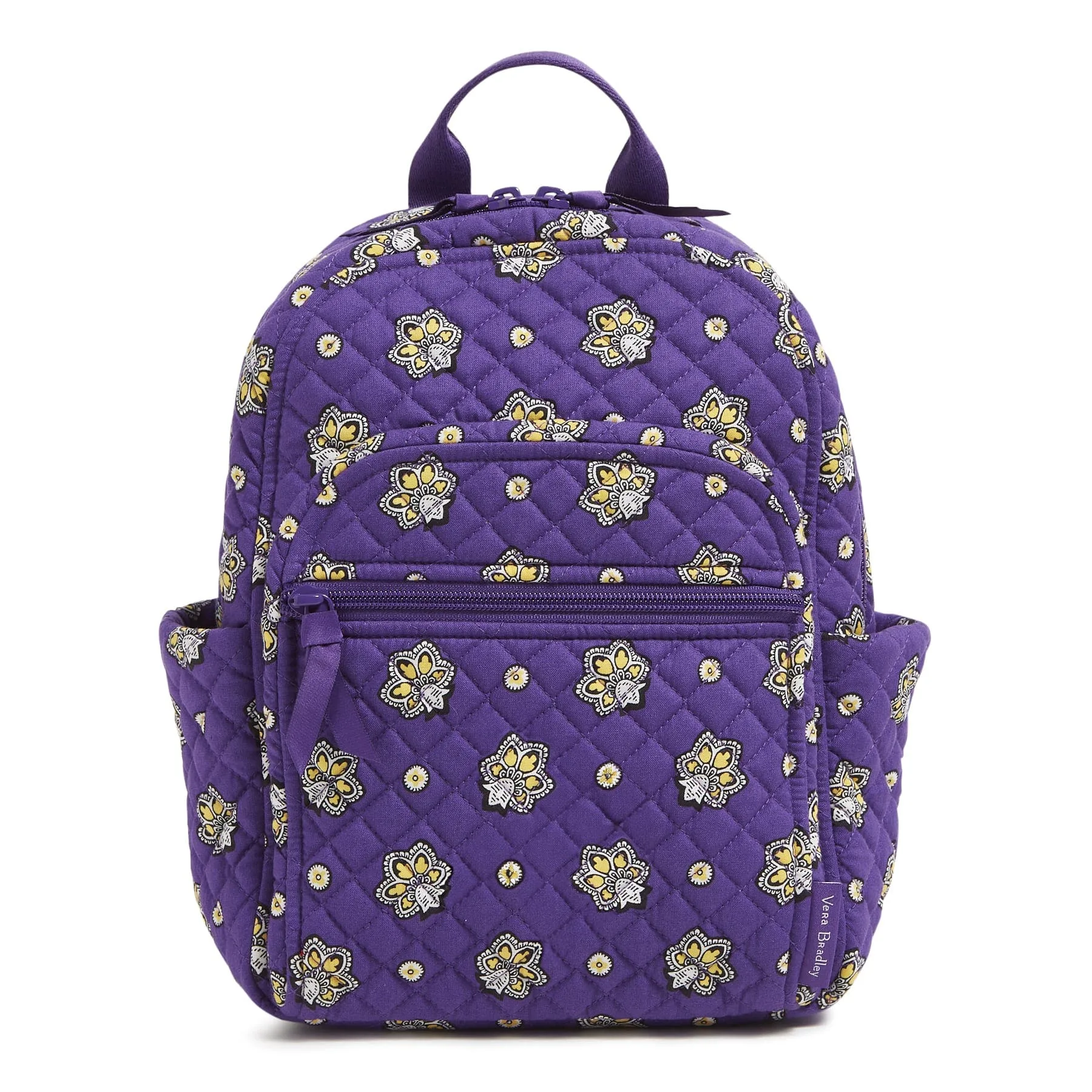
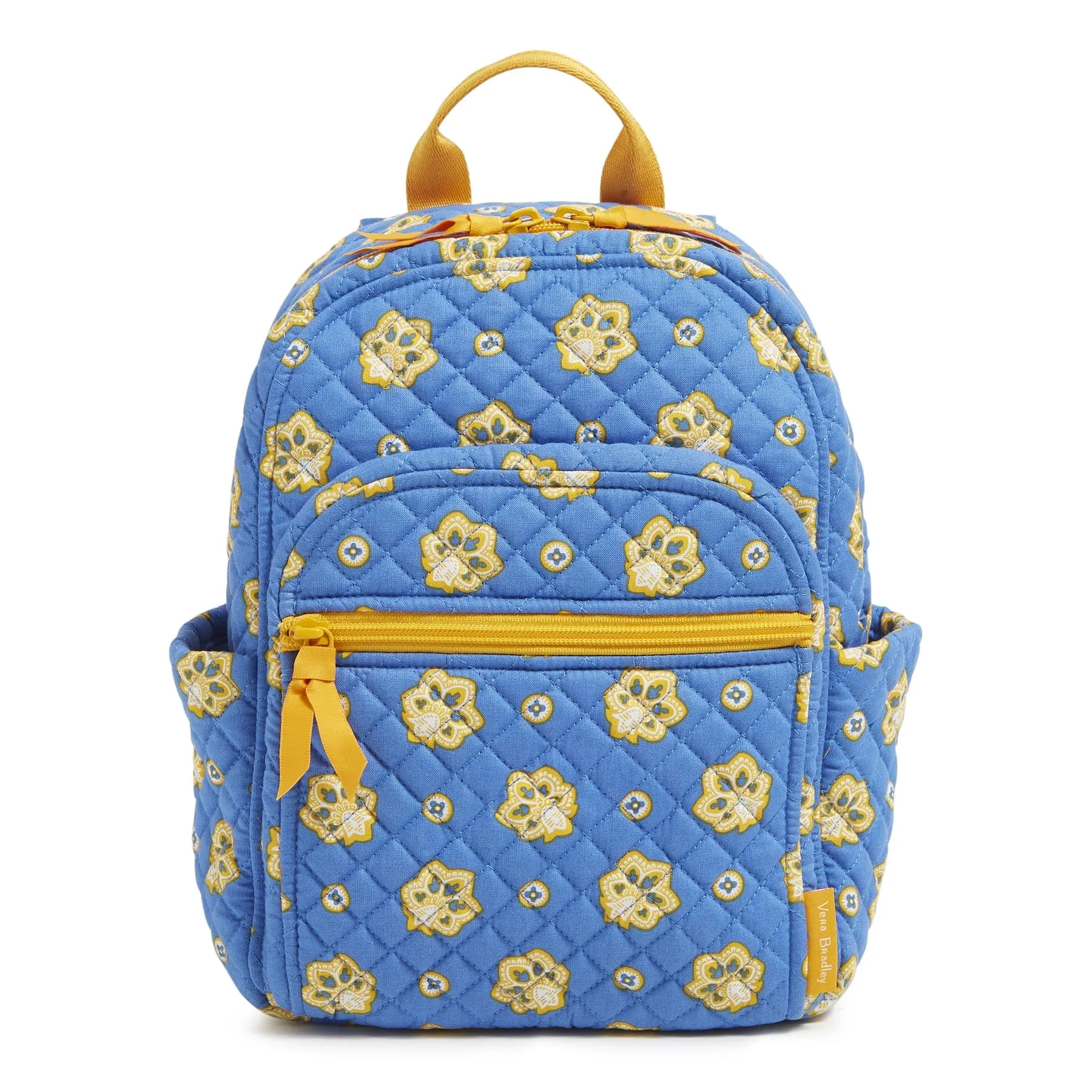
Then choose one carrier for the tools you move between rooms or commute with. A compact backpack with a front zip pocket and interior slip pockets keeps a reusable notebook, a pen, and a small paper pad separated instead of loose in the main compartment. That separation is what makes a hybrid setup faster than either option alone.
Where a Small Bag Changes the Comparison
If your stationery travels, size decides more than material. A paper notebook plus a full pencil case can be bulky. A reusable notebook plus one pen and a compact crossbody is lighter and easier to manage on a bus or in a coffee shop.
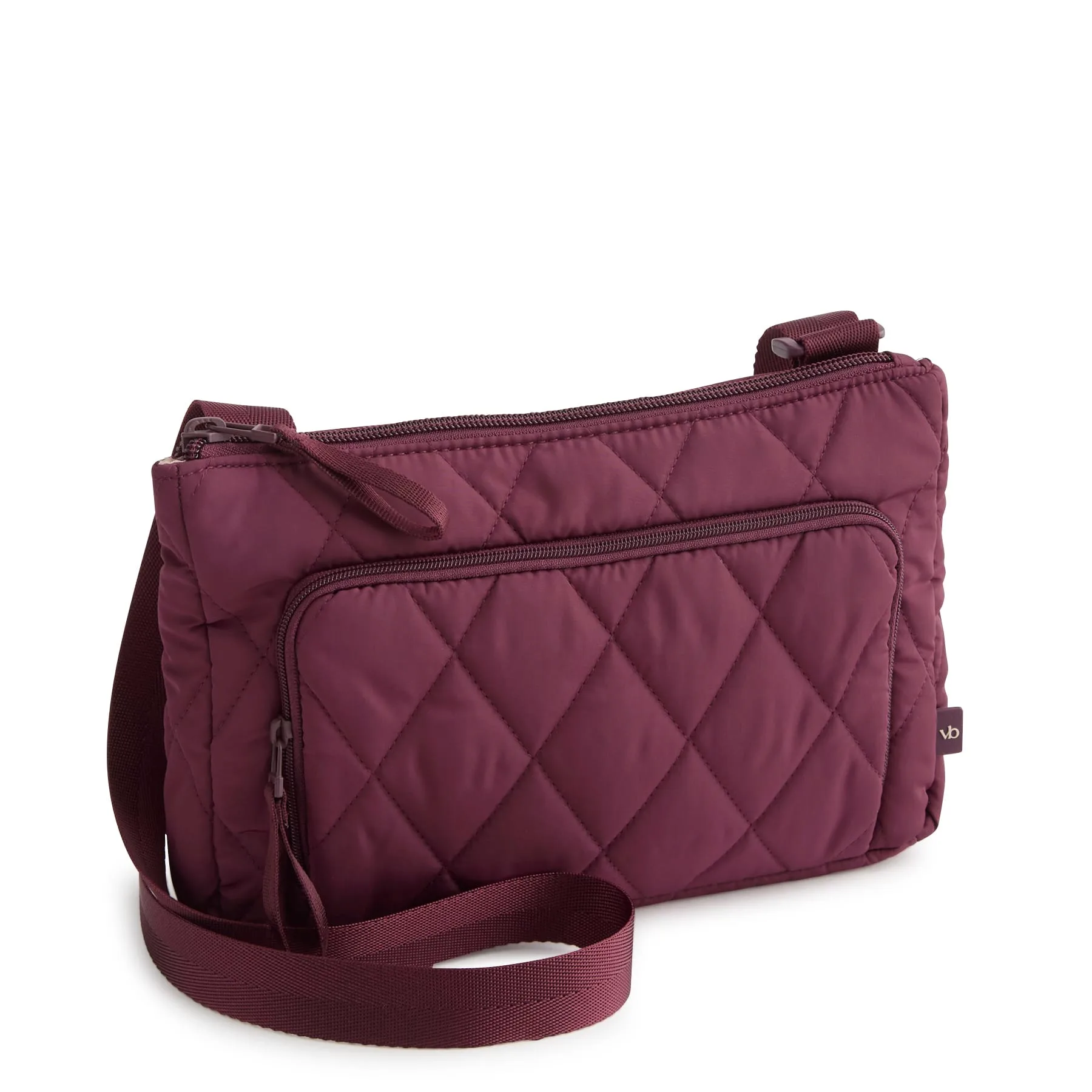
When you carry a crossbody, use the built-in organization instead of adding a pouch. A front zip compartment with card slips and a bill pocket holds a transit card, a receipt, and a couple of index cards, so your writing tools stay in the main space. That keeps the bag flat and easy to open while standing.
Trade-Offs to Weigh Before You Buy
- Upfront cost vs. long-term refills: Reusable stationery costs more at purchase but replaces repeated paper buys. Paper is cheaper per notebook but adds up if you fill one every few weeks. Track how many paper notebooks you finish in three months. If it is more than two, reusable usually pays off.
- One tool vs. a permanent record: A reusable notebook keeps everything in one place but is a working surface, not an archive. Paper gives you a dated page you can file, mail, or hand over. Keep paper for anything a client, teacher, or teammate needs to receive.
- Compact carry vs. capacity: A crossbody with built-in card slips keeps a small kit flat and accessible. A https://verabradleyoutletex.com/products/small-backpack-27513081-7107f8227e372d13144ac72f-1639791https://verabradleyoutletex.com/products/small-backpack-3889018730-5e3b6847ee8a3c50ada22576-1639805https://verabradleyoutletex.com/products/small-backpack-3889018736-85c8191ddce6c1d060bf7d28-1639816https://verabradleyoutletex.com/products/small-backpack-3889018733-45c02c67b86da966e7167a13-1639838small backpack holds more but takes up more space when you set it down. Pick the crossbody for commuting and the backpack for full days with a laptop or lunch.
Carry Options That Support Either Choice
- Small Backpack: Small Backpack with a front zip pocket containing one slip and two pen pockets, three exterior slip pockets, and interior zip and slip pockets; 9 L capacity; 9.0" w x 12.0" h x 4.75" d. The pen pockets and separate slip pockets keep a reusable notebook, pens, and a thin paper pad from mixing, which is the main friction point in a hybrid desk setup.
- Outlet Little Hipster: Outlet Little Hipster crossbody with a front zip compartment containing a bill slip pocket and four card slip pockets, a back slip pocket, and an interior zip pocket; 9.75" w x 6.5" h x 1.5" d; adjustable strap at longest drop 26.5". The built-in wallet components replace a separate card holder, so you can carry a small notebook and pen without adding another pouch to your bag.
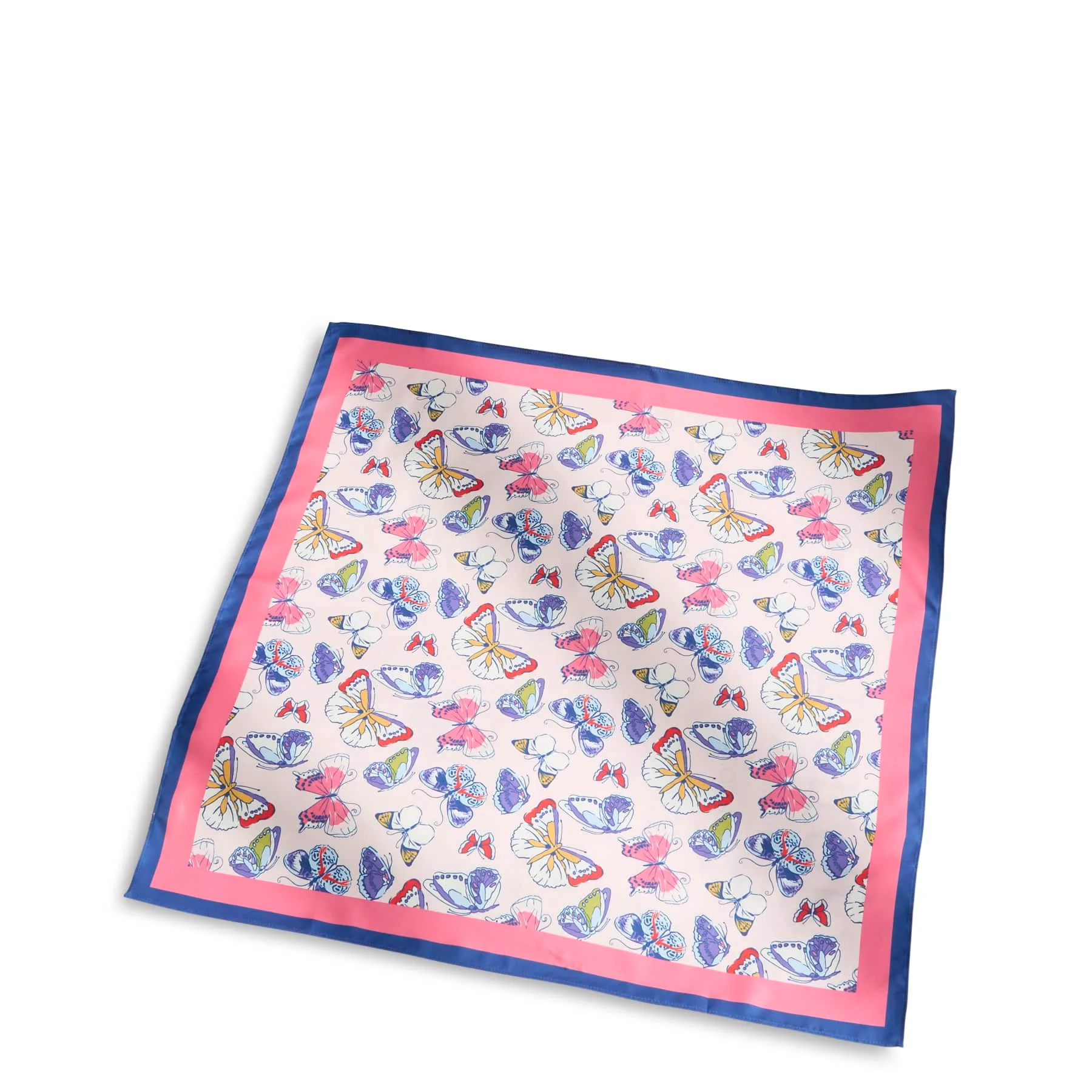
- Outlet Scarf: Outlet Scarf, 100% polyester, 26.0" w x 26.0" h, Outlet Exclusive. A square scarf can wrap a tablet or notebook for scratch protection in a bag, which matters when you carry reusable stationery without a dedicated sleeve.
Who Should Choose Which
Best for
- People who rewrite lists, drafts, or schedules weekly and want one tool instead of a paper stack
- Commuters and students who carry stationery in a small bag and need to keep pens separate from pages
- Anyone building a low-clutter desk for work or study
Not for
- Anyone who must archive dated notes, sign documents, or hand physical copies to others
- Writers who prefer the feel of pen on paper and do not mind storing finished notebooks
- Desks that already run on a paper filing system and do not need a reusable surface