Start with the bowl you actually have
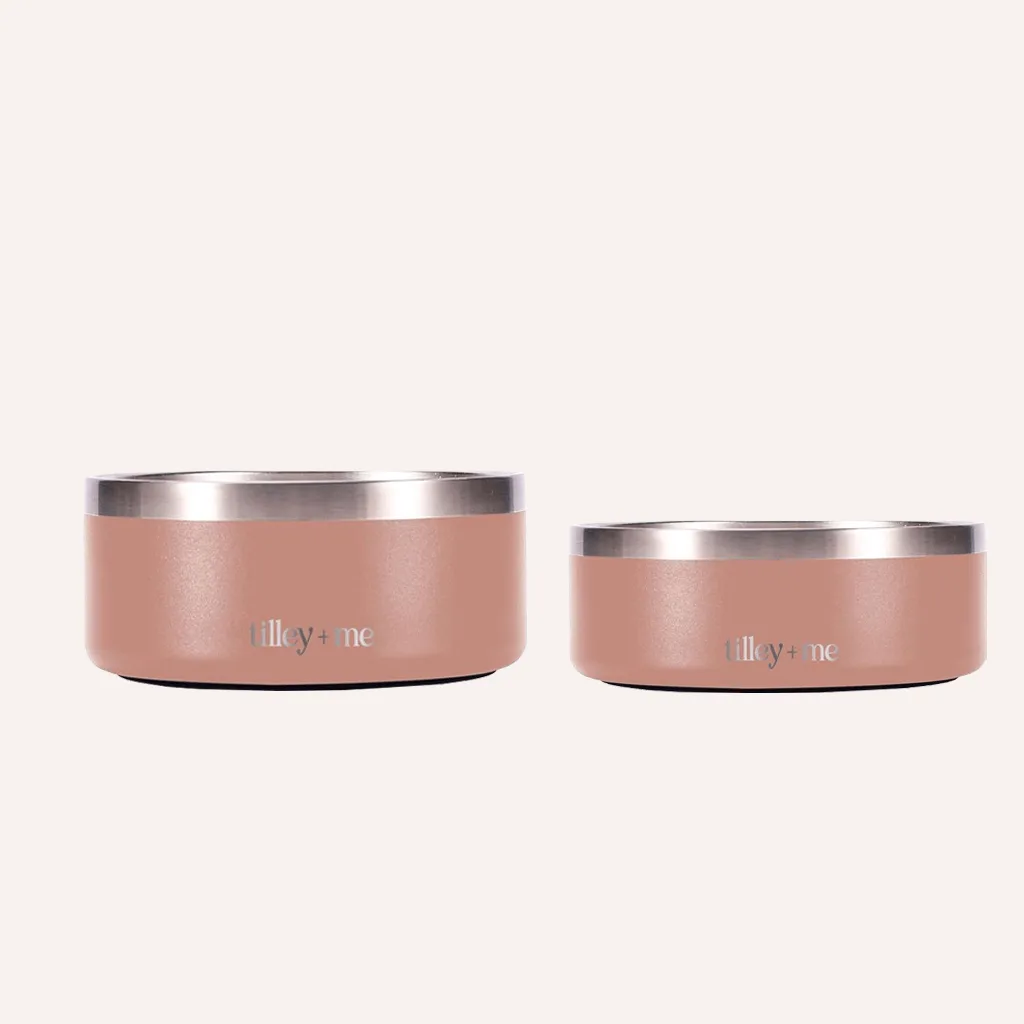
The Tilley + Me stainless steel bowl is designed for both food and water, with a non-slip base to help keep it steady during mealtime. That non-slip base is the feature most likely to be affected by how you clean and handle the bowl, so it deserves a little attention alongside the stainless steel itself.
The product record confirms the bowl comes in 32 oz and 64 oz capacities and a range of colors, but it does not include specific cleaning instructions, dishwasher guidance, or care steps. The advice below focuses on general stainless steel bowl care and on protecting the non-slip base, not on manufacturer instructions that aren't in the supplied information.
What the product record confirms
-
Stainless Steel Dog Bowl | Non-Slip Food & Water Bowl: Made from durable stainless steel for long-lasting use. Stainless steel is the main surface you'll be cleaning, and durability matters if you wash the bowl often.
Stainless Steel Dog Bowl | Non-Slip Food & Water Bowl
-
Stainless Steel Dog Bowl | Non-Slip Food & Water Bowl: Non-slip design helps reduce spills and messes. The non-slip base is the part most sensitive to rough handling and the key to keeping the bowl from sliding.
-
Stainless Steel Dog Bowl | Non-Slip Food & Water Bowl: Available in 32 oz and 64 oz capacities. Capacity affects how often you'll clean and refill, especially for water.
A simple cleaning routine for the stainless steel bowl
These steps are general best practice for stainless steel pet bowls. The product record does not specify a cleaning method, so adjust to what works for your dog and your kitchen.
- Empty and rinse after each meal: Scrape out leftover food or refresh water, then rinse the bowl with warm water. This keeps dried food and biofilm from building up on the stainless steel surface.
- Wash with warm, soapy water: Use a mild dish soap and a soft sponge or cloth. Avoid abrasive scouring pads that can dull the stainless steel finish over time.
- Pay attention to the non-slip base: Wipe the base with a damp cloth rather than soaking it. The non-slip design helps reduce spills, but the record does not confirm it is waterproof or dishwasher-safe, so gentle hand cleaning is the safer default.
- Rinse and dry thoroughly: Rinse away soap residue and dry the bowl with a towel or let it air dry. Drying helps prevent water spots and keeps the bowl ready for the next meal.
Dishwasher questions: what we can and can't say
Many stainless steel dog bowls are dishwasher safe, but the supplied product record for the Tilley + Me bowl does not include dishwasher guidance. If dishwasher convenience is important to you, check the bowl's packaging or the manufacturer's information before putting it in the machine. The non-slip base is the main reason to be cautious: some non-slip materials can degrade in high heat or harsh detergent.
If you do use a dishwasher and the bowl is confirmed safe for it, place it on the top rack and avoid overcrowding. But without confirmed guidance, hand washing is the more conservative choice for this bowl.
Keeping the bowl from sliding during meals
The non-slip base is designed to help keep the bowl steady, but a few habits can make it more effective.
- Use it on a flat, dry surface: A non-slip base grips best on smooth, clean floors or mats. Wipe up water or kibble dust around the bowl so the base isn't sitting on a slippery layer.
- Check the base for wear: If the non-slip material looks cracked, hardened, or packed with debris, it may not grip as well. Clean it gently and replace the bowl if the base no longer holds.
- Match the bowl to your dog's eating style: A 64 oz bowl is heavier when full and may suit larger dogs or dogs that push their bowl; a 32 oz bowl is lighter and easier to handle for smaller dogs. The record confirms both capacities but does not give breed or weight recommendations.
Hygiene habits that go beyond the bowl
Dog bowl hygiene tips often focus on the bowl itself, but the surrounding area matters too. Wipe the floor or mat under the bowl regularly, and wash your hands after handling food and water bowls. If your dog is a messy eater, a quick wipe of the non-slip base after each meal keeps it from collecting crumbs that reduce grip.
For water bowls, refresh the water at least daily and clean the bowl as part of your routine. Stainless steel dog water bowl cleaning follows the same basic steps as food bowl cleaning: rinse, wash with mild soap, rinse again, and dry.
When to replace the bowl
Stainless steel is durable, but the non-slip base may show wear sooner. Replace the bowl if the base is damaged, if the stainless steel develops deep scratches or dents that trap food, or if the bowl no longer sits steady. The product record describes the bowl as durable for long-lasting use, but it does not give a specific lifespan.