When it comes to furnishing a child's room, safety is often the top priority for parents. From the crib mattress to the dresser, every piece of furniture can pose potential hazards if not carefully selected. One of the most overlooked aspects of kids' furniture safety is the paint and hardware used in its construction. Many conventional paints contain volatile organic compounds (VOCs) and heavy metals like lead, while hardware can include sharp edges, small parts, or toxic coatings. This guide will help you navigate the world of non-toxic paint and safe hardware options, ensuring your child's space is both beautiful and healthy.
At Oeuf NYC, we prioritize sustainability and safety in every product we design. Our furniture pieces are crafted with eco-friendly materials and finishes that meet rigorous safety standards. Whether you're refinishing an heirloom piece or shopping for new furniture, understanding what to look for in paint and hardware can make a significant difference in your child's well-being. Let's explore the key considerations for choosing non-toxic finishes and child-safe hardware.
Why Non-Toxic Paint Matters for Kids' Furniture
Children spend a significant amount of time in their bedrooms, often touching, chewing, or sleeping on their furniture. Conventional paints can off-gas VOCs for years, contributing to indoor air pollution and potential health issues such as respiratory problems, headaches, and allergic reactions. Lead-based paints, though banned in many countries, can still be found in older furniture or imported items. Exposure to lead is particularly dangerous for young children, as it can affect brain development and cause long-term cognitive issues.
Non-toxic paints, on the other hand, are formulated without harmful chemicals. Look for paints labeled as zero-VOC or low-VOC, water-based, and free from heavy metals like lead, cadmium, and chromium. Natural paint options, such as those made from plant-based ingredients like milk protein (casein) or clay, offer an even safer alternative. These paints are breathable, durable, and often have a beautiful matte finish that enhances the natural beauty of wood. For example, many of our furniture pieces, including the Moss Twin Bed, are finished with water-based, non-toxic paints that are safe for your little ones.
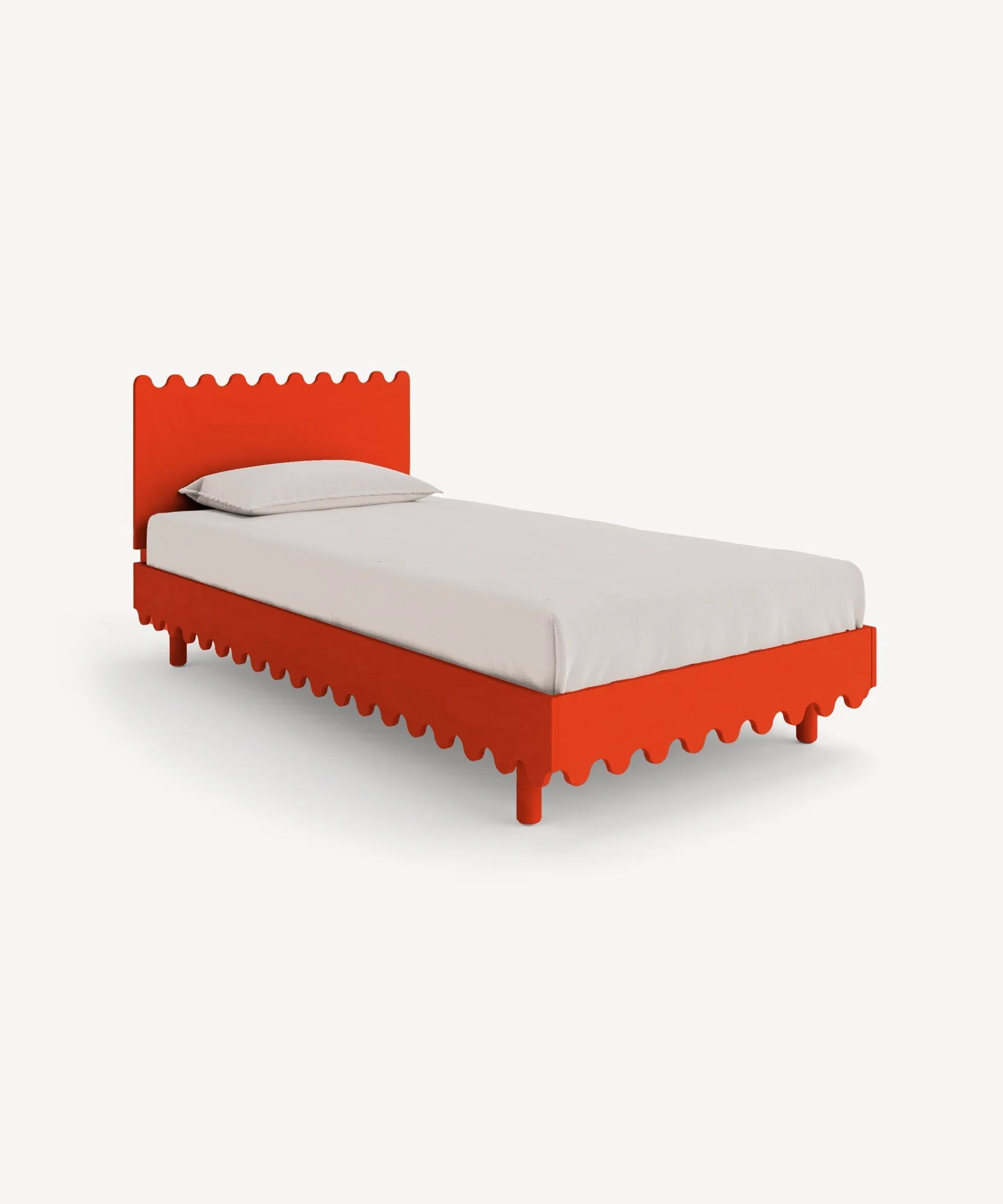
Moss Twin Bed
- Always check the label for VOC content and heavy metal certifications.
- Consider using milk paint or clay paint for a truly natural finish.
- Avoid paints with strong chemical odors, even after drying.
Key Certifications to Look For
When shopping for non-toxic furniture or paints, certifications can help you identify products that meet strict safety and environmental standards. The most recognized certifications include GREENGUARD Gold, which tests for over 10,000 chemicals and ensures low emissions for indoor use, especially for children and sensitive individuals. Another important certification is the Global Organic Textile Standard (GOTS) for organic materials, though for paints, look for the Green Seal or the EcoLogo certification.
Additionally, the ASTM International standard F963 ensures that toys and children's products meet safety requirements, including for paints and coatings. For hardware, look for the CPSIA (Consumer Product Safety Improvement Act) compliance, which limits lead content in children's products. At Oeuf NYC, our products like the Sparrow 3-Drawer Dresser are designed with these certifications in mind, giving you peace of mind that every component is safe for your child.
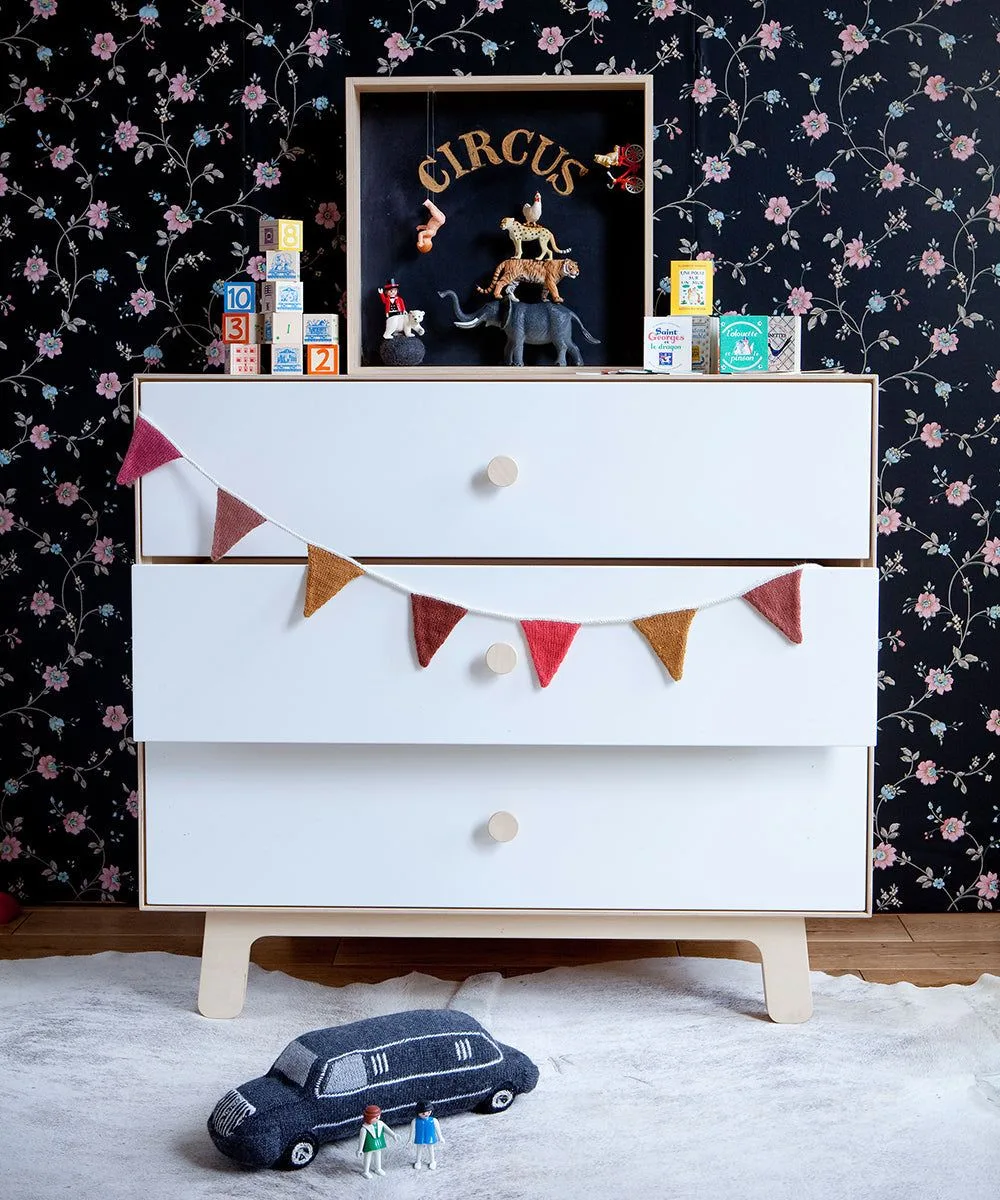
Sparrow 3-Drawer Dresser
- GREENGUARD Gold certification is the gold standard for low-emission products.
- CPSIA compliance ensures hardware contains less than 100 ppm of lead.
- Always verify certifications on the manufacturer's website or product packaging.
Safe Hardware: What to Avoid and What to Choose
Hardware such as drawer pulls, knobs, hinges, and bed rails can pose risks if not properly designed. Small parts that can be swallowed, sharp edges that can cause cuts, and coatings containing lead or other toxins are common concerns. For example, some metal hardware is plated with nickel or chrome, which can cause allergic reactions in sensitive children. Plastic hardware may contain phthalates or BPA, which are endocrine disruptors.
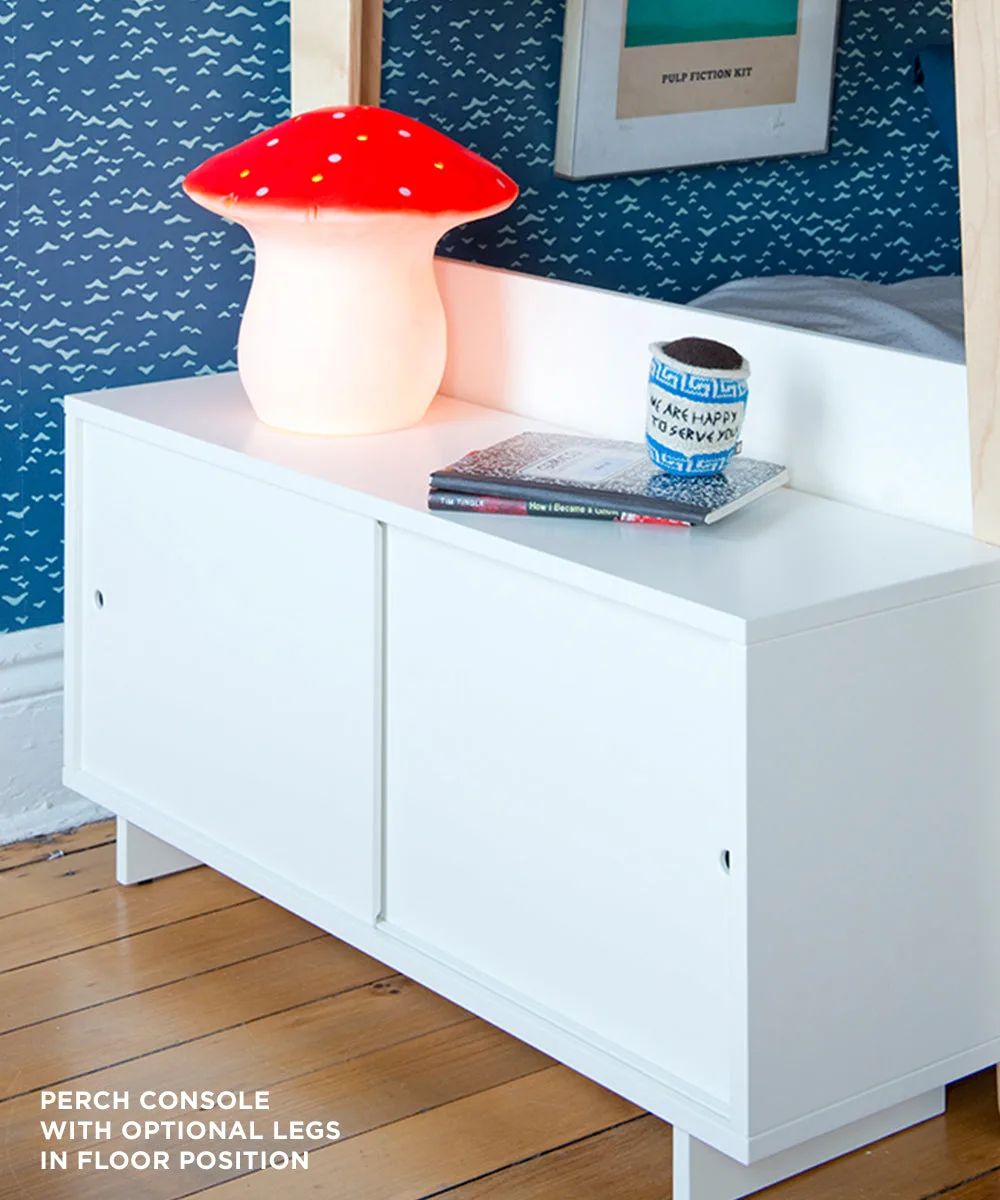
Opt for hardware made from solid materials like stainless steel, brass, or zinc alloy that are free from toxic coatings. Ensure that all screws and bolts are recessed or covered to prevent injuries. For beds, safety rails like the Security Bed Rail are designed with smooth edges and secure attachments to prevent accidents. When choosing furniture, look for hardware that is securely fastened and cannot be easily removed by a child. Our Perch Console - Twin Size features child-safe hardware that meets all safety standards.
- Choose hardware with rounded edges and no sharp corners.
- Avoid hardware with small, detachable parts that could be choking hazards.
- Consider furniture with built-in safety features like anti-tip straps.
Eco-Friendly Finishes Beyond Paint
While paint is a common finish, other options like stains, varnishes, and waxes can also contain harmful chemicals. Traditional wood stains often contain solvents and heavy metals, while polyurethane varnishes emit VOCs. For a truly non-toxic approach, consider using natural oils like tung oil or linseed oil, which penetrate the wood and provide a durable, food-safe finish. Beeswax or carnauba wax can also be used as a topcoat, offering a soft sheen without toxic fumes.
Water-based polyurethane is a safer alternative to oil-based versions, with lower VOC content and faster drying times. When refinishing furniture, always sand off old paint or varnish to remove any lead-based layers, and wear a mask to avoid inhaling dust. For touch-ups, our Touch-up Paint is formulated to match our furniture perfectly while being non-toxic and safe for kids. This allows you to maintain the beauty of your furniture without compromising on safety.
- Use natural oils or waxes for a chemical-free finish.
- Water-based polyurethane is a safer option for durability.
- Always sand and clean furniture thoroughly before applying new finishes.
How to Maintain Non-Toxic Furniture Over Time
Once you've invested in non-toxic furniture, proper maintenance can extend its life and keep it safe. Regular cleaning with mild soap and water is usually sufficient, but avoid harsh chemical cleaners that can strip finishes or introduce toxins. For painted surfaces, use a soft cloth and gentle detergent. For wooden surfaces, occasional oiling can restore moisture and prevent cracking.
Inspect hardware periodically to ensure screws are tight and no parts are loose. If you notice chipping paint, touch it up promptly to prevent ingestion. Our Touch-up Paint is an excellent solution for minor repairs, ensuring the non-toxic integrity of the piece. Additionally, consider using furniture pads to prevent scratches and wear. By following these simple steps, you can enjoy your child's furniture for years to come, knowing it remains safe and beautiful.
- Clean with mild soap and water; avoid bleach or ammonia-based products.
- Check hardware annually for looseness or wear.
- Use touch-up paint for any chips or scratches to maintain the protective finish.
Choosing non-toxic paint and safe hardware for your child's furniture is an investment in their health and well-being. By understanding certifications, materials, and maintenance, you can create a bedroom that is both stylish and secure. Explore our collection of thoughtfully designed pieces, such as the Sparrow 3-Drawer Dresser, which combines eco-friendly finishes with child-safe hardware to give you complete peace of mind.