Quick Answer
Nosework tins are the modern choice for scent detection training, offering portability, durability, and easy cleaning. Traditional scent containers, like glass jars or plastic tubs, are budget-friendly and familiar but can be bulky and harder to sanitize. For most trainers, nosework tins provide a better balance of functionality and convenience.
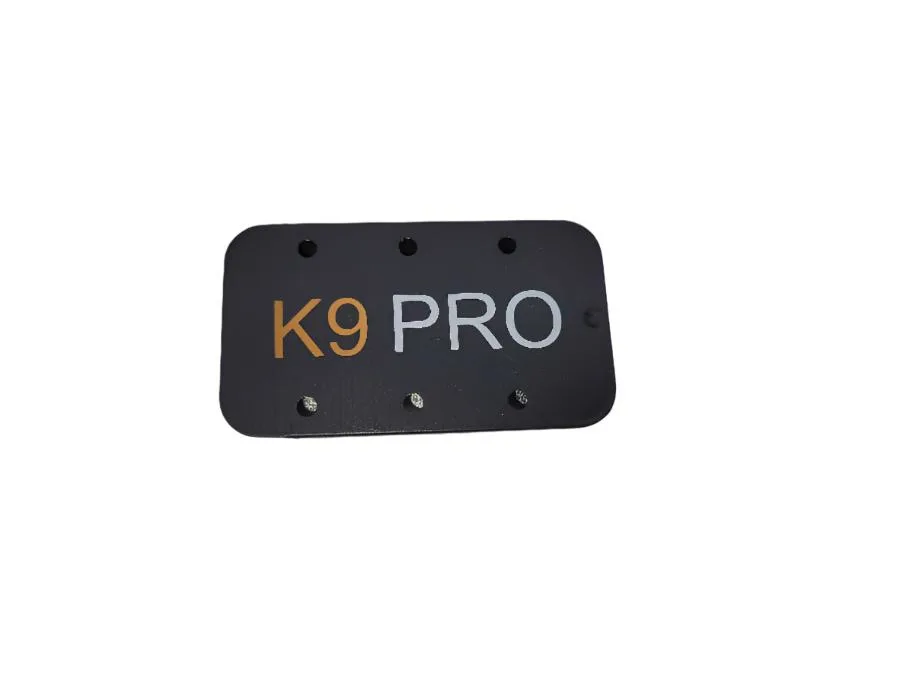
Nosework tins
When you start nosework training with your dog, one of the first decisions you'll face is choosing the right scent containers. The market offers everything from specialized nosework tins to everyday containers you might already have at home. But which is truly better for your training goals?
In this comparison, we'll break down the key differences between nosework tins and traditional scent containers, helping you make an informed choice that suits your dog's training level and your lifestyle.
What Are Nosework Tins?
Nosework tins are purpose-built containers designed specifically for scent detection training. They typically feature a perforated or vented lid that allows odor to escape while keeping the scent source hidden. Made from durable materials like aluminum or stainless steel, they are lightweight, stackable, and easy to clean.
Many nosework tins come in various sizes, allowing you to gradually increase difficulty by using larger or smaller containers. Their design minimizes visual cues, forcing your dog to rely on their nose rather than sight.
- Perforated lids for optimal odor release
- Durable, lightweight materials
- Easy to clean and sanitize between uses
What Are Traditional Scent Containers?
Traditional scent containers include any everyday item you might repurpose for nosework, such as glass jars, plastic containers, or cardboard boxes. They are inexpensive and readily available, making them a popular choice for beginners or those on a budget.
However, traditional containers often lack the design features of purpose-built tins. For example, airtight jars may trap odor, while open boxes can allow visual access to the scent source. They can also be bulky and harder to clean, especially if they absorb odors over time.
- Budget-friendly and accessible
- Variety of sizes and shapes
- May not provide consistent odor release
Key Differences at a Glance
The main differences between nosework tins and traditional containers come down to design, durability, and training effectiveness. Nosework tins are engineered to release scent consistently, while traditional containers may not offer the same control.
Durability is another factor. Tins are built to withstand regular use and cleaning, whereas glass jars can break and plastic containers may crack or retain odors. For trainers who plan to do nosework long-term, investing in quality tins can save money in the long run.
- Consistent odor release vs. variable
- Durable vs. fragile or absorbent
- Purpose-built vs. repurposed
Trade-offs: Nosework Tins vs. Traditional Containers
- Odor Control: Nosework tins have vented lids that release odor consistently. Traditional containers may be airtight or too open, making odor control unpredictable. For reliable scent detection, tins are superior.
- Durability: Tins are made of metal or sturdy plastic, resistant to chewing and frequent cleaning. Glass jars can break, and plastic may crack or absorb odors. Tins last longer and are safer for active dogs.
- Cost: Nosework tins are a higher upfront investment, while traditional containers are often free or cheap. However, tins save money over time by not needing replacement. If budget is a concern, start with traditional, but upgrade as you progress.
Related Products from K9pro
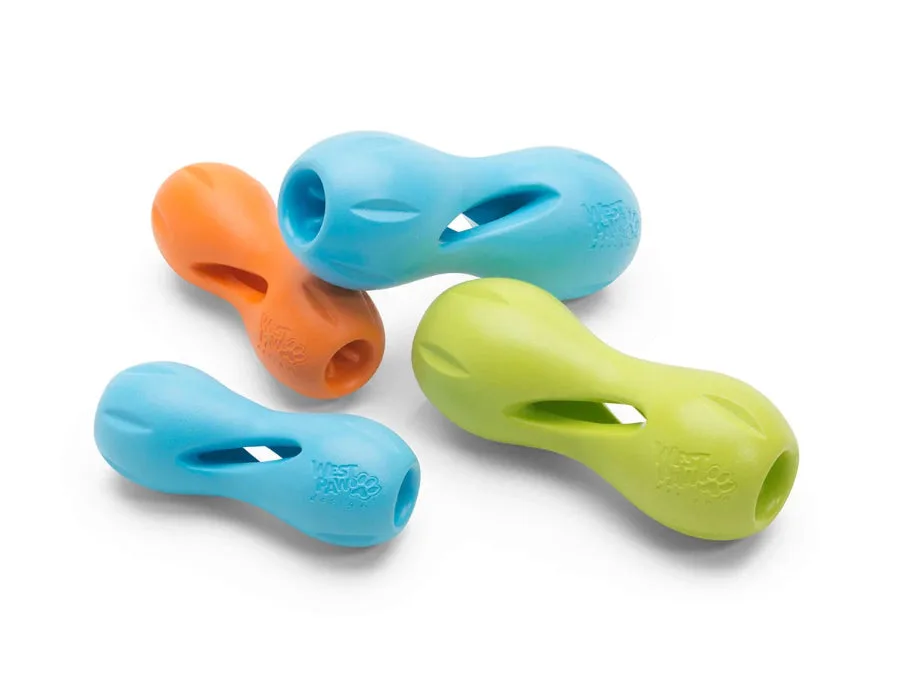
- Qwizl by West Paw: Qwizl is a super tough treat toy that's brilliantly designed to extend the life of expensive dog treats while keeping dogs busy. Side openings release scent and taste while the continuous interior hole allows treats to extend out. While not a scent container, Qwizl can be used to introduce scent-based play, helping dogs associate odor with reward—a useful complement to nosework training.
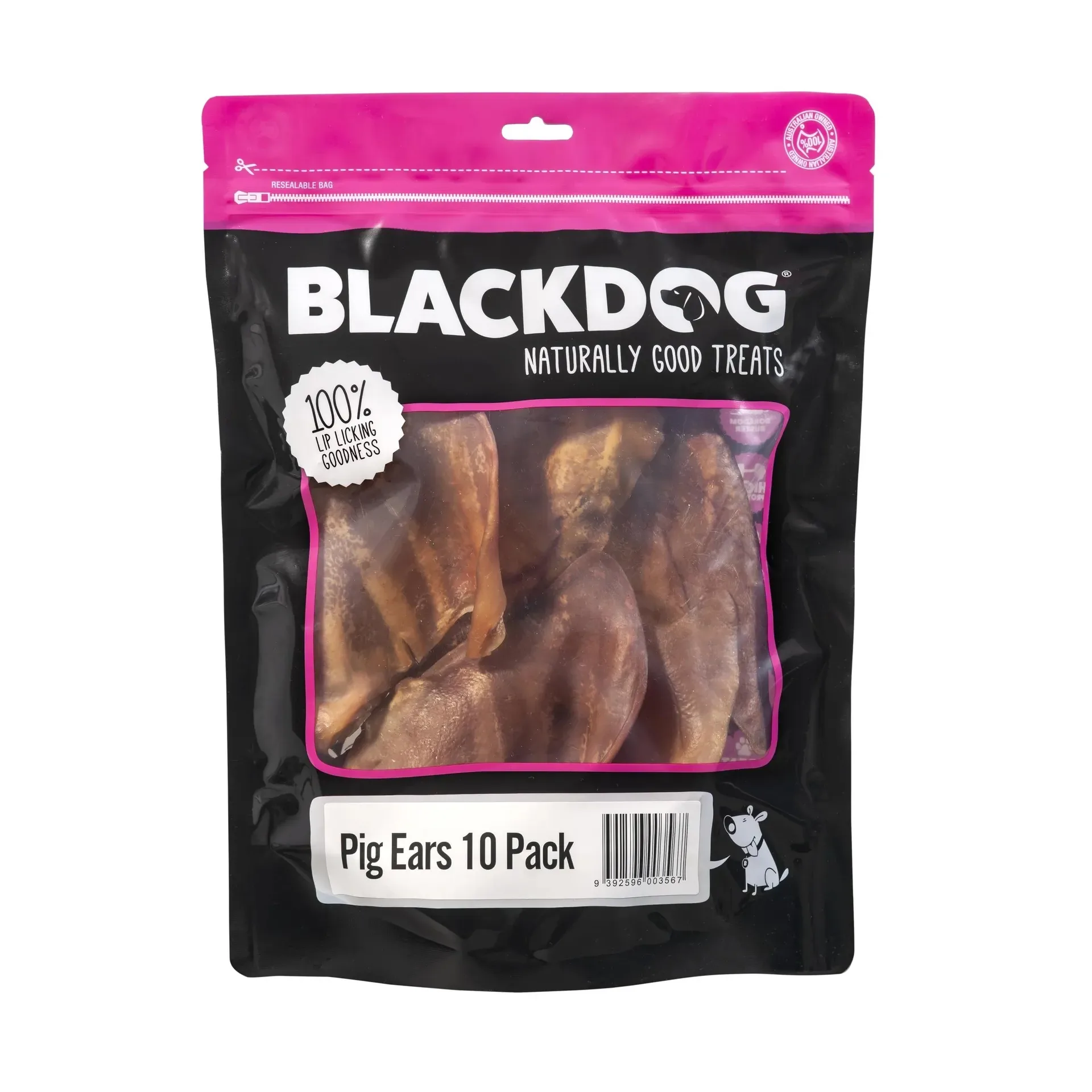
- Blackdog Pig Ears Dog Treat: A tried and true favourite, pig ears are a high-protein, low-fat and all natural treat loved by all dogs. They're slowly dried to preserve their pure, natural goodness. High-value treats like pig ears are essential for rewarding your dog during nosework sessions, reinforcing the behavior you want to encourage.
Which Should You Choose?
Best For
- Serious nosework enthusiasts who train regularly and need consistent performance.
- Trainers who value easy cleaning and long-lasting equipment.
Not For
- Those just trying nosework for the first time with no commitment.
- Trainers on a very tight budget who prefer to use items already at home.
Ultimately, the choice between nosework tins and traditional containers depends on your training goals and budget. For most dedicated trainers, nosework tins offer the best combination of reliability, durability, and ease of use. If you're ready to elevate your dog's scent work, consider exploring quality training tools like the Qwizl by West Paw to complement your nosework sessions. Happy training!