Quick answer
Numbered limited edition prints are released in a fixed quantity, such as an edition of 10, and each print carries a number and often a signature, which gives it scarcity and collector appeal. Open edition prints are not numbered or capped, so they are more affordable and easier to replace. If you want a collectible piece with potential long-term value, choose numbered. If you want flexible, budget-friendly wall art, choose open edition.
How edition numbering works
Edition numbering is a simple system: the artist decides how many prints will be made, then each print is marked with its position in that run. A print numbered 3/10 is the third impression from a total edition of 10. Once all ten are sold, no more are printed in that size and medium. This fixed cap is what separates a numbered edition from an open edition, which can be reprinted indefinitely.
Numbering also tells you what you are not getting. If a print is numbered 3/10, there are only nine other prints like it in that edition. That scarcity is the foundation of its collectible status. It does not guarantee financial return, but it does mean the supply is controlled by the artist or estate, not by ongoing demand.
What an edition of 10 means for buyers
An edition of 10 is small. It means the artist has deliberately limited the number of prints available, which can make each one more desirable to collectors who value rarity. It also means you need to decide relatively quickly if you want a specific number or a particular size, because once the edition sells out, the only way to buy is on the secondary market.
Small editions often come with a higher price per print than open editions, because the artist cannot spread production costs across a large run. That higher price is not just about scarcity; it also reflects the artist's time, proofing, and the fact that the edition will never be replenished. For buyers, the trade-off is clear: you pay more for exclusivity and the chance of value retention, but you have fewer chances to purchase later.
Open edition photography prints: flexibility and accessibility
Open edition prints are not numbered or limited. The artist or publisher can print as many as the market wants, in any size that is offered. That makes them more affordable and easier to find, and it means you can often replace a damaged print without hunting down a specific edition number. For pure decoration or for a first art purchase, open editions remove the pressure of scarcity.
The trade-off is that open editions generally do not appreciate in value the way limited editions can. They are not collectibles in the same sense, because there is no fixed supply. If your goal is to build a collection with potential resale value, open editions are usually not the right choice. If your goal is to enjoy beautiful photography on your wall at a reasonable price, they are a practical option.
Value: what actually drives limited edition print value
Limited edition print value comes from a combination of factors: the size of the edition, the artist's reputation, the print's condition, and whether the edition is sold out. A small edition like 10 can be more valuable than a larger edition of 100, but only if there is demand for the artist's work. Scarcity alone does not create value; it simply limits supply.
Condition matters enormously. A numbered print that has been faded by sunlight, trimmed, or mounted with acidic materials loses much of its value. Proper framing and display away from direct sun help preserve both the print and its collectibility. If you are buying as an investment, keep the original documentation and avoid any alteration that cannot be reversed.
Collecting numbered fine art prints: practical steps
Start by deciding what you want from the purchase. If you are collecting for enjoyment, buy the image you love, whether it is numbered or open. If you are collecting with an eye toward value, focus on numbered editions from artists with a clear market, and buy the best condition you can afford. Always ask about the edition size, the number of the print, and whether the edition is still available from the artist.
When you buy a numbered print, keep the receipt and any certificate of authenticity. These documents help establish provenance if you ever sell or insure the work. Also note the print's dimensions and edition number in your records; future buyers will ask for them. Finally, display the print safely: avoid direct sunlight, use UV-filtering glazing, and maintain stable humidity to prevent fading and warping.
Trade-offs: numbered vs open edition
- Numbered limited edition: Fixed quantity, such as an edition of 10, with each print numbered and often signed. Higher price per print, but scarcity and potential for value retention. Choose this if you want a collectible piece and are willing to pay more for exclusivity.
- Open edition: No fixed quantity, not numbered, can be reprinted. Lower price and easier to replace, but no scarcity and generally no resale value as a collectible. Choose this if you want affordable, flexible wall art and are not concerned with collecting.
- Edition size and demand: A small edition like 10 only adds value if there is demand for the artist's work. Without demand, even a small edition may not appreciate. Research the artist's market before assuming a limited edition will gain value.
- Condition and care: Both numbered and open editions can be damaged by light, humidity, and improper framing. Numbered prints lose more value if damaged because they cannot be replaced. Use UV-filtering glazing and avoid direct sunlight to protect your investment.
Examples from the catalog
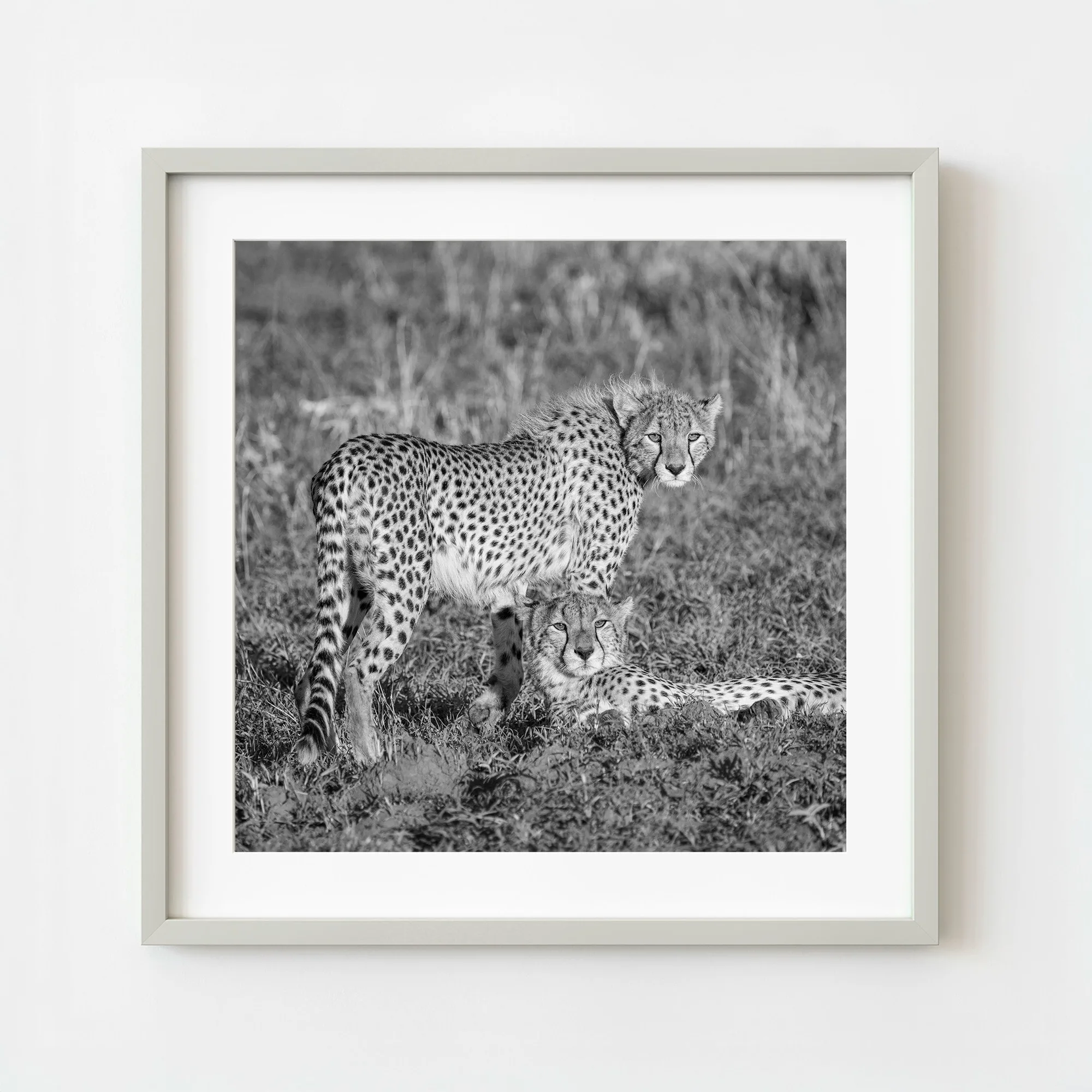
- Tanzania Serengeti Cheetahs Wildlife Photography Black And White Grasslands Calm Fine Art Wall Art | Limited Edition of 10: Tanzania Serengeti Cheetahs Wildlife Photography Black And White Grasslands Calm Fine Art Wall Art is a limited edition of 10. This is a concrete example of a small numbered edition, which means only ten prints exist in that edition, giving it scarcity and collector appeal.
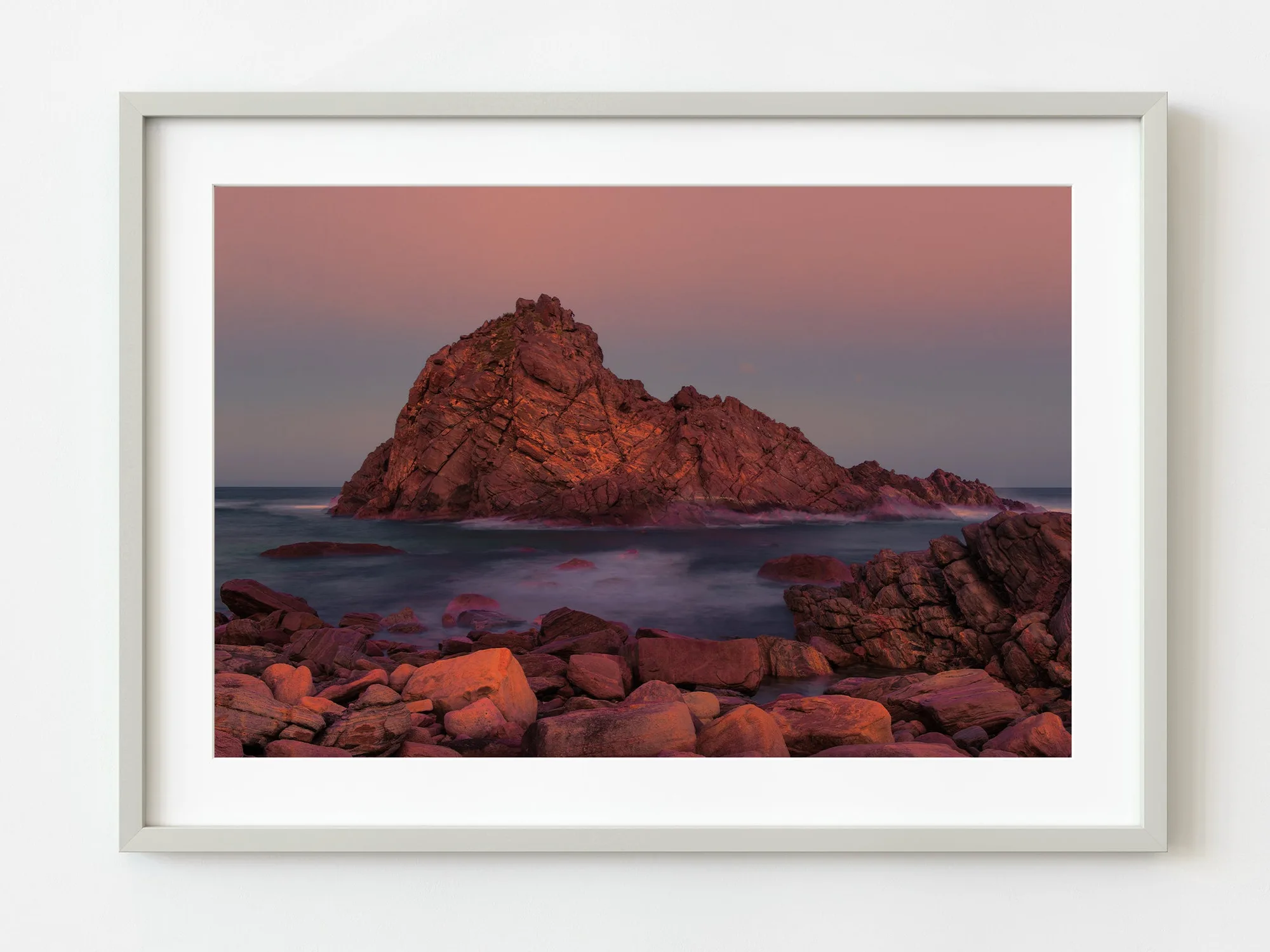
- Sugarloaf Rock Western Australia | Limited Edition of 10: Sugarloaf Rock Western Australia is a limited edition of 10. Another small edition from a different landscape, showing that the edition size is consistent across the artist's limited edition works, which helps collectors understand the scale of availability.
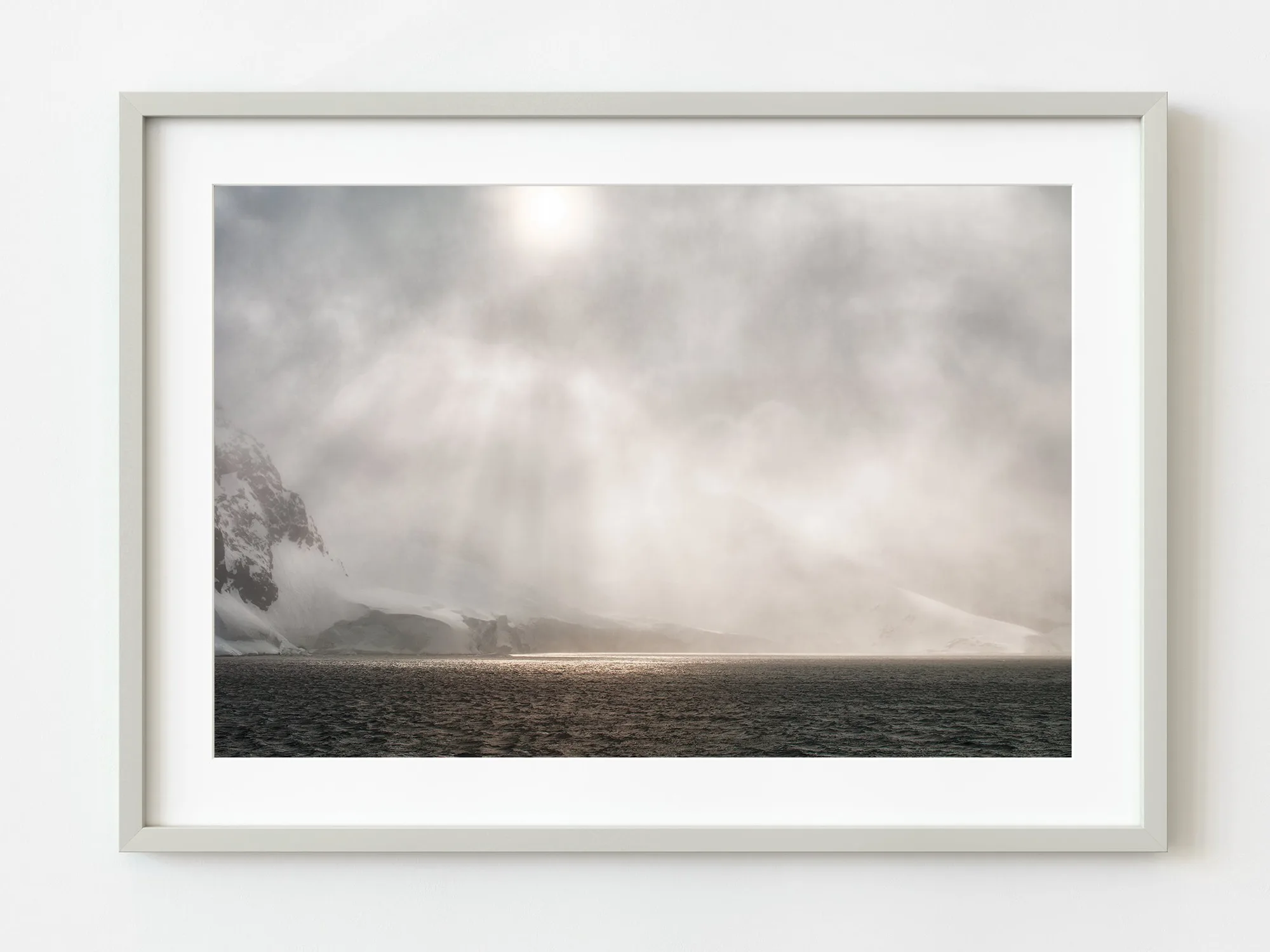
- Sun breaks through the blowing snowstorm in the Antarctic | Limited Edition of 10: Sun breaks through the blowing snowstorm in the Antarctic is a limited edition of 10. This reinforces that even dramatic, unique moments are capped at ten prints, so buyers know the supply is fixed regardless of the scene's popularity.
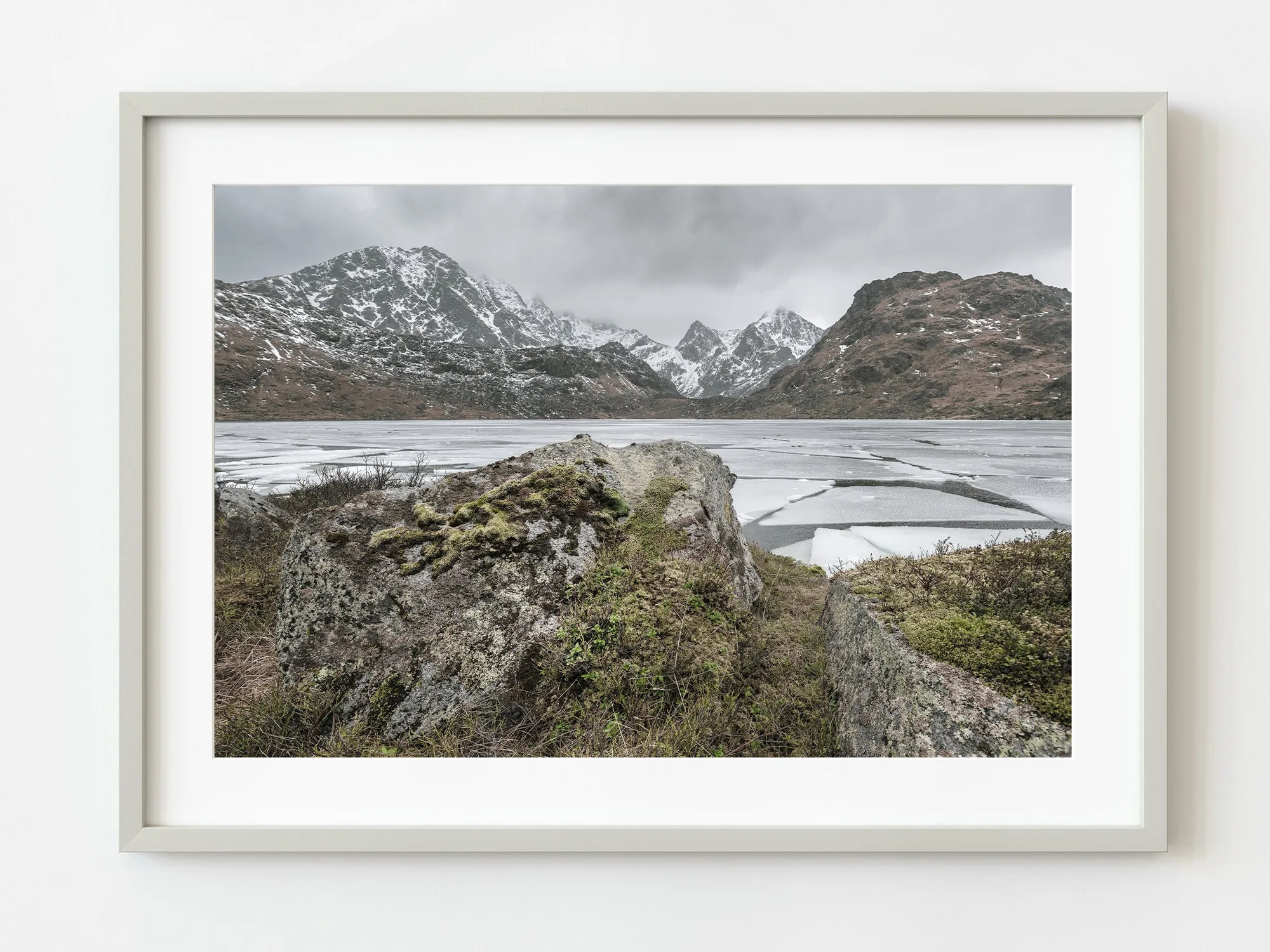
- View over Vikvatnet Lake Norway | Limited Edition of 10: View over Vikvatnet Lake Norway is a limited edition of 10. A serene landscape in a small edition illustrates that the limited edition model applies across subject types, not just wildlife or extreme conditions.
Which is right for you?
Numbered limited edition is best for
- Collectors who value scarcity and want a print that may hold or grow in value over time.
- Buyers who appreciate the idea of owning one of only ten prints and are willing to pay a premium.
- Those who plan to keep the print long-term and display it with proper care.
Numbered limited edition is not for
- Buyers on a tight budget who prioritize affordability over exclusivity.
- Those who want the freedom to replace a print easily if it gets damaged.
- People who are not interested in the collectible aspect and simply want attractive wall art.