Quick answer
Nursing tea is specially formulated with herbs believed to support lactation and is caffeine-free, while regular tea often contains caffeine that can pass into breast milk. For new moms, choosing a caffeine-free herbal nursing blend like Nursing Tea Blend can be a safer and more supportive choice, but regular tea can still fit into a balanced diet if you monitor your intake.
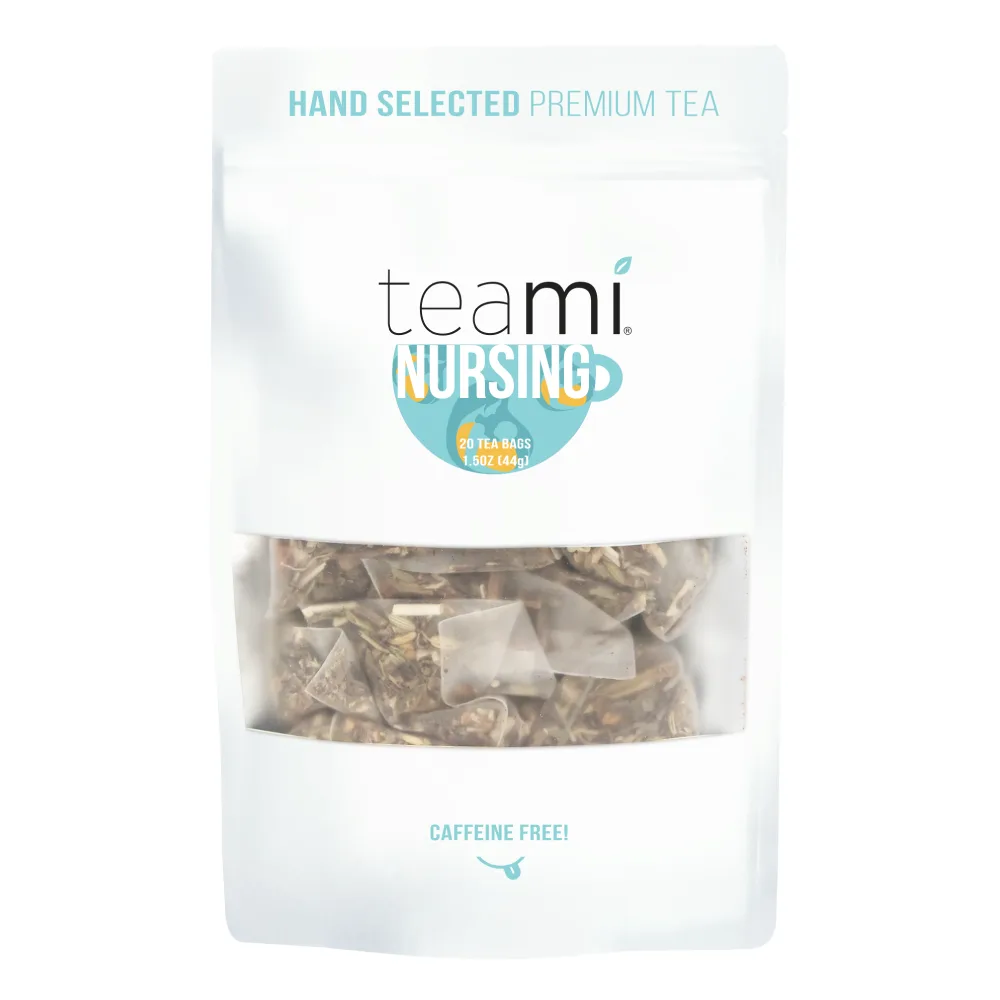
Nursing Tea Blend
When you're a new mom, every cup of tea feels like a decision: will it help or hurt your milk supply? The truth is, not all teas are created equal, and the choice between nursing tea and regular tea comes down to ingredients, caffeine, and what your body needs right now.
In this comparison, we break down the key differences so you can sip with confidence. We'll look at what makes a tea 'nursing-friendly,' the role of caffeine, and how to pick a blend that fits your routine.
What makes nursing tea different?
Nursing teas are herbal blends designed with ingredients that have been traditionally used to support lactation. They are typically caffeine-free and free from common allergens like dairy and soy. For example, the Nursing Tea Blend from our store is made with nourishing herbs long-believed to support lactation, and it is 100% natural, caffeine-free, dairy-free, preservative-free, soy-free, and non-GMO.
Regular tea, on the other hand, usually contains caffeine from tea leaves (black, green, or oolong). While caffeine is generally safe in moderation, it can pass into breast milk and may make some babies fussy or disrupt their sleep. If you're sensitive to caffeine or notice your baby reacting, switching to a caffeine-free herbal tea can be a simple fix.
- Check the label for caffeine content and look for 'caffeine-free' if you want to avoid it.
- If you're choosing a herbal tea, make sure it doesn't contain herbs that are not recommended during breastfeeding, such as sage or peppermint in large amounts.
Caffeine: the main trade-off
The biggest difference between nursing tea and regular tea is caffeine. Regular tea, like black or green tea, contains caffeine that can be passed to your baby through breast milk. While moderate caffeine intake (under 300 mg per day) is generally considered safe, some babies are more sensitive and may show signs of irritability or poor sleep.
Nursing tea blends are typically caffeine-free, which means you can enjoy them throughout the day without worrying about caffeine accumulation. This can be especially helpful if you're already getting caffeine from coffee or other sources and want to keep your total intake low.
- If you can't give up your morning coffee, try alternating with a caffeine-free herbal tea in the afternoon.
- Watch your baby for signs of caffeine sensitivity, such as fussiness or trouble sleeping, and adjust your intake if needed.
Herbal ingredients: what to look for
Nursing teas often include herbs like fennel, which has a long history of use as a galactagogue. The Nursing Tea Blend lists fennel as a super ingredient, and it's a common herb in lactation blends. Other herbs you might see include fenugreek, blessed thistle, and nettle, though not all blends contain the same ingredients.
Regular tea, especially flavored blends, might contain herbs or additives that are not ideal for nursing moms. For instance, some herbal teas include sage or peppermint, which in large amounts are sometimes thought to decrease milk supply. Always read the ingredient list and avoid teas with herbs you're unsure about.
- When in doubt, stick to blends specifically marketed for nursing, as they are formulated with breastfeeding moms in mind.
- If you have any health conditions or take medications, talk to your doctor before adding herbal teas to your routine.
The trade-off at a glance
- Caffeine content: Nursing tea is caffeine-free, while regular tea contains caffeine that can pass into breast milk. Choose nursing tea if you want to avoid caffeine entirely.
- Herbal support: Nursing tea includes herbs like fennel that are traditionally used to support lactation. If you're looking for potential milk supply support, a nursing blend is the better choice.
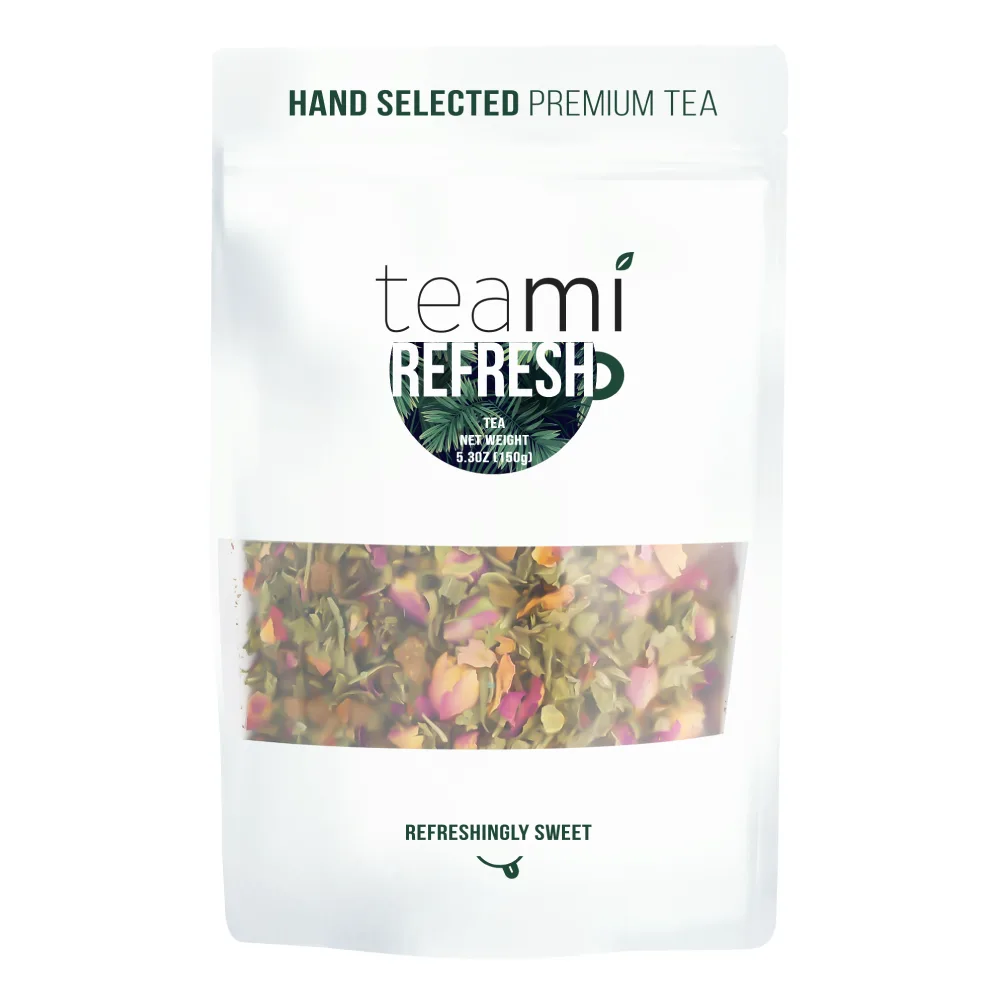
- Flavor and variety: Regular tea offers a wider range of flavors, but nursing teas can be just as enjoyable, like the minty and sweet Refresh Tea Blend. You don't have to sacrifice flavor; explore caffeine-free herbal blends that suit your taste.
Tea options to consider
- Nursing Tea Blend: This light and relaxing blend contains nourishing herbs long-believed to support lactation. It's 100% natural, caffeine-free, dairy-free, preservative-free, soy-free, and non-GMO. If you want a dedicated lactation tea that's safe for everyday use, this blend is designed specifically for nursing moms and avoids common allergens.
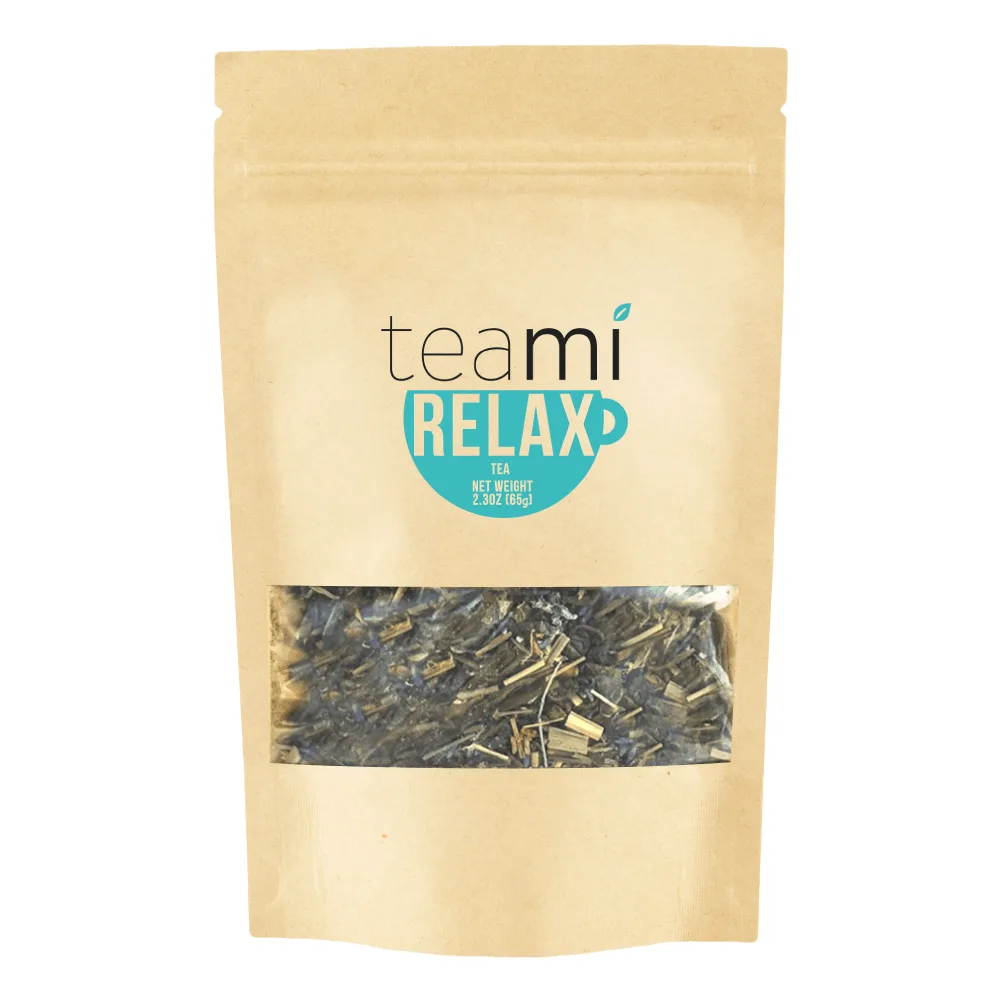
- Relax Tea Blend: Created to de-stress and calm nerves, this fan-favorite is like a cup of restorative yoga before bed. It's one of the brand's first blends, made for winding down after a productive day. Even though it's not marketed as a nursing tea, it's a caffeine-free herbal option that can help you relax, which is beneficial for new moms who need stress relief.
Which tea fits your needs?
Best for
- New moms who want a caffeine-free option to support lactation
- Moms who are sensitive to caffeine or whose babies react to it
Not for
- Moms who need a strong caffeinated tea for an energy boost and can moderate intake
- Those who prefer traditional tea flavors and are not concerned about caffeine
Choosing between nursing tea and regular tea doesn't have to be complicated. If you're looking for a caffeine-free, lactation-supporting option, a dedicated nursing tea like Nursing Tea Blend is a thoughtful choice. But if you enjoy regular tea, you can still include it in moderation. Listen to your body and your baby, and you'll find the right cup for your new-mom journey.