Quick Answer
To choose the right nutcracker, focus on the material, mechanism, and handle design that match the types of nuts you crack most often. A sturdy metal nutcracker with a comfortable grip suits most home kitchens, while decorative or lever-style models offer different trade-offs.
Material Matters: Durability vs. Aesthetics
The material of a nutcracker affects both its longevity and its appearance. Metal nutcrackers, especially those with a satin finish, offer a refined look and are built for everyday use. Wooden nutcrackers are classic and often decorative, but they may not withstand heavy pressure as well as metal. Plastic nutcrackers are lightweight and inexpensive but can crack or bend under stress.
Consider where you will store or display the nutcracker. A satin-finished metal model can double as a table centerpiece, while a utilitarian plastic one might be better kept in a drawer.
Mechanism and Ease of Use
Nutcrackers come in several types: the classic lever style, the screw-type, and the hammer-style. Lever nutcrackers are common and work well for most nuts, but they require hand strength and can be awkward for smaller hands. Screw-type nutcrackers offer more control and are easier on the hands, but they are slower. Hammer-style nutcrackers are fun but can be messy and require a steady aim.
Think about who will be using the nutcracker. If you have arthritis or limited grip strength, a screw-type or a ratcheting model might be more comfortable. For quick, casual cracking, a lever model is often sufficient.
Handle Design and Comfort
The handle design significantly impacts comfort, especially during extended use. Look for ergonomic handles that fit your palm and provide a non-slip grip. Some nutcrackers have padded or contoured handles, which reduce pressure points. A longer handle gives more leverage, making it easier to crack harder shells, but it also takes up more storage space.
If you often crack nuts for baking or cooking, a comfortable handle is worth the extra investment. If you only crack nuts occasionally, a basic model may suffice.
Decision Rules for Choosing a Nutcracker
- Frequency of Use: If you crack nuts weekly or more, invest in a durable metal nutcracker. For occasional use, a lighter model is fine. Consider how often you'll use it before deciding on material.
- Hand Strength: If you have weak grip or arthritis, choose a screw-type or ratcheting nutcracker. A lever model may be too straining. Test the mechanism in-store if possible to ensure comfort.
- Nut Types: For hard-shell nuts like walnuts, a sturdy metal nutcracker with good leverage is essential. For softer nuts like pistachios, a simple lever model works. Match the nutcracker's strength to the hardest nut you plan to crack.
- Aesthetics and Display: If the nutcracker will be visible on your table, choose a satin-finished or decorative model. If it stays in a drawer, prioritize function over looks. Decide whether form or function matters more for your setting.
- Budget: Set a budget range. Premium models offer better materials and finish, but a mid-range nutcracker can still perform well. Balance price with expected longevity and usage.
Product Spotlight
-
Nutcracker »Prezioso« Premium Edition satin finished: The Westmark Nutcracker »Prezioso« Premium Edition features a satin finish and is built for efficient nutcracking. The satin finish adds a touch of elegance to your table while the sturdy construction ensures it can handle everyday use.
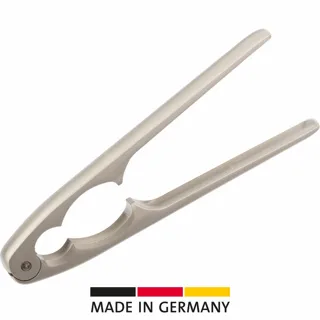
Nutcracker »Prezioso« Premium Edition satin finished
Who Should Choose What
Best for
- Home cooks who want a durable, elegant nutcracker for regular use.
- Those who appreciate a satin finish and a premium feel.
Not for
- People with severe hand weakness who need a screw-type mechanism.
- Those looking for a budget, disposable option.