Quick answer
For most strong dogs, stainless steel is the more durable long-term choice: it resists rust and corrosion, holds its shape under load, and metal link systems can be adjusted one link at a time. Nylon wins on comfort, color choice, and price, but it stretches, frays, and absorbs odors over time. If your dog pulls hard or you need a precise fit, choose stainless steel; if you want a light everyday collar, nylon is fine.
A collar for a strong dog has to do two jobs at once: stay comfortable enough to wear every day and hold up when your dog hits the end of the leash. Nylon and stainless steel solve that problem in very different ways, and the right answer depends less on your dog's weight and more on how much pulling you actually manage.
This comparison sticks to what each material genuinely does well and where it falls short, using real Herm Sprenger replacement links as examples of how metal collars are sized. By the end you should know which material fits your routine, and how to get the fit right instead of guessing.
How the two materials actually behave
Nylon webbing is woven fabric. It is soft against the neck, comes in almost any color, and costs less than metal. The trade-off is that woven fabric stretches with steady pull, frays where the buckle and D-ring rub, and holds onto moisture, dirt, and dog smell. A nylon collar that fit in spring may sit noticeably looser by fall.
Stainless steel is a solid metal system. It does not stretch, does not absorb odor, and resists rust and corrosion, which matters if your dog swims or gets rained on. The trade-off is weight and rigidity: a metal collar feels colder and heavier on the neck, and it costs more up front. It also will not fade or discolor the way dyed webbing can.
- Check nylon webbing monthly for fraying near the buckle and D-ring, since that is where it fails first.
- Wipe stainless steel with a damp cloth after muddy or salty outings to keep the finish clean.
Fit and adjustability: where metal pulls ahead
Fit is the part most owners get wrong, and it is where stainless steel link collars have a real advantage. Instead of relying on a buckle with a few punched holes, a link collar is sized by adding or removing individual links, so you can adjust in small increments rather than jumping between holes.
That matters for strong dogs because a collar that is slightly too loose can slide or sit low on the neck, while one that is too tight is uncomfortable and can rub. Link-based sizing lets you land in between. The catch is that you need to know your collar's link thickness before ordering extras, because links are not interchangeable across sizes.
- Measure your dog's neck and check the thickness marking on your existing collar before buying replacement links.
- Recheck fit after any coat change, such as a summer shave or a heavy winter coat.
Maintenance, smell, and lifespan
Nylon needs more attention. It should be hand-washed periodically with mild soap and air-dried fully, because trapped moisture is what drives odor and weakens webbing over time. Even with good care, most nylon collars are a replace-in-a-year-or-two item for a dog that pulls.
Stainless steel is close to maintenance-free. A rinse and wipe handles most of it, and the material itself does not rot, stretch, or hold smell. The realistic lifespan is measured in years, not seasons, which offsets the higher purchase price. The main ongoing cost is buying the correct replacement links if you need to resize.
- Keep a spare set of links on hand if your dog's neck size fluctuates seasonally.
- Never machine-dry nylon webbing; heat can shrink and stiffen it.
What to check before you buy either one
Start with the hardware, not the color. Look at the buckle, D-ring, and any connection points, because those are the parts that fail under load regardless of whether the collar body is nylon or steel. A thick nylon strap with a flimsy buckle is not a heavy-duty collar.
Then match the collar to the job. A dog that walks calmly on a loose leash does not need a metal link collar, and a dog in daily hard-pulling training will wear out nylon quickly. Be honest about your dog's behavior on walks rather than buying for the dog you wish you had.
- If a specification like exact link diameter or collar weight is not listed, ask before ordering rather than assuming.
- Replace any collar immediately if you see cracked hardware, deep webbing fraying, or a bent link.
Trade-offs at a glance
- Strength under load: Stainless steel does not stretch or fray, while nylon webbing gradually stretches and wears at the buckle and D-ring. Choose steel for hard pullers; nylon is fine for loose-leash walkers.
- Fit precision: Link collars adjust one link at a time, while nylon adjusts only at pre-punched buckle holes. Steel wins when you need an in-between size.
- Maintenance and odor: Nylon needs periodic washing and full drying; stainless steel resists rust and corrosion and wipes clean. Steel costs more up front but less time and money over the years.
Product facts that make the choice concrete
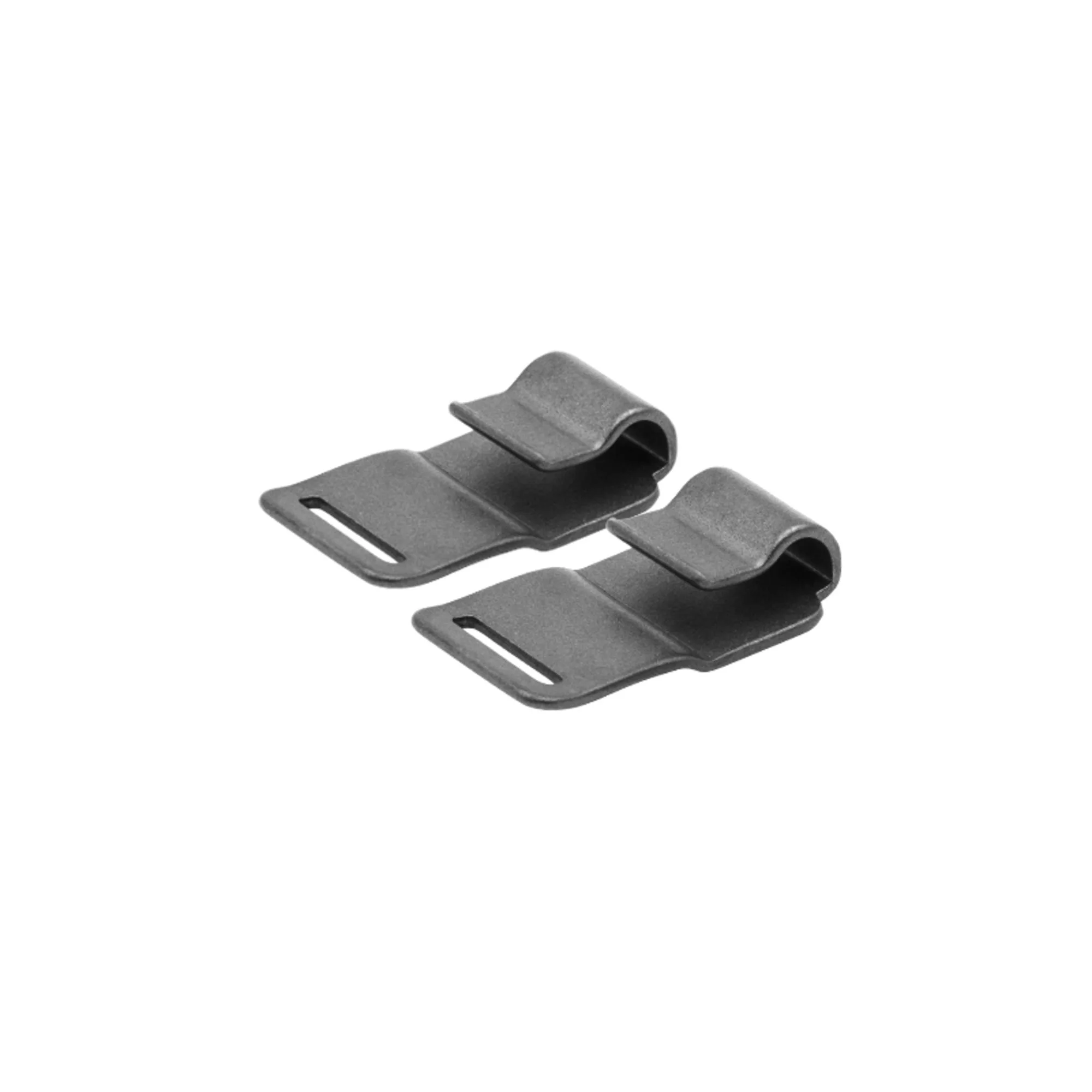
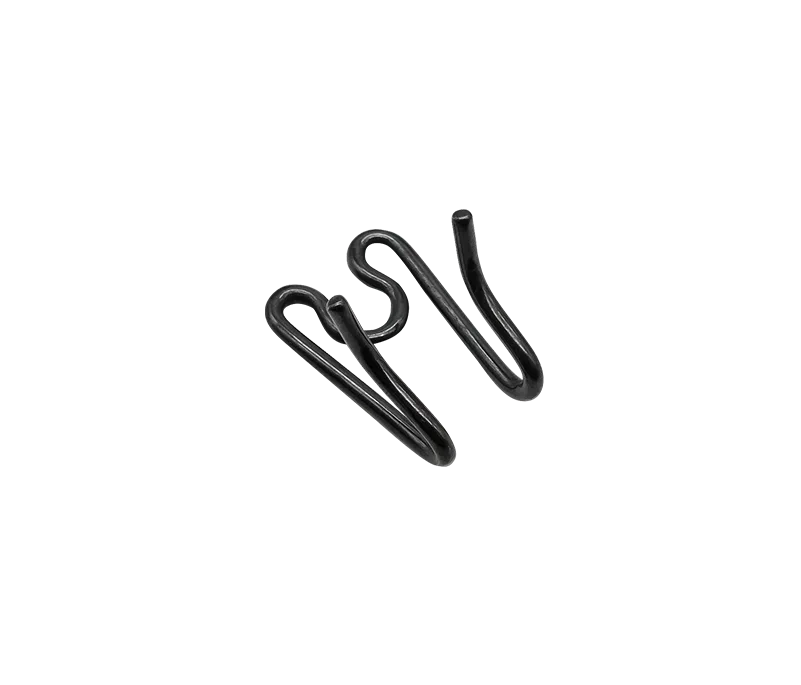
- 4.0mm Black Stainless Herm Sprenger Ultra-Plus Prong Training Dog Collar Replacement Links: These links are used to add length to the Herm Sprenger Ultra-Plus Prong Training Dog Collars, and the blunt design attaches easily to existing links for a perfect fit. If you already run a 4.0mm Ultra-Plus collar, this is the correct way to add length without buying a whole new collar.
- 2.25mm Black Stainless Herm Sprenger Ultra-Plus Prong Training Dog Collar Replacement Links: These links add length to the Herm Sprenger Ultra-Plus Prong Training Dog Collars and use the same blunt design that attaches to existing links. The 2.25mm size shows why thickness matters: links are size-specific, so ordering the wrong diameter will not fit your collar.
- Herm Sprenger NeckTech Fun Extra Matte Black Stainless Links: Each extra link for stainless steel Neck-Tech collars adds 1.25 inches (3 cm) to the total length of the collar, and the stainless steel construction prevents rust or corrosion. A stated length-per-link figure is useful because it lets you calculate exactly how many links you need instead of guessing.
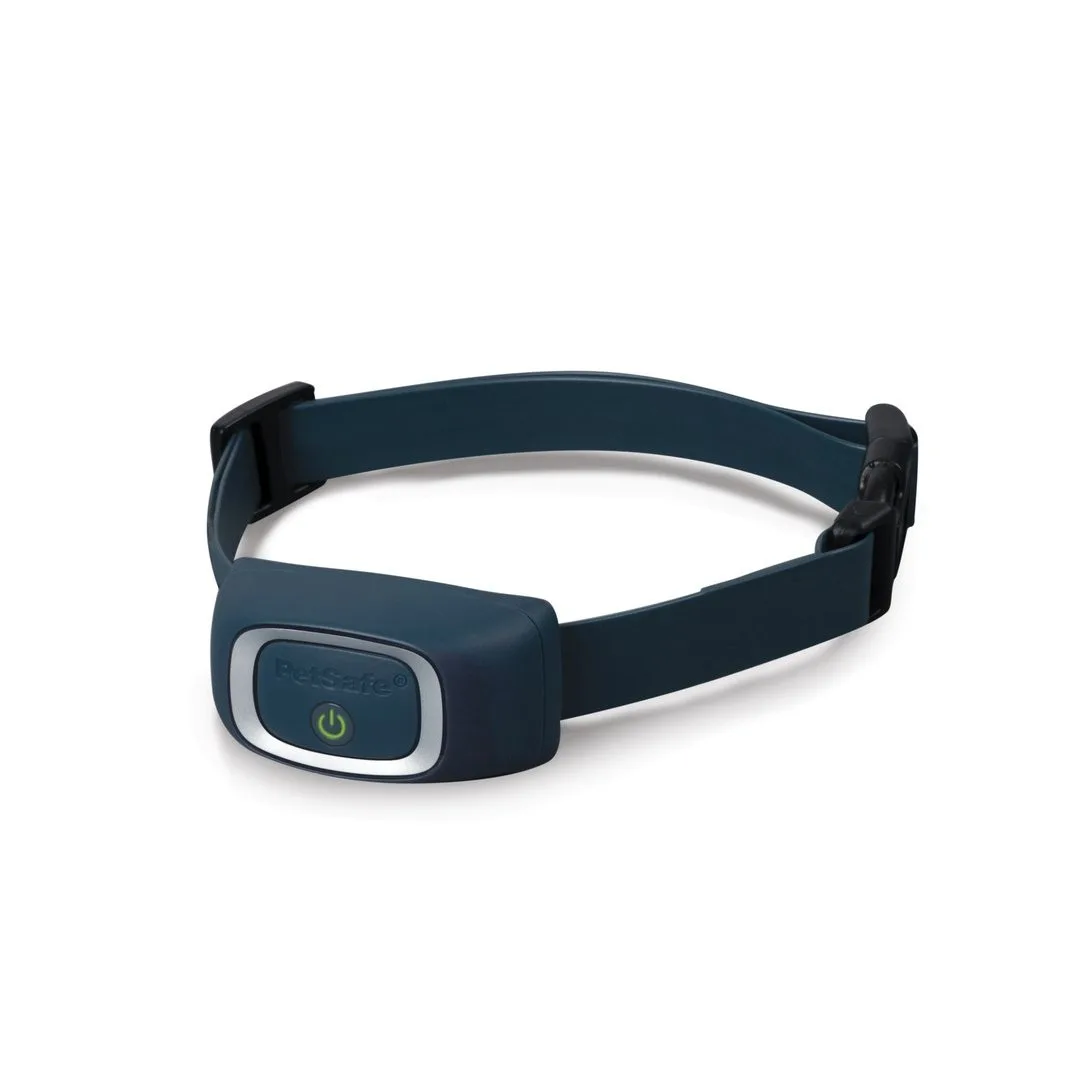
- PAC00-16163 PetSafe® Add-A-Dog Receiver Collar: This receiver collar can assist in training your pet for off-leash safety, is easy to use, and is adjustable to fit the neck of various dogs. If your strong dog also needs off-leash training, an adjustable receiver collar is a separate purchase from a standard or link collar.
Which collar fits your dog
Best for
- Strong dogs that pull hard or train daily, where stretching and fraying are real risks
- Owners who need fine fit adjustment and want one collar to last several years
- Dogs that swim, get rained on, or work in wet conditions
Not for
- Calm dogs that walk on a loose leash and only need a light everyday collar
- Owners prioritizing low cost, bright colors, or minimal collar weight
- Dogs whose neck size changes often and who would need frequent link changes
Match the material to your dog's actual behavior, not its size on paper. If your dog pulls, stainless steel link collars give you durability and precise fit; if walks are calm, a well-made nylon collar is lighter and cheaper. Either way, check the hardware and the fit before you rely on it.