Quick answer
Use the oil cleanser first, then the water cleanser. The oil step melts oil-based impurities like sunscreen, makeup and excess sebum; the water step clears water-based residue like sweat and grime. If you only cleanse once, choose based on what's on your skin: makeup or SPF calls for an oil cleanser, while a bare, sweaty face can use a water cleanser alone.
Why the oil step comes first
Oil and water don't mix, and neither do the impurities they target. Oil-based debris — sunscreen filters, makeup pigments, sebum — dissolves in oil, not in a water-based gel. That's why the double cleansing order starts with an oil cleanser: it breaks down the oil-soluble layer so the follow-up water cleanser can actually reach the skin instead of working through a film of makeup.
Think of it as dissolving before rinsing. If you skip the oil step, a water cleanser may leave behind sunscreen and long-wear makeup, which can contribute to clogged pores over time. If you skip the water step, oil and emulsified debris can linger and leave a slippery finish.
What each cleanser actually removes
A water cleanser handles sweat, dust, and water-based grime, and it's the step that leaves skin feeling fresh rather than coated. An oil cleanser handles the makeup and SPF that water alone struggles with. The two aren't competitors; they're sequential tools.
The practical difference shows up in texture and finish. Oil cleansers tend to feel rich and sorbet-like as they melt, while water cleansers range from gels to tonics that rinse clean. Your skin type and the day's exposure decide which one you reach for when you're not doing both.
How to run the two-step routine without over-cleansing
Start with dry hands and a dry face for the oil step so the balm can grip makeup instead of emulsifying too early. Massage for about 30 seconds, add a splash of water to emulsify, then rinse. Follow with your water cleanser on damp skin, using light pressure and lukewarm water.
If your skin feels tight or squeaky after cleansing, you've likely stripped it. On low-makeup days, you can use the water cleanser alone; on heavy SPF or full-makeup days, keep both steps. Sensitive skin should prioritize gentle formulas and avoid hot water, which can aggravate redness regardless of which cleanser you use.
Trade-offs to weigh before you commit
- Two steps vs. one: Double cleansing removes both oil- and water-based impurities thoroughly, but it takes more time and more product per wash. A single water cleanse is faster and often enough on bare-skin days. Match the number of steps to what's actually on your face that day.
- Oil cleanser richness vs. water cleanser freshness: Oil cleansers melt makeup and SPF and can leave a nourished finish, but they need proper emulsifying and rinsing. Water cleansers rinse clean and feel fresher, but they can't dissolve waterproof makeup on their own. If you wear SPF daily or long-wear makeup, the oil step earns its place.
- Gentle vs. thorough: A soothing gel with PHAs and plant antioxidants is designed to clear skin without a stripping finish, while a cleansing tonic with deep sea water hydrates as it removes impurities. Both trade some raw cleansing power for comfort. Choose based on whether your priority is calm, hydrated skin or maximum makeup removal.
Two products that show the order in practice
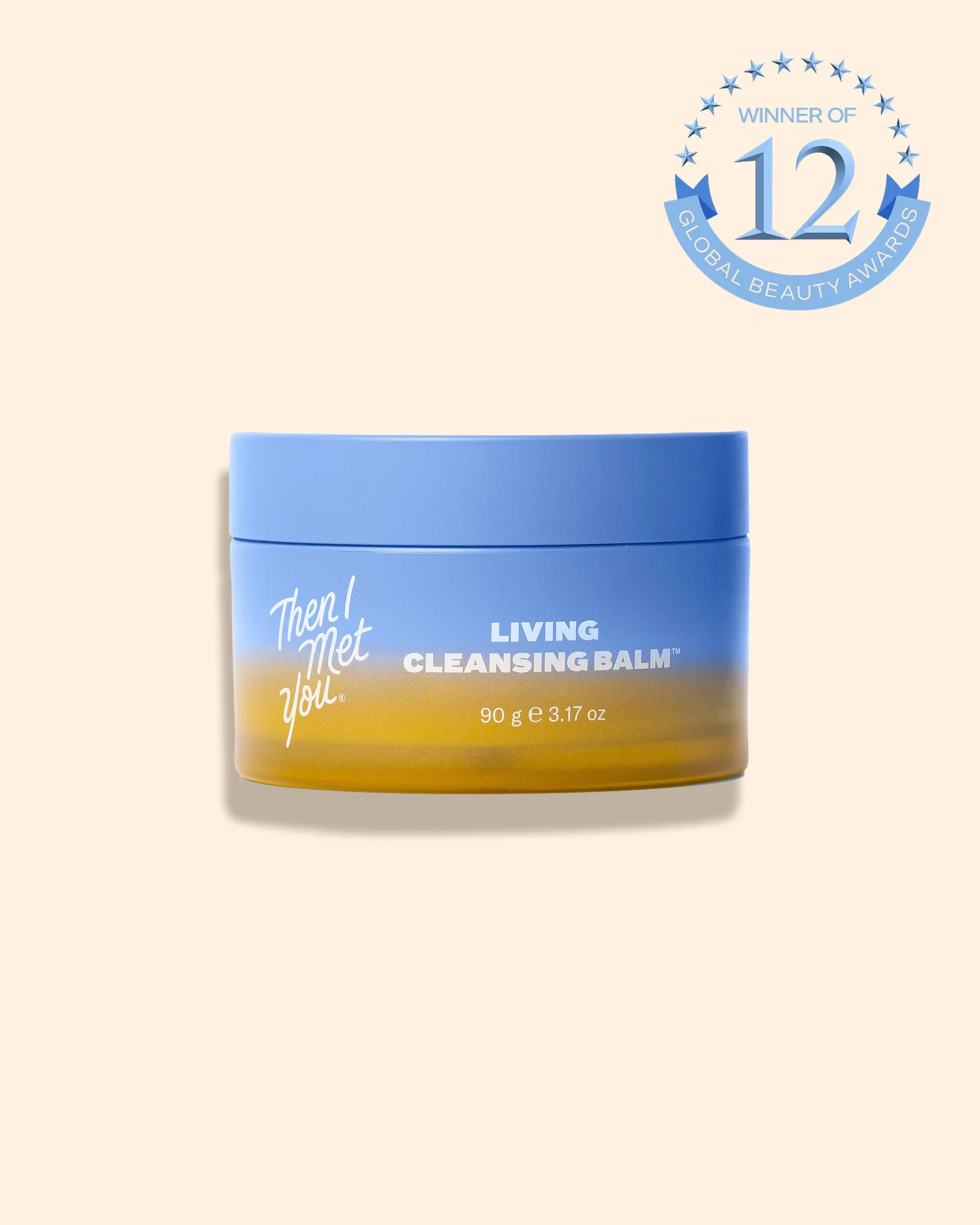
- Living Cleansing Balm ™: As the first step of your double cleanse, massage this luxurious, sorbet-soft oil cleanser into the skin to melt away oil-based impurities such as sunscreen, makeup and excess sebum while nourishing the skin with antioxidants, essential fatty acids and vitamin E. This is the oil-first step: it targets exactly the impurities a water cleanser can't dissolve, and the added antioxidants and fatty acids mean the step nourishes rather than just strips.
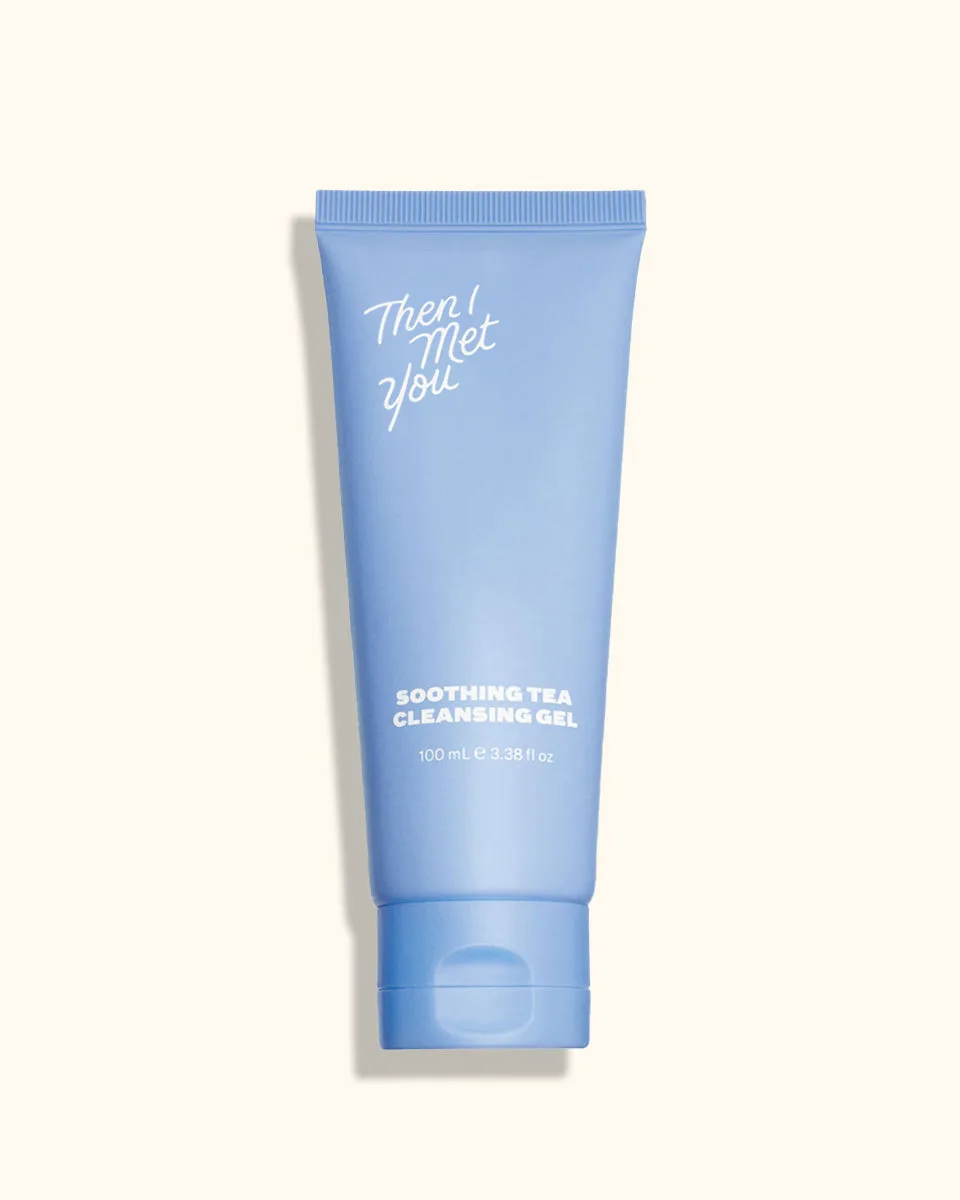
- Soothing Tea Cleansing Gel: After melting away oil-based impurities with the Living Cleansing Balm, gently massage this soothing gel cleanser into the skin as the second step of your double cleanse to remove water-based impurities. Fermented rice water is the star ingredient of this innovative gel cleanser that will gently and effectively clear skin of all impurities. A blend of PHAs and calming plant-based antioxidants with antibacterial... This is the water-second step: the gel format and fermented rice water make it a gentle follow-up, and the PHA and plant antioxidant blend suits skin that wants cleansing without a harsh finish.
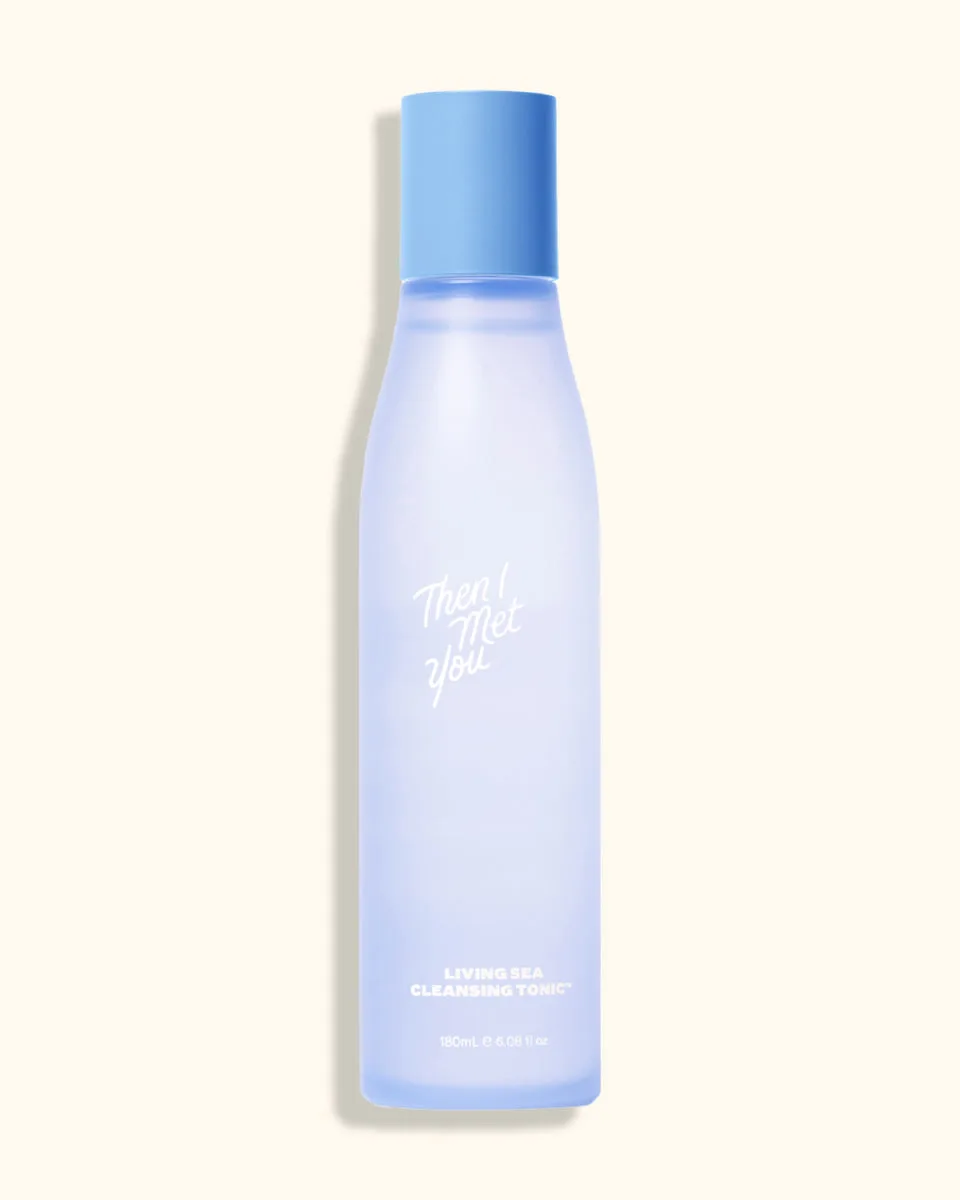
- Living Sea Cleansing Tonic: This refreshing multi-tasking cleansing toner hydrates while it cleanses, micro-emulsifies makeup and removes impurities with nourishing ingredients that won't strip away your skin's natural moisture. Powered by 85% Deep Sea Water sourced from Gangwon, Korea and formulated with a blend of papaya enzymes, licorice root, seaberry and persimmon extract, Living Sea Cleansing Tonic helps revitalize and rehydrate for a... A water cleanser that also micro-emulsifies makeup gives you a middle path: it can stand in for the water step, or act as a light single cleanse on low-makeup days without leaving skin tight.
Which should you use first — and when?
Best for
- Anyone wearing sunscreen, makeup, or both daily — start with an oil cleanser, then follow with a water cleanser.
- Dry or combination skin that wants a nourishing first step and a gentle second step.
- Sensitive skin that needs a water cleanser for sensitive skin as the follow-up, not the only step, on makeup days.
Not for
- Bare-faced days with no SPF — a single water cleanse is usually enough.
- Skin that reacts to richer textures — a cleansing tonic or gel alone may suit better.
- Anyone unwilling to emulsify and rinse the oil step properly; leftover balm can leave a film.