Quick answer
Apply moisturizer first, wait about 60 seconds, then apply sunscreen as the last step of your morning skincare routine. Moisturizer hydrates and supports the skin barrier; sunscreen sits on top to form the UV-protective layer you actually want on the surface. If you reverse the order, the moisturizer can dilute or lift the sunscreen film and reduce the protection you get.
Why sunscreen has to be the last skincare step
Sunscreen works as a film on the surface of your skin. Anything you apply after it — a moisturizer, an oil, a heavy cream — can disturb that film and weaken the protection. That's why moisturizer goes underneath and sunscreen goes on top, even when the sunscreen feels hydrating on its own.
The exception is makeup. If you wear foundation, tinted moisturizer, or powder, apply it after your sunscreen has set. Give the sunscreen a minute or two to settle so it doesn't smear or pill under your base.
How long to wait between moisturizer and SPF
You don't need a long drying time. Around 60 seconds is usually enough for most moisturizers to absorb so the sunscreen can spread evenly instead of sliding around. If your moisturizer still feels tacky after a minute, give it another 30 to 60 seconds.
If you're in a rush, a lightweight moisturizer absorbs faster than a rich cream. Applying sunscreen to damp, freshly moisturized skin tends to cause streaking and uneven coverage, so a short pause is worth it.
What to do when sunscreen pills over moisturizer
Pilling — those little rolled-up flakes — usually comes from too many layers, incompatible textures, or rubbing instead of patting. Try these fixes in order: use less moisturizer, wait longer before applying SPF, and switch to a lighter moisturizer if your skin can handle it.
Application technique matters too. Dot the sunscreen across your face and pat or press it in rather than rubbing in circles. If pilling continues, your moisturizer and sunscreen formulas may simply not layer well together, and swapping one of them is the cleanest solution.
Does the order change for oily or dry skin?
The order stays the same — moisturizer first, sunscreen last. What changes is whether you need a separate moisturizer at all. Very oily skin can sometimes skip a standalone moisturizer and rely on a hydrating sunscreen, while dry skin may need a richer cream underneath and a more emollient SPF on top.
If your skin feels tight by midday, your moisturizer is too light for your skin type, not a sign that the order is wrong. If you're shiny within an hour, your moisturizer may be too heavy under sunscreen.
Where moisturizer and sunscreen fit in your full morning routine
The correct order of skincare products in the morning is: cleanser, toner or essence, serum, moisturizer, sunscreen. Each step gets lighter and more watery as you go, except sunscreen, which is always last because it needs to stay on the surface.
If you use an essence, apply it before your moisturizer so it can absorb. If you use an eye cream, it goes after your serum and before your moisturizer. The only hard rule is that sunscreen closes the routine.
Quick answers to common layering questions
Does moisturizer go under sunscreen?
Yes. Moisturizer goes on first to hydrate and support the barrier, then sunscreen goes on top as the final step. Moisturizer underneath, SPF on top — every morning.
Can I skip moisturizer if my sunscreen is hydrating?
If your skin feels comfortable and not tight, a hydrating sunscreen can sometimes replace a separate moisturizer, especially for oily skin. Skip the moisturizer only if your skin doesn't feel dry by midday.
How do I stop sunscreen from pilling over moisturizer?
Use less moisturizer, wait 60 seconds before applying SPF, pat instead of rub, and switch formulas if pilling continues. Pilling is a texture problem, not a sign you're doing the order wrong.
Do I need to reapply sunscreen over makeup?
Yes, sunscreen needs reapplication every two hours of sun exposure. A sunscreen stick or cushion SPF can go over makeup more easily than a cream. Reapply without removing your base if you're outdoors for long stretches.
Products that make layering easier
- Relief Sun Aqua-Fresh : Rice + B5 (SPF50+ PA++++): Relief Sun Aqua-Fresh : Rice + B5 (SPF50+ PA++++) is an ultra-lightweight fluid sunscreen made with rice seed water, designed for oily and combination skin. A fluid texture spreads easily over moisturizer and is less likely to pill than a thick cream SPF, which helps if you've had layering issues before.
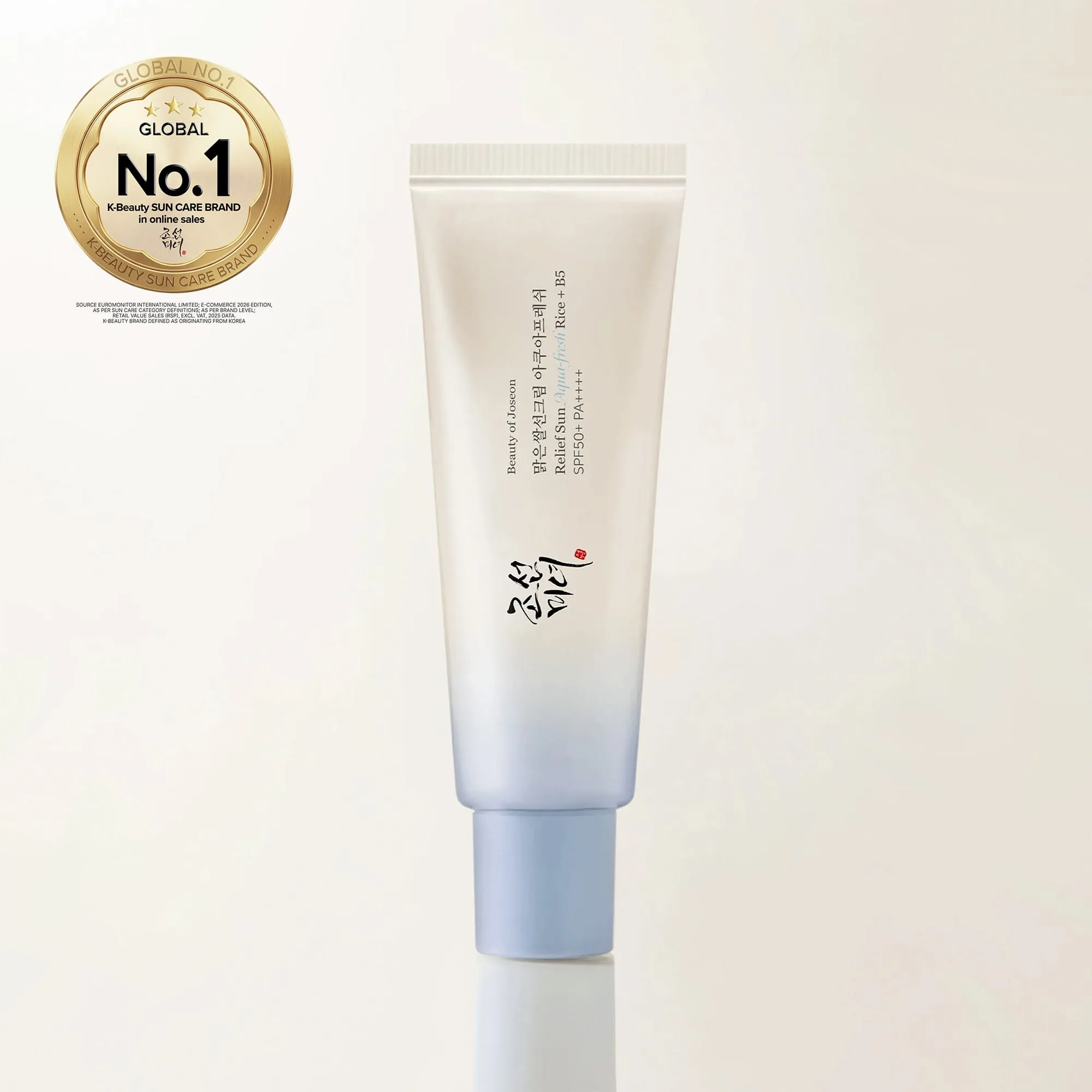
Relief Sun Aqua-Fresh : Rice + B5 (SPF50+ PA++++)
- Refreshing Green Routine Set: The Refreshing Green Routine Set pairs a Green Plum Refreshing Toner with a 2-in-1 https://sikaicshop.com/products/dayscreen-moisturizer-spf-30-282680Dayscreen Moisturizer SPF 30. If you prefer fewer steps, a moisturizer with built-in SPF simplifies the order — though SPF 30 is a lighter protection level than SPF 50+, so reapplication matters more.