Quick Answer
Most belly bands slide because the band is too narrow for your dog's body or the strap is not snug enough around the waist. Check the width first, then the tension, then the buckle. If the band still rotates or drops after those three fixes, the band itself is the wrong size for your dog and no amount of adjusting will hold it.
Symptom: The Band Rotates, Drops, or Both
These are two different failures and they point to different causes. Rotation means the band twists around the body, usually dragging the absorbent pad away from where it needs to be. Dropping means the band slides down over the hips or off the rear entirely. A band that does both is almost always too narrow for the dog's build, because a narrow strap has less surface area to grip and less structure to resist twisting.
Watch your dog for a few minutes rather than judging from a photo. Note whether the band moves when he walks, when he sits, or when he lies down and stands back up. Movement during position changes is the most common pattern and the easiest to correct.
Cause 1: The Band Width Does Not Match Your Dog
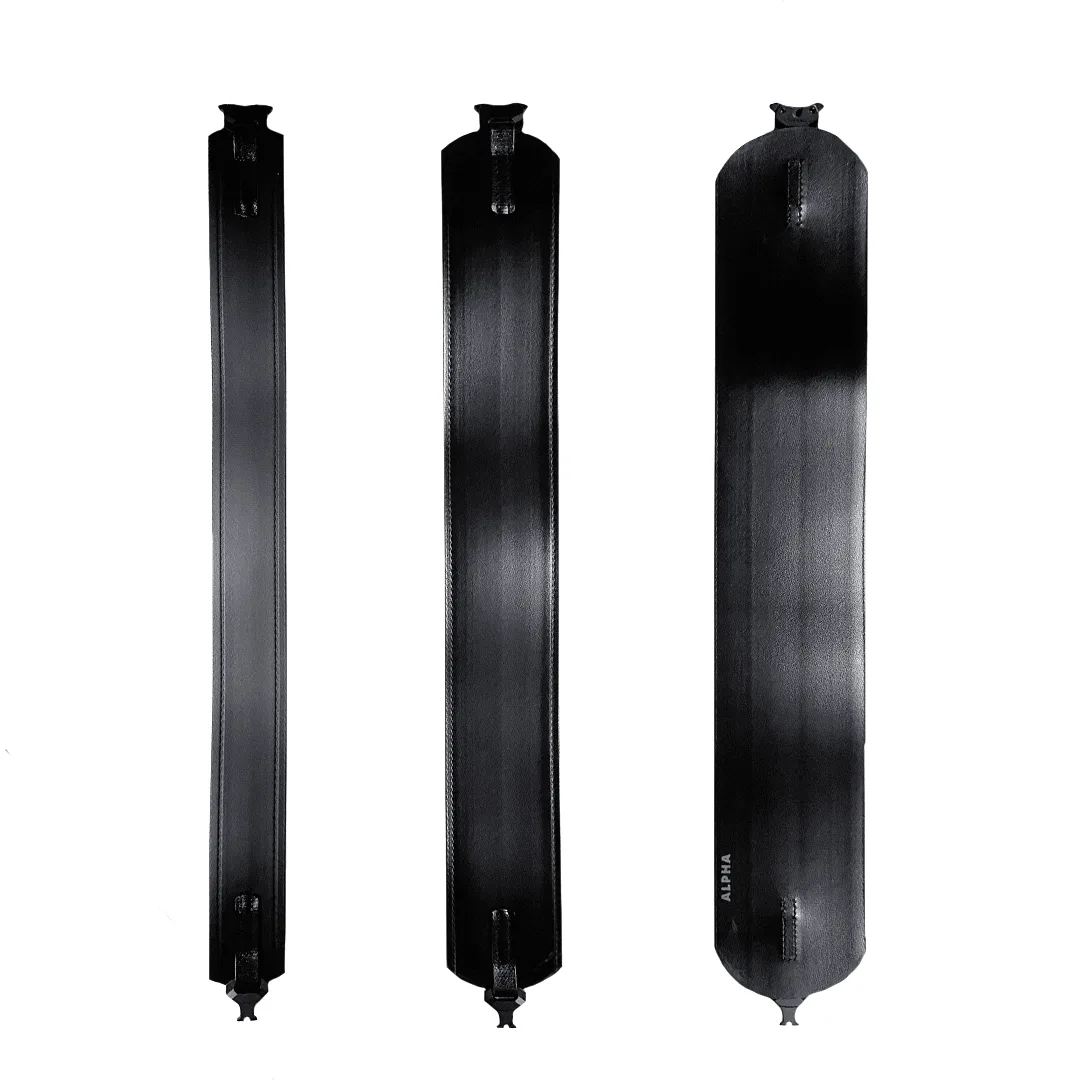
Width is the single biggest factor in whether a belly band stays put. A 2-inch band suits small and medium dogs with short backs. A 3-inch band is the middle ground for most medium and large dogs. A 4-inch band gives broad coverage for large dogs or heavy-coated breeds where a narrow strap disappears into the coat and loses contact with the body.
If you are running a 2-inch band on a 70-pound dog, the band is doing its best and failing. Step up one width before you change anything else.
Cause 2: Strap Tension Is Too Loose or Too Tight
A belly band should sit snug enough that you can slide two fingers flat under the strap, no more. Looser than that and the band shifts with every step. Tighter than that and you risk rubbing, which creates a new problem: a dog that licks and chews at the band until it loosens or comes off.
Recheck tension after your dog has worn the band for ten minutes. Biothane does not stretch much, but body position changes how the strap sits, and a band that felt right while standing can go slack once your dog lies down.
Cause 3: Worn or Mismatched Buckle Hardware
A release buckle that no longer clicks firmly will let the strap creep looser over an hour of wear. That creeping is easy to mistake for a sizing problem, because the band starts the day snug and ends it hanging low. Test the buckle by fastening it and pulling the strap firmly in both directions. If it slips or releases under light load, replace the buckle rather than the whole band.
Match the replacement to the side you actually need. A female-side replacement buckle will not fix a broken male side, and mixing hardware types across brands can leave you with a closure that never seats properly.
When to Stop Adjusting and Change the Setup
Stop adjusting if you have corrected width, tension, and buckle and the band still rotates or drops within an hour of wear. At that point the band is the wrong product for your dog's body shape, and further tightening only creates rubbing risk.
Also stop if your dog is consistently working the band loose with his mouth or paws. That is a comfort signal, not a training problem, and it usually means the band is too narrow, too tight, or sitting on a sensitive spot.
Sliding Belly Band Diagnosis
- Band rotates but stays at waist height: Width is too narrow for your dog's build, so the strap has too little surface area to resist twisting. Step up one width, for example from 2-inch to 3-inch, before changing anything else.
- Band starts snug and hangs low by mid-day: The strap is creeping through the buckle, which points to worn or mismatched closure hardware. Test the buckle under load. If it slips, replace the female side rather than the whole band.
- Band slides down over the hips within minutes: Tension is too loose, or the band is the wrong size for the dog's body shape entirely. Retension to a two-finger fit and retest. If it still drops, stop adjusting and change the band size.
- Dog paws or chews at the band: Discomfort, not mischief. The band is too tight, too narrow, or sitting on a sensitive area. Loosen or widen. If the behavior continues, the band is not a good match for this dog.
Parts That Solve Specific Sliding Causes
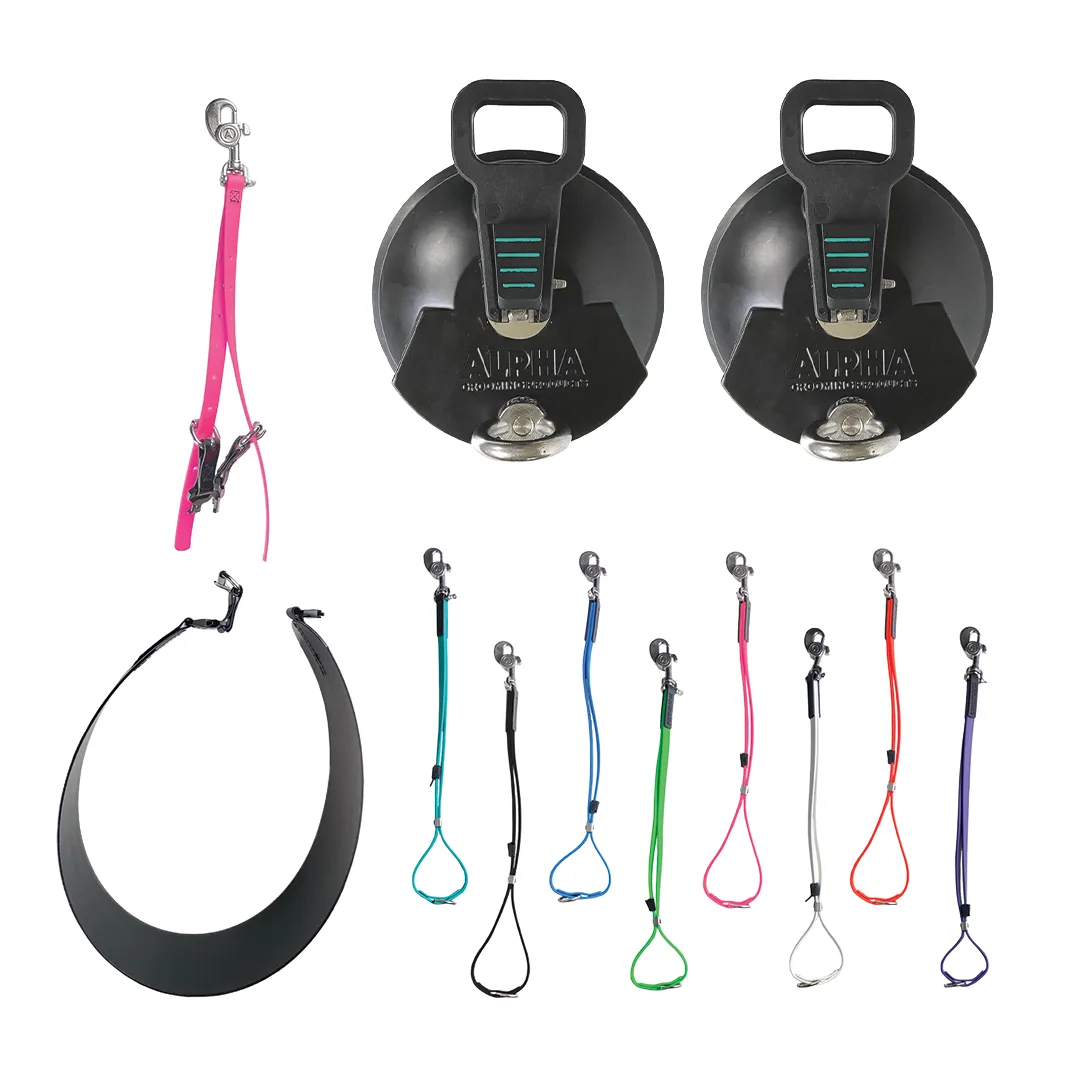
- AXL Belly Band Lower: The AXL Belly Band Lower is the lower portion of the original Biothane Belly Band System, available in 2-inch, 3-inch, and 4-inch widths, with aluminum male and female Mil Spec buckles. It requires the Belly Band Upper if you do not already own one. This is the direct fix when width is the cause, because you can move up a size without replacing the entire system. Check that you already have the Upper before ordering, since the Lower alone will not complete the band.
- Belly band release buckle: The belly band release buckle is a female-side-only replacement part designed to refresh or repair an existing belly band closure, and it is compatible with standard belly band straps. Use this when the buckle, not the band, is the reason the strap creeps loose. It is the cheaper repair path, and it only works if the female side is what failed.