Quick answer
A high-quality omega-3 supplement supports heart, brain, and joint health over the long term. Look for a fish oil with high EPA and DHA content in triglyceride form for better absorption, and choose a sustainably sourced, purified product to avoid contaminants.
Why Omega-3s Matter More as You Age
Omega-3 fatty acids, specifically EPA and DHA, are essential for maintaining cardiovascular function, cognitive sharpness, and joint mobility. As we get older, our bodies become less efficient at utilizing these fats, making supplementation a practical way to fill the gap.
Research consistently links higher omega-3 intake with reduced risk of age-related cognitive decline and better heart health outcomes. For active adults, the anti-inflammatory properties of EPA and DHA also support faster recovery from exercise and everyday wear and tear.
What to Look for in a Fish Oil Supplement
Not all omega-3 supplements are equal. The form of the oil matters: triglyceride-form fish oils are absorbed more efficiently than ethyl esters, meaning you get more benefit per dose. Also check the EPA and DHA amounts per serving, not just the total fish oil content.
Purity is another key factor. Wild-caught, sustainably sourced fish oil that has been molecularly distilled to remove heavy metals and PCBs gives you peace of mind. A fish-burp free coating can also make daily use more pleasant.
Trade-Offs and Limitations
Omega-3 supplements are not a substitute for a balanced diet rich in fatty fish like salmon or mackerel. They work best as part of a broader wellness routine. Also, high doses can thin the blood, so consult a healthcare provider if you take blood thinners.
Price varies widely. Higher-quality oils with high absorption triglycerides and third-party testing tend to cost more, but the bioavailability difference can justify the investment for long-term use.
How to Choose Your Omega-3 Supplement
- Check EPA and DHA amounts: Look for at least 1000mg combined EPA and DHA per serving. More is not always better, but a meaningful dose ensures you get the benefits. Aim for a 2:1 or 1:1 EPA-to-DHA ratio for general wellness.
- Prefer triglyceride form: Triglyceride-form fish oils are absorbed up to 70% better than ethyl ester forms. Check the label for 'triglyceride' or 're-esterified triglyceride.' Better absorption means you can take a smaller dose for the same effect.
- Verify purity and sourcing: Choose a supplement that is wild-caught, sustainably sourced, and molecularly distilled. Look for third-party purity seals or certifications. This reduces exposure to environmental toxins like mercury and PCBs.
- Consider your lifestyle: If you dislike fishy aftertaste, opt for a 'fish-burp free' enteric-coated or lemon-flavored softgel. Liquid oils are an alternative but require refrigeration. Consistency matters more than form—pick one you will take daily.
Product Facts
-
Omega-3: Kaged Omega-3 provides 1100mg EPA + 900mg DHA in high-absorption triglyceride form, is wild-caught, purified, and sustainably sourced. This high-dose, highly absorbable formula supports heart, brain, and joint health with minimal fish burp, making it easy to take daily.
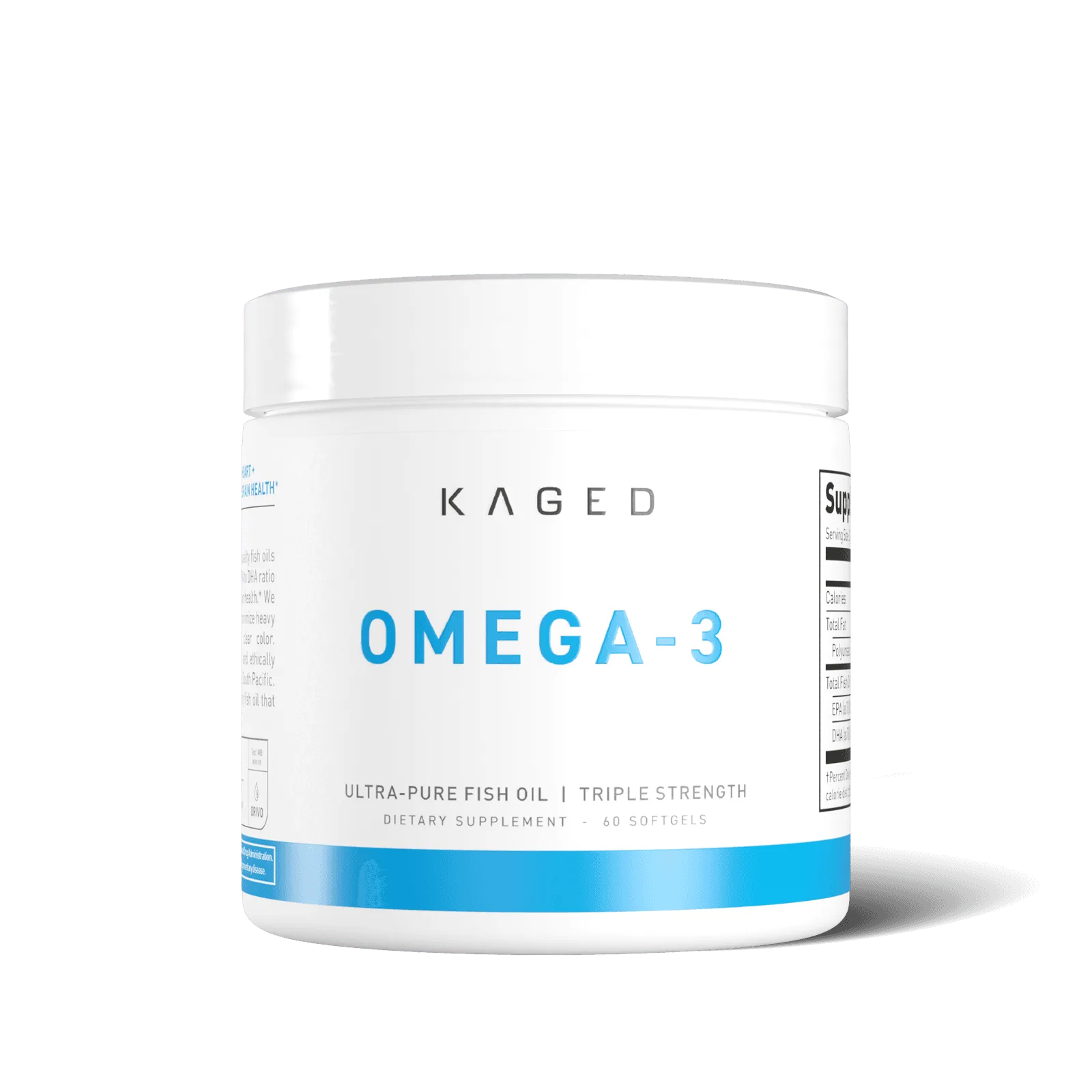
Omega-3
Who Should Choose This Type of Supplement
Best for
- Adults over 40 looking to support heart and brain health
- Active individuals who want to reduce exercise-induced inflammation
- Anyone who does not eat fatty fish at least twice a week
Not ideal for
- People with fish or shellfish allergies (consider algal oil alternatives)
- Those on high-dose blood thinners without medical guidance
- Individuals seeking a quick fix rather than a long-term dietary addition