Quick answer
OOLY Chunkies Paint Sticks are solid paint in a twist-up tube: uncap, twist, and draw directly on paper. They dry quickly and need no water, cups, or brushes, which makes them a strong pick for mess-free painting with kids. Expect bold color and easy cleanup, but less blending control than liquid paint.
Paint sticks sit in a useful middle ground between crayons and liquid paint. They feel like drawing tools but lay down opaque color, so kids who get frustrated with brushes can still make bright, satisfying pictures without a setup ritual.
This FAQ answers the questions that come up most often with OOLY Chunkies Paint Sticks: how they work, how to use them, what surfaces suit them, and when a brush is still the better tool.
How do OOLY Chunkies Paint Sticks actually work?
Inside the plastic barrel is solid paint rather than a waxy crayon core. You twist the base to advance the stick, then draw directly on paper. The paint transfers through friction and pressure, so a light touch gives a thin line and firm pressure gives a thicker, more saturated mark.
Because there is no water and no bristles, there is nothing to rinse and no cup to tip over. That is the core of the mess-free painting appeal for kids: the color stays on the page and on the stick, not on the table or hands.
- Twist only a little at a time; too much exposed paint can snap under heavy pressure.
- Recap after use so the surface does not dry out.
How to use paint sticks with kids step by step
Start with a smooth, heavier paper. Lightweight copy paper can buckle or let color bleed through, while card stock or mixed-media paper holds the paint better. Tape the sheet down if your child presses hard, then demonstrate a light line and a heavy line so they can see the difference.
Let them fill shapes first, then add outlines once the base color is down. Paint sticks dry quickly, so layering is possible within a single session, but very wet overpainting is not the point. Cleanup is simply recapping and washing hands.
- Lay down a scrap sheet or mat as a habit, even though drips are unlikely.
- For younger children, pre-twist only a small amount to reduce breakage.
Are OOLY Chunkies Paint Sticks really mess-free?
They are far cleaner than liquid paint, but mess-free is not the same as zero-mess. Hands can still pick up color, especially if a child rubs the stick with a palm or presses hard enough to smear. A quick hand wash and a wipe of the table usually covers it.
The bigger win is setup and teardown. There are no brushes to clean, no water to change, and no drying rack needed. For a quick after-school activity or a travel bag, that convenience matters more than absolute cleanliness.
- Keep a damp cloth nearby for smears on hard surfaces.
- Store sticks upright so the paint does not settle against the cap.
Paint sticks vs brushes: which should you choose?
Choose paint sticks when you want quick color, low setup, and independent play for younger kids. Choose brushes and liquid paint when the goal is color mixing, washes, texture, or fine detail. The two are not rivals so much as different tools for different projects.
A practical approach is to keep both on hand. Use paint sticks for fast drawings and fill-in work, then bring out brushes when your child wants to blend or paint a larger scene. That combination covers more creative ground than either tool alone.
- Paint sticks for travel, waiting rooms, and short sessions.
- Brushes for color theory, blending, and longer studio-style projects.
What ages and surfaces suit Chunkies Paint Sticks?
The chunky barrel is designed for small hands, so they suit preschoolers and early elementary kids who are still building grip strength. Older children can use them too, especially for bold poster-style work or filling large areas quickly.
Surfaces matter as much as age. Smooth paper, card stock, and some cardboard work well. Very glossy or coated surfaces may resist the paint, and fabric is not the intended use unless the product specifically says otherwise. When in doubt, test on a corner first.
- Test on a scrap of the same paper before starting a final piece.
- Keep finished artwork flat until fully dry to avoid transfer.
Quick FAQ checkpoints
Do I need water or brushes?
No. Twist the stick, draw directly on paper, and recap when finished. Best for low-setup, independent painting.
Will they blend like liquid paint?
Not really. Paint sticks are better for bold color and filling shapes than for washes or subtle gradients. Keep brushes for blending projects.
What paper should I use?
Smooth, heavier paper such as card stock or mixed-media paper holds up better than thin copy paper. Test a corner before a final piece.
How do I stop the stick from breaking?
Twist up only a small amount and avoid pressing too hard. Less exposed paint means fewer snaps.
Product facts worth knowing
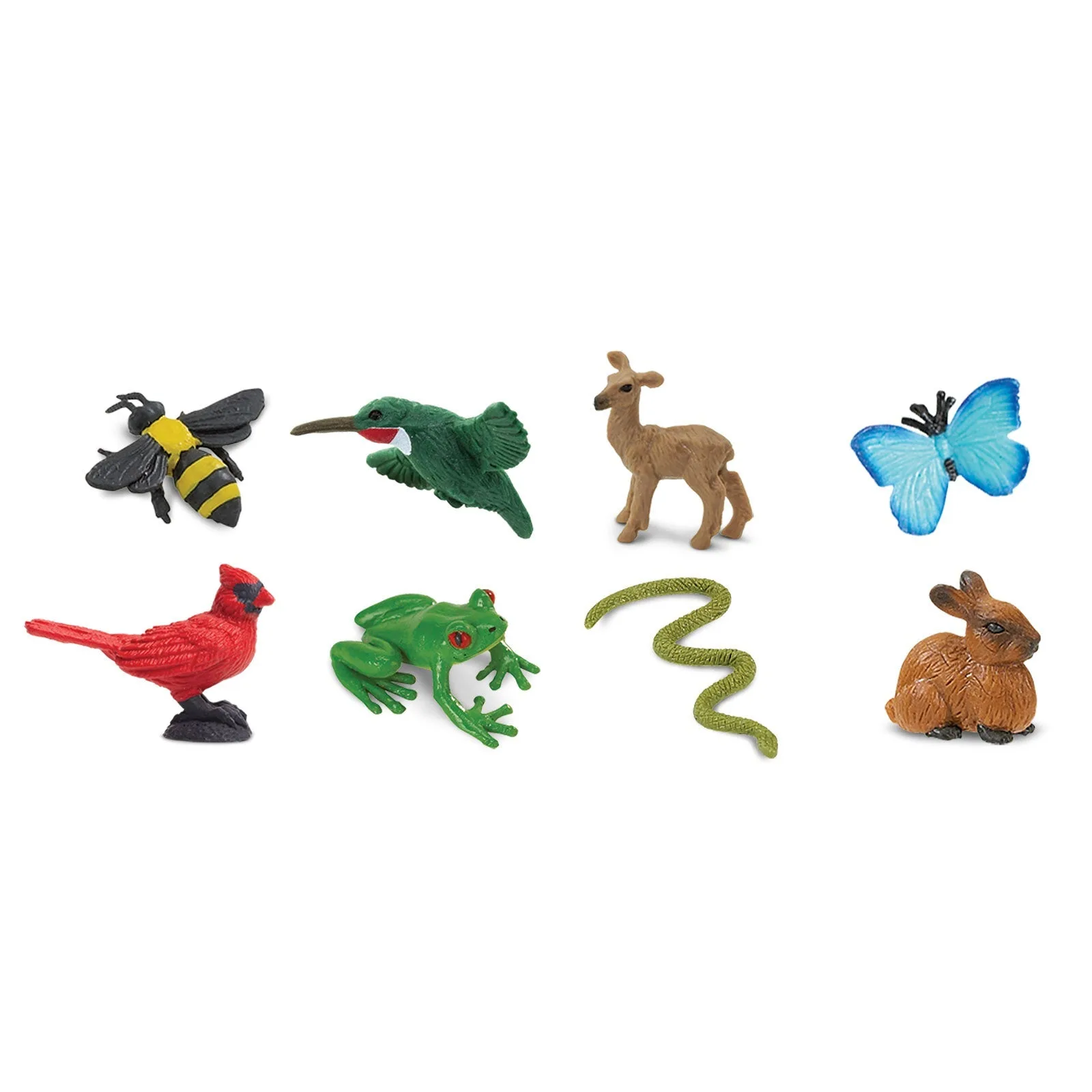
- Backyard Fun Pack: Good Luck Minis Backyard Fun Pack features familiar creatures you might recognize from right outside your door. A small themed set like this pairs well with painted backyard scenes, giving kids a concrete subject to draw and then play with.
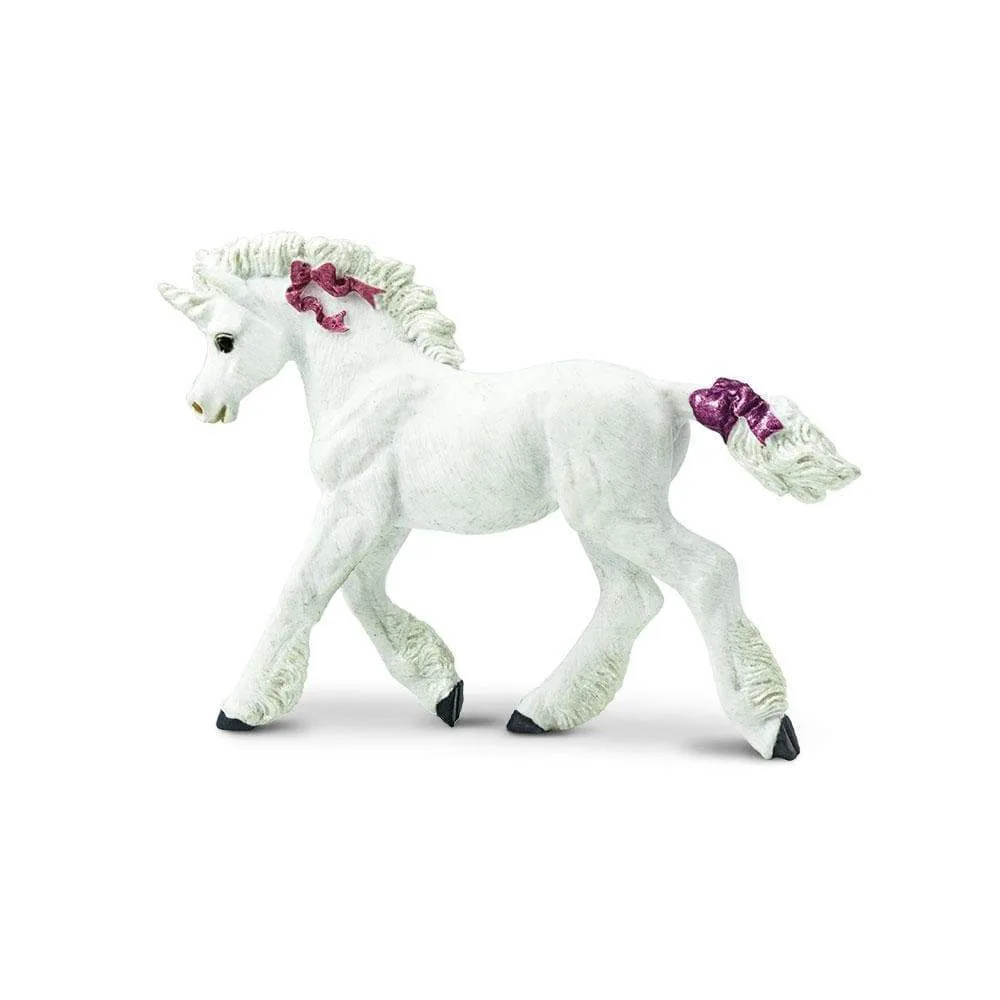
- Unicorn Baby Toy: This baby unicorn's horn is just longer than its ears, and its mane and tail feature colorful ribbons. Colorful, high-contrast figures are easy for young children to draw from, which makes them a natural prompt for paint stick sessions.
OOLY Chunkies Paint Sticks are a practical choice when you want real paint color without the full painting setup. Use them for quick, bold work with kids, and keep brushes nearby for the projects that need blending and fine control.