Quick answer
If your main goal is collector resale value, keep the deck sealed—especially numbered or limited runs. If you bought it to handle, shuffle, or display the cards, open it and accept that the resale price will drop. There is no single right answer, but the deciding factor is whether the deck is a collectible asset or a usable object to you.
What actually changes when you break the seal
Opening a deck removes the one thing buyers cannot restore: factory sealing. For limited editions, that seal often carries a number, foil, or tuckbox condition that proves the deck is untouched. Once opened, the deck becomes a used item even if you never shuffle it. The cards themselves may be perfect, but the market treats it as opened, and that usually lowers the price.
The drop is not uniform. A mass-produced deck may lose little value when opened. A numbered or patron-only release can lose a significant portion of its collector resale value because the pool of buyers who want a sealed example is much smaller than the pool who want the cards.
How to judge whether a specific deck should stay sealed
Look at three signals on the product page: whether it is numbered, whether it was sold only through a limited channel, and whether the tuckbox itself is part of the design. If all three are true, the sealed state is doing real work for value. If none are true, opening the deck costs you very little.
You can also ask whether you already own an opened copy. If you have a playable version, keeping the second copy sealed is a low-cost way to hold both use and value.
- Numbered or patron-only release: keep sealed unless you have a second copy.
- Standard retail deck with no numbering: open it and enjoy the cards.
- Tuckbox with foil, embossing, or letterpress: the box is part of the collectible, so sealing matters more.
- Deck you plan to resell within a year: sealed is easier to price and ship.
What you lose by never opening a deck
A sealed deck is an object you own but cannot fully inspect. You cannot check the print registration, feel the stock, or confirm that the cards match the advertised finish. For older decks, you also cannot verify that the cards have not stuck together or warped inside the box. Some collectors accept that risk as part of the hobby; others find it frustrating.
If your goal is to know the deck, opening it is the only way. The tradeoff is that you are converting a collectible into a used deck, and that conversion is usually permanent.
A practical middle path for most collectors
Buy one to open and one to keep sealed when the deck is important to you and the budget allows. This is the most common approach among collectors who both play and hold value, because it removes the daily temptation to break the seal on your only copy.
If you cannot buy two, decide before the deck arrives. Once it is in your hands, the urge to open it usually wins, and that is fine as long as you made the choice deliberately rather than by accident.
Quick answers to common seal questions
Does opening a deck always destroy its value?
No. Opening a standard retail deck usually changes little. Opening a numbered or limited edition typically lowers collector resale value because the sealed proof is gone. Check for numbering and limited channel before you break the seal.
Can I open a deck and still sell it later?
Yes, but expect a lower price and a smaller buyer pool. Opened decks are usually sold as used, even if the cards were never shuffled. If resale matters, keep at least one copy sealed.
What if the deck has no seal from the factory?
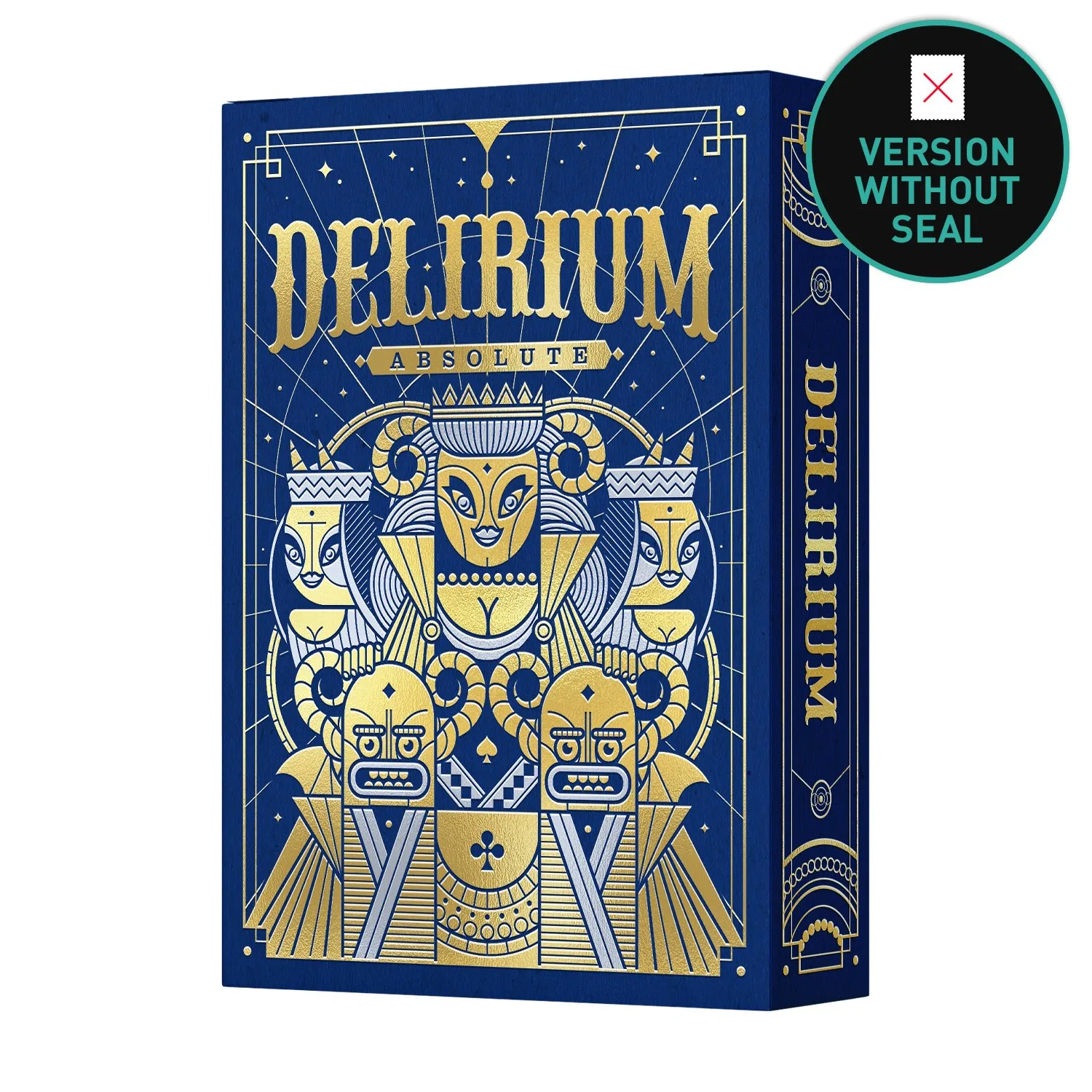
Some limited editions, like Absolute No Seal, are intentionally sold without a seal. In that case, judge value by the print run, tuckbox finish, and card condition rather than the seal. Match your decision to how the deck was actually released.
Examples from the current catalog
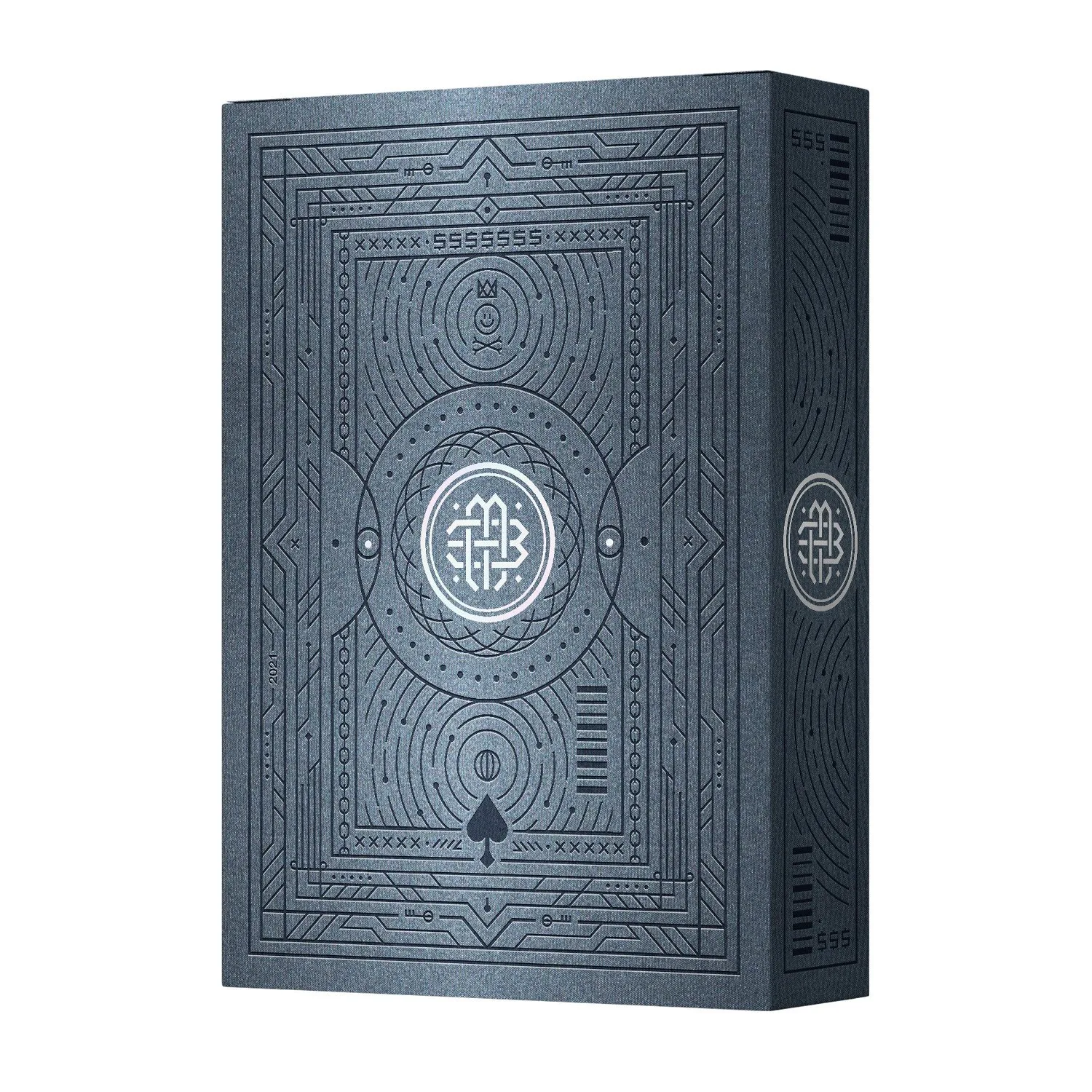
- BM Nexus: BM Nexus is the gilded Eternal Edition of Black Market Digital, sealed and numbered, limited to around a small run, with a custom tuckbox printed in Italy by Boschiero&Newton using letterpress and holographic foil. The numbering and patron-only channel make the sealed state part of the collectible. Opening this deck removes the numbered seal that proves it is an untouched Eternal Edition.
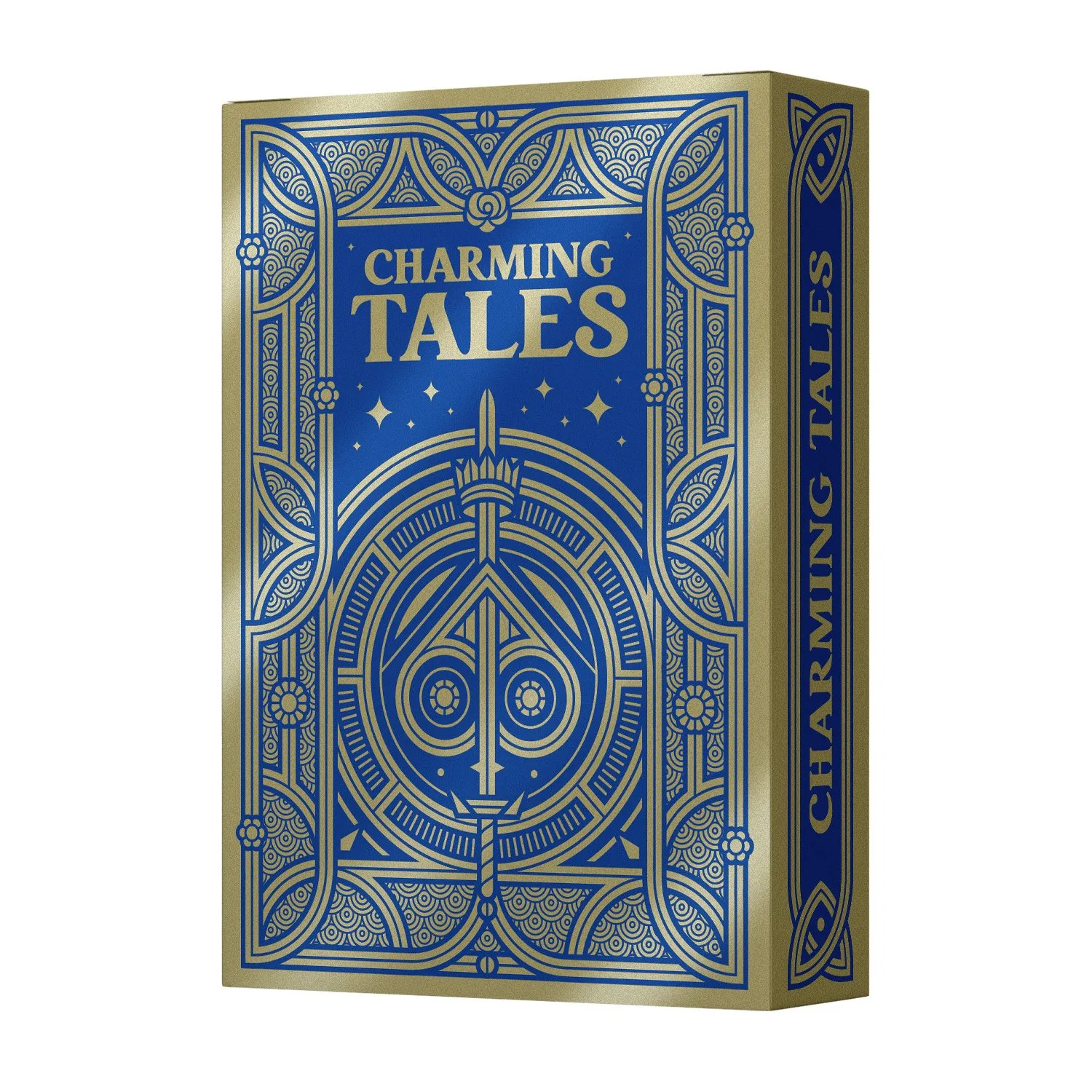
- Charming Tales: Charming Tales is the secret limited edition of Tales, using the same cards as Legendary in a rarer blue tuckbox, with asymmetric court cards that each tell a story. The cards are identical to a more available edition, so the blue tuckbox and its condition carry much of the collector value. If you open it, you lose the sealed proof but still have the same cards as Legendary.
- Absolute No Seal: Absolute No Seal is the limited no-seal edition of Delirium: The Lost Decks, printed by USPCC on premium stock with metallic inks and a premium paper tuckbox with gold and azure foil and embossing. This deck is sold without a seal by design, so the usual sealed-versus-opened rule does not apply in the same way. Its value rests on the limited print run and the tuckbox finish, not on factory sealing.