For millions of people, the day doesn't officially start until that first cup of coffee. But a growing number of tea lovers are discovering that a cup of organic black tea can deliver a gentler, more sustained lift without the jitters or the afternoon crash. If you've ever wondered how black tea compares to coffee in terms of caffeine and overall health impact, you're in the right place.
In this comparison, we'll break down the caffeine content of both beverages, explore how their energy effects differ, and weigh the health benefits and drawbacks of each. By the end, you'll have a clear picture of which brew deserves a spot in your daily routine.
Caffeine Content: Black Tea vs Coffee
The most obvious difference between black tea and coffee is the amount of caffeine they contain. On average, an 8-ounce cup of brewed coffee delivers about 95 mg of caffeine, while the same size cup of black tea typically provides 40–70 mg. That's roughly half the caffeine, which makes black tea a moderate-stimulant option for those who are sensitive to coffee's intensity.
However, the exact caffeine content in black tea varies based on the leaf grade, harvest time, and brewing method. For example, a second flush Darjeeling like Organic Darjeeling Selimbong FTGFOP1 Second Flush tends to have a more delicate flavor and slightly lower caffeine than a robust Assam. If you're looking for a lower-caffeine option, you can also opt for a decaffeinated organic tea, which retains most of the flavor with minimal caffeine.
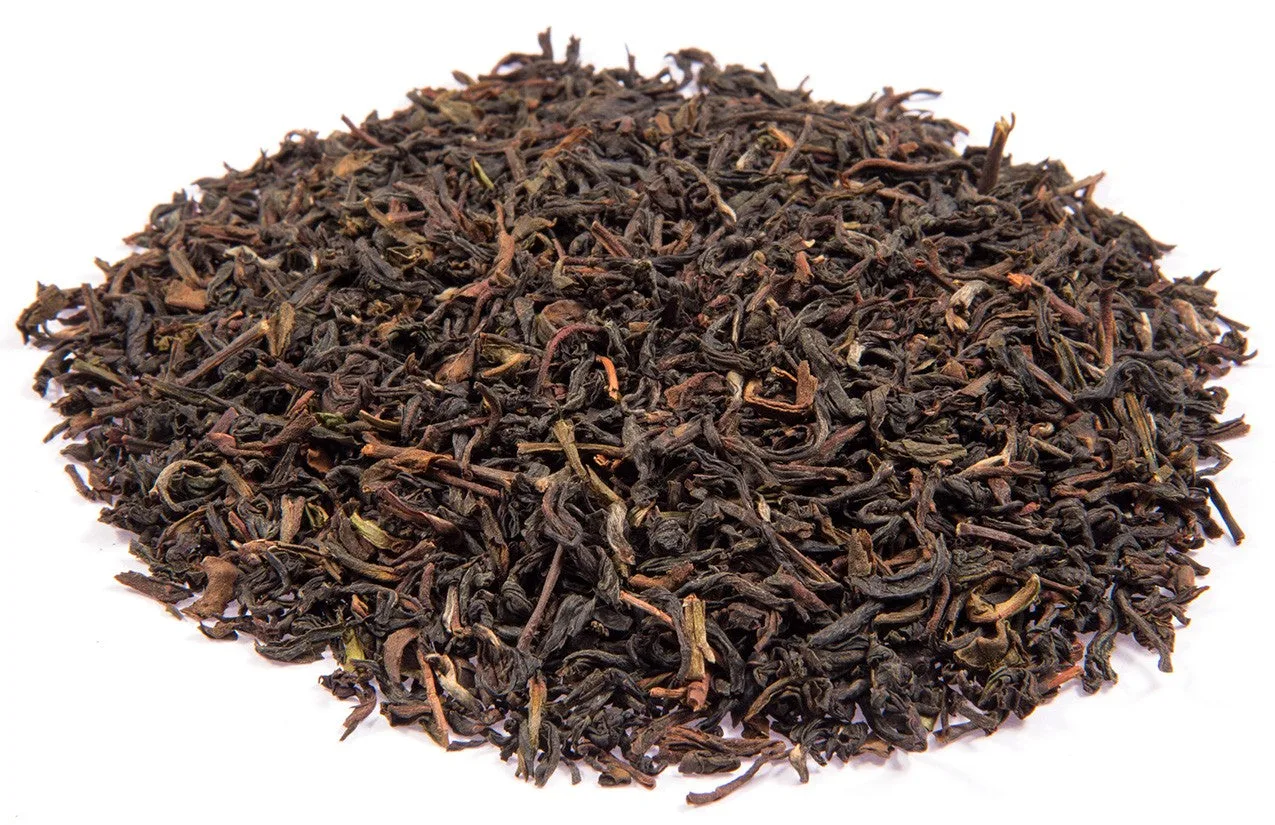
Organic Darjeeling Selimbong FTGFOP1 Second Flush
- Coffee: ~95 mg per 8 oz cup
- Black tea: ~40–70 mg per 8 oz cup
- Decaf black tea: ~2–5 mg per cup
Energy Effects: Smooth Lift vs Quick Spike
Caffeine isn't the only factor that determines how your body responds. Coffee's high caffeine content delivers a rapid spike in energy, often followed by a noticeable crash a few hours later. This can lead to restlessness, anxiety, and disrupted sleep, especially if consumed later in the day.
Black tea, on the other hand, contains L-theanine, an amino acid that promotes calm focus. The combination of caffeine and L-theanine produces a smoother, more sustained energy lift that many tea drinkers describe as 'alert but relaxed.' This makes organic black tea an excellent coffee alternative for those who want steady concentration without the rollercoaster effect.
- Coffee: quick energy spike, potential crash
- Black tea: smoother, longer-lasting energy
- L-theanine in tea promotes calm alertness
Health Benefits: Antioxidants and More
Both coffee and tea are rich in antioxidants, but they offer different types. Coffee is packed with chlorogenic acid, which has been linked to improved blood sugar regulation and reduced inflammation. However, black tea provides a unique class of antioxidants called theaflavins and thearubigins, which are formed during oxidation and are known for their cardiovascular benefits.
Organic black tea has also been associated with improved gut health, lower cholesterol, and better oral health. The polyphenols in tea may support the immune system and even aid in weight management. If you're looking to maximize these benefits, choosing a high-quality organic blend, such as Organic Wellness Tea, ensures you're getting a clean product free from synthetic pesticides.
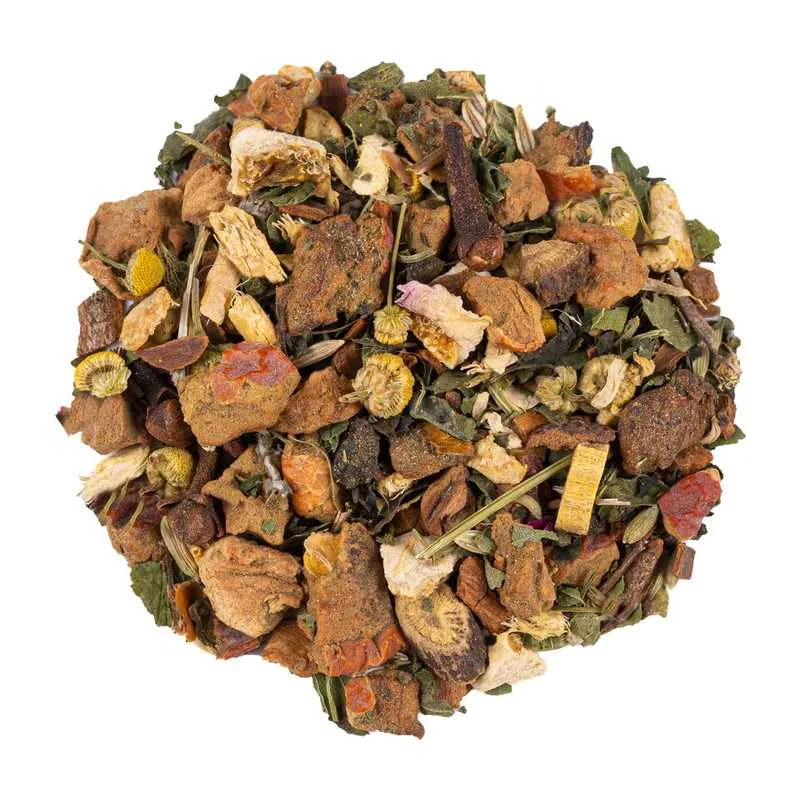
Organic Wellness Tea
- Black tea: theaflavins, thearubigins for heart health
- Coffee: chlorogenic acid for blood sugar control
- Organic certification reduces pesticide exposure
Potential Downsides: What to Watch Out For
Coffee isn't all bad—it has been linked to a lower risk of Parkinson's disease and type 2 diabetes. However, overconsumption can lead to insomnia, digestive issues, and elevated heart rate. Coffee also tends to be more acidic, which can irritate the stomach and erode tooth enamel over time.
Black tea is generally gentler on the stomach, but it does contain tannins that can interfere with iron absorption if consumed in large amounts. To mitigate this, avoid drinking tea with meals, and consider adding a squeeze of lemon, which enhances iron uptake. For those who are especially sensitive to caffeine, a caffeine-free herbal option like Organic Chamomile Tea can be a soothing evening alternative.
- Coffee: more acidic, potential sleep disruption
- Black tea: tannins may affect iron absorption
- Moderation is key for both beverages
Making the Switch: Tips for Coffee Lovers
If you're used to the bold taste of coffee, switching to black tea might feel like a big change. Start by choosing a robust, malty tea like an Assam or a breakfast blend. These teas have a full body and can stand up to milk and sweetener, making the transition easier.
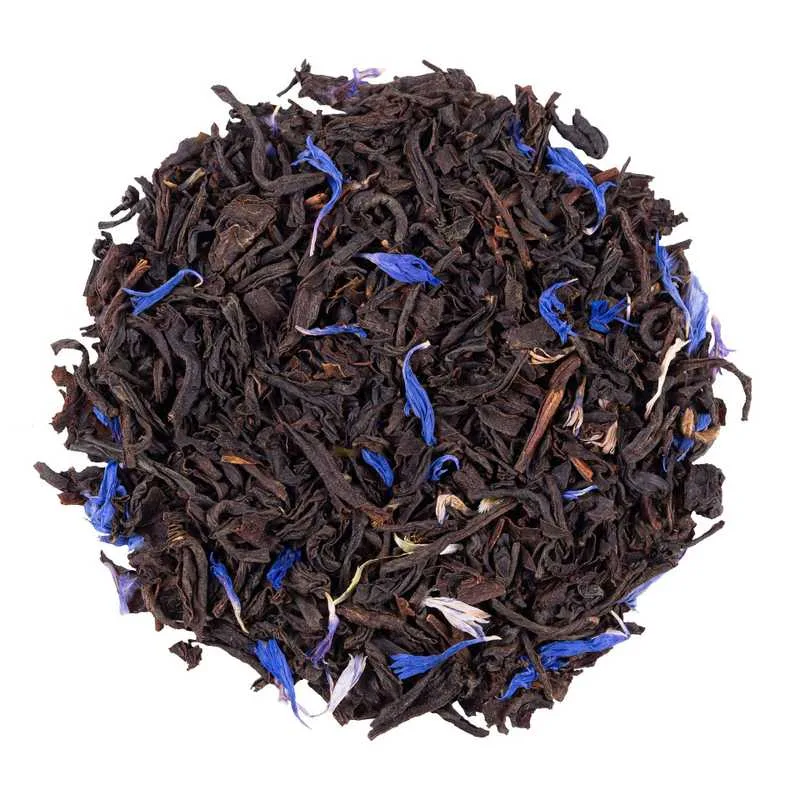
Experiment with brewing times and water temperature to find your perfect cup. For a richer flavor, use water just off the boil and steep for 3–5 minutes. If you enjoy flavored teas, try a unique option like Organic Blue Earl Grey Tea, which combines the classic bergamot with an unexpected twist. Over time, you may find that tea's complexity and subtlety become more appealing than coffee's one-note intensity.
- Start with bold, malty black teas
- Brew with near-boiling water for 3–5 minutes
- Try flavored blends to ease the transition
Ultimately, the choice between organic black tea and coffee comes down to your personal preferences and health goals. If you want a gentler caffeine boost, a wealth of antioxidants, and a calmer focus, black tea is a compelling choice. For those ready to explore, we invite you to try our Organic Wellness Tea, a carefully crafted blend that embodies the best of what tea has to offer.