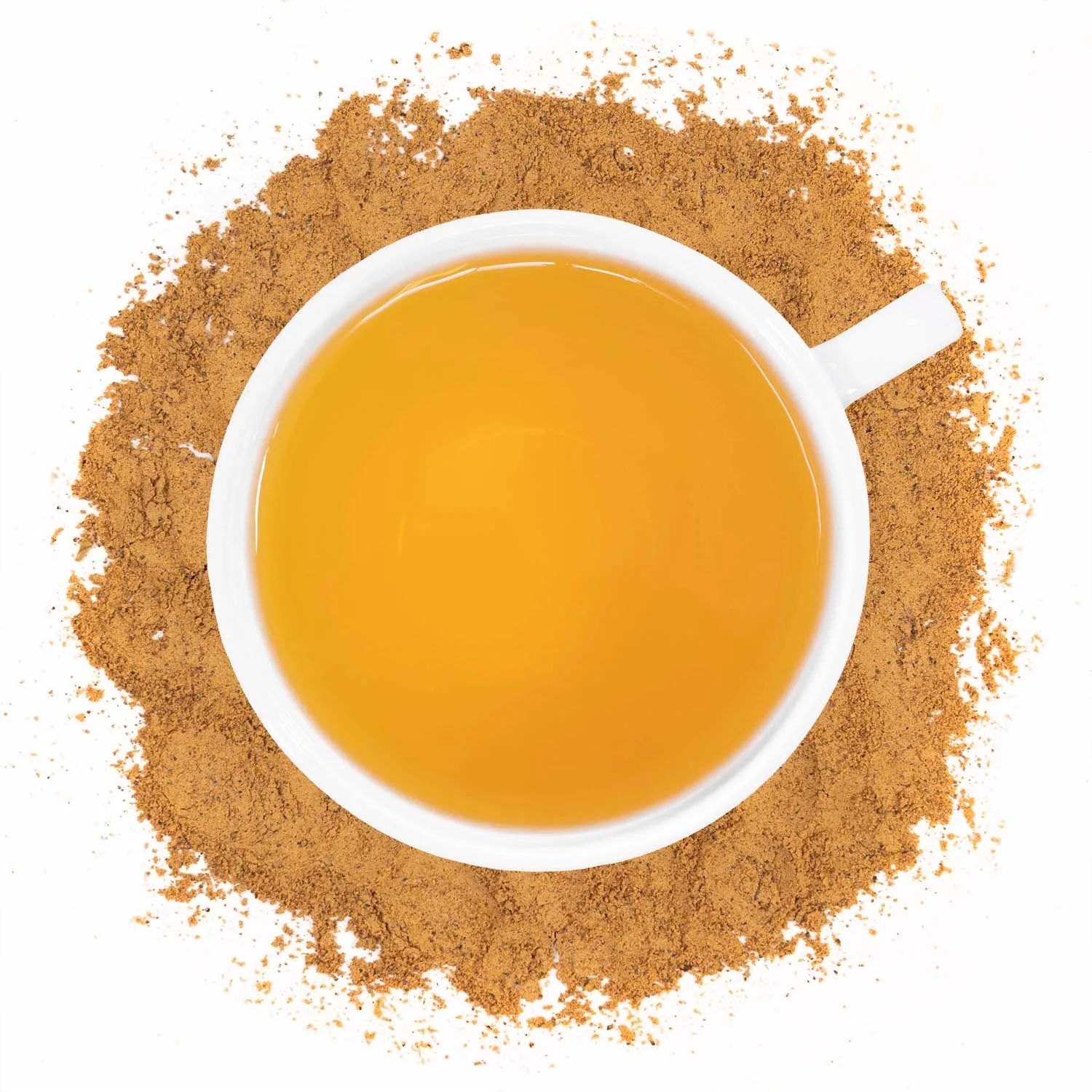
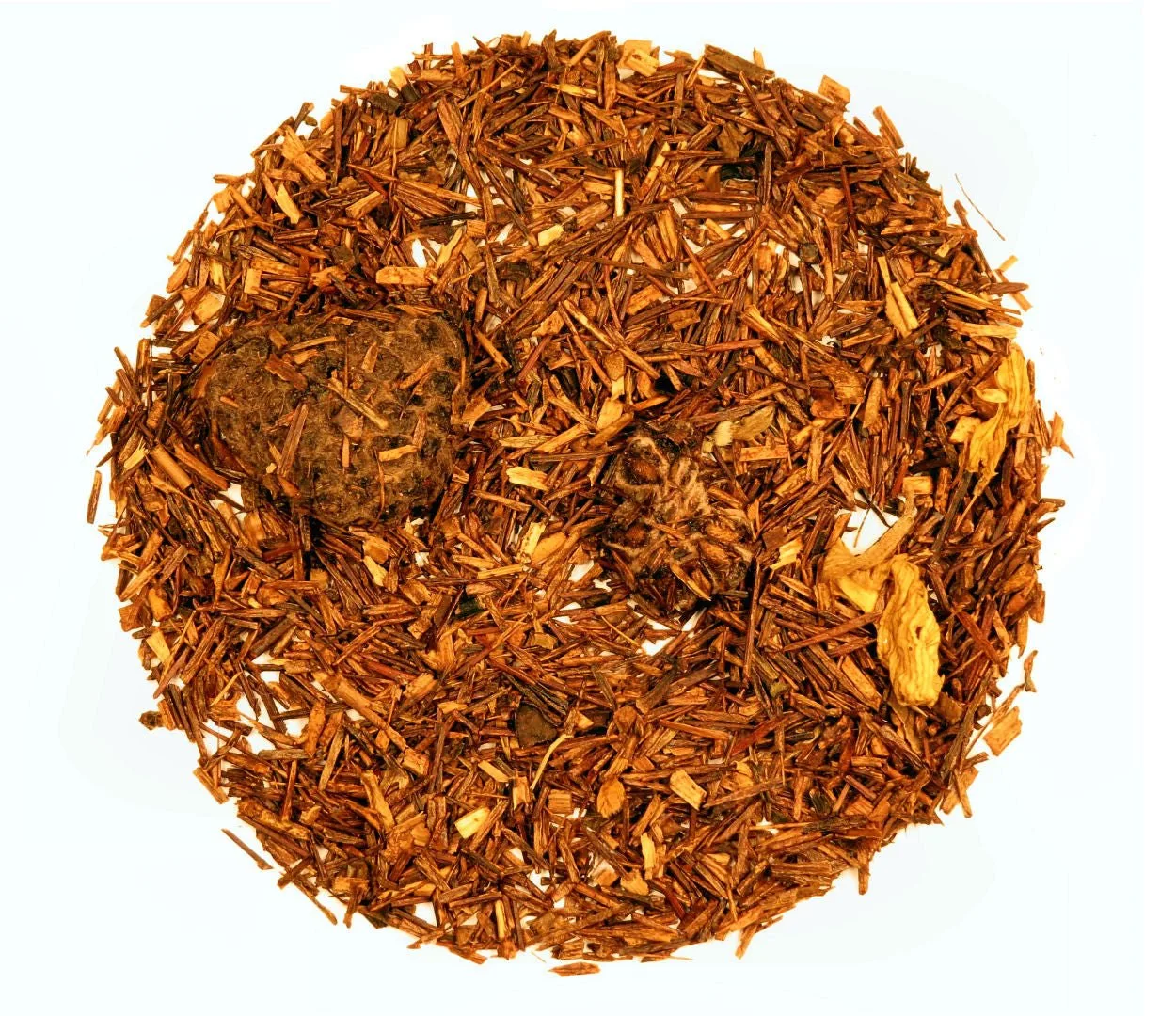
The one real difference: caffeine
Both Organic Brain Health Tea and Organic Decaf Brain Health Tea share the same citrusy, minty green tea base with ashwagandha, ginkgo biloba, and turmeric. The regular version is caffeinated (medium caffeine content), while the decaf version is decaffeinated for anytime enjoyment without the jitters. That single difference should drive your choice: pick regular for a morning lift, decaf for afternoon or evening sipping.
What each blend delivers
-
Organic Brain Health Tea: Medium caffeine content from green tea, designed to help improve focus and boost brain health. If you want a caffeinated pick-me-up to wake up your mind and body, this is the version to choose.
Organic Brain Health Tea
-
Organic Decaf Brain Health Tea: Decaffeinated for anytime enjoyment without the jitters. If you are sensitive to caffeine or want a cup later in the day, the decaf version keeps the same flavor profile without the stimulant.
Organic Decaf Brain Health Tea
Organic Decaf Brain Health Tea
Flavor and ingredients stay the same
You won’t sacrifice taste by going decaf. Both teas are described as citrusy and minty, thanks to peppermint and turmeric. The ingredient lists are nearly identical: organic green tea, ashwagandha root, ginkgo biloba, gotu kola, peppermint, and turmeric. The only difference is that the regular version relies on green tea’s natural caffeine, while the decaf version has it removed.
Shared ingredients and taste
- Organic Brain Health Tea: Refreshing minty and citrus taste from peppermint and turmeric. Confirms the flavor you can expect from the caffeinated version.
- Organic Decaf Brain Health Tea: Bright citrus and refreshing mint notes create a smooth, invigorating taste. Shows the decaf version keeps the same flavor profile, so you’re not giving up taste for convenience.
Brewing: same method, different water advice
The regular Organic Brain Health Tea record includes specific brewing instructions: add 1–2 teaspoons to 8 oz of near-boiling water and steep for 2–4 minutes. It also recommends filtered water for best results. The decaf record does not include brewing instructions, so you can follow the same method as a starting point, but adjust to your taste. Both are loose leaf, so you’ll need a strainer or infuser.
Brewing details from the catalog
- Organic Brain Health Tea: Add 1–2 teaspoons of tea to 8 oz of near-boiling temperature water and steep for 2–4 minutes. Gives you a reliable starting point for the caffeinated version.
- Organic Decaf Brain Health Tea: No brewing instructions are provided in the supplied record. You can use the same method as the regular version, but treat it as a suggestion rather than a manufacturer instruction.
Serving sizes and value
Both teas come in three sizes: a sample bag (approx. 3–5 servings), a 2 oz bag (approx. 30 servings), and a 1/2 lb bulk bag (approx. 120 servings). The sample bag is a low-commitment way to try either version. If you plan to drink it daily, the bulk bag offers the best value per serving. The regular version is priced at $10.76 for the 2 oz bag (compared to $14.95), while the decaf is $9.87 for the same size (compared to $14.95).
Size and price at a glance
- Organic Brain Health Tea: Available in sample bag (approx. 3–5 servings), 2 oz bag (approx. 30 servings), and 1/2 lb bulk bag (approx. 120 servings). Lets you match the bag to your routine and budget.
- Organic Decaf Brain Health Tea: Available in the same three sizes: sample, 2 oz, and 1/2 lb bulk. Both teas offer the same flexibility, so you can choose based on caffeine needs rather than package size.
Which one should you choose?
Choose Organic Brain Health Tea if you want a caffeinated boost to start your day or need help staying focused during a morning slump. Choose Organic Decaf Brain Health Tea if you love the flavor but want to avoid caffeine, especially in the afternoon or evening, or if you’re sensitive to stimulants. Both deliver the same herbal blend, so your decision comes down to timing and caffeine tolerance.