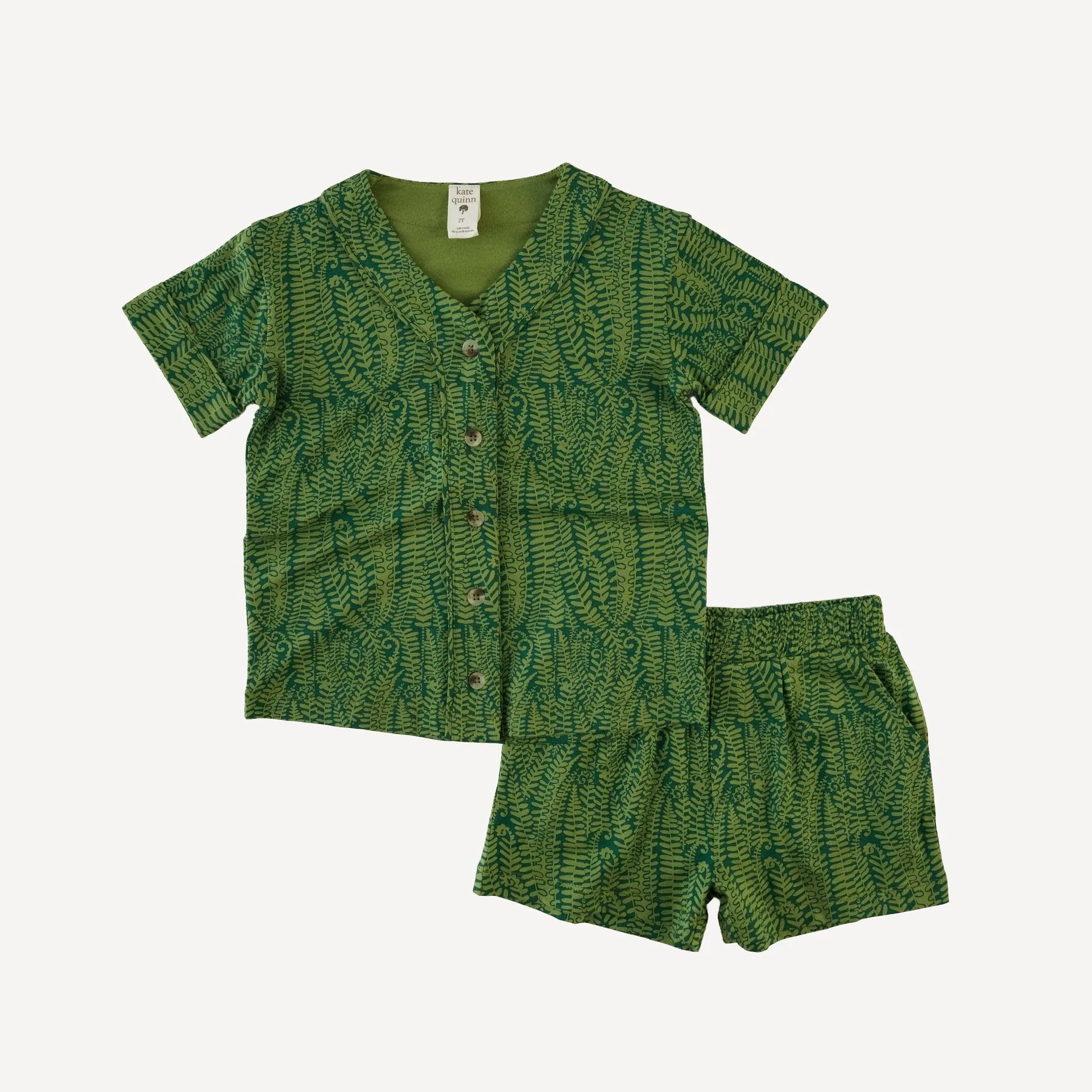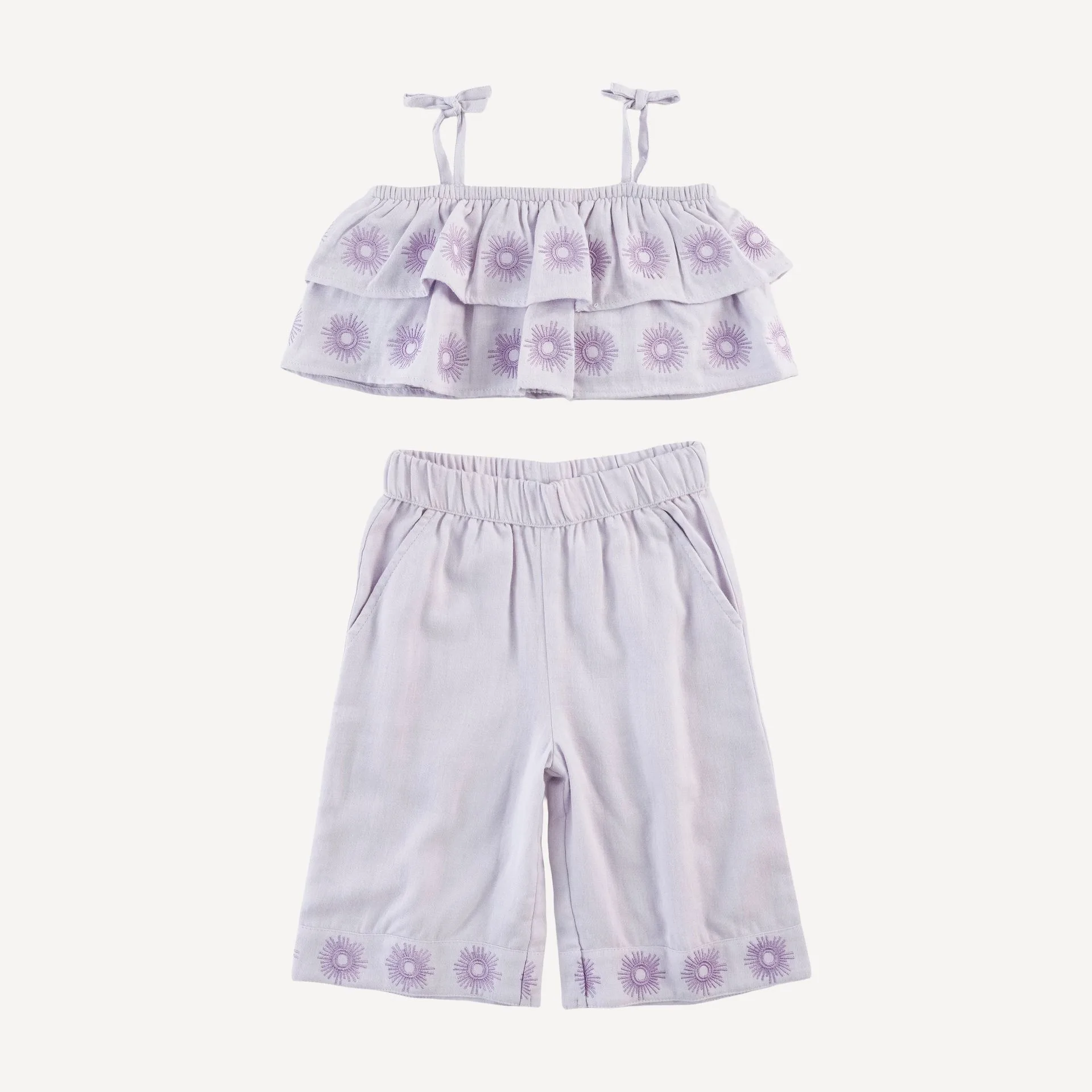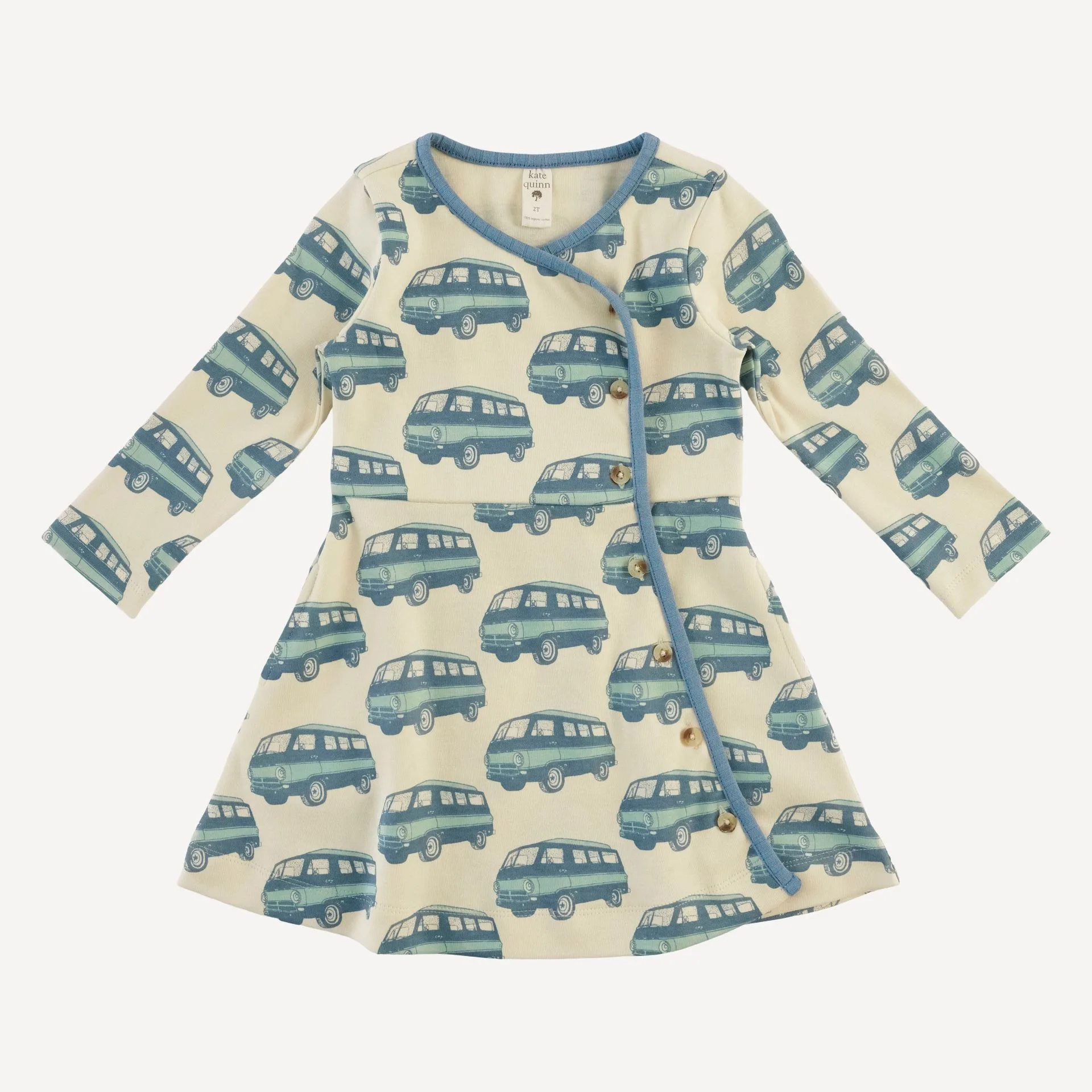
Quick Answer
Yes, organic cotton baby clothes can be worth it, but not for the reasons most people assume. The real value is in the fabric construction and how the garment is designed for dressing, movement, and washing. Organic cotton is a fiber choice, not a guarantee of quality. A well-made organic cotton gauze dress will outperform a poorly made one every time.
What Organic Cotton Actually Changes
Organic cotton refers to how the cotton is grown and processed, not how the finished garment is sewn. It tells you the fiber was produced without synthetic pesticides and processed without certain chemical treatments. That matters for environmental reasons and for anyone sensitive to residue on fabric.
What it does not tell you is thread count, seam strength, or whether the neckline will gape after three washes. Those come from construction and fabric type. A 100% organic cotton gauze dress and a 100% organic cotton interlock dress are both organic, but they behave completely differently on a crawling baby.
Why Fabric Type Matters More Than the Organic Label
Gauze is loose, breathable, and gets softer with washing. It works well for warm-weather dresses and layered looks. Interlock is denser, smoother, and holds its shape better through repeated wear and wash cycles. It suits everyday sets and dresses that need to move without stretching out.
If you are choosing between two organic cotton items, pick based on the fabric's behavior, not just the certification. A gauze dress for summer and an interlock set for daily wear solve different problems. The organic label is the same on both.
The Cost Question, Answered Honestly
Organic cotton costs more to produce, and that shows up in the price. But the gap between organic and regular cotton narrows when you compare like-for-like construction. A cheap regular cotton dress that loses its shape after a month is not cheaper than an organic one that lasts a season.
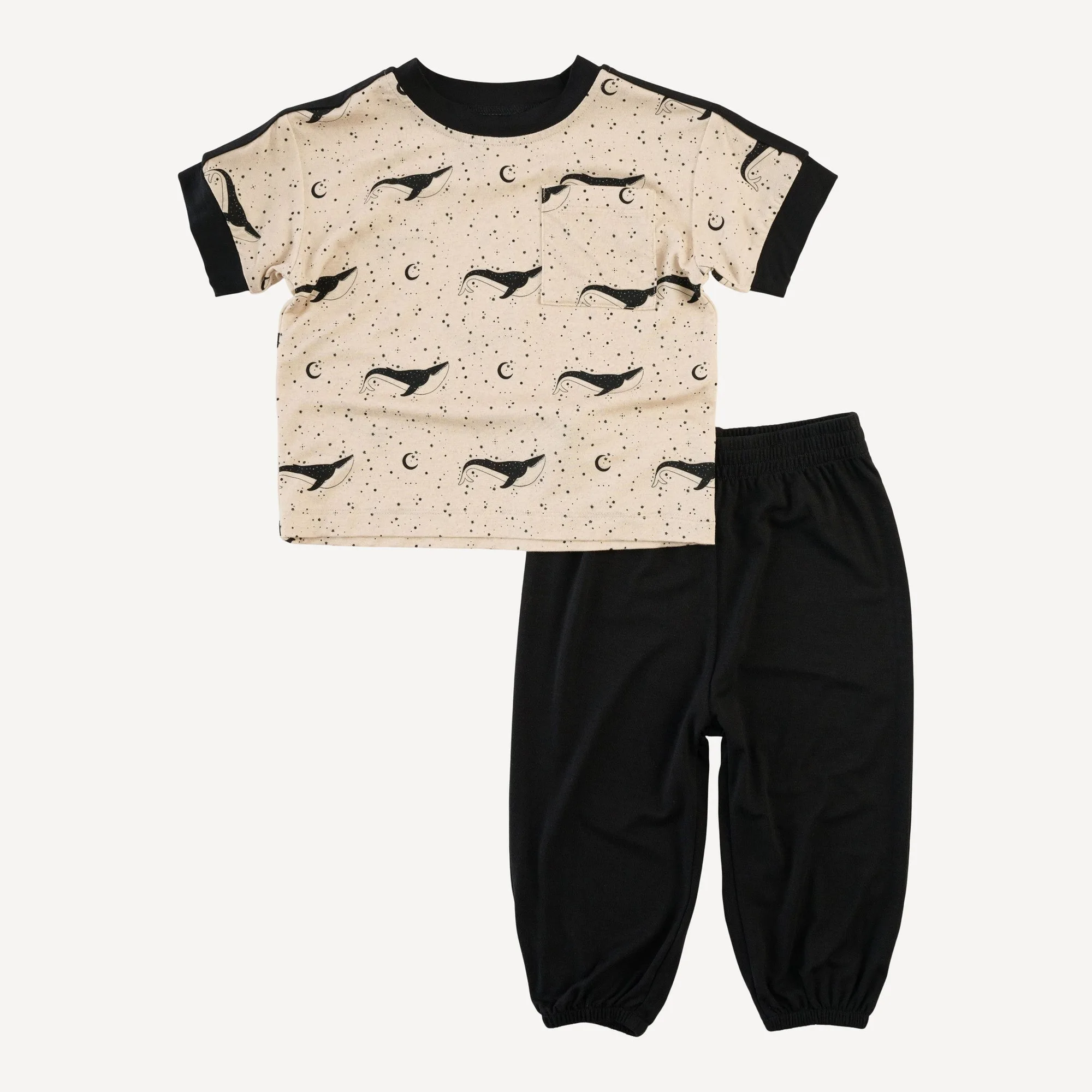
The practical move is to buy fewer pieces and choose fabrics that match how your child actually spends their day. A cropped tank and gaucho set in organic cotton interlock can handle playground wear and repeated washing without pilling or fading the way thinner knits do.
Myth vs. Reality: Five Common Claims
- Myth: Organic cotton is always softer than regular cotton.: Softness comes from the fabric construction and finish, not the organic label alone. A 100% organic cotton gauze dress feels different from a 100% organic cotton interlock set because the weave is different, not because one is more organic. Verdict: False. Judge softness by fabric type, not certification.
- Myth: Organic cotton baby clothes are too expensive to be practical.: The cost per wear depends on how long the garment holds up. Organic cotton interlock resists pilling and stretching better than thin knits, so a set like the cropped tank and gaucho pants can go through repeated washing without losing shape. Verdict: Depends on construction. Durable organic pieces cost less per wear than cheap ones that wear out fast.
- Myth: You need to wash organic cotton differently.: Organic cotton is still cotton. It washes like any cotton garment. The main difference is that gauze may shrink slightly on first wash, while interlock holds its size better. Always check the care label on the specific item. Verdict: False. Wash normally, but expect gauze to shrink a little.
- Myth: Organic cotton is only for babies with sensitive skin.: Organic cotton is grown and processed without certain chemical treatments, which reduces potential irritants. But the benefit applies to anyone wearing the garment. Adults can choose organic cotton interlock for the same reasons. Verdict: Not just for babies. The fiber benefits don't stop at a certain age.
- Myth: All organic cotton baby clothes are made the same way.: Two garments can both be 100% organic cotton and still differ in seam strength, hem finish, and fit. Look at the details: a button placket versus a pullover neck, an elastic waistband versus a fixed one, side pockets versus none. Verdict: False. Construction details decide how the garment actually performs.
What to Look for in Organic Baby Clothes
- sleeveless button pocket dress | citadel | organic cotton gauze: Made from 100% organic cotton gauze with a front button-down placket, side pockets, and sizes from 12-18 months through 11/12 years. Gauze is breathable and softens with washing, making this a good warm-weather or layering dress. The button placket helps with dressing a wiggly toddler, and the wide size range means you can size up without losing the fit.
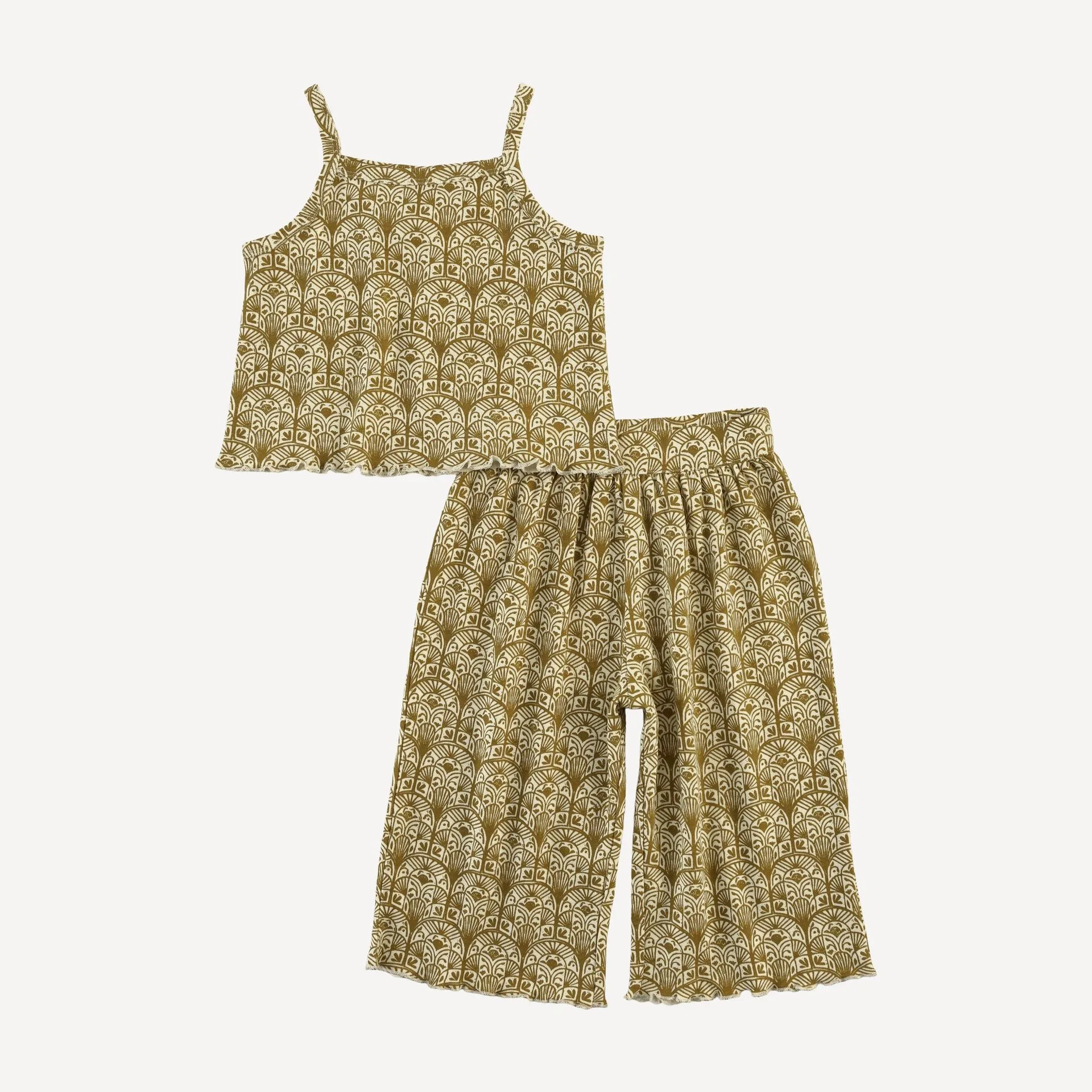
- jade set | fennel deco arches | organic cotton interlock: Cropped tank with spaghetti straps and lettuce hem paired with matching cropped gaucho pants with elastic waistband, gathered details, and lettuce hem. Made from 100% organic cotton interlock. Interlock holds its shape better than gauze through repeated wash and wear. The elastic waistband on the gauchos makes potty training and independent dressing easier for toddlers.
- womens flutter sleeve wrap dress | california poppies | organic cotton interlock: Flutter sleeves, full wrap-around front panel, self-tie belt, side seam pockets, and curved front hem. Made from 100% organic cotton interlock. Model is 5'8" wearing size XS. A wrap dress in interlock gives you the same fabric benefits as the kids' pieces in an adult fit. The wrap front and self-tie belt allow adjustment through body changes, and side seam pockets add everyday function.