Quick answer
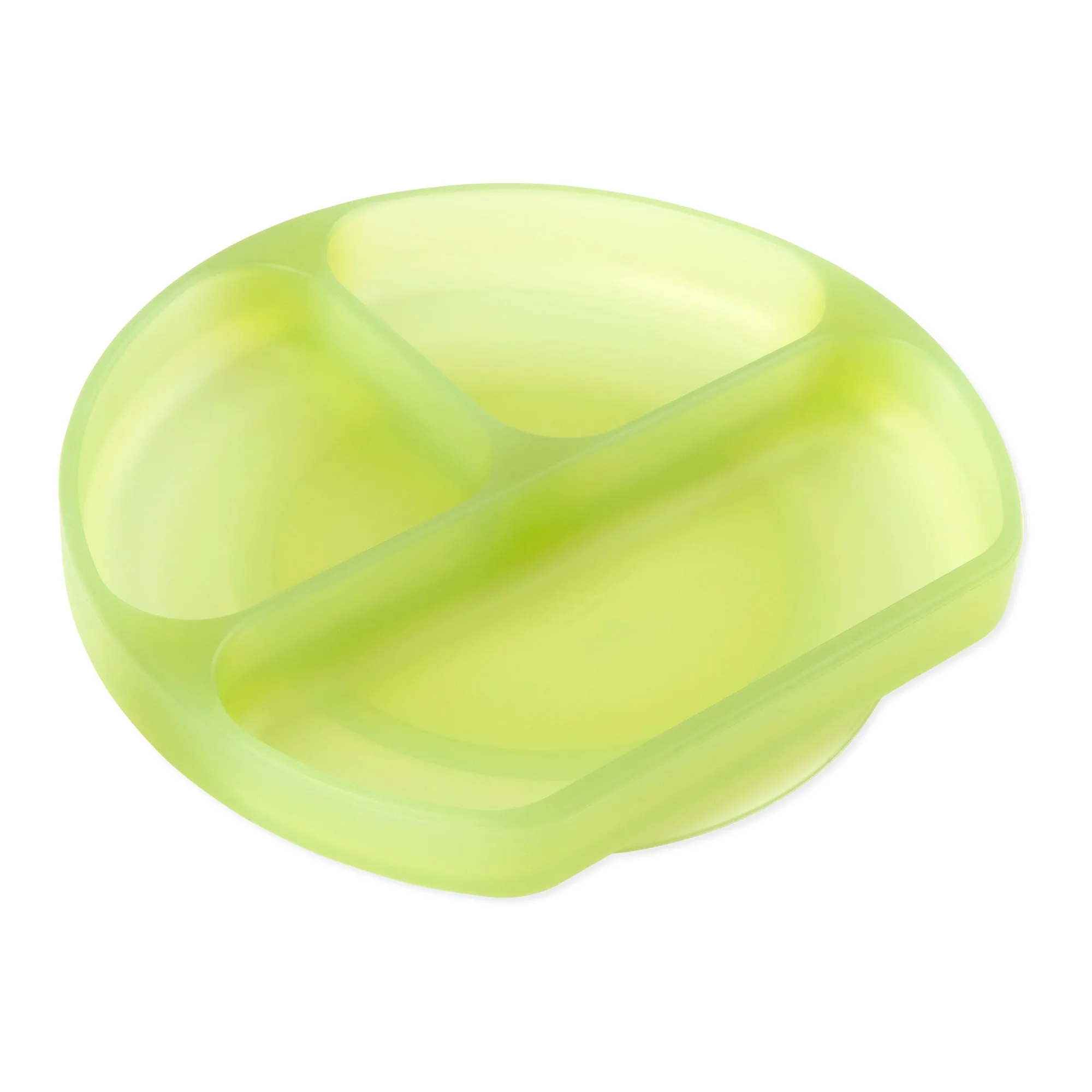
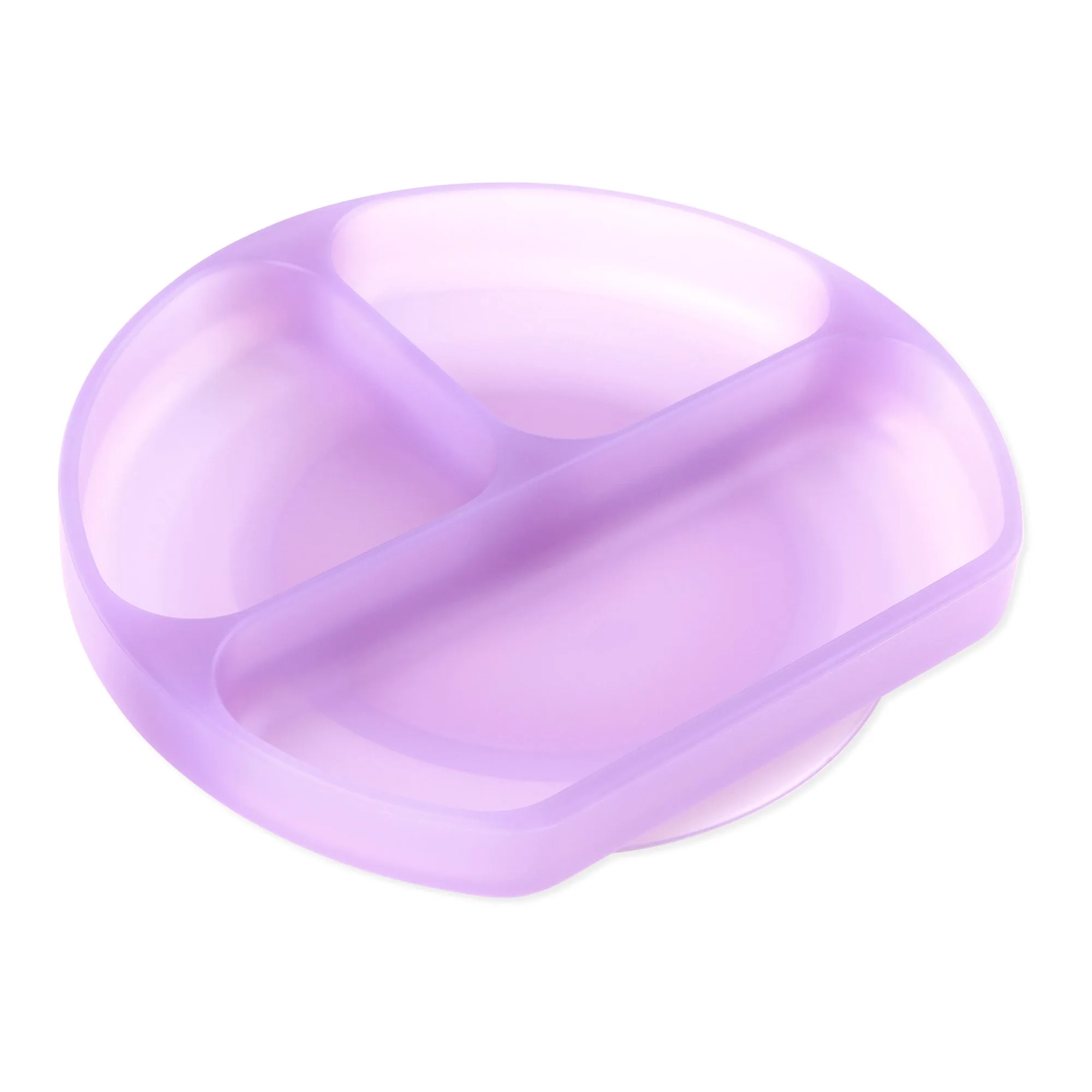
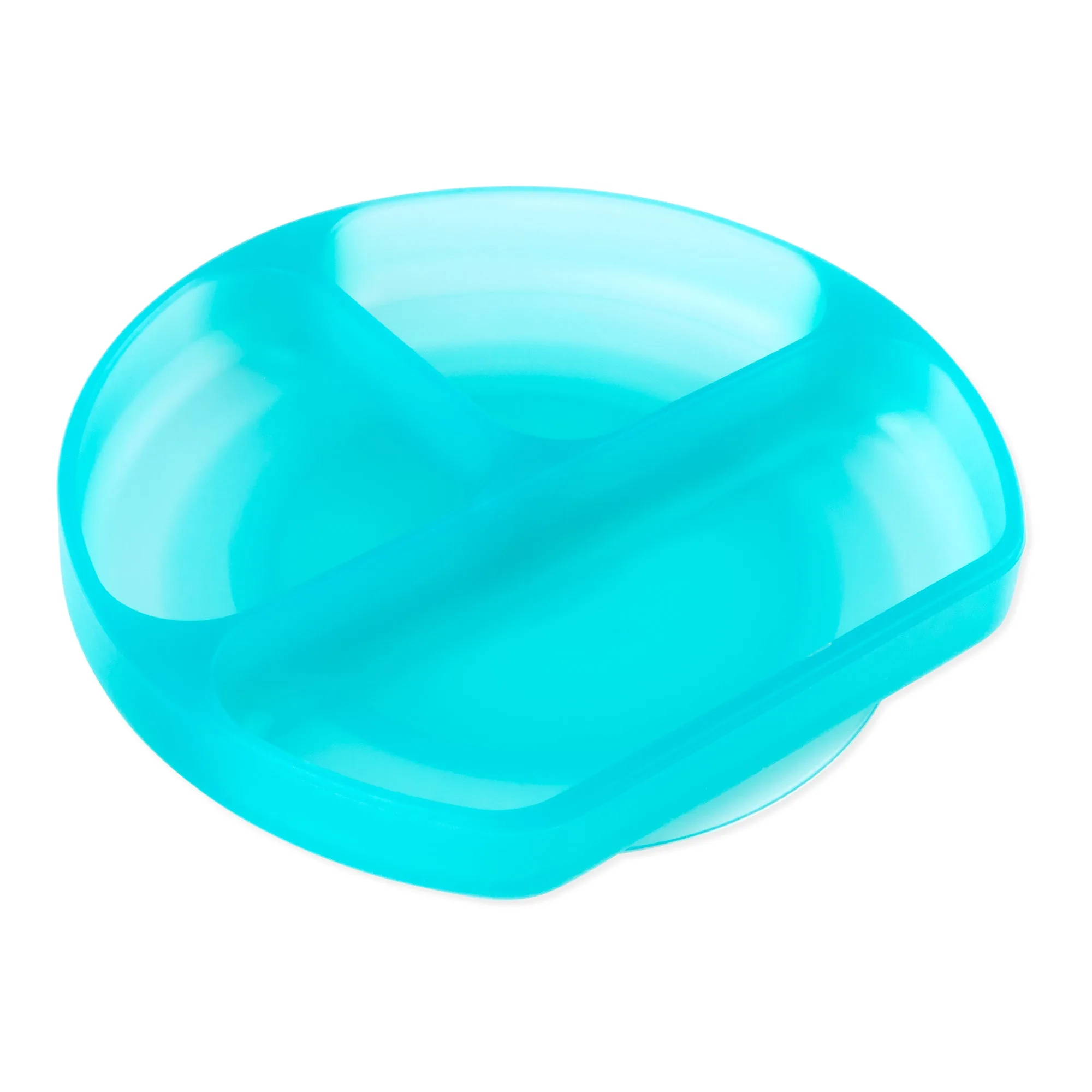
For most picky eaters, a silicone sensory placemat is worth buying only when it stays put and gives food a defined home. Prioritize strong suction, a surface that holds small portions without sliding, and a size that fits your actual tray or table. If your child refuses mixed textures or sauces touching other food, a divided dish plus a separate dipping cup will do more than a flat mat.
What a sensory placemat actually changes at the table
A silicone sensory placemat changes two things that matter for picky eaters: where food sits and how hard the child has to work to keep it there. A mat with a suction base resists sliding and flipping, so a toddler can stab, scoop, or push food without chasing the dish across the tray. That reduces the frustration that often ends a meal early.
The second change is boundaries. When peas, crackers, and a dip each have a visible spot, a hesitant eater can approach one food at a time instead of facing a merged pile. This is mealtime sensory play in its most useful form: touching, sorting, and dipping without pressure to eat.
Match the mat to the eating problem, not the age
Age tells you less than the specific behavior you are trying to fix. If food is being thrown, the problem is usually suction and plate weight. If foods are being rejected because they touch, the problem is separation. If the child eats only with a dip, the problem is access to a small side container.
Buy for the behavior you see this month, not the one you expect next year. A mat that solves throwing may be unnecessary once a child can keep a bowl upright, while a divided dish stays useful for texture-sensitive eaters much longer.
Where a flat mat stops helping
A flat sensory placemat cannot separate foods. If your child pushes everything into one corner the moment it is served, a mat alone will not solve it. In that case, pair the mat with a dish that has sections or a dipping cup that attaches to the side of the dishware.
Also check the surface you are sticking to. Suction bases need a smooth, clean, non-porous surface to grip. On a textured wooden table or a fabric mat, the suction may not hold, and no amount of mat quality will fix that.
Decision rules for buying a sensory placemat
- Choose suction first: If food is thrown or the dish moves during scooping, buy the mat with the strongest suction base you can find and test it on your actual tray or table before relying on it. No suction, no benefit for a thrower.
- Choose separation over decoration: If your child rejects foods that touch, skip the flat mat and use a divided dish plus a clip-on dipping cup for sauces and purees. Separation solves texture refusal; a flat mat does not.
- Choose size against your real surface: Measure the highchair tray or table space before buying. A mat that overhangs the tray edge will lift when a child grabs it, and a mat that is too small will not contain a full meal. Fit the mat to the surface, not to the child's age.
- Choose washability you will actually do: Silicone wipes down and is generally dishwasher-safe, but check the specific product listing. If you will not hand-wash daily, prioritize a mat and dishes that can go in the dishwasher. The best mat is the one that gets cleaned after every meal.
Products that support picky-eating routines
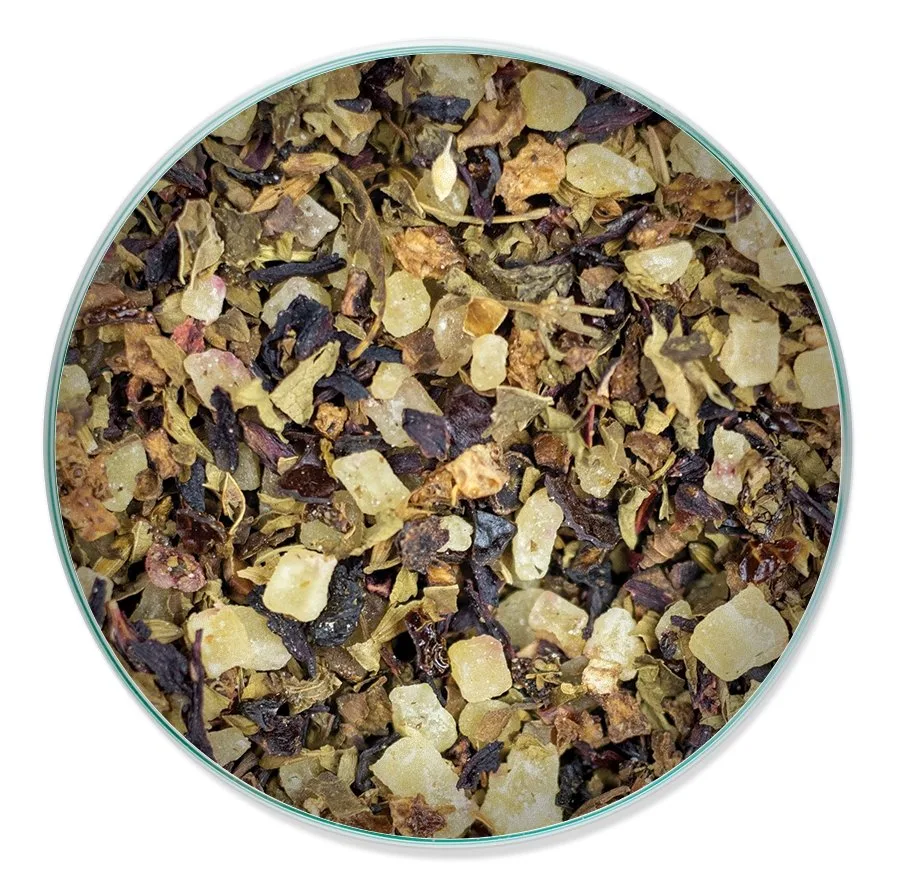
- Silicone Little Dipper 3-Pack: Tutti-Frutti: Silicone Little Dipper 3-Pack: Tutti-Frutti comes in three shapes and shades, including a red heart and yellow star, and attaches sauces, small sides, and purees to the side of Bumkins dishware and most edged dishes. A dip on the side lets a picky eater control exposure to a new sauce without it touching the rest of the meal.
- Silicone First Feeding Set: Lavender: Silicone First Feeding Set: Lavender has a suction base that keeps the bowl from sliding or flipping, a curved handle for a parent to hold during feeding, and an easy-to-grip double-end silicone spoon. The suction base and parent handle cover the early self-feeding stage, before a child can manage a flat mat on their own.
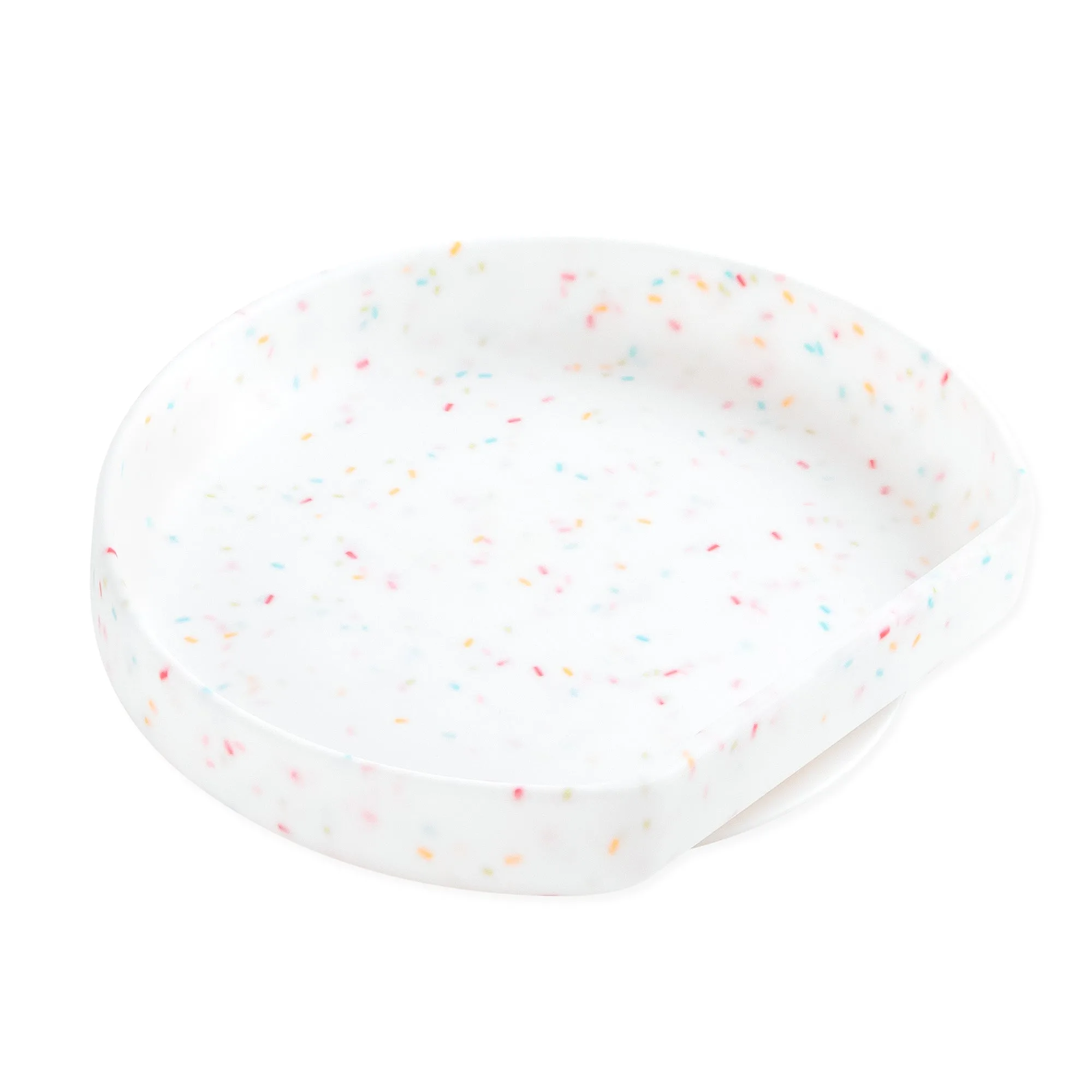
- Silicone First Feeding Set: Mickey Mouse Vanilla Sprinkle: Silicone First Feeding Set: Mickey Mouse Vanilla Sprinkle is dishwasher-safe, microwave-safe, and freezer-safe, with a suction base and a Mickey-shaped silhouette. If you prep purees or small portions ahead and reheat them, the microwave and freezer safety removes an extra transfer step.
Who should buy a silicone sensory placemat
Best for
- Toddlers who push, throw, or slide their dish during meals
- Picky eaters who do better when each food has a visible, separate spot
- Parents who want a wipe-clean surface for mealtime sensory play
- Families using a smooth highchair tray or non-porous table
Not for
- Children who reject foods that touch, unless paired with a divided dish
- Textured wood or fabric surfaces where suction will not grip
- Families who need a mat to cover a full table, since placemats cover a limited area
- Parents looking for a dish replacement, since a mat does not hold liquid foods