Quick answer
For most people, the right organic cotton tote bag is a heavyweight, undyed or low-dye option with long handles and at least one inner pocket. Heavyweight organic cotton holds its shape and carries a journal, water bottle, and daily essentials without sagging. If you carry a laptop or shop weekly, prioritize fabric weight and handle length over extra compartments.
Why fabric weight is the first thing to check
Organic cotton tote bags are often described as lightweight or heavy duty, but those words mean little without a number. Fabric weight is measured in grams per square meter (GSM), and it is the best predictor of how a bag will age. A 4 oz (roughly 135 GSM) tote folds small and works for light errands, but it will crease and stretch under a laptop or a full grocery load. A 10–12 oz (roughly 340–400 GSM) organic cotton canvas feels stiff at first, then softens with use while keeping its structure.
If you plan to carry a journal, a water bottle, and a few groceries in the same bag, choose a heavier weave. If you want a bag that disappears into a coat pocket, a lighter weave is the honest trade-off.
Size and handle length decide how you actually use it
A tote that fits your shoulder comfortably is more likely to leave the house. Long handles (around 60–70 cm total) let you carry the bag over a shoulder even with a jacket on. Short handles turn it into a hand-carry bag, which is fine for a quick market run but tiring on a commute.
For a tote bag for work, look for a body at least 38 cm wide and 40 cm tall so a laptop sleeve or A4 folder sits flat. For a reusable shopping bag, a wider base helps boxes and produce sit without tipping. If the product listing does not state dimensions, treat that as a decision limitation: you cannot judge fit from a photo alone.
Construction details that separate a 2-year bag from a 10-year bag
Check the seams where the handles meet the body. Reinforced stitching or a cross-stitch box at each handle join spreads the load and prevents the classic tote failure point. An inner pocket keeps small items from sliding to the bottom, which matters more than an outer pocket for everyday use.
Organic cotton certification is worth asking about, but it is not the same as durability. A certified organic bag can still be thin. Use certification as a values check and fabric weight as a performance check.
How to care for an organic cotton tote so it lasts
Wash less often than you think. Spot-clean with cool water and mild soap, then air-dry. Machine washing on hot and tumble drying are what shrink and warp organic cotton canvas. If you must machine wash, use cold water, a gentle cycle, and reshape the bag while damp.
Store the bag flat or hanging rather than crumpled under other bags, which is how handles get bent out of shape.
Decision rules for buying an organic cotton tote
- Carry weight rule: If you regularly carry more than 3 kg (laptop, groceries, books), choose a heavyweight organic cotton canvas and reinforced handle joins. Below that, a mid-weight bag is lighter and packs smaller. Match fabric weight to your heaviest typical load, not your lightest.
- Handle length rule: Measure a bag you already like. If the handles sit on your shoulder without slipping, copy that length. If you prefer hand-carry, go shorter and accept that a commute will be less comfortable. Shoulder carry needs roughly 60–70 cm total handle length.
- Pocket rule: One secure inner pocket beats three loose outer pockets for everyday use. It keeps keys, phone, and a journal from sliding around in a big open compartment. Prioritize one good inner pocket over decorative outer ones.
- Care rule: If you are not willing to air-dry and spot-clean, choose a darker color and a tighter weave. Hot machine washing and tumble drying are the fastest ways to ruin organic cotton canvas. Cold wash, air dry, reshape damp.
Product facts to compare
- Organic Cotton Tote Bag Thank yesterday. Love Today. Create tomorrow. ™: Crafted from a heavyweight, durable organic cotton with long handles, a big open compartment, and an inner pocket for a journal, water bottle, and everyday essentials. The long handles and inner pocket match the two features that make an everyday tote bag actually usable on a commute or errand run.
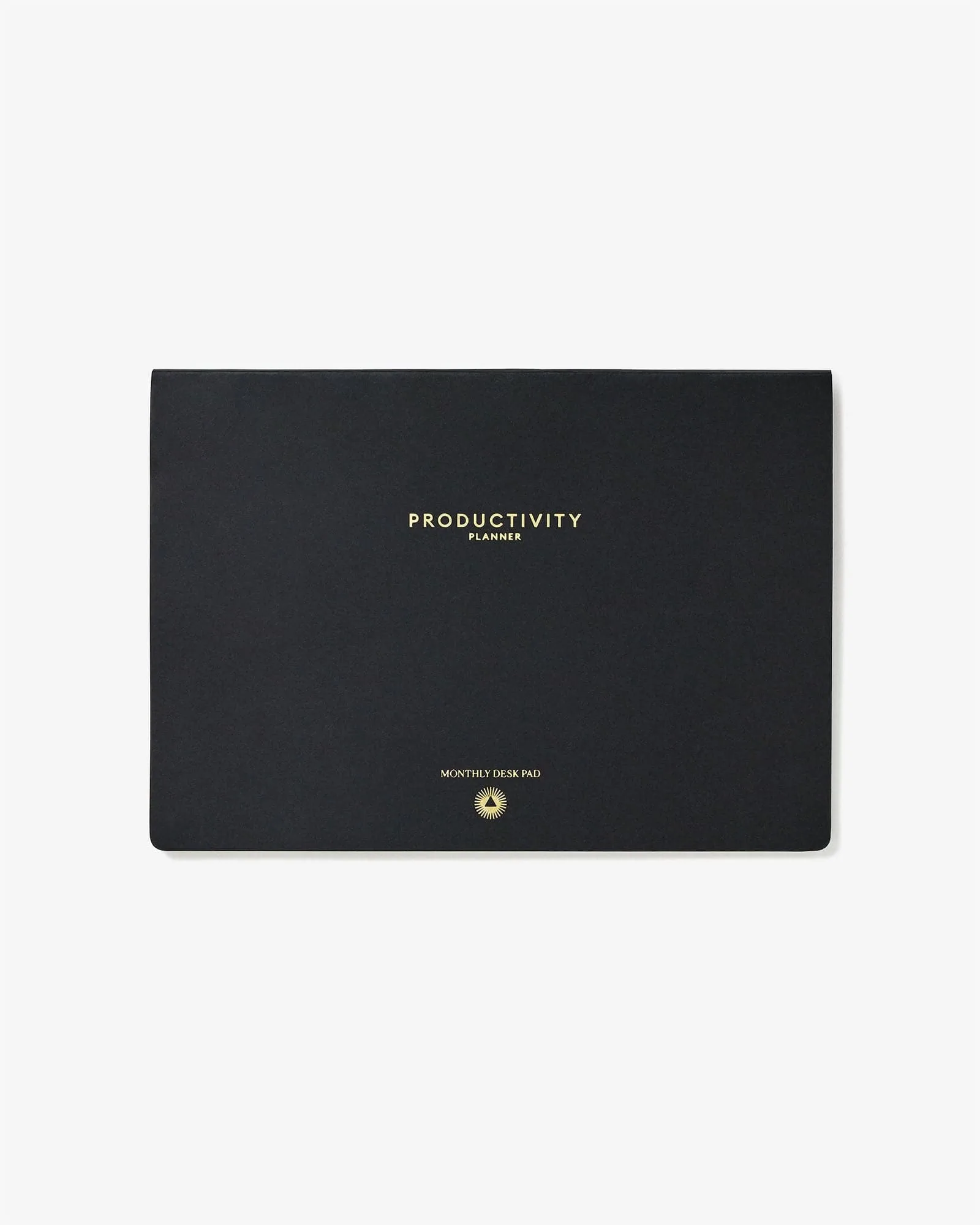
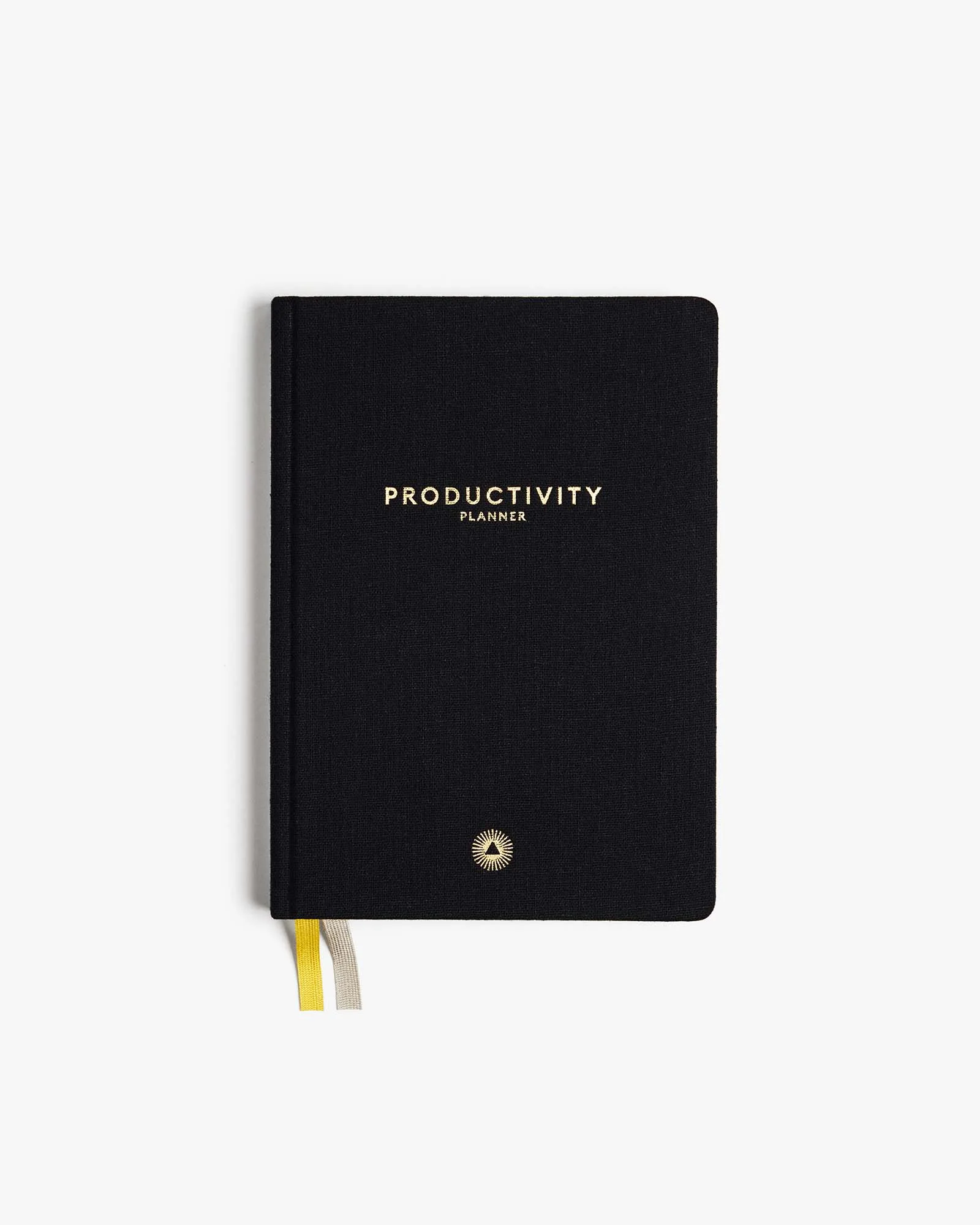
- Productivity Daily Desk Pad: An undated all-in-one desk pad that tracks schedule, tasks, habits, mood, water intake, and mindful notes every day. If you use a tote to carry your planning tools, pairing it with a single undated pad reduces what you need to pack and keeps your daily tracking in one place.
Is an organic cotton tote right for you?
Best for
- Commuters and students who carry a journal, water bottle, and a few daily essentials
- Shoppers who want one reusable bag that also works as an everyday carry
- Anyone who prefers a low-dye, natural-fiber bag over synthetic totes
Not for
- Heavy laptop-only carry where a padded, structured backpack is more comfortable
- Hikers or travelers who need water resistance and load-bearing straps
- Buyers who want a fully waterproof bag, since untreated organic cotton absorbs water