Quick answer
For babies with sensitive skin, organic cotton is usually the better choice because GOTS certification verifies organic fiber and restricts azo-free, non-toxic dyes. Conventional cotton can be fine for outer layers or short wear, but it rarely comes with the same traceability. Start with organic pieces that touch skin most, like leggings, footies, and bodysuits.
What the certification actually covers
GOTS certification is the clearest label difference between organic and conventional cotton baby clothes. It verifies the cotton is grown organically, and it also sets limits on dye chemistry and processing. Conventional cotton may use a wider range of dyes and finishes, and labels rarely disclose them. If your baby has eczema or reacts to seams and tags, certification is the fastest way to narrow the field.
How the two feel after a few washes
Organic cotton is not magically softer on day one, but it tends to stay soft because it is often finished with fewer chemical treatments. Conventional cotton can feel smooth in the store and then pill or stiffen. The bigger practical difference is shrinkage: organic cotton pieces are sometimes cut a little long on purpose to account for dryer shrinkage. Check the product notes before you size up.
Where conventional cotton still makes sense
Conventional cotton is not a villain. It costs less, comes in more prints, and works for outer layers that barely touch skin, like a jacket or a pram blanket. The trade-off is traceability: you usually cannot confirm dye chemistry or farm practices. If budget is tight, spend organic dollars on the pieces worn closest and longest, then use conventional cotton for short-wear or backup items.
Trade-offs to weigh before you buy
- Price vs. certification: Organic cotton usually costs more because certification and restricted dyes add cost. Conventional cotton is cheaper but you lose the paper trail. Pay for organic on skin-contact pieces; save on outer layers.
- Softness vs. durability: Organic cotton can feel less slick at first, but it often holds up without chemical softeners. Conventional cotton may pill sooner. Wash both inside out and skip fabric softener to protect the feel.
- Fit vs. shrinkage: Some organic pieces are cut a little long to allow for dryer shrinkage. If you tumble dry hot, you may lose length. Check the product note, then choose size by current weight and drying habit.
Organic options at L'ovedbaby
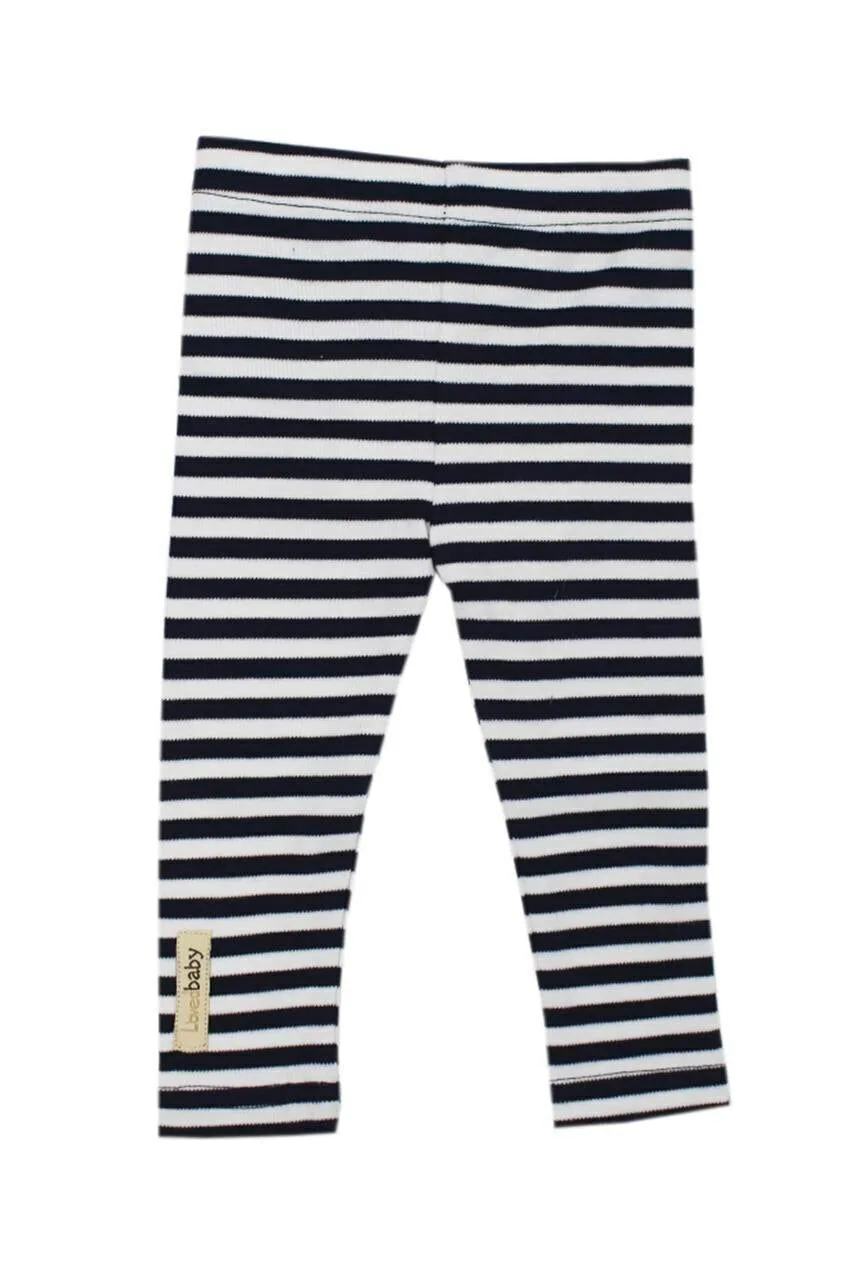
- Navy/White | Organic Leggings: GOTS certified 100% organic cotton leggings that fit well over diapers, including cloth diapers, and run true-to-weight. A practical first organic swap because leggings sit against skin all day and the fit works over bulky cloth diapers.
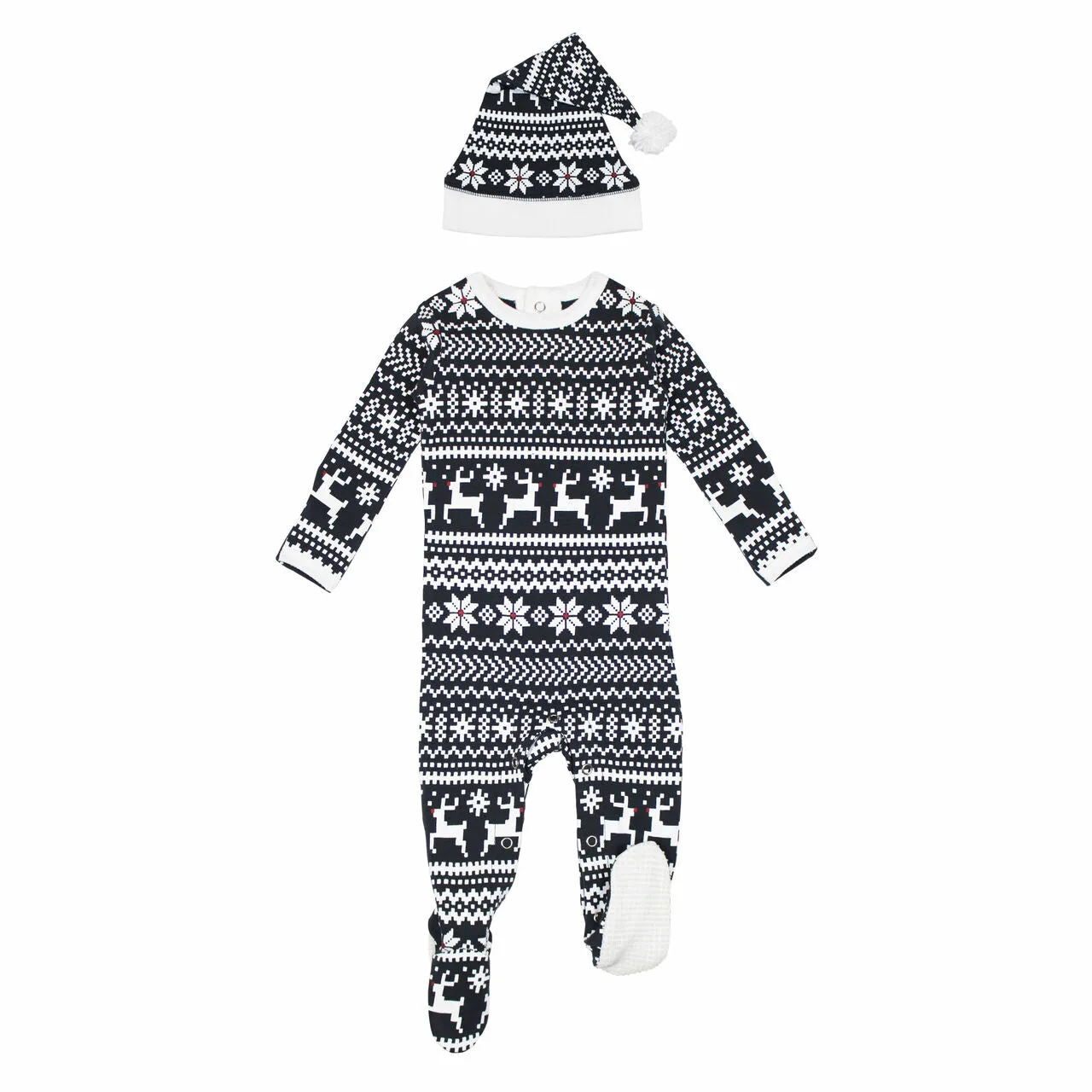
- Organic Holiday Footie & Cap Set in Rudolph: Organic Holiday Footie & Cap Set in Rudolph with GOTS certified 100% organic cotton body, thermal trims, tagless neck, and snap panel at back plus ankle-to-ankle snaps. Useful for holiday photos and dinners where you want a body-hugging fit without wrestling a wiggly baby at every change.
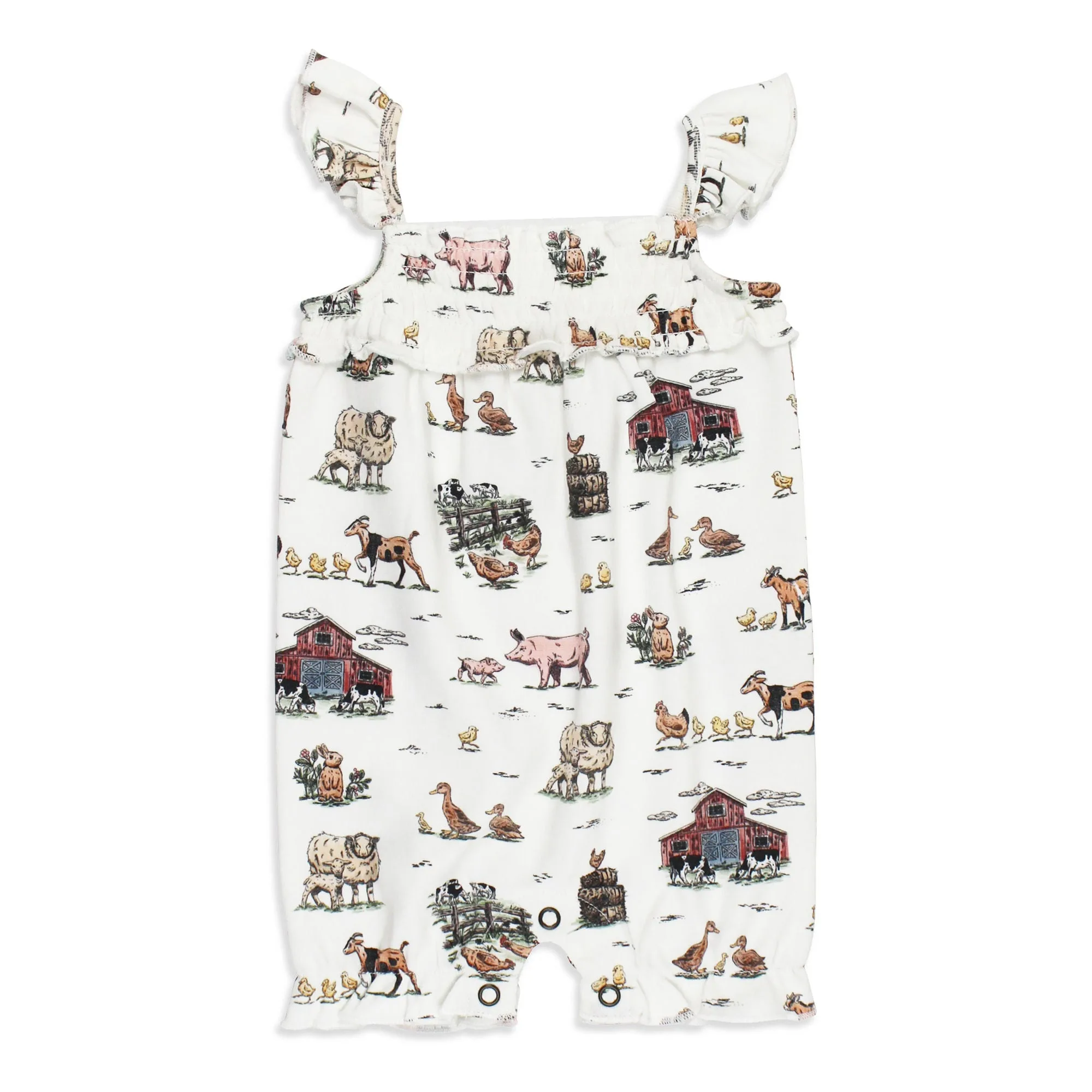
- Farm Friends | Organic Smocked Bubble Romper: Farm Friends Organic Smocked Bubble Romper in GOTS certified 100% organic cotton interlock with chrome-free, lead-free, nickel-free snaps and tagless finish. Shows how organic cotton can still have dressy details and safe metal snaps for babies with metal sensitivities.
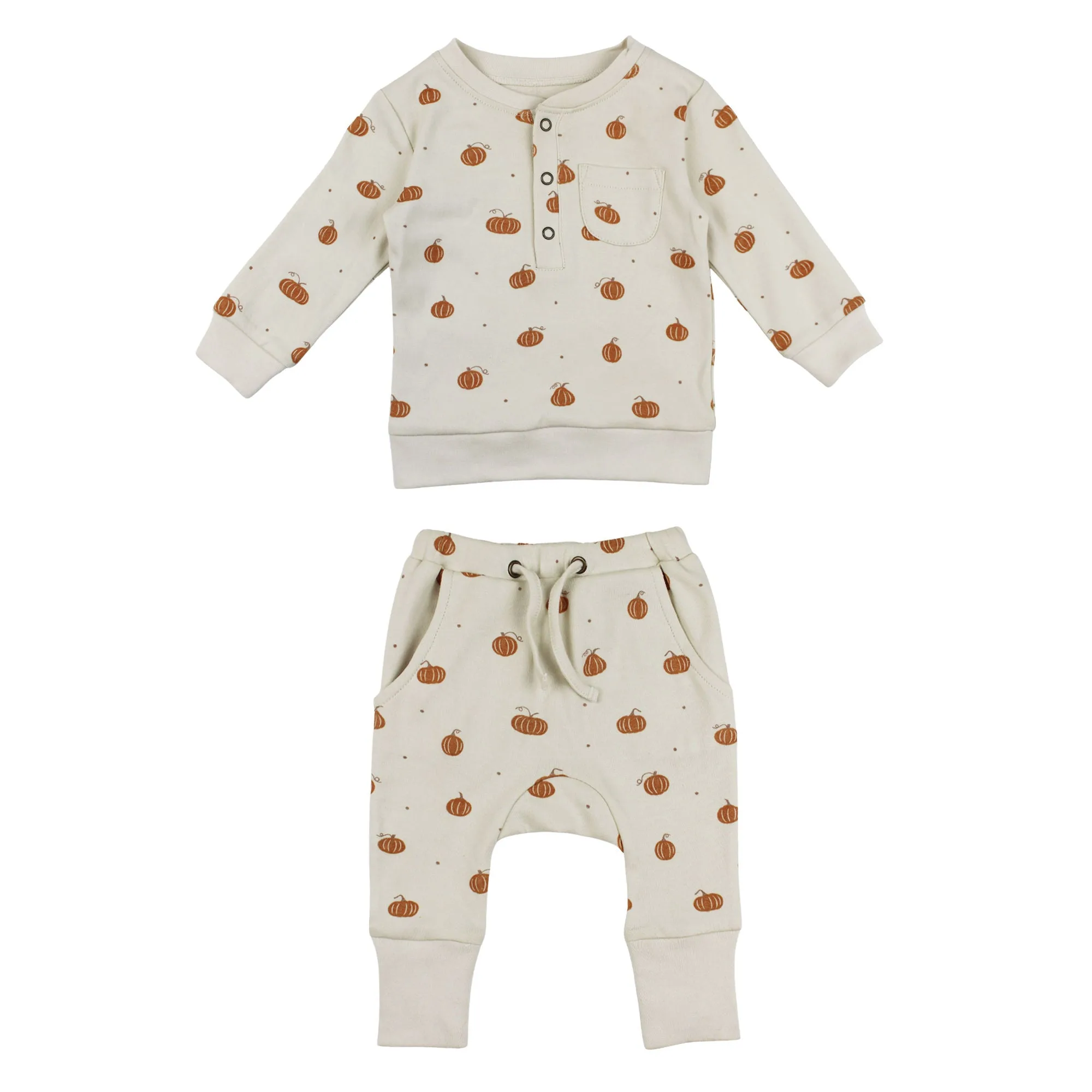
- Pumpkin Spice | Organic Henley Sweatshirt & Jogger Set: Pumpkin Spice Organic Henley Sweatshirt & Jogger Set in GOTS-certified 100% organic cotton with chrome/lead/nickel-free snaps and a soft elastic waistband. A unisex set that works for cooler days and gives you an organic option for play clothes, not just sleepwear.
Which should you choose?
Choose organic cotton if
- Your baby has eczema, reacts to tags, or seems itchy in regular cotton.
- You want verified GOTS certification and azo-free, non-toxic dyes.
- You are buying everyday pieces like leggings, footies, or bodysuits that touch skin for hours.
Choose conventional cotton if
- You need the lowest possible price and the item is a short-wear outer layer.
- You want a specific licensed print or trend that only conventional cotton offers.
- You are comfortable with limited dye and farm traceability.