Quick answer
If you prefer a lighter, floral cup with a hint of astringency, choose a first flush Darjeeling. If you want a fuller body, deeper amber color, and that signature muscatel grape note, go for a second flush Darjeeling.
What makes second flush Darjeeling different?
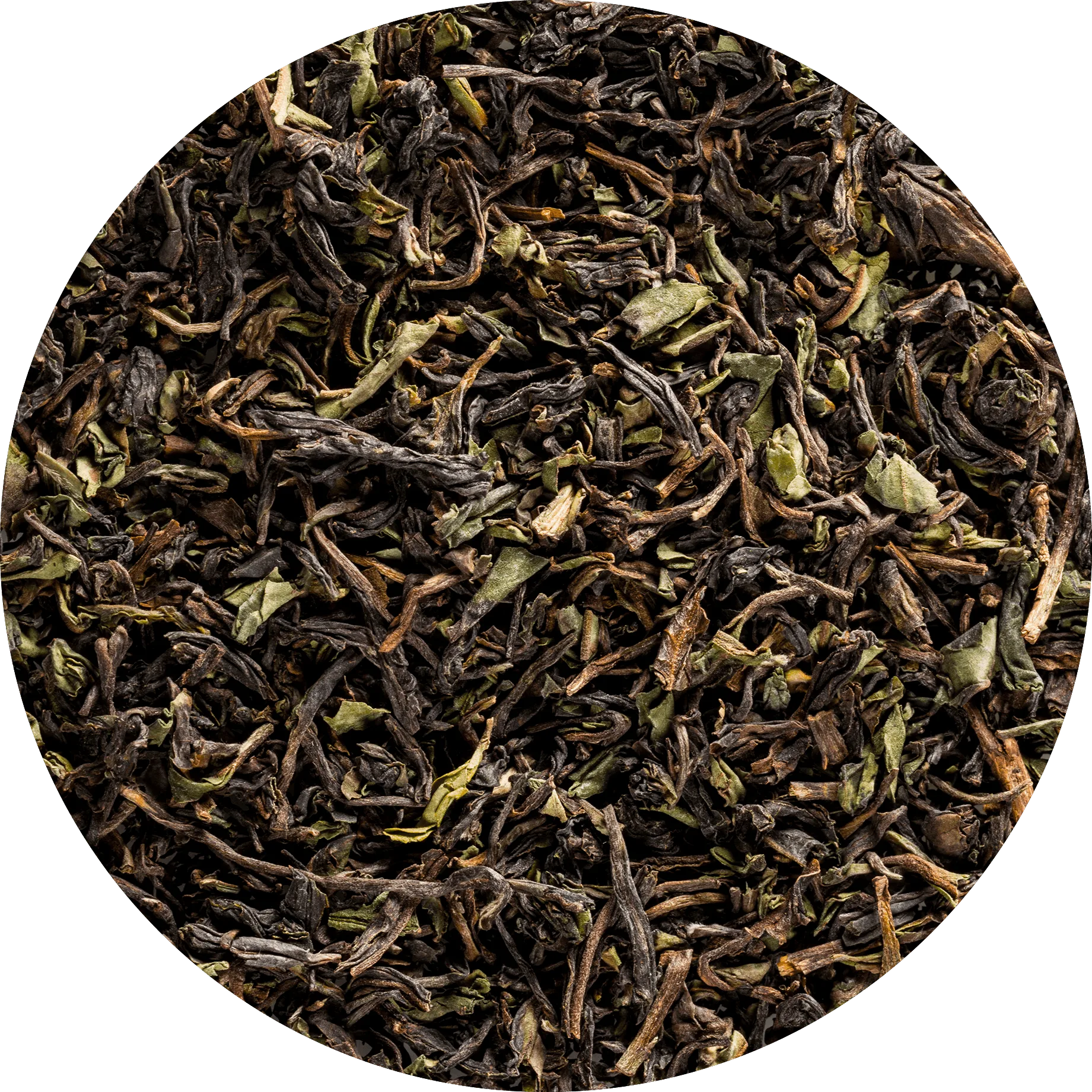
Second flush teas are harvested in late spring to early summer (May–June), after the first flush. The warmer weather and longer days cause the leaves to mature more, producing a darker leaf and a richer, more rounded liquor. The most prized second flush Darjeelings develop a distinctive muscatel character—a sweet, grape-like flavor that tea lovers seek out.
First flush teas, by contrast, are the spring harvest (March–April). They are prized for their light, bright, floral, and slightly astringent profile. The liquor is pale golden, and the aroma is intensely fresh and green. First flush is often compared to a fine white wine, while second flush is more like a full-bodied red.
Why organic certification matters in Darjeeling
Darjeeling gardens are small, high-altitude estates that often use traditional, low-impact methods. Choosing certified organic Darjeeling tea ensures that no synthetic pesticides or fertilizers were used during cultivation. This not only protects the fragile Himalayan ecosystem but also preserves the pure, nuanced flavors that make Darjeeling teas unique.
All three teas featured here—Selimbong, Happy Valley, and Avongrove—carry organic certification, so you can enjoy them with confidence.
First flush vs second flush: a quick trade-off guide
- Flavor profile: First flush: light, floral, grassy, with a brisk astringency. Second flush: fuller body, deeper amber color, sweet muscatel grape notes, less astringent.
- Aroma: First flush: fresh, green, and vegetal. Second flush: fruity, wine-like, and honeyed.
- Brewing recommendation: First flush: use water at 185°F (85°C) and steep 2–3 minutes to avoid bitterness. Second flush: use water at 195°F (90°C) and steep 3–4 minutes to extract the full body and muscatel character. Adjust steeping time based on your taste: longer for stronger flavor, shorter for a lighter cup.
- Best time to drink: First flush: morning or early afternoon, when you want a bright, energizing cup. Second flush: afternoon or evening, when you crave a comforting, full-bodied brew.
Featured organic second flush Darjeeling teas
-
Organic Darjeeling Selimbong FTGFOP1 Second Flush: Harvested from the Selimbong Tea Garden, a historic estate founded in 1886. The estate's long history and high-altitude location contribute to a complex, well-rounded second flush with pronounced muscatel notes.
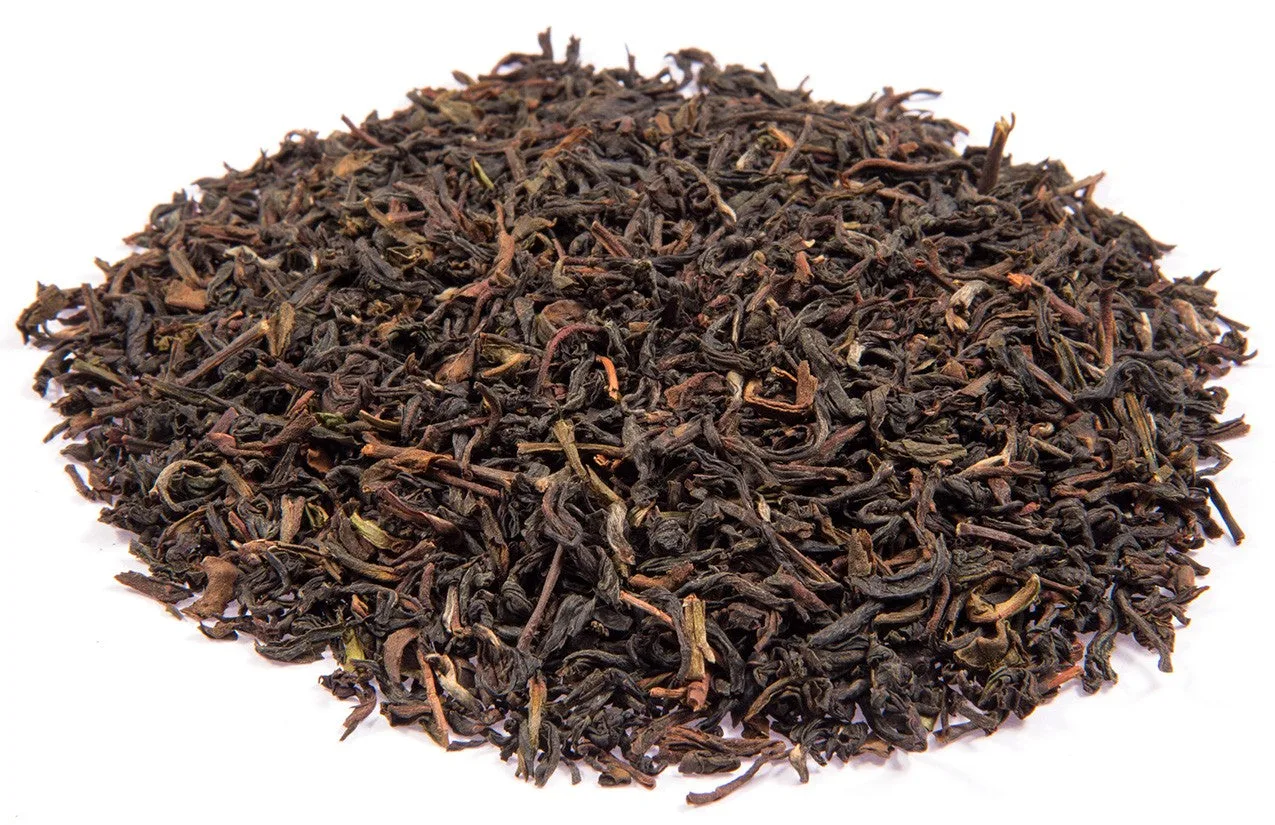
Organic Darjeeling Selimbong FTGFOP1 Second Flush
-
Organic Darjeeling Happy Valley FTGFOP1 Second Flush: Grown at the Happy Valley Tea Estate, located just three kilometers from the center of Darjeeling town. Its proximity to the town and high altitude produce a second flush with a balanced aroma and a smooth, lingering finish—ideal for those new to muscatel Darjeeling.
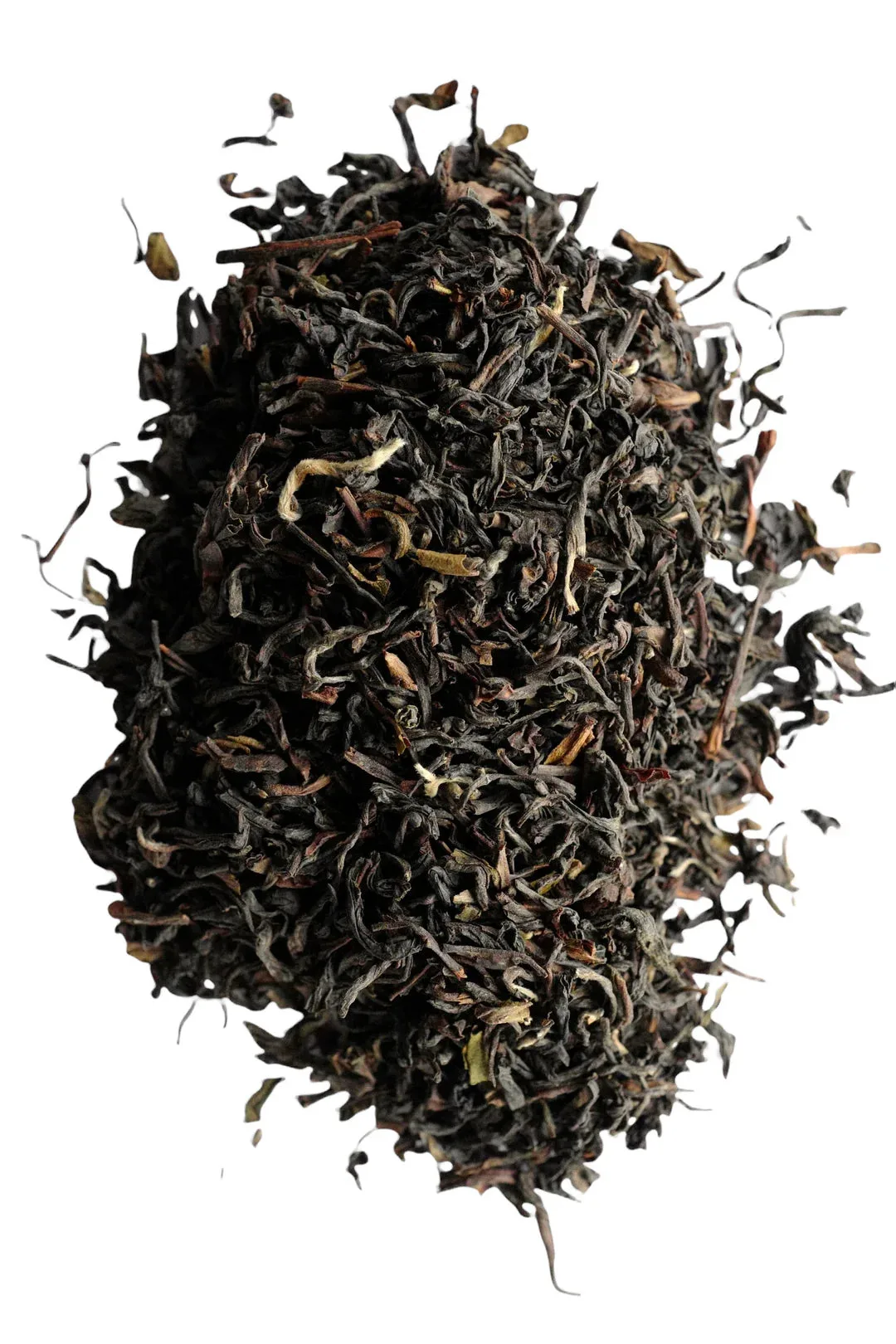
Organic Darjeeling Happy Valley FTGFOP1 Second Flush
-
Organic Darjeeling Avongrove FTGFOP1 Second Flush: Cultivated in the Avongrove Tea Garden, nestled in the Rungbong Valley amidst dense forests. The secluded, forested environment yields a second flush with a distinct floral undertone and a rich, amber liquor.
Which one fits your taste?
Best for
- Tea drinkers who enjoy a rich, full-bodied cup with sweet, fruity notes (choose second flush).
- Those curious about the famous muscatel character of Darjeeling (choose second flush).
Not for
- If you prefer a light, floral, and brisk cup that resembles a green tea (choose first flush instead).
- If you are sensitive to caffeine or want a very mild tea (both flushes contain moderate caffeine; consider a white or herbal tea).