Quick Answer
Organic Lapsang Souchong is made from certified organic tea leaves and smoked using traditional methods without synthetic pesticides, while traditional Lapsang Souchong may use conventionally grown leaves. The flavor difference is subtle; both offer the signature smoky, piney profile, but organic versions appeal to those prioritizing environmental and health considerations. Choose organic if you value certified purity; choose traditional if you prioritize a specific regional flavor profile or price point.
Lapsang Souchong, a legendary smoked black tea from China's Wuyi Mountains, is known for its bold, campfire-like aroma. But when you see 'organic' on the label, what actually changes? This comparison breaks down the real differences between organic and traditional Lapsang Souchong, from farming practices to flavor nuances.
We'll look at what 'organic' means for this tea, how it affects taste and price, and help you decide which one fits your tea routine. Whether you're a smoky tea veteran or a curious newcomer, understanding these distinctions ensures you pick a tea that matches your palate and values.
What Makes Lapsang Souchong Unique?
Lapsang Souchong stands out in the black tea world because of its distinctive smoking process. After the leaves are withered and oxidized, they are traditionally dried over pinewood fires, which imparts a deep, smoky flavor that's often described as campfire, tar, or even bacon-like. This process originated in the Fujian province of China and has been refined over centuries.
The base tea leaves themselves can vary in quality, but the smoking is the defining characteristic. Traditional versions use whatever leaves are available, often from local cultivars. Organic versions, like those from certified farms, ensure the leaves are grown without synthetic pesticides or fertilizers, which can influence both the purity of the leaf and the final flavor profile.
Organic vs. Traditional: Production and Certification
The primary difference lies in the farming and certification. Organic Lapsang Souchong is produced from tea plants grown without synthetic chemicals, and the entire process—from cultivation to processing—is certified by an accredited body. This certification guarantees traceability and adherence to strict environmental standards.
Traditional Lapsang Souchong may use conventionally grown leaves, which could involve synthetic inputs. However, 'traditional' doesn't necessarily mean lower quality; it often refers to the classic production methods. The tradeoff is that organic certification adds cost, which is reflected in the price. For some, the peace of mind and environmental benefits justify the premium.
Flavor and Aroma: Is There a Noticeable Difference?
In theory, organic leaves might offer a cleaner, more nuanced flavor because they aren't exposed to synthetic chemicals. However, the heavy smoking of Lapsang Souchong can mask subtle differences. Many tea drinkers find it hard to distinguish between organic and traditional versions in a blind taste test.
What you're more likely to notice is the quality of the leaf and the skill of the smoker. A high-quality organic Lapsang Souchong, like the Organic Oolong Tea - Fu Liang Farm, which is known for its uniform rolled leaf and mild floral character, might offer a more refined smoke that doesn't overwhelm the tea's natural sweetness. Traditional versions might be more robust and assertive.
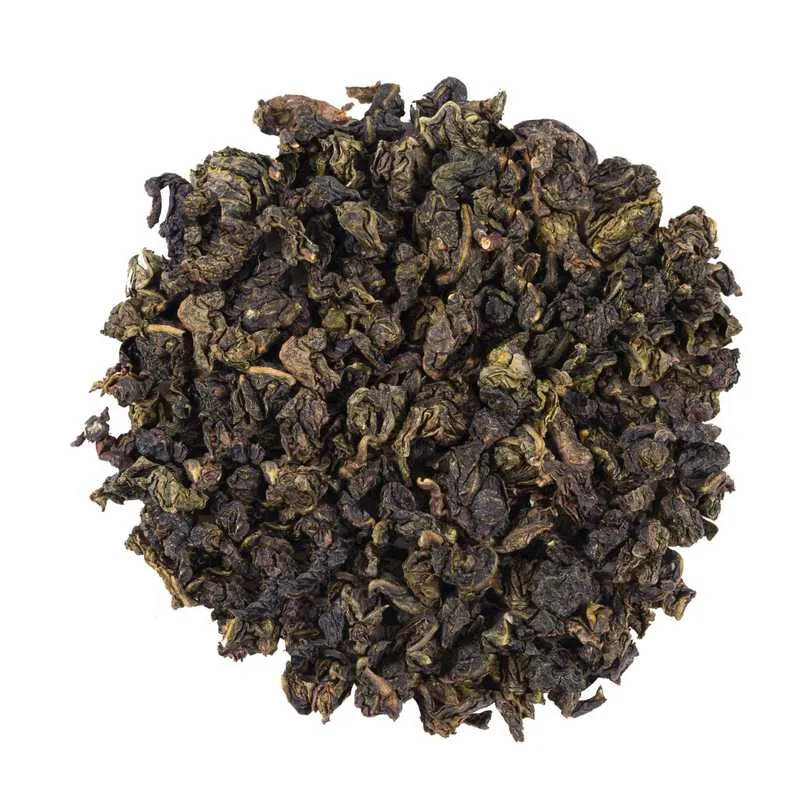
Organic Oolong Tea - Fu Liang Farm
Ultimately, the flavor difference is subtle. If you're sensitive to chemical residues or care about organic farming, the choice is clear. If you're purely chasing a specific smoky profile, you might need to try both to see which you prefer.
Health and Environmental Considerations
Choosing organic black tea means you're avoiding potential exposure to synthetic pesticides and fertilizers. For daily drinkers, this can be a meaningful consideration. Organic farming also supports biodiversity and soil health, making it a more sustainable choice.
Traditional teas aren't necessarily unhealthy, but they may carry trace residues. If you're health-conscious or environmentally aware, organic is the safer bet. However, it's worth noting that the smoking process itself can introduce compounds, so moderation is key regardless of your choice.
The Tradeoffs at a Glance
- Flavor Intensity: Traditional Lapsang Souchong often delivers a more aggressive, campfire-forward smoke. Organic versions may offer a cleaner, more refined smoke that allows subtle tea notes to peek through. If you love bold, in-your-face smoke, traditional might satisfy. If you prefer nuance, try organic.
- Certification and Purity: Organic guarantees no synthetic pesticides or fertilizers, offering peace of mind for daily drinkers. Traditional may carry trace residues but is often more affordable. Choose organic for purity; choose traditional if budget is a primary concern.
- Price and Availability: Organic certification adds cost, so organic Lapsang Souchong typically commands a premium. Traditional versions are more widely available and often cheaper. If you drink tea daily, the cost difference adds up—weigh it against your values.
Organic Options to Consider
- Organic Oolong Tea - Fu Liang Farm: This specialty Chinese Oolong tea features a uniform rolled leaf and a mild floral flavor with a light yellow cup. It is certified organic. If you're exploring organic Chinese teas but find Lapsang Souchong too smoky, this oolong offers a gentler introduction to the category with its floral notes and certified organic purity.
- Organic Darjeeling Loose Leaf tea - FTGFOP 1 Spring Valley: Harvested during the second plucking season, this organic Darjeeling black tea is classified as FTGFOP grade and has a gentle, non-astringent flavor. For a less smoky organic black tea experience, this Darjeeling provides a delicate alternative that highlights the terroir without the heavy smoke, perfect for those who prefer a lighter cup.
Which One Should You Choose?
Best for
- Health-conscious tea drinkers who want to avoid synthetic chemicals in their daily cup.
- Environmental advocates who support organic farming practices and sustainability.
Not for
- Budget-focused buyers who prioritize price over certification.
- Purists seeking a specific regional flavor profile that may not be available in organic versions.
Choosing between organic and traditional Lapsang Souchong comes down to your priorities. If you value certified purity and environmental responsibility, organic is the way to go. If you're chasing a specific flavor or need to save money, traditional might suffice. Either way, you're enjoying a unique, smoky tea with a rich history.