Tea lovers often find themselves drawn to the deep, complex flavors of aged teas. Two categories that frequently spark curiosity are organic pu erh tea and aged black tea. While both can develop rich profiles over time, they are fundamentally different in production, flavor, and health effects. Understanding these differences can help you choose the right tea for your palate and wellness goals.
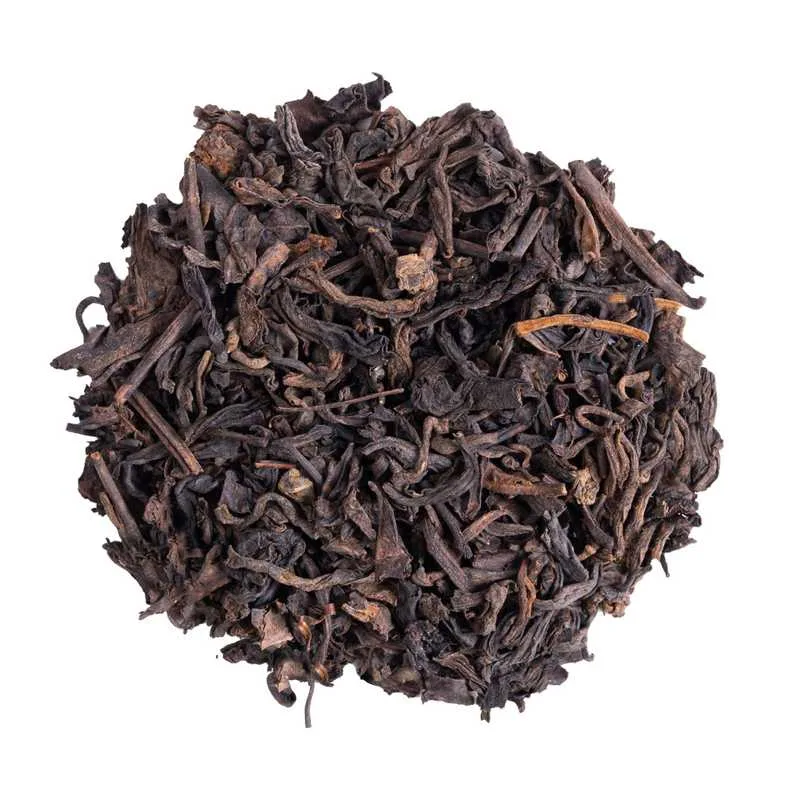
organic pu erh tea
In this comparison, we'll break down the unique characteristics of pu erh and black tea, including how they're made, how they age, and what to expect in the cup. Whether you're a seasoned tea enthusiast or just starting your journey, this guide will clarify the distinctions and help you appreciate each tea's unique qualities.
What Is Organic Pu Erh Tea?
Pu erh tea is a type of fermented tea that originates from Yunnan Province in China. Unlike most teas that are consumed soon after production, pu erh is often aged for years to develop its signature earthy, smooth character. There are two main styles: raw (sheng) pu erh, which ages naturally over time, and ripe (shou) pu erh, which undergoes an accelerated fermentation process to mimic aged flavors.
Organic pu erh tea is grown without synthetic pesticides or fertilizers, ensuring a pure and natural product. The fermentation process involves beneficial microbes that transform the tea leaves, creating a unique profile that is often described as woody, musty, or even sweet. This tea is prized for its potential digestive benefits and its ability to be stored for decades, improving with age.
- Raw pu erh: naturally aged over years, developing complexity.
- Ripe pu erh: accelerated fermentation for a mellow, earthy taste.
What Is Aged Black Tea?
Black tea is fully oxidized, which gives it a bold, robust flavor. While most black teas are meant to be consumed within a few years of production, some high-quality varieties can be aged to enhance their sweetness and reduce astringency. Aged black tea, such as a well-stored Keemun or Yunnan black tea, can develop notes of honey, dried fruit, and even cocoa.
The aging process for black tea is less about fermentation and more about slow oxidation and chemical changes over time. Unlike pu erh, black tea does not rely on microbial activity; instead, it matures through exposure to oxygen and time. Proper storage is crucial to prevent staleness or off-flavors. Organic aged black teas are rare and often sought after for their smooth, mellow character.
- Aged black tea: mellowed by oxidation, not fermentation.
- Flavor evolves to include sweet, fruity, and malty notes.
Key Differences: Fermentation vs Oxidation
The fundamental difference lies in how these teas are processed. Black tea undergoes full oxidation, where enzymes in the leaves react with oxygen, turning them dark and developing classic tea flavors. Pu erh, on the other hand, undergoes fermentation, a process driven by microorganisms that break down the leaf compounds in a different way.
This distinction affects everything from taste to caffeine content and shelf life. Pu erh is often considered a living tea that continues to evolve, while black tea reaches its peak and then slowly declines if not stored perfectly. For those interested in the science of tea, this contrast is fascinating and impacts the drinking experience.
- Oxidation: chemical reaction with oxygen.
- Fermentation: microbial activity that alters the tea.
Flavor Profiles: Earthy vs Malty
Pu erh is known for its earthy, deep, and sometimes funky flavors. Raw pu erh can be fresh and floral with a hint of bitterness, while ripe pu erh is smooth, dark, and reminiscent of damp forest floor or dark chocolate. The taste is often described as grounding and complex, making it a favorite among those who enjoy bold, non-traditional tea.
Aged black tea offers a different experience. Expect a smooth, malty sweetness with notes of caramel, honey, and dried fruits. The aging process softens the tannins, reducing bitterness and creating a round, comforting cup. If you prefer a tea that is sweet and soothing, aged black tea might be your choice; if you want something adventurous and earthy, pu erh is the way to go.
- Pu erh: earthy, woody, sometimes sweet.
- Aged black tea: malty, sweet, fruity.
Health Benefits: Digestion vs Antioxidants
Both teas offer health benefits, but they work differently in the body. Pu erh is traditionally consumed after meals to aid digestion and is believed to help with weight management by supporting fat metabolism. The fermentation process produces unique compounds like statins and polysaccharides that may contribute to these effects.
Black tea is rich in antioxidants called theaflavins and thearubigins, which are formed during oxidation. These compounds support heart health, reduce oxidative stress, and may improve gut health. Aged black tea retains these benefits while being gentler on the stomach due to reduced astringency. Choosing between them depends on your health priorities: pu erh for digestion, black tea for antioxidant support.
- Pu erh: digestive aid, potential weight management.
- Black tea: antioxidants, heart health.
How to Brew Each Tea
Brewing pu erh and aged black tea requires different techniques to bring out their best qualities. For pu erh, use water just off the boil (around 200°F) and a short steeping time of 20-30 seconds for the first infusions. This tea can be infused multiple times, with each steeping revealing new layers of flavor. Rinse the leaves briefly first to awaken them.
Aged black tea also benefits from hot water (around 195-205°F) but can be steeped for 3-5 minutes. A longer steep extracts the sweet, malty notes without excessive bitterness. Use about 2-3 grams of leaves per 8 ounces of water. Both teas can be enjoyed plain, but a touch of milk or sweetener works well with black tea, while pu erh is best sipped plain to appreciate its complexity.
- Pu erh: multiple short infusions.
- Black tea: single longer steep.
Which Should You Choose?
Your choice ultimately comes down to personal preference. If you enjoy bold, earthy flavors and are intrigued by a tea that evolves with age, organic pu erh tea is an excellent addition to your collection. If you prefer a smoother, sweeter cup that is familiar yet refined, aged black tea might be more appealing.
Both teas offer unique experiences and health benefits, so why not try both? Many tea lovers keep a variety in their pantry for different moods and times of day. Consider starting with a high-quality organic option from our collection to ensure you experience the true character of these teas.
- Pu erh: adventurous, earthy, for digestion.
- Aged black tea: smooth, sweet, for comfort.
Whether you choose the earthy depths of organic pu erh or the malty sweetness of aged black tea, both offer a journey into the world of fine tea. Explore our selection to find the perfect brew for your taste and wellness needs. If you're curious about pu erh, we invite you to discover our Organic Pu Erh Tea Collection and experience its unique character.