Quick answer
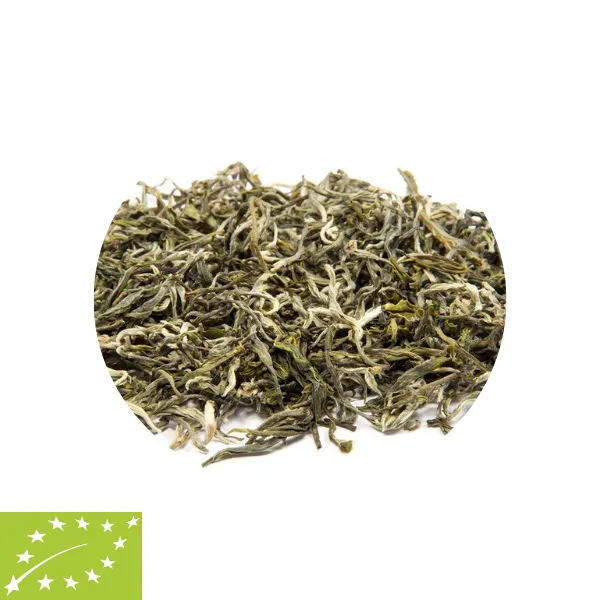
For beginners, start with a whole-leaf organic silver needle white tea for its delicate, sweet flavor and low caffeine. If you prefer a bolder taste or a lower price, consider organic white peony or a green tea like Chun Mee. Always check the harvest date and organic certification.
Understanding white tea grades
White tea grades are based on the leaf pluck: silver needle uses only the unopened bud, giving a light, sweet infusion with subtle floral notes. White peony includes the bud plus the first two leaves, resulting in a fuller body and earthier flavor. Lower grades like shou mei use larger leaves and have a more robust, woody taste.
For beginners, silver needle is the purest expression of white tea but also the most expensive. If you are watching your budget, organic white peony offers a similar terroir with more complexity and a lower price point. Always look for organic certification to avoid pesticide residues, especially when brewing with minimal processing.
Flavor profiles and what to expect
Organic silver needle white tea typically has a pale golden liquor with notes of honey, melon, and fresh hay. It is very low in astringency and caffeine compared to green or black teas. In contrast, white peony has a darker liquor with nutty, floral, and slightly grassy notes.
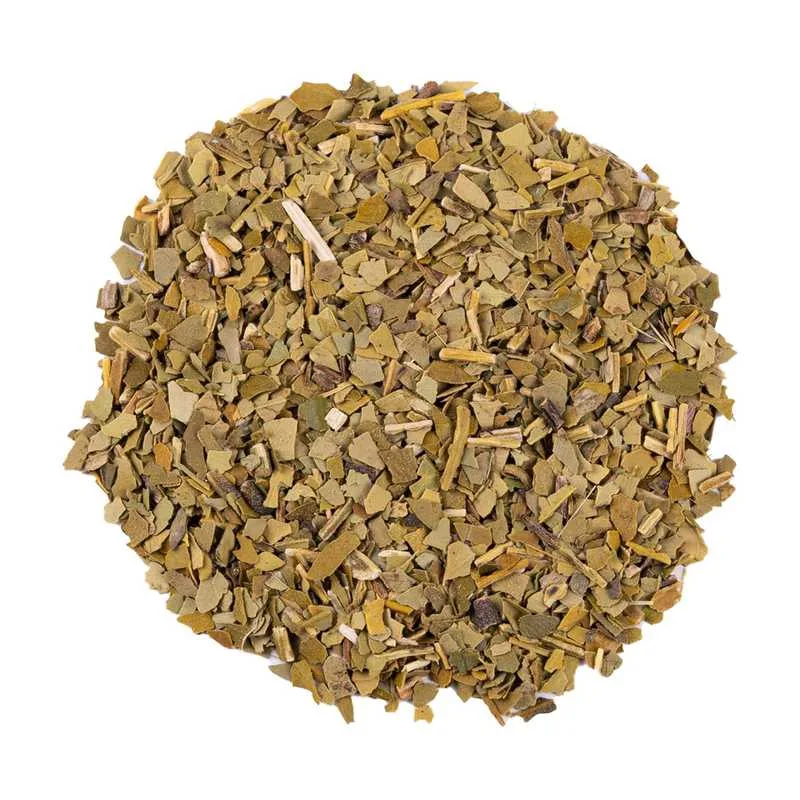
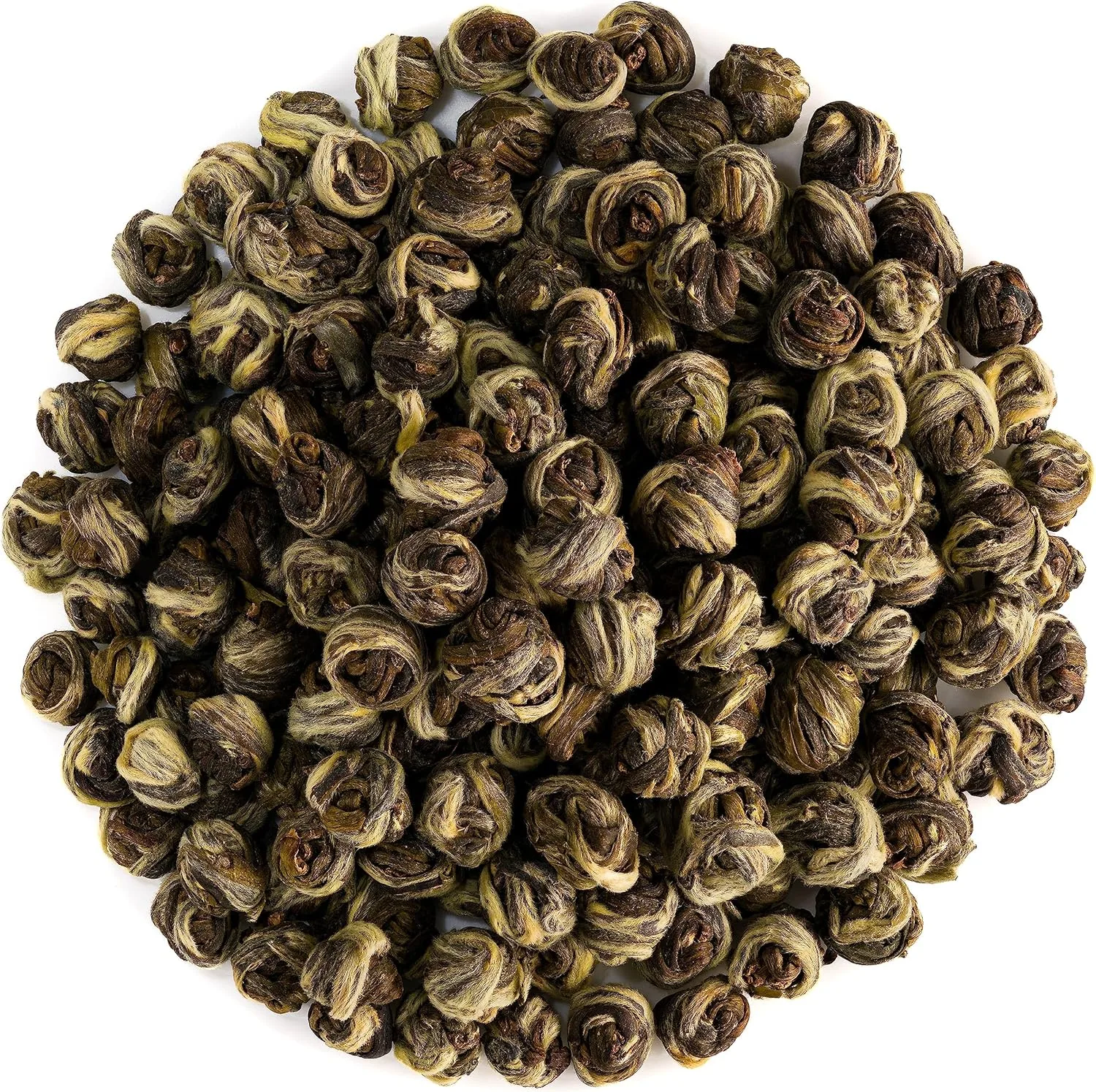
If you enjoy the mild, sweet character of silver needle, you might also like organic green teas like Jasmine Dragon Phoenix Pearl or Chun Mee, which offer similar clean flavors with a bit more body. For a completely different profile, try organic yerba mate for an earthy, herbaceous experience.
How to read a white tea label
When buying white tea, check three things: origin (China is traditional for silver needle), harvest date (early spring is best for buds), and organic certification. Avoid teas that list only 'green tea' without specifying the grade or origin. A reputable seller will provide the cultivar and region.
Price is a rough indicator of quality: whole-bud silver needle costs more than leaf blends. If a deal seems too good, the tea may be old or mixed with lower grades. For beginners, buying from a specialty store like Premium Organic Loose Leaf ensures transparency and freshness.
Decision rules for buying your first white tea
- Grade matters most: Silver needle (buds only) is the most delicate and expensive. White peony (buds + leaves) offers more flavor and value. Choose based on your taste preference and budget. Start with silver needle for purity; switch to peony if you want more body.
- Organic certification is non-negotiable: White tea is minimally processed, so any pesticides remain on the leaves. Always buy certified organic to ensure clean leaves and peace of mind. Look for 'Certified Organic' on the label.
- Check the harvest year: Freshness is key for white tea. Older teas lose their delicate flavors and become flat. Aim for tea harvested within the last 12 months. Avoid teas without a harvest date.
Related organic teas to consider
- Organic China Jasmine Dragon Phoenix Pearl Tea: Ingredients: Organic Green Tea China Jasmine Dragon Phoenix Pearl leaves. Certified Organic. If you enjoy the floral sweetness of silver needle, this jasmine-scented green tea offers a similar delicate aroma with a slightly more vegetal taste. It is a good alternative for those who want a scented tea.
- Organic Mate Green (Organic Yerba Mate) Loose Leaf Tea: Ingredients: Mate green tea leaves. Certified Organic. Taste: Earthy & Herbaceous. For beginners who find white tea too mild, this yerba mate provides a bold, earthy flavor and higher caffeine. It is a completely different experience from silver needle but worth trying for variety.
Which white tea is right for you?
Best for
- Beginners who want a mild, sweet, low-caffeine tea
- Tea drinkers who appreciate subtle floral and honey notes
Not for
- Those who prefer strong, bold flavors or high caffeine
- Budget-conscious buyers (silver needle is premium priced)