Quick Answer
Organic tea is grown without synthetic pesticides and often tastes cleaner, but it usually costs more. Conventional tea is cheaper but may carry pesticide residues. If you prioritize reducing chemical exposure and supporting sustainable farming, organic is worth the extra cost; if budget is tight, conventional tea still offers health benefits.
When you stand in the tea aisle, the choice between organic and conventional can feel overwhelming. Organic teas often carry a higher price tag, but do they really deliver better health benefits and taste? This comparison cuts through the marketing to help you decide based on what matters most to you.
We'll look at the key differences in farming practices, potential pesticide residues, flavor profiles, and cost. By the end, you'll know exactly what you're paying for and whether organic tea is the right choice for your daily cup.
Farming Practices: The Core Difference
Organic tea is grown without synthetic pesticides, herbicides, or fertilizers. Instead, farmers rely on natural methods like composting, crop rotation, and biological pest control. This approach aims to protect soil health, water quality, and biodiversity. Conventional tea farming, on the other hand, often uses synthetic chemicals to boost yield and control pests, which can lead to residues on the final product.
The trade-off is that organic farming is more labor-intensive and yields are often lower, which is why organic teas typically cost more. However, for many tea drinkers, the peace of mind that comes from avoiding synthetic chemicals is worth the premium.
- Look for certifications like USDA Organic or EU Organic on the label to ensure the tea meets strict standards.
Pesticide Residues: What the Science Says
Conventional tea is more likely to contain pesticide residues than organic tea. Studies have found residues in a significant portion of conventional tea samples, though levels are usually below regulatory limits. For those who drink multiple cups daily, even low-level exposure can add up over time.
Organic tea, by contrast, is tested to ensure no synthetic pesticides are used. This is particularly important for teas where the leaves are steeped directly, like green or white teas. The trade-off is that organic certification doesn't guarantee zero residues from environmental contamination, but it significantly reduces your exposure.
- If you're concerned about pesticides, choose organic for teas you drink daily.
Taste and Quality: Does Organic Really Taste Better?
Many tea enthusiasts claim organic tea tastes cleaner and more vibrant. This could be because organic farming practices often lead to healthier plants and more complex flavor profiles. Without synthetic chemicals, the natural characteristics of the tea leaves shine through, offering a purer taste experience.
However, taste is subjective, and some conventional teas are also high quality. The real difference often comes down to how the tea is processed and stored, not just whether it's organic. The trade-off is that organic teas may have more nuanced flavors, but you might need to experiment to find a brand you love.
- Try a side-by-side tasting of organic and conventional versions of the same tea type to see if you notice a difference.
Cost: The Practical Consideration
Organic tea typically costs 20-50% more than conventional tea. This price difference reflects the higher cost of organic farming, certification, and lower yields. For budget-conscious consumers, this can be a significant factor.
The trade-off is that you're paying for reduced pesticide exposure and support for sustainable agriculture. If you drink tea occasionally, the cost difference may be negligible. But if you're a heavy tea drinker, the expense can add up.
- Consider blending organic and conventional teas to balance cost and preference.
The Organic Tea Trade-Off at a Glance
- Pesticide exposure: Organic tea reduces your intake of synthetic pesticides, while conventional tea may carry residues. Choose organic if you're concerned about long-term chemical exposure.
- Flavor profile: Organic tea often tastes cleaner and more vibrant, but conventional tea can also be high quality. Do a taste test to find what you prefer.
- Cost: Organic tea costs more, reflecting higher production standards. If budget is tight, prioritize organic for teas you drink most often.
Organic Tea Options at Herbal Tea Healing
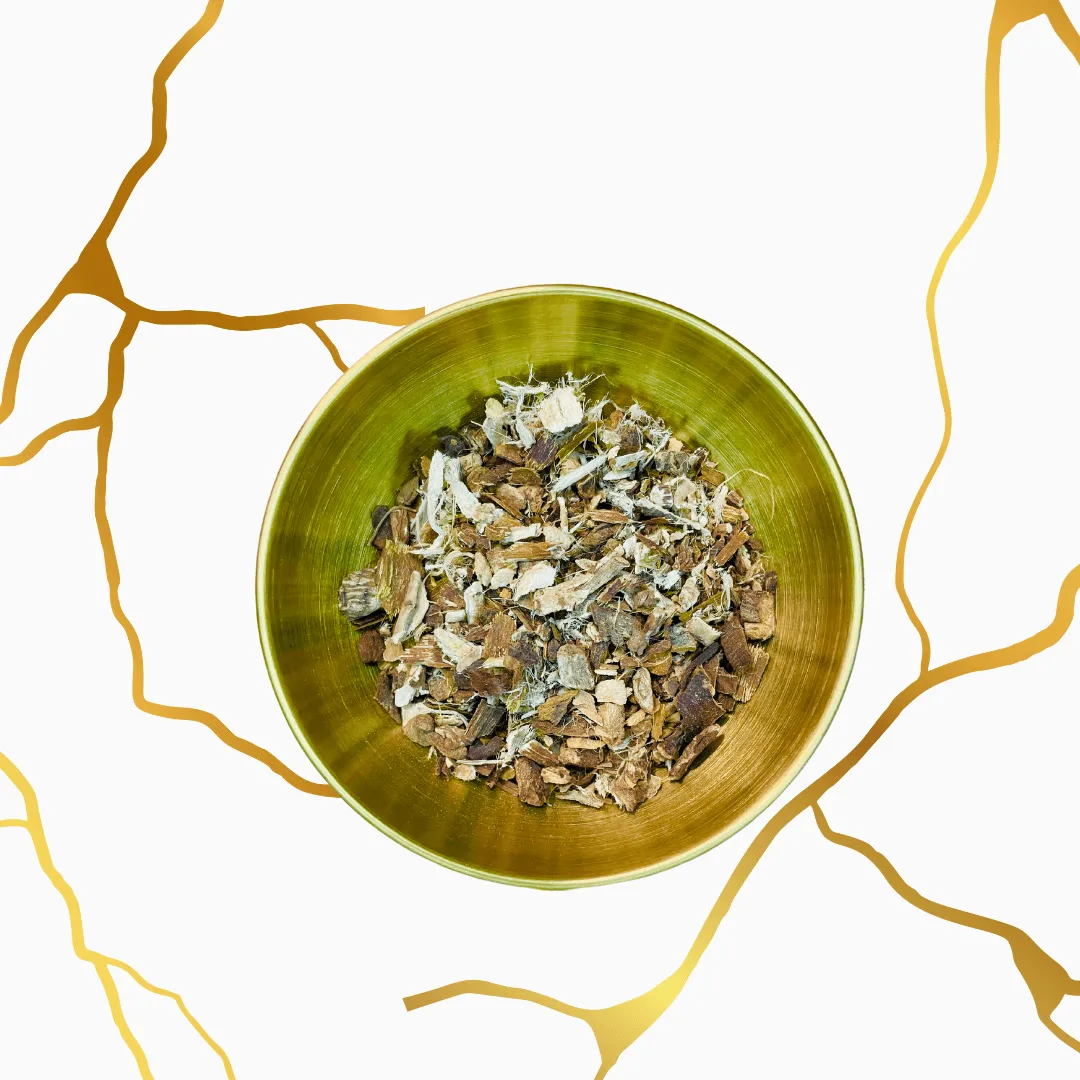
- Keep It Regular Tea (Organic): A light, balanced ginger-bodied tea with a 100% natural flow. Ingredients include organic burdock root, dandelion root, buckthorn bark, marshmallow root, and ginger root. It helps provide a prebiotic fiber that aids digestion. If you're looking for a gentle digestive aid without synthetic additives, this organic blend offers natural support with a mild, earthy taste.
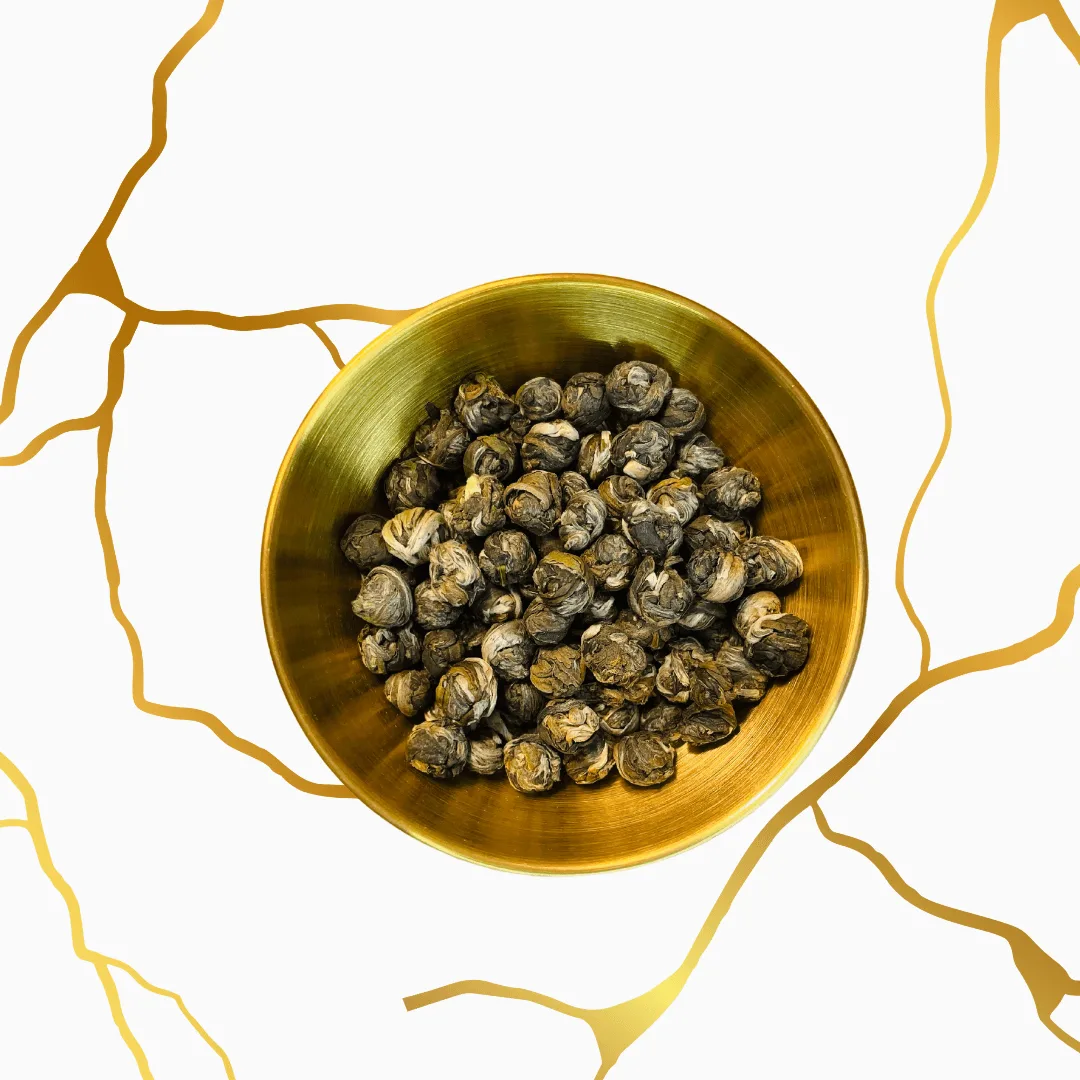
- Jasmine Pearls Tea (Organic) * Green Tea: A richly aromatic, lightly sweet, and smooth cup with a jasmine zest. Made from organic green tea scented with organic jasmine flowers. Benefits include antioxidants, improved heart health, and better blood sugar control. This organic green tea gives you the health benefits of green tea without pesticide concerns, plus a delightful floral flavor that makes daily drinking a treat.
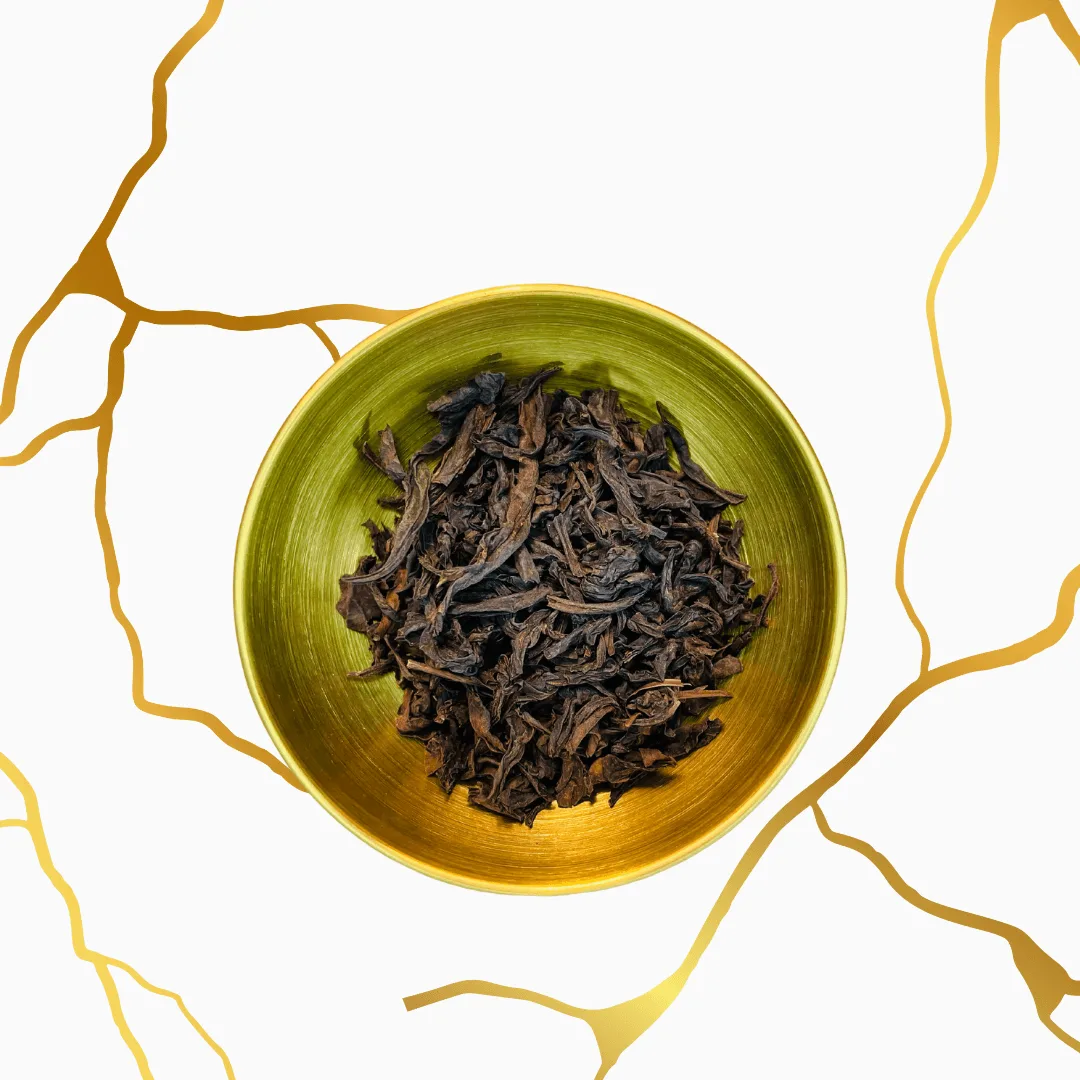
- Da Hong Pao OOLONG O.P. Tea (Organic): One of the most famous oolong teas in the world, found in mountainous regions. It has a roasted flavor with a particular sweetness comparable to baked goods. Helps mitigate weariness. If you enjoy complex, roasted oolong flavors, this organic option provides a sophisticated taste while avoiding synthetic chemicals.
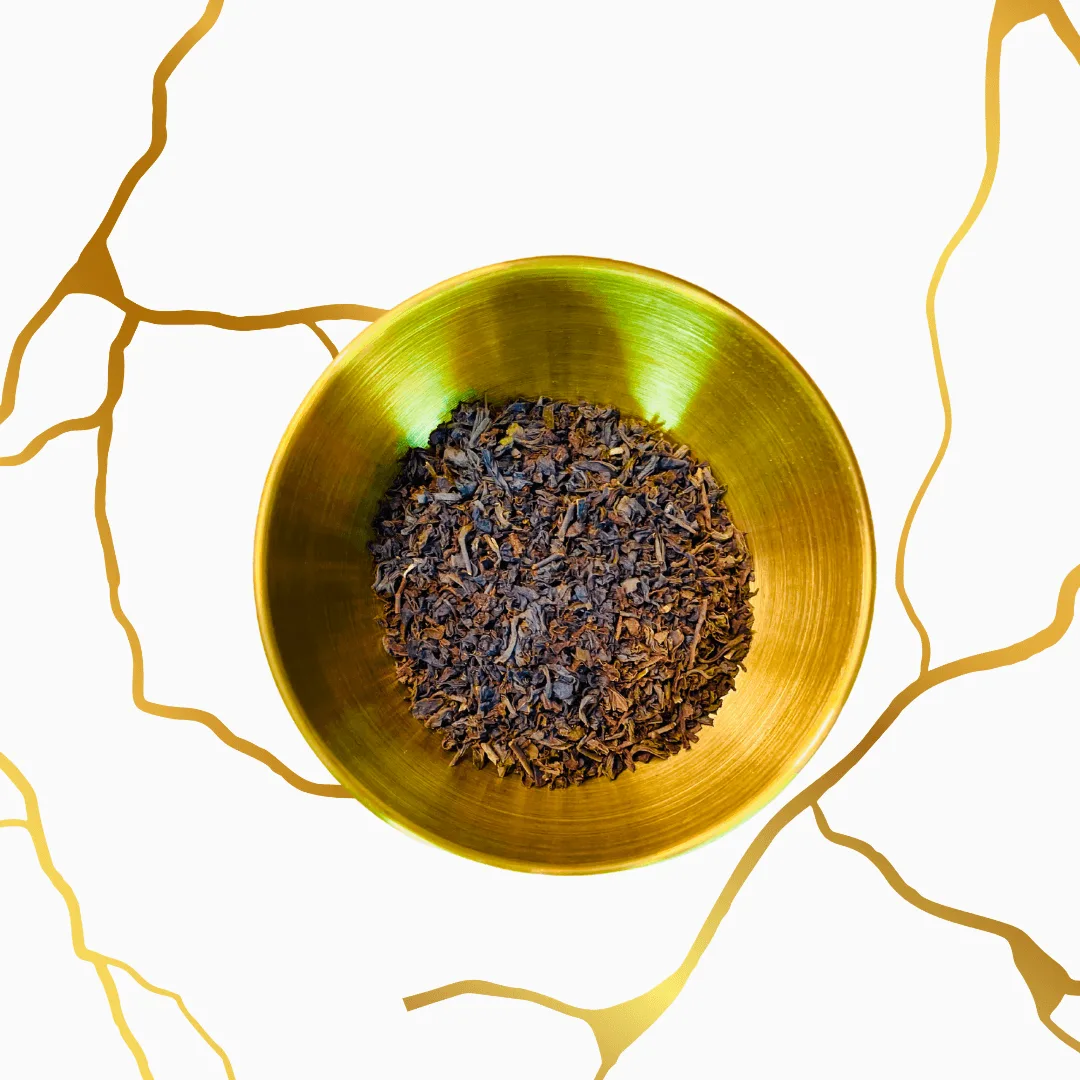
- Irish Breakfast Tea (Organic/Fair trade): A full-bodied, malty, strong tea that's great with milk or a milk substitute. Made from organic Assam and China black teas. Benefits include reduced fatigue and improved cardiovascular health. For a robust morning cup, this organic fair-trade option gives you a strong brew with ethical sourcing and no pesticides.
Which Should You Choose?
Organic tea is best for:
- Health-conscious drinkers who want to minimize pesticide exposure.
- Those who appreciate nuanced, clean flavors and support sustainable farming.
Conventional tea may be better for:
- Shoppers on a tight budget who don't mind potential residues.
- Those who prioritize cost over farming practices.
Ultimately, the choice between organic and conventional tea comes down to your priorities. If you value reduced pesticide exposure, potential taste benefits, and sustainable agriculture, organic tea is a worthwhile investment. If budget is your main concern, conventional tea still offers health benefits, but you may want to wash leaves or choose brands with lower residue levels. Whichever you choose, enjoy your cup.