Quick answer
Start by sorting accessories by type and frequency of use, then invest in modular storage like tackle boxes and binder sheets to keep everything visible and accessible.
Why modular storage beats one big box
Kickstarter board game accessories often come in odd shapes and sizes—custom dice, oversized play mats, or miniature sets. A single big box leads to digging and potential damage. Modular storage lets you reconfigure as your collection grows, and it keeps components separated so you can grab exactly what you need for a game night.
Another advantage is portability. If you attend game meetups or conventions, modular trays and binders are easier to pack than a giant container. They also protect accessories from rubbing against each other, which is crucial for painted miniatures or custom dice.
Consider the accessory's fragility
Not all accessories need the same level of protection. Custom dice are durable but can scratch; play mats need to stay flat or rolled without creases; miniatures may have delicate parts. Assess each item's vulnerability before choosing a storage method. For example, a cardboard age track is sturdy but can bend if stacked under heavy boxes, so it deserves a flat, protected spot.
If an accessory is a pre-order or limited edition, you might want extra padding or a dedicated container. This also helps you keep track of what you have, especially if you own multiple Kickstarter campaigns.
Step-by-step organization process
- Sort by type and frequency: Group accessories into categories: dice, play mats, miniatures, and other components. Then, within each group, separate items you use every game from those you occasionally pull out. This way, your most-used accessories stay within reach. Checkpoint: If you haven't used an accessory in the last six months, consider storing it in a less accessible spot.
- Choose the right storage container: For dice, use a tackle box or segmented container to prevent rattling and mixing. For play mats, use a poster tube or flat portfolio to avoid creases. For miniatures, use foam-lined trays or pluck foam to protect delicate parts. For flat cardboard pieces like age tracks, use a file folder or flat tray. Checkpoint: Measure your largest accessory to ensure the container fits without forcing.
- Label everything clearly: Use a label maker or simple tags to mark each container with the game name and contents. This saves time when setting up and helps you spot missing items. For dice sets, label the bag or tray with the number of dice included. Checkpoint: Update labels whenever you add new accessories to avoid confusion.
- Store vertically or flat to maximize space: Store containers on shelves or in drawers, placing heavier items on the bottom and lighter ones on top. For play mats, roll them and store upright in a tube to save shelf space. For miniatures, stack foam trays carefully to avoid crushing. Checkpoint: Ensure the storage area is dry and away from direct sunlight to prevent warping or fading.
- Create an inventory list: Maintain a simple spreadsheet or note listing all your accessories, their location, and condition. This is especially helpful for Kickstarter backers with multiple campaigns. Update it whenever you organize or acquire new items. Checkpoint: Review your inventory before purchasing new accessories to avoid duplicates.
Storage-friendly accessories worth considering
-
Blood Rage: Cardboard Age Track & Valhalla Sheet (Kickstarter Special): This Kickstarter Exclusive accessory includes a cardboard age track and Valhalla sheet for Blood Rage, designed for the 2015 game. Cardboard components are prone to bending, so store them flat in a tray or file folder to keep them pristine for repeated plays.
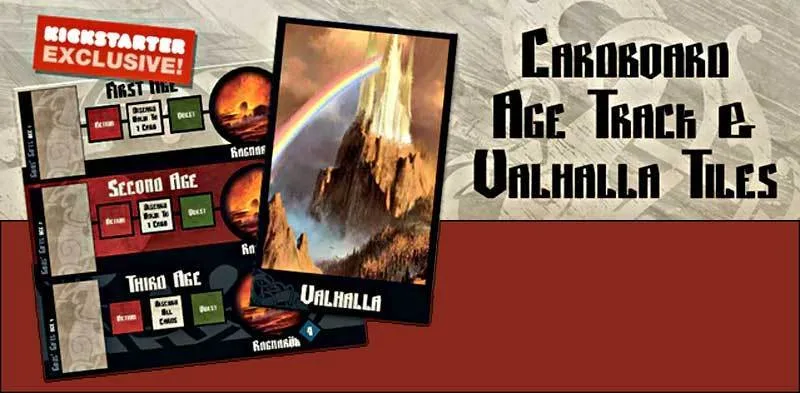
Blood Rage: Cardboard Age Track & Valhalla Sheet (Kickstarter Special)
-
Massive Darkness: Dungeons of Shadowreach Clear Dice Set (Kickstarter Pre-Order Special): This clear dice set includes 19 custom dice for the Shadowreach core game, 8 additional dice for the Underspire Expansion, and 1 custom die. With 28 dice total, a segmented dice tray or labeled bag helps you quickly find the right dice for each game mode without mixing them up.
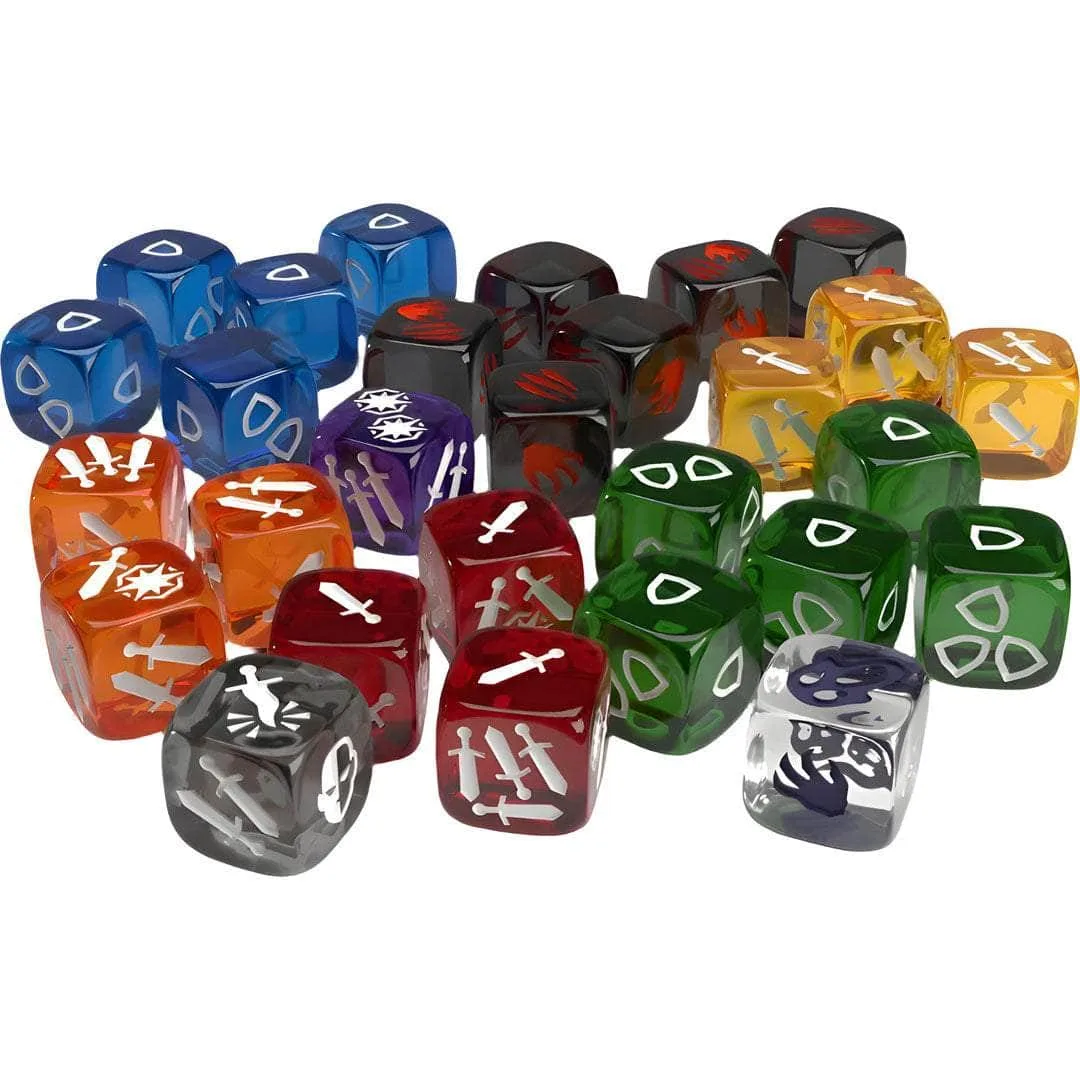
Massive Darkness: Dungeons of Shadowreach Clear Dice Set (Kickstarter Pre-Order Special)
-
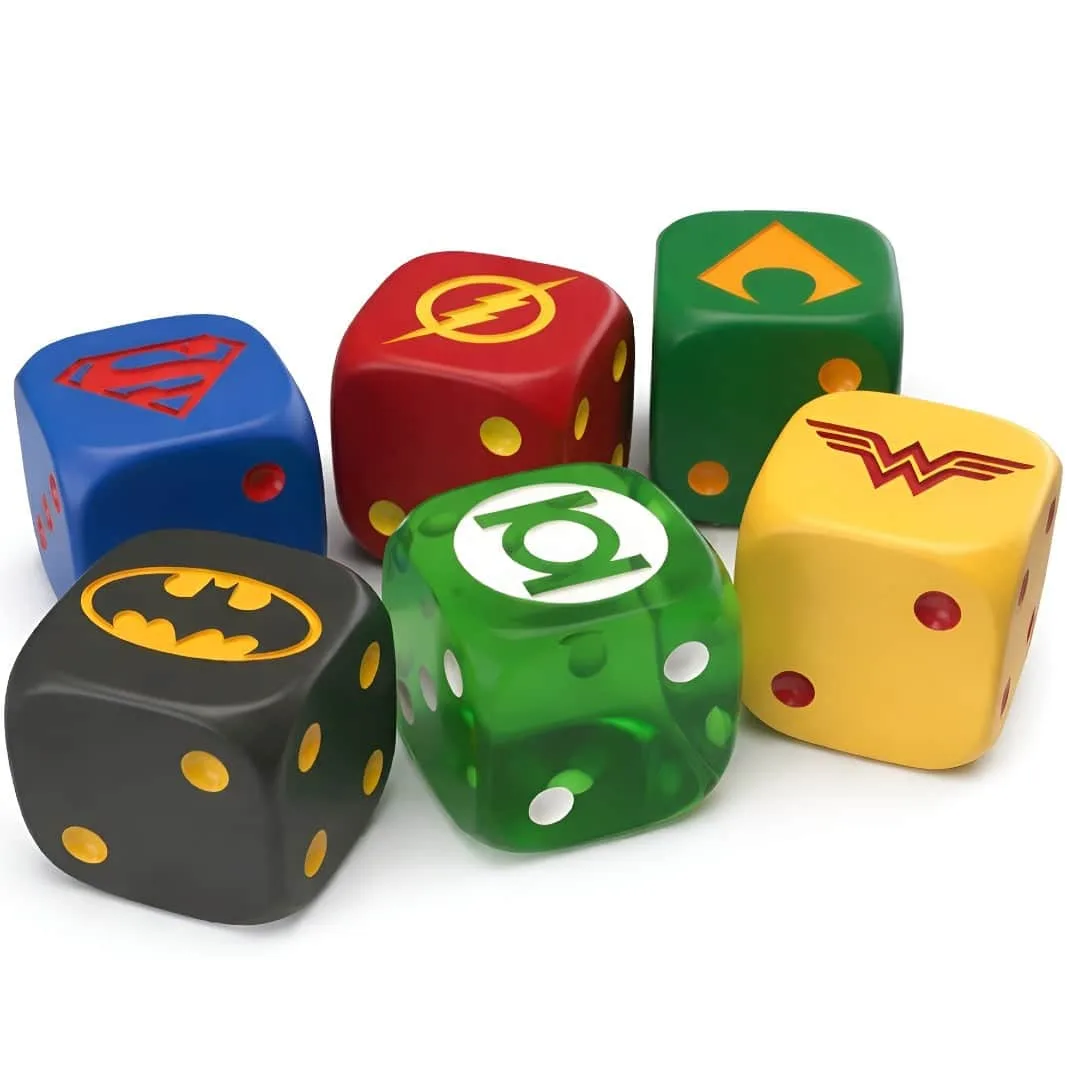
DCeased: A Zombicide Game Justice Dice Set (Kickstarter Pre-Order Special): This Justice Dice Set includes 6 custom dice for DCeased: A Zombicide Game. Six dice are easy to lose in a big box; a small dedicated pouch or container keeps them together and ready for the next zombie outbreak.