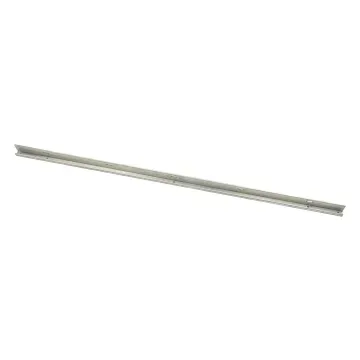
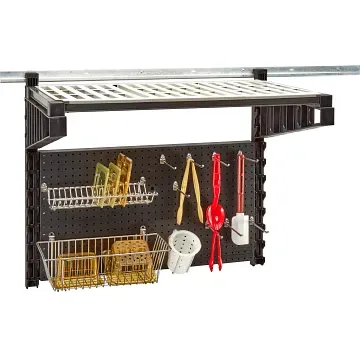
Why combine pegboards and wall uprights?
A tidy kitchen starts with using vertical space well. Pegboards let you hang tools and utensils within easy reach, while wall uprights create a sturdy framework to mount them. Together, they turn an empty wall into a flexible storage system that keeps your workspace efficient and clutter-free.
What the products offer at a glance
-
Pegboards: Keep your kitchen organized with these Cambro Pegboards. Designed for practical storage, they offer a simple and effective way to hang tools and utensils, helping you maintain a tidy and efficient workspace. A pegboard is the visible storage surface where you hang daily-use items. Its simple pegboard design lets you rearrange hooks and holders as your needs change.
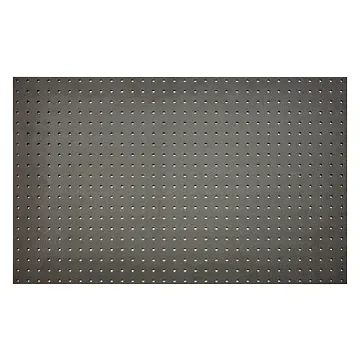
Pegboards
-
Vertical Wall Uprights: Cambro Vertical Wall Uprights are designed to provide sturdy, reliable support for your storage needs. Vertical wall uprights for efficient use of vertical space. Wall uprights are the backbone of your wall storage. They attach to the wall and hold the pegboard securely, making the most of vertical space in kitchens, warehouses, or back-of-house areas.
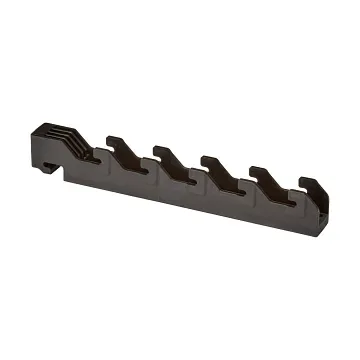
Vertical Wall Uprights
Planning your pegboard and upright layout
Before you mount anything, decide what you will store and where. Group frequently used tools near your main work area and less-used items farther away.
- Measure your wall space: Identify a clear wall section that is wide and tall enough for the pegboard and uprights. Leave room for the uprights to be installed securely into wall studs or solid backing.
- Choose the right uprights: Cambro Vertical Wall Uprights come in a Standard option. They are designed to integrate with existing storage systems, so check that the upright spacing matches your pegboard dimensions.
- Select your pegboard: The Cambro Pegboard (Standard variant) is built for kitchen use. Its simple design allows you to hang tools and utensils, keeping frequently used items within easy reach.
- Plan tool placement: Arrange hooks, bins, and shelves on the pegboard before final mounting. Heavy items should be lower, lighter utensils higher. This keeps the load balanced and reduces strain on the uprights.
Installation considerations
Mount the wall uprights first, following any manufacturer instructions for spacing and fasteners. The supplied information does not specify exact distances or hardware, so use standard practice: attach to wall studs or use appropriate wall anchors for your wall type. Once the uprights are secure, hang the pegboard on them. Ensure the pegboard sits flush and is supported evenly across all uprights.
Organizing your tools for daily use
With the pegboard mounted, arrange your tools in zones. Put pots, pans, and large utensils near the cooking line. Keep measuring spoons, spatulas, and small gadgets near prep areas. Use hooks for hanging items and small shelves for containers. The pegboard's simple design makes it easy to reconfigure as your menu or team changes.
What the supplied information does not cover
The product records do not specify exact load limits, recommended installation hardware, or whether the uprights can support multiple pegboards side by side. For heavy or commercial use, verify with the manufacturer or a qualified installer to ensure the system meets your kitchen's demands.