Quick Answer
Set up a simple rotation by dividing your puzzles and games into three groups: active, library, and reserve. Rotate the active set every one to two weeks. Store off-cycle items in clear bins so kids can see what's coming next without overwhelming the play area.
Why a Rotation System Works for Siblings
When multiple children share the same puzzles and board games, boredom and arguments often follow. A rotation system reintroduces items on a schedule, making each set feel new again. It also reduces clutter, which helps younger kids focus on one activity at a time.
The key is matching the rotation speed to your children's ages and attention spans. Toddlers may need a weekly swap, while older siblings can handle bi-weekly or monthly rotations. Start with a simple cycle and adjust based on what keeps them engaged.
Choosing the Right Storage
Clear, stackable bins are your best friend for puzzle storage ideas. They let kids see the box art without opening every container. For board games with many small pieces, consider zip-top bags inside the original boxes to prevent lost components.
Label each bin with the game or puzzle name and a rough age range. This makes it easy for kids to return items to the correct spot and for you to spot when a set is missing pieces before the next rotation.
Step-by-Step: Set Up Your Rotation
- Step 1: Inventory and Sort: Gather all puzzles and board games. Remove any with missing pieces or broken boxes. Sort the rest into three piles: high interest, moderate interest, and rarely played. Discard or donate the rarely played pile. Common mistake: keeping everything. Fewer items in rotation means less overwhelm and more focus.
- Step 2: Divide Into Three Groups: Create three equal-sized groups from the high- and moderate-interest piles. Each group should have a mix of puzzle types and game styles. Label each group with a week number or color. Checkpoint: each group should contain at least one solo activity (like a puzzle) and one group game to cover different play moods.
- Step 3: Store Off-Cycle Groups: Place two groups in clear bins stored out of reach (closet, high shelf, or garage). Keep the active group in an accessible basket or shelf. Rotate the groups every one to two weeks. Common mistake: storing the active group in a bin too. Keep it visible and easy to grab so kids can initiate play independently.
- Step 4: Teach the System to Kids: Show each child where the active games live and where to return them. Explain that the other games are resting and will come back later. For younger kids, use a simple visual calendar with stickers to mark rotation days. Checkpoint: if a child asks for a specific game not in the active set, add it to the next rotation instead of breaking the cycle.
- Step 5: Review and Adjust Monthly: Once a month, check which games and puzzles were ignored during the active week. Swap them with something from the reserve group. Also check for missing pieces and repair or retire damaged items. A rotation isn't static. Adjust the groups as kids grow and interests change to keep the system working long-term.
Products That Support a Smooth Rotation
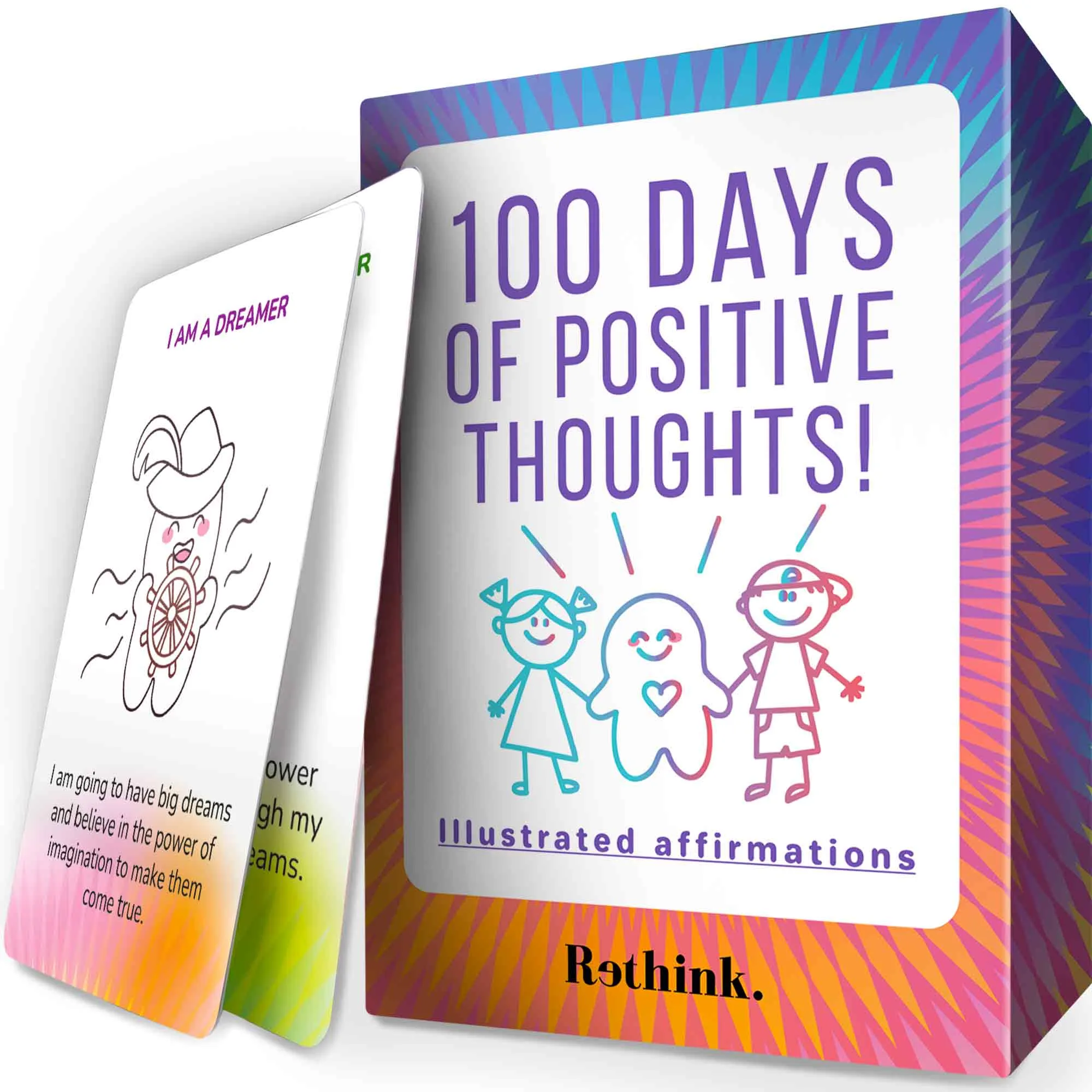
- Rethink! Meditation Mindful Practices Cards for Kids: 📌Meditation Cards for Mental Health📌 With our Meditation Cards, you get 3 engaging categories:🌞 Mindfulness;✨ Visualization;🌸 Icebreakers.🎈 The game includes 65 cards.💫 Dive into relaxation and mindfulness, unlocking the path to a calmer, more centered life.📏 Designed in the USA by Adducate.🧘 Feel peace and tranquility with affirmations and meditations. These cards offer a quiet, screen-free activity that fits easily into a rotation. The three categories give variety within a single set, so it stays interesting across multiple cycles.
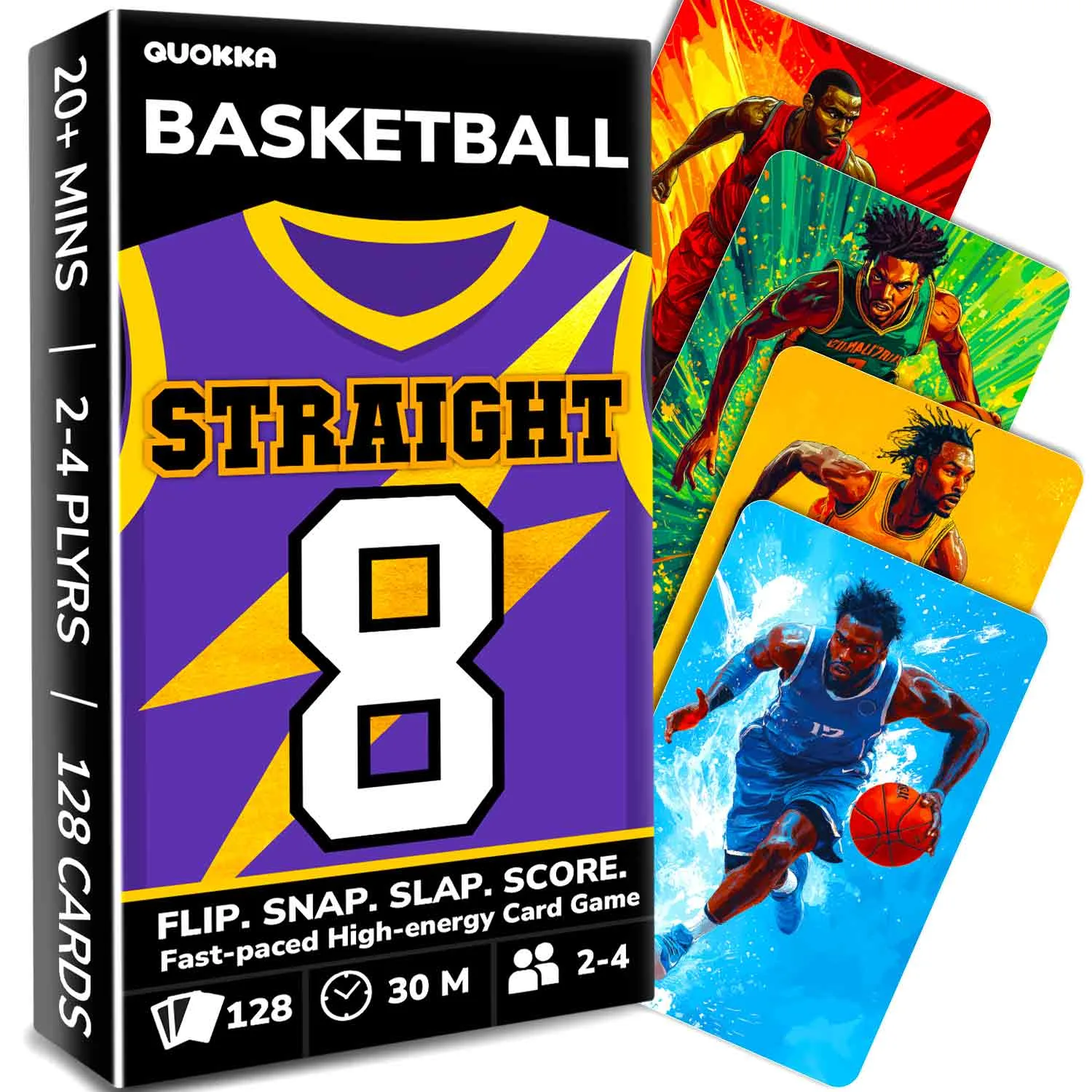
- Fast-Paced Golf Card Game for Kids & Adults: ⛳️ Bring the excitement of the game to your table with this fast-paced golf-themed card game designed for kids, teens, and adults alike.⛳️ With 128 vibrant cards and easy-to-learn rules, it’s the perfect mix of speed, strategy, and fun—ideal for family game nights, parties, and travel. With 128 cards and simple rules, this game works well as a high-energy option in the active rotation. Its compact size also makes it easy to store in a bin or take on trips without breaking the rotation schedule.
- 30 Pcs Jigsaw Puzzles for Kids | Africa Animals: Each child puzzle has a full-color picture that consists of 30 pieces. With these puzzle toys for kids, you get "Africa Animals".COLORFUL PUZZLE GAME: our big jigsaw puzzles have a bright design and vibrant colors;Childrens with interest learn about Unicorns with our kids toys age 3-5; Each piece has a unique shape. Size 11,4 x 8,3 inches. Designed in the U.S.A by Adducate. Encourages hand-eye… A 30-piece puzzle is a manageable challenge for young children and fits neatly into a weekly rotation. The unique piece shapes help kids self-correct, reducing frustration during independent play.