Choosing Between an Oscillating Multi-Tool and a Trim Router
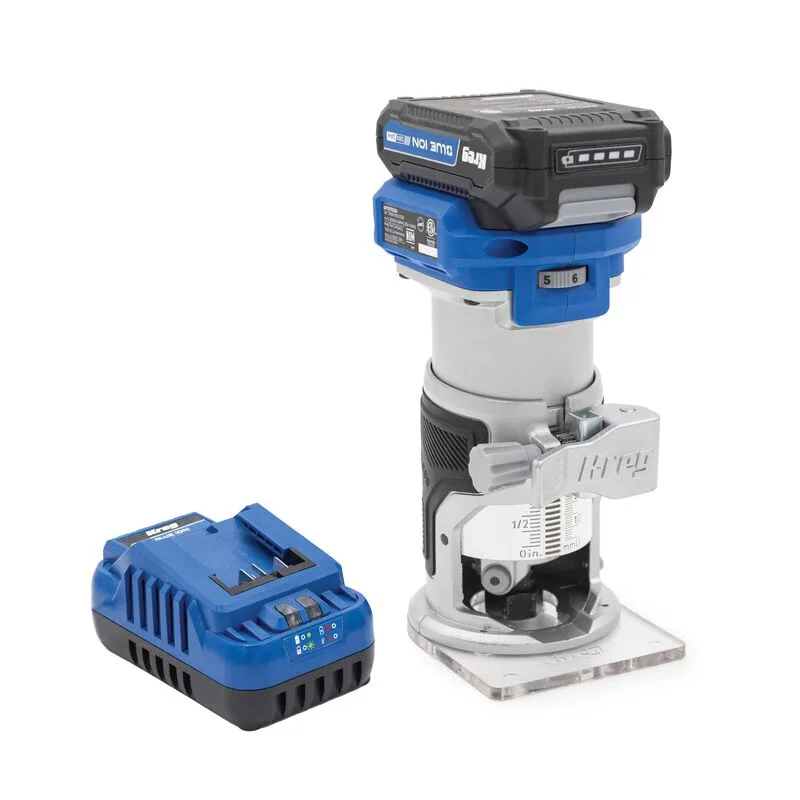
When detail work comes up in woodworking, both an oscillating multi-tool and a trim router can handle tight spaces and precise cuts. But they are not interchangeable. Each tool has a specific job, and picking the right one depends on what you need to do. This comparison focuses on the Kreg 20V Ionic Drive Oscillating Multi-Tool and how it stacks up against a typical trim router for detail tasks.
Kreg 20V Ionic Drive Oscillating Multi-Tool at a Glance
-
Kreg 20V Ionic Drive™ Oscillating Multi-Tool (Tool Only): Variable speed settings (7,000–17,000 OPM) for ultimate control. This speed range allows the tool to handle different materials and applications, from scraping to plunge cutting, without damaging the workpiece.
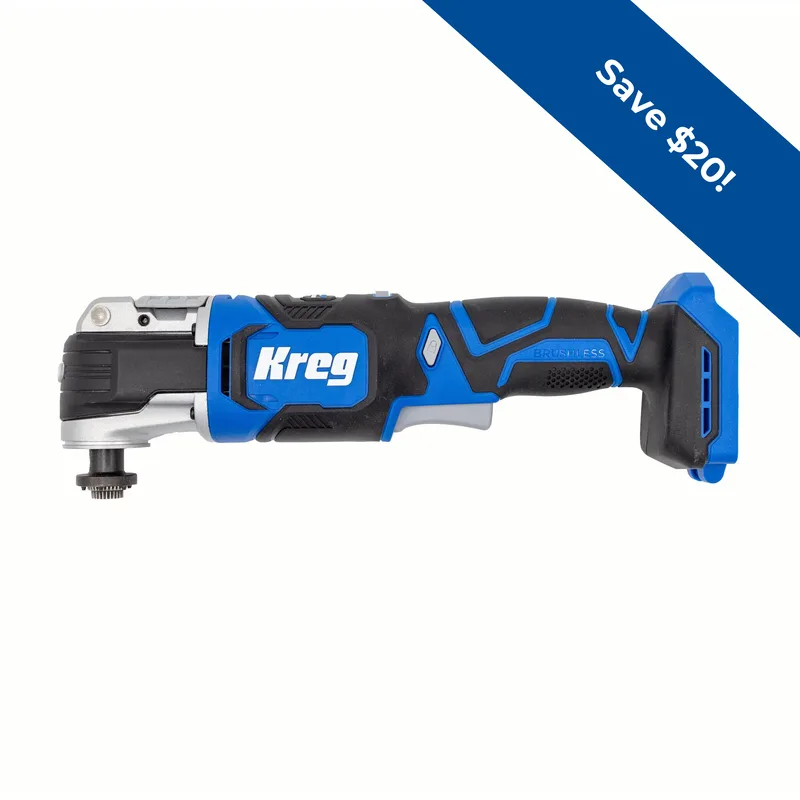
Kreg 20V Ionic Drive™ Oscillating Multi-Tool (Tool Only)
-
Kreg 20V Ionic Drive™ Oscillating Multi-Tool (Tool Only): Trigger-style operation with lock-on button for easy handling. The trigger and lock-on give you consistent control during extended detail work, reducing hand fatigue.
-
Kreg 20V Ionic Drive™ Oscillating Multi-Tool (Tool Only): Vibration-damping design with metal housing and gearing for smoother operation and reduced fatigue. Less vibration means better accuracy in tight spaces and more comfortable use over time.
-
Kreg 20V Ionic Drive™ Oscillating Multi-Tool (Tool Only): Accepts both open and closed-back universal blades and accessories. You can use a wide range of blades and attachments, making the tool adaptable for sanding, cutting, scraping, and grinding.
-
Kreg 20V Ionic Drive™ Oscillating Multi-Tool (Tool Only): Toolless blade change system for fast, hassle-free blade swaps. Switching between tasks like cutting and sanding takes seconds, which is valuable when you're working on multiple details.
Oscillating Multi-Tool vs. Trim Router: Key Differences for Detail Work
- Cutting Action: An oscillating multi-tool uses a side-to-side motion at high OPM, ideal for flush cutting, plunge cuts, and getting into corners. A trim router uses a spinning bit, better for edge profiling, trimming laminate, and routing dados.
- Precision: The multi-tool's variable speed and vibration damping give you fine control for detail sanding and cutting. A trim router offers guided precision with a base and fence, but it's less suited for plunge cuts or tight inside corners.
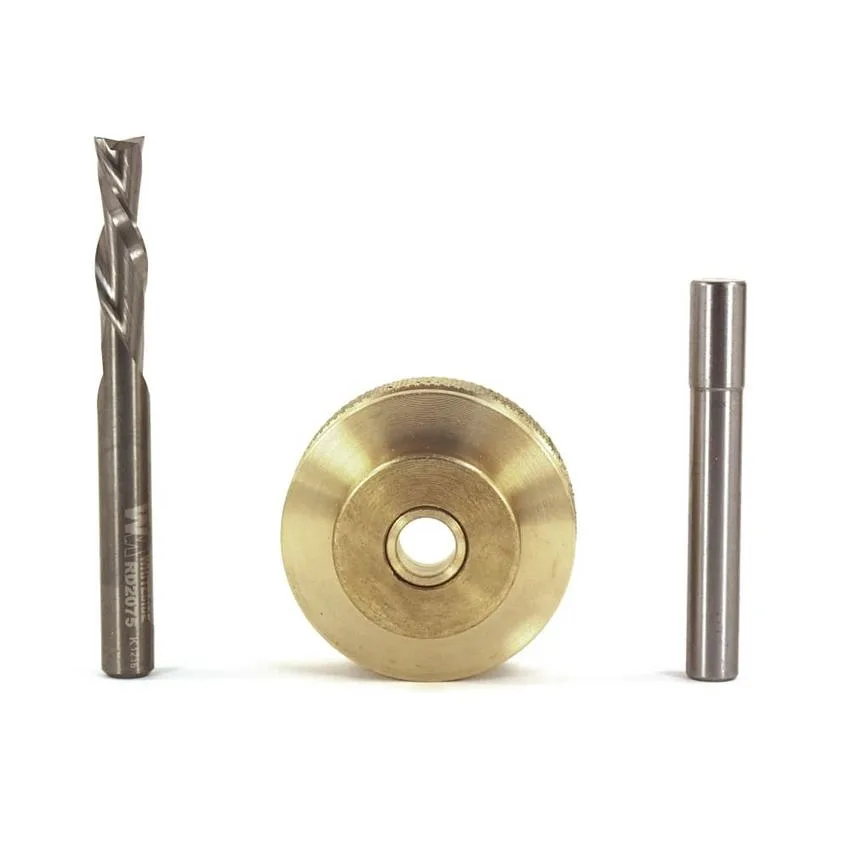
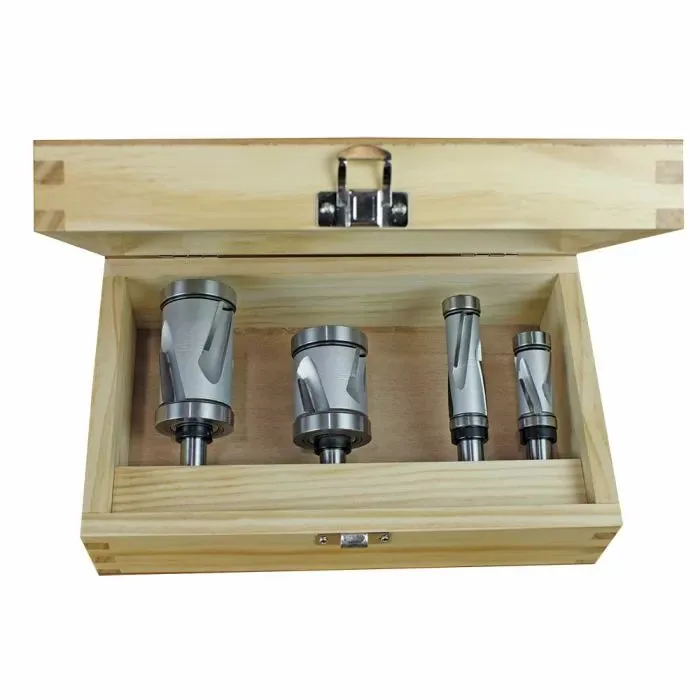
- Versatility: With universal blade compatibility, the oscillating multi-tool can cut, sand, scrape, and grind. A trim router is specialized for routing and trimming, though it can accept various bits for different profiles.
- Accessibility: The multi-tool's compact shape and toolless blade changes make it easy to work in tight spots. A trim router is bulkier and requires a bit change wrench, but it excels at edge work.
- Power Source: The Kreg 20V multi-tool is cordless, offering freedom of movement. Many trim routers are corded, providing continuous power but limiting portability.
When to Choose Each Tool
Choose the Kreg 20V Ionic Drive Oscillating Multi-Tool when you need to make flush cuts, plunge into a surface, sand in tight corners, or scrape old adhesive. Its variable speed and vibration damping give you the control needed for delicate detail work. It is especially useful for renovation tasks like cutting drywall, trimming door jambs, or undercutting baseboards.
Choose a trim router when your detail work involves edge profiles, laminate trimming, or routing channels. A router's guided base and spinning bit produce clean, repeatable edges. If you need to cut a rabbet or a decorative edge, the router is the better tool.
The two tools complement each other. Many woodworkers keep both on hand, using the multi-tool for access and plunge cuts and the router for edge work.